
How to Find a Peaceful and Serene Massage in Kilimani
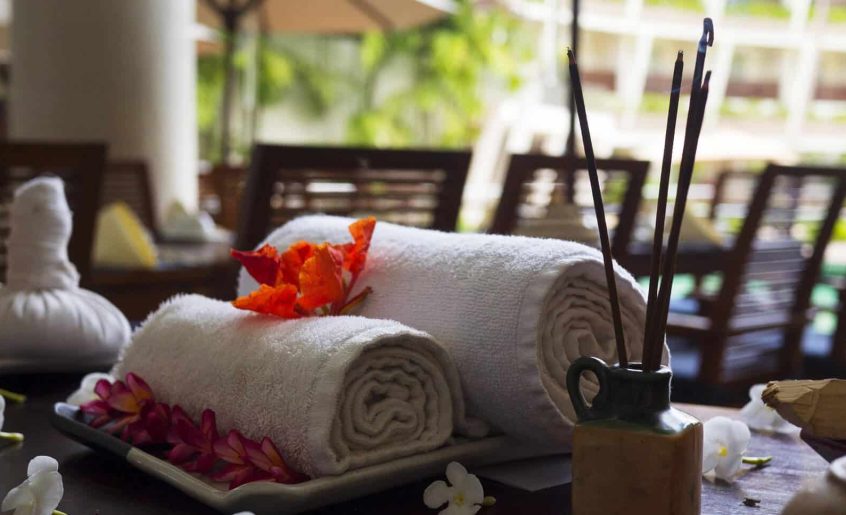
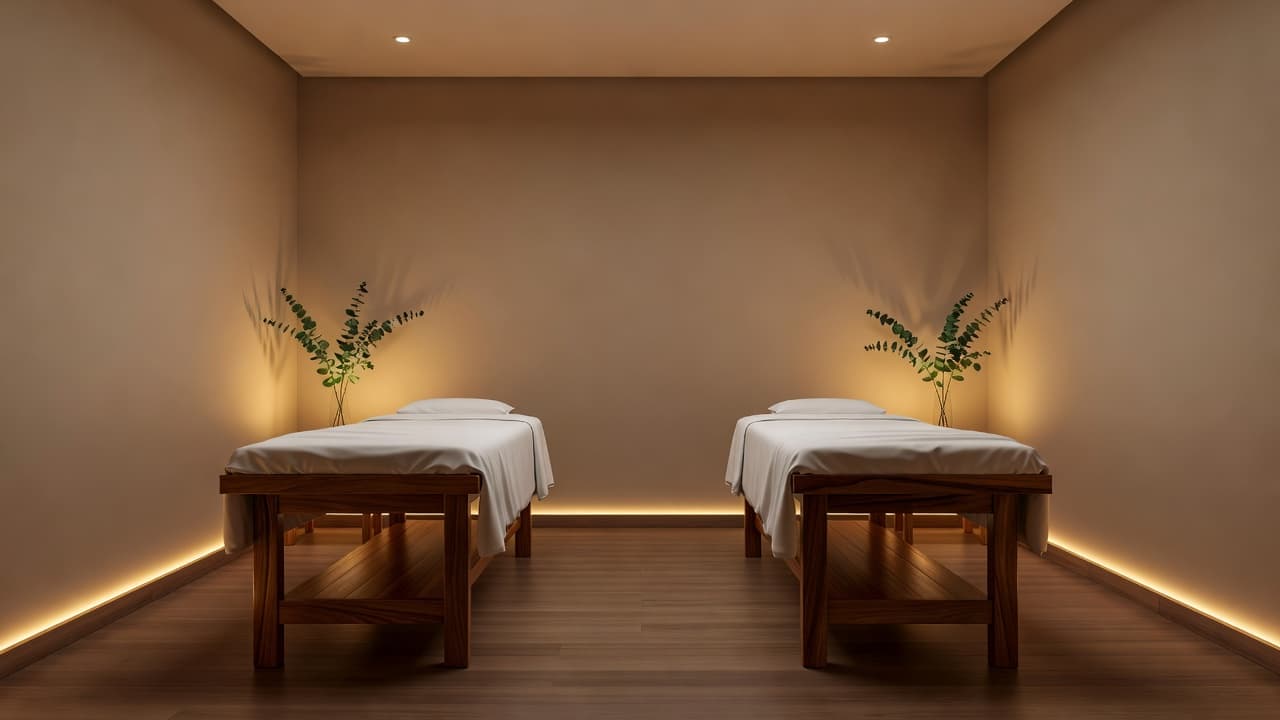
Soft lighting settles across the room as a clean, calming scent fills the air. Gentle music plays in the background, the temperature feels comfortable, and the pace begins to slow before your massage even starts. In a city as active as Nairobi, that change of atmosphere can make a noticeable difference.
Many people book a massage to ease tight shoulders, tired legs, or aching muscles. Yet the right setting offers more than physical relief. It gives you space away from traffic, phone screens, work messages, and the steady pressure of daily responsibilities. A peaceful and serene environment helps you settle into the treatment, breathe more freely, and stay present instead of carrying the outside world into the room.
Finding that experience in Kilimani depends on more than choosing the first spa that appears in search results. Privacy, cleanliness, noise levels, lighting, therapist communication, and the overall feel of the space all shape your visit. You’ll also want to choose a treatment that matches your body’s needs, share your preferences before the session, and plan enough time so you don’t have to rush out afterward.
This guide is written for massage lovers in Kilimani and nearby Nairobi neighborhoods who want a calm, respectful, and comfortable experience. It will help you choose a peaceful setting, prepare for your appointment, select the right massage, and make the most of every minute. First, let’s look at the signs that a spa can provide the quiet atmosphere you’re seeking.
What Makes a Massage Space Truly Peaceful and Serene?
A peaceful and serene massage space helps your body feel safe before the first technique begins. In Kilimani, the best experience comes from several small choices working together: gentle sensory details, clean surroundings, privacy, clear communication, and a therapist who respects your comfort.
Atmosphere is part of the treatment. Nairobi spas increasingly present relaxation as a complete experience, with attention to lighting, sound, scent, warmth, and the condition of the room. You can see that focus in Nairobi’s luxury spa offerings, where massages sit alongside other wellness services rather than functioning as an isolated appointment.
 ### Small Sensory Details That Help the Body Let Go
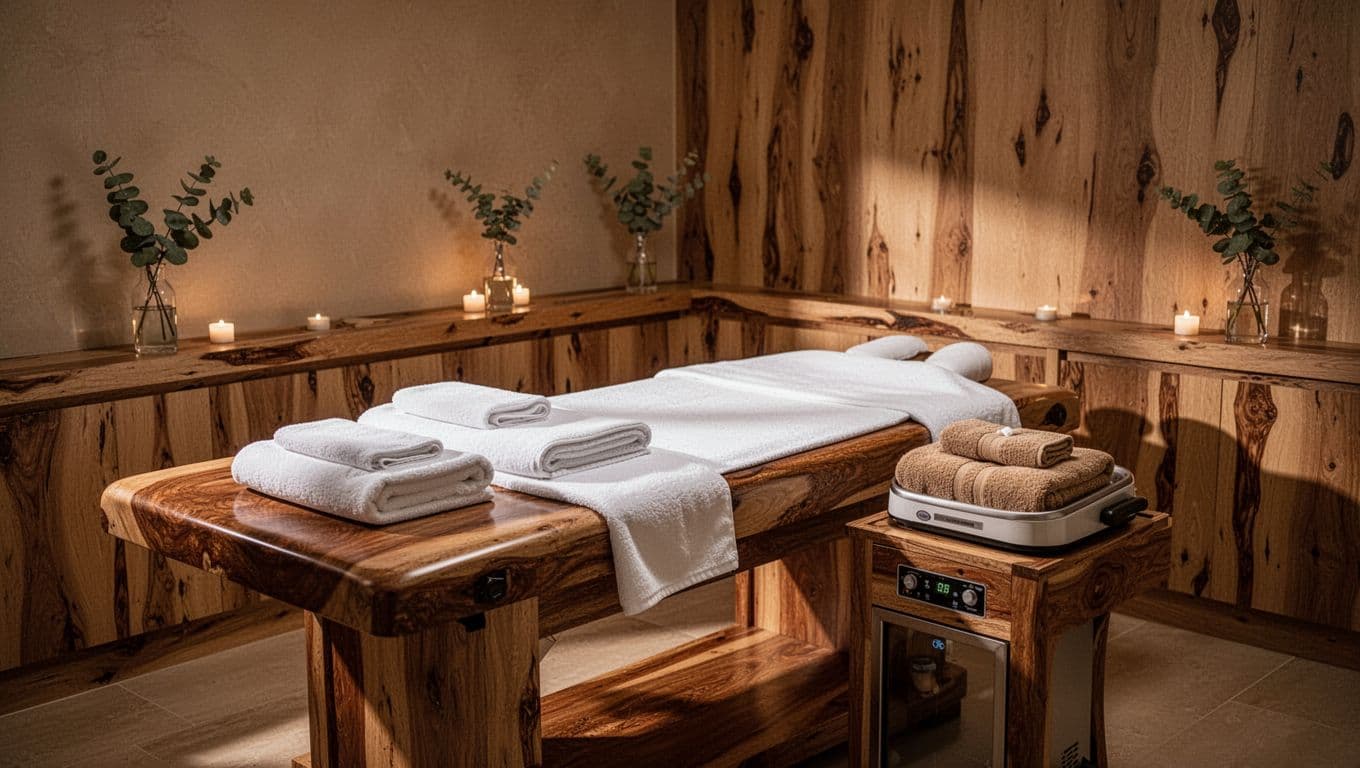
Your senses respond to the room before your mind has time to assess it. Harsh lights, loud conversations, or a strong chemical smell can keep your body alert. Soft lighting has the opposite effect because it reduces visual stimulation and makes the space feel less exposed.
Sound matters too. Gentle instrumental music, soft nature sounds, or a low, steady melody can cover traffic and hallway noise without demanding your attention. However, music should remain quiet enough for you to speak with the therapist. A soundtrack that dominates the room may prevent you from settling.
Natural colors also influence the mood. Warm whites, muted greens, soft browns, and other understated shades can make a treatment room feel grounded. Busy patterns and bright colors aren’t automatically uncomfortable, but a calm room usually avoids visual clutter around the massage table.
Scent requires a careful balance. Light aromatherapy with lavender, eucalyptus, or another mild oil may help create a fresh and relaxing atmosphere. Still, fragrance affects people differently. Strong scents can cause headaches, nausea, or breathing discomfort, especially for guests with allergies or sensitivities. A well-run spa should ask about your preferences instead of assuming everyone enjoys essential oils.
Temperature has a direct effect on relaxation. If you’re cold, your muscles may stay tense beneath the therapist’s hands. If you’re too warm, you may feel restless and distracted. Warm towels can ease the transition onto the table, while clean, breathable linens help maintain comfort throughout the session.
The massage table itself should feel supportive rather than unstable. Adequate cushioning, a comfortable face cradle, and enough room to adjust your position all matter. You shouldn’t need to tolerate a strained neck or pressure on your joints to receive a good massage.
A serene room doesn’t need to be silent or heavily scented. It needs to feel controlled, comfortable, and responsive to your needs.
Before treatment begins, tell someone if the room feels too bright, noisy, warm, or cold. Ask for lower music, less fragrance, another blanket, or a small temperature adjustment. A peaceful experience includes the freedom to shape the environment.
Privacy, Cleanliness, and Respect Matter as Much as the Massage
Cleanliness builds trust before the therapist touches you. Fresh linens should cover the table for every guest, and used towels should never remain in the room. You should also see clean floors, sanitized surfaces, an orderly treatment area, and equipment that looks properly maintained.
These details aren’t cosmetic. When a room appears neglected, you may spend the entire appointment wondering whether hygiene receives enough attention. A clean space allows you to focus on breathing, comfort, and the massage itself.
Personal privacy deserves the same care. Look for a private changing area, a secure place for your phone and wallet, and a door or entrance that doesn’t leave you exposed to passing guests. If you need to change in the treatment room, the therapist should leave enough space and time for you to do so without pressure.
Draping should protect your dignity throughout the massage. Only the area being treated should be uncovered, while the rest of your body remains covered with a sheet or towel. The therapist should explain where to lie, when to turn, and what to expect before adjusting the drape.
You also have control over the treatment. Ask what a service includes, how long it lasts, and whether the listed price covers everything. Clear service descriptions, transparent prices, respectful messages, and easy booking are practical signs of a well-run spa. These basics reduce uncertainty before you arrive.
A professional therapist won’t make you feel embarrassed about your body, your questions, or your level of experience. You can ask for more coverage, a pause, a different position, or a change in technique. You can also stop the session at any time.
For another example of how spas present calm environments, Serenity Spa’s garden-room treatment setting pairs a peaceful outdoor atmosphere with massage services. The setting may differ from a Kilimani treatment room, but the principle remains the same: comfort should support the guest rather than distract from the service.
A Calm Therapist Can Change the Whole Experience
Even a beautiful room cannot create a peaceful massage if the therapist rushes, ignores your concerns, or uses more pressure than you requested. A good therapist listens before beginning and pays attention to your words throughout the session.
A short consultation can improve both safety and results. Tell the therapist where you feel pain, whether your muscles are generally sensitive, and which pressure level you prefer. Explain if you want relaxation, focused work on a tight area, or a balanced combination of both.
The therapist should also ask about injuries, pregnancy, medical concerns, allergies, recent surgery, and areas you want to avoid. Certain conditions may call for modified techniques, additional caution, or advice to seek medical clearance first. You don’t need to share more personal information than you feel comfortable discussing, but relevant details help the therapist make sensible choices.
Clear explanations can settle nervousness. Before starting, the therapist should describe the treatment, explain how you can communicate during it, and answer questions in plain language. Steady movements usually feel more reassuring than sudden changes in pace or pressure.
Professional conduct includes appropriate language, respectful draping, and clear physical boundaries. The therapist should never pressure you into an upgrade, a different service, or contact that falls outside the appointment. Your comfort remains the standard, not an inconvenience.
Speak up during the massage if the pressure feels painful, a position strains your body, or you want a technique stopped. You can say, “Please use less pressure,” “That area is sensitive,” or “I’d like to pause.” A calm therapist welcomes this information and adjusts without defensiveness.
The right therapist doesn’t expect you to endure discomfort in silence. They make communication part of the treatment.
When the room feels comfortable and the therapist responds with care, your body has fewer reasons to remain guarded. That combination is what turns an ordinary appointment into a peaceful and serene massage in Kilimani.
Choose the Right Relaxing Massage for Your Mood and Body
The best massage in Kilimani depends on what you need that day. You may want quiet rest after a demanding week, focused work for sore muscles, gentle warmth, better flexibility, or a shared experience with someone close to you. A peaceful and serene session starts with choosing a treatment that matches your body rather than selecting the most intense option on the menu.
Before booking, ask how the massage is performed, whether pressure can be adjusted, what products the therapist uses, and how much time the session includes. If you have an injury, chronic pain, pregnancy, skin problems, asthma, allergies, or another health concern, speak with a qualified health professional before scheduling. Massage can feel soothing, but it isn’t a cure for a medical condition.
 ### Swedish Massage for Gentle, Full-Body Relaxation
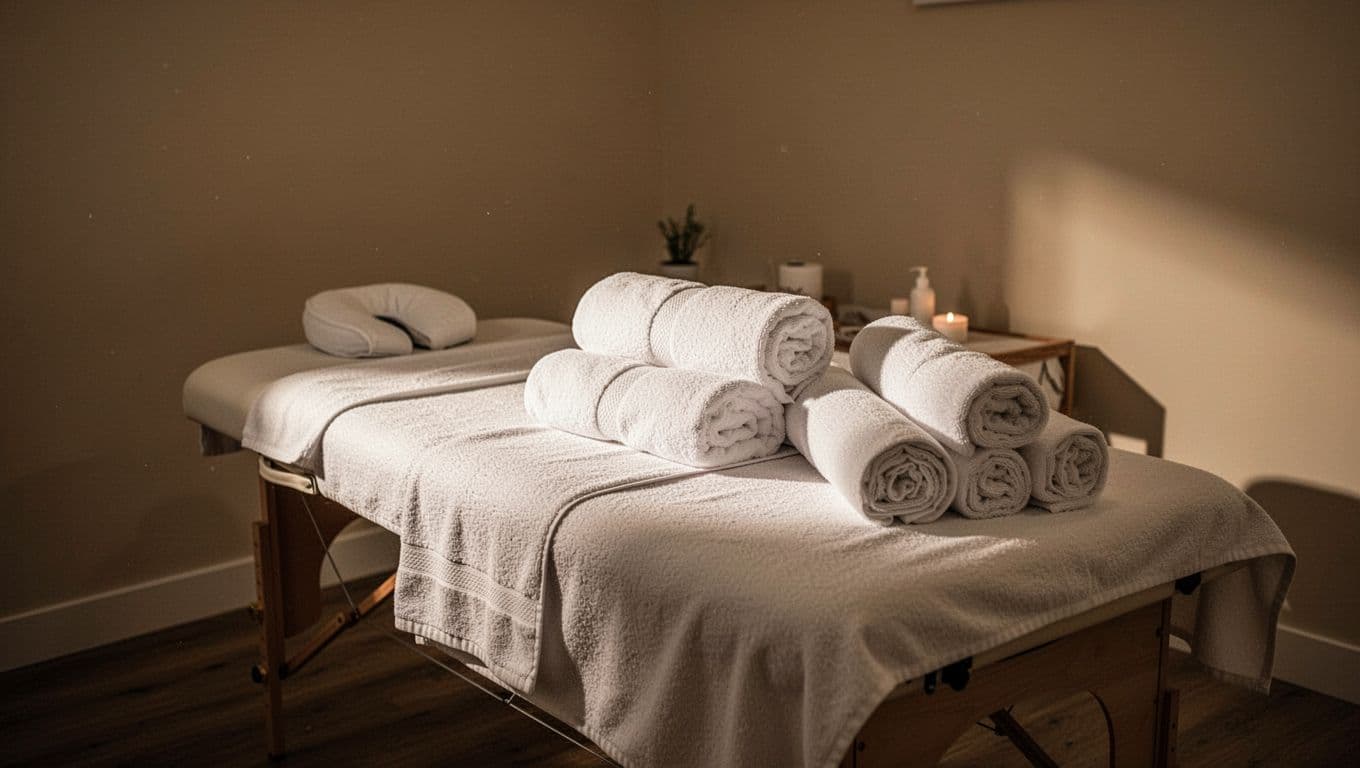
Swedish massage is often the easiest starting point when you want a calm, full-body session. The therapist uses long, flowing strokes across the muscles, along with kneading and gentle circular movements. Pressure commonly ranges from light to moderate, so the treatment can feel steady and reassuring rather than demanding.
That smooth rhythm helps many first-time clients settle into the room. If your shoulders feel tight after desk work, your legs feel heavy after a long day, or your mind won’t stop replaying the week’s tasks, Swedish massage gives your body a chance to slow down. The pace is usually even, with enough movement to keep the session engaging without making relaxation feel like work.
You don’t need to arrive with a major complaint to choose Swedish massage. Some people book it simply because they want an hour of uninterrupted rest. Others prefer it after travel, a busy work period, or a week of poor sleep. The treatment can also suit clients who feel uncertain about massage and want to learn how their body responds.
Pressure isn’t fixed. Tell your therapist if you prefer lighter contact around the ribs, feet, neck, or lower back. You can also request firmer work on a broad area, provided it remains comfortable and appropriate for you. A useful comparison of Swedish and deep tissue massage can help you understand why these styles feel so different.
If a stroke feels sharp, pinching, numb, or uncomfortable, speak up immediately. Pain isn’t proof that the massage is working. A professional therapist can slow down, reduce pressure, change position, or avoid the area altogether.
Deep Tissue and Sports Massage for Focused Muscle Tension
Deep tissue massage uses slower, firmer pressure on selected areas of tension. The therapist may work along layers of muscle and connective tissue with deliberate strokes, rather than moving lightly across the entire body. It is focused bodywork, not simply a stronger version of every other massage.
You might consider it when one area receives most of your attention, such as tight shoulders, a stiff upper back, or legs that feel overworked after training. However, deep pressure can feel intense, and it doesn’t suit everyone. A client who wants peaceful rest may find a long, firm session too stimulating, especially if the therapist applies pressure without checking in.
Sports massage is designed around an active person’s routine. Before training, the work may be lighter and more movement-focused. After training, the therapist may spend time on tired muscle groups and areas that feel restricted. Timing matters because an intense treatment immediately before demanding exercise may leave you feeling less comfortable or less prepared.
Tell the therapist what activity you do, when you last trained, and whether you have a current injury. Ask for controlled pressure instead of requesting the hardest massage available. Your goal should be useful, tolerable work, not a test of endurance.
Some tenderness can occur after a firm session, particularly when the therapist spends time on areas that have been tense. That sensation should remain manageable and should not be confused with severe or worsening pain. Drink water, eat normally, keep your schedule light if possible, and allow your body time to rest afterward. If soreness concerns you, contact a health professional rather than booking another intense treatment.
Anyone with an injury, chronic pain, recent surgery, pregnancy, or an unexplained symptom should seek medical guidance before choosing deep tissue or sports massage. For a broader comparison of massage styles, Healthline’s massage guide offers useful background before you speak with a therapist.
Aromatherapy, Hot Stone, and Warm Oil Treatments for a Softer Escape
Sometimes the mood you want comes from more than pressure and movement. Aromatherapy, hot stone, and warm oil treatments add sensory details that can make a massage feel softer and more immersive.
Aromatherapy massage uses selected essential oils during the treatment. The scent may come from diluted oil applied to the skin or from a small amount used in the room. Lavender is a common choice for a relaxed atmosphere, but fragrance preferences vary widely. You may enjoy a subtle scent, or you may prefer no fragrance at all.
Hot stone massage adds smooth, heated stones to selected parts of the body. The warmth can feel comforting when your muscles are tired or you dislike a cool treatment room. Stones should feel comfortably warm, never painfully hot. Tell the therapist at once if the temperature feels excessive, especially if your skin has reduced sensitivity.
Warm oil treatments create a silky glide and may reduce the friction of repeated strokes. They can be a pleasant choice when you want gentle movement and a slower pace. Before the session, disclose allergies, asthma, sensitive skin, eczema, fragrance reactions, or any product you have reacted to before. You can request an unscented oil, ask which ingredients will be used, or decline a product completely.
A calm sensory experience still depends on communication. Confirm whether the treatment includes essential oils, heated stones, a shower afterward, or an extra product fee. If you want a quiet, peaceful and serene escape, simple unscented oil may suit you better than a strong fragrance.
Thai, Couples, and Mobile Massage Options
Thai massage often includes assisted stretching, gentle compression, and movement through several positions. Clients commonly remain clothed in loose, comfortable clothing, and the treatment may feel more active than a traditional oil massage. Choose it when flexibility and movement matter more than lying still beneath warm linens. Tell the therapist about joint problems or restricted movement before any stretching begins.
Couples massage allows two people to receive treatment at the same time, often in the same room. It can suit a birthday, anniversary, trip, or simple afternoon together. Confirm whether both therapists will use the same massage style and pressure, since one person may prefer Swedish massage while the other wants focused muscle work.
Mobile massage may work well when you prefer a hotel, apartment, or home setting. It removes travel after the appointment, but it also requires careful planning. Before confirming, ask about:
- Therapist credentials and identification.
- Privacy, draping, and who will attend the appointment.
- Travel fees, payment methods, and the total price.
- Massage table, linens, oils, music, and other equipment.
- Arrival time, session length, and cancellation terms.
A home setting can feel peaceful, but your safety and privacy come first. Share the address only through a trusted booking process, keep the treatment area clear, and cancel if the provider avoids basic questions.
Use this quick guide when several options sound appealing:
- Quiet rest or everyday stress: Choose Swedish massage with light to moderate pressure.
- Sore muscles after activity: Ask about sports massage and explain your training schedule.
- One stubborn area of tension: Consider focused deep tissue work, if firm pressure feels suitable.
- Warmth and sensory comfort: Try hot stone or warm oil treatment.
- A gentle fragrance: Select aromatherapy, after discussing allergies and scent preferences.
- Flexibility and movement: Ask about Thai massage and assisted stretching.
- A special occasion: Book a couples massage or a private mobile session after checking practical details.
When you’re unsure, begin with the gentler option and share clear feedback during the appointment. A peaceful massage should leave you feeling cared for, not pressured to tolerate more than your body can comfortably handle.
How to Find a Peaceful and Serene Spa in Kilimani
A peaceful and serene spa experience begins before you enter the treatment room. Take a few minutes to verify the details, compare your options, and notice how the provider communicates. Clear answers usually make the booking process feel calmer and more predictable.
Public listings can help you discover massage providers near Kilimani, Yaya Centre, Hurlingham, and nearby roads. However, directory information may be incomplete, outdated, or inconsistent with the spa’s current services. Hours, prices, therapist availability, and booking rules can change, so confirm important details directly before you travel.
Questions to Ask Before You Book
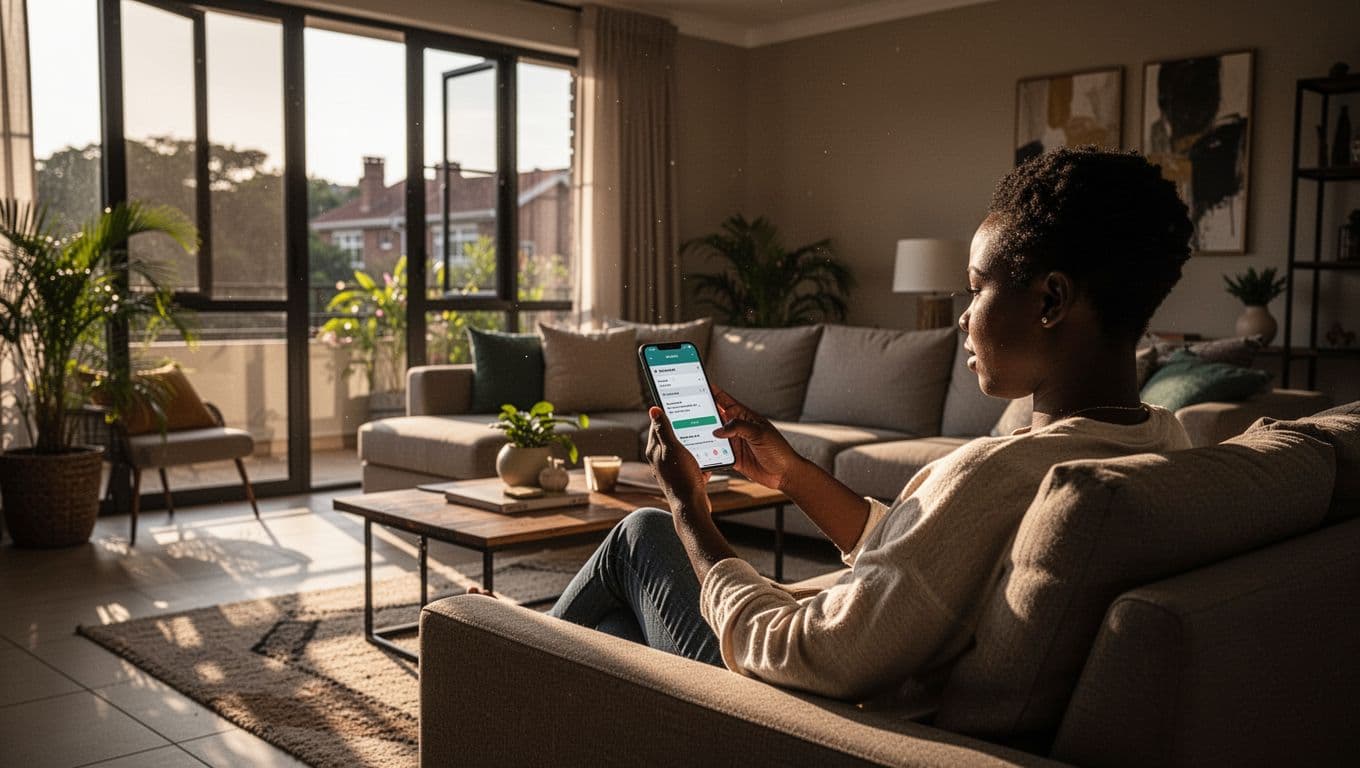
A short phone call or WhatsApp message can prevent surprises at the front desk. You don’t need a long conversation. Ask direct questions that clarify the service, cost, privacy, and practical arrangements.
You can send questions such as:
- Which massage is best for my goal, such as relaxation, muscle tension, or post-workout recovery?
- How long is the actual massage session?
- What is the total price, including oils, taxes, transport, or other fees?
- Is the treatment room private?
- Are fresh linens and towels provided?
- Can I choose the therapist’s gender?
- Is secure parking available?
- Do you offer home or hotel visits?
- Is there an extra charge for a mobile appointment?
- What happens if I need to cancel or reschedule?
- Do I need to pay a deposit to confirm the booking?
- Do you accept cash, card, mobile money, or another payment method?
- Will the therapist I request be available at my chosen time?
The phrase “one-hour massage” may refer to different things. Some providers may include consultation and changing time within the appointment, while others offer 60 minutes of hands-on treatment. Ask for the exact session length so you can compare prices fairly.
Also confirm what the price includes. A hot stone treatment, aromatherapy oil, couples room, or home visit may cost more than a standard massage. If you want a particular therapist, treatment, or time slot, ask for confirmation rather than assuming the online calendar is current.
Pay attention to the tone of the response. A professional provider should answer reasonable questions clearly, explain limits, and avoid pressuring you to book immediately. You can also review massage booking and safety guidance before comparing local services.
 ### How Location, Hours, and Arrival Time Shape Your Calm
A convenient location can protect your mood before the massage begins. If you spend an hour searching for the address, circling for parking, or rushing through traffic, your shoulders may stay tense long after you arrive.
Check the route at the time you plan to travel. Kilimani traffic can change during commuting hours, while a short distance on a map may take longer than expected. Leave enough time for traffic, building entry, parking, and finding the treatment room.
Building access matters when the spa operates inside an apartment, office block, hotel, or shopping center. Ask for the building name, entrance, floor, room number, visitor registration process, and any security instructions. If you arrive at night, confirm whether the main entrance remains open and whether someone will meet you.
Parking deserves a direct question. A listing may mention parking without explaining whether spaces are reserved, shared, paid, or available only at certain hours. If you use a ride service, ask where the driver should drop you and whether the entrance is easy to identify.
Online listings may describe a provider as open 24 hours, while another page gives more limited hours. Treat both details as a reason to confirm, not as a guarantee. Late-night appointments may require advance booking, a deposit, or arrival within a specific building access window.
Walk-ins can be convenient, but an open door doesn’t always mean a therapist is free. Some providers welcome walk-ins when staff are available, while others require appointments. Booking ahead gives you a better chance of receiving the massage style, therapist, and session length you want.
Arrive 10 to 15 minutes early when possible, especially for your first visit. That time allows you to check in, use the restroom, complete a consultation, store your belongings, and settle your breathing before the massage starts. A calm arrival creates a smoother transition into the treatment.
Reading Reviews Without Trusting Every Claim
Reviews can reveal patterns that a polished spa profile may not mention. Look for repeated comments about clean rooms, fresh linens, therapist professionalism, pressure control, punctuality, privacy, and whether the booking matched the service delivered.
One glowing review may describe an unusually good day, a personal preference, or a discounted visit. A single negative review may reflect a misunderstanding, a changed policy, or an isolated problem. Neither review gives you the full picture on its own.
Instead, compare several recent reviews and notice whether the same details appear repeatedly. If multiple guests mention loud rooms, late arrivals, unclear prices, or respectful therapists, those patterns deserve attention. Reviews that describe what happened are usually more useful than vague comments such as “amazing” or “terrible.”
Check the review date as well. A spa may have changed its staff, location, hours, prices, or booking system since older comments were posted. Recent feedback gives you a better sense of current operations, although it still doesn’t replace direct confirmation.
Compare information across the spa’s official page, booking profile, and reputable directories. Look for differences in address, phone number, treatment names, prices, and opening hours. Directory pages can help you build a shortlist, but they may not show temporary closures, therapist schedules, or updated cancellation rules.
Notice how the provider responds to criticism. A calm, specific response can show that the business reads feedback and takes concerns seriously. Defensive replies, personal attacks, or pressure to remove reviews should make you pause.
A Simple Spa Comparison Checklist
Use the same categories for each provider so your choice reflects your needs rather than the most attractive advertisement. A simple note on your phone can make the comparison easier.
- Atmosphere: Does the room look clean, calm, private, and comfortable? Consider noise, lighting, scent, temperature, and overall order.
- Treatment choices: Can you select Swedish, deep tissue, hot stone, aromatherapy, Thai, or another suitable option? Can the therapist adjust pressure?
- Price clarity: Does the quoted price include the full session, products, taxes, transport, and any requested extras?
- Location: Is the address clear? Can you reach it without a stressful journey, and is parking or building access practical?
- Privacy: Are changing arrangements, draping, storage, and room access handled respectfully?
- Staff communication: Do messages answer your questions directly? Does the provider confirm your time, treatment, therapist, and total cost?
- Health and safety: Does the therapist ask about injuries, allergies, pregnancy, recent surgery, or areas to avoid?
- Aftercare advice: Will you receive sensible guidance about water, rest, possible tenderness, and when to seek medical advice?
Before booking, use this short professionalism check:
- The provider gives a clear business name, location, and contact method.
- The price and session length are confirmed in writing.
- The therapist explains boundaries and welcomes feedback.
- Cancellation, deposit, and payment rules are easy to understand.
- The provider doesn’t pressure you to share unnecessary personal details.
The best choice may be a modest neighborhood spa with clear communication, or a more elaborate setting with extra amenities. Price alone doesn’t prove quality, and luxury alone doesn’t guarantee peace. Choose the provider that fits your comfort, schedule, treatment goals, and expectations.
What to Expect at Kilimani Love Massage and Spa
A visit to Kilimani Love Massage and Spa should begin with clarity, not guesswork. Before you arrive, confirm the treatment details, room setup, price, and comfort preferences so the session can feel peaceful and serene from the first few minutes.
A calm massage depends on more than soft lighting or relaxing music. Your privacy, boundaries, pressure preference, health information, and ability to speak up all shape the experience. Spa services and opening details can change, so verify current information directly when you book.
 ### How to Check That the Spa Fits Your Idea of Calm
Everyone experiences relaxation differently. Some guests enjoy gentle music and a light fragrance, while others need near silence and unscented oil. A quick conversation with Kilimani Love Massage and Spa can help you decide whether the setting matches your idea of a calm visit.
Ask whether your massage takes place in a private treatment room. Find out if the room has a door, whether other clients pass through the area, and where you can change or store your belongings. You can also ask how the spa protects privacy during draping and when you need to turn over.
Noise can affect your ability to settle. Confirm whether the room is near a reception desk, street-facing window, shared hallway, or other busy area. If you prefer a quieter appointment, ask whether the music can be lowered or turned off. A soft soundtrack should support the massage, not compete with your breathing or conversation.
Scent deserves a direct question as well. Ask whether the therapist uses scented oils, essential oils, candles, or fragranced room products. If you have allergies, asthma, migraines, or a strong preference for neutral scents, request an unscented oil before the appointment. You can enjoy a warm, inviting room without adding fragrance.
Arrival time also matters. Ask when you should arrive, especially if the spa needs time for registration, consultation, changing, or payment. Arriving 10 to 15 minutes early gives you space to use the restroom, put your phone away, and settle before the treatment begins. Confirm the current address, building entrance, parking instructions, and opening hours before leaving home.
Finally, ask whether the therapist can adjust pressure. Light, medium, and firm pressure should be treated as different settings, not as a fixed standard. Tell the therapist what you prefer at the start, then provide feedback if your body responds differently than expected.
Personal comfort is part of a successful massage. A treatment cannot feel peaceful if you spend the entire time tolerating a strong scent, loud noise, an awkward position, or pressure that hurts. Speak up early so the therapist can make the session work for you.
Booking Clearly and Setting Boundaries Before the Session
Clear booking information helps the spa prepare the right service and gives you confidence before arrival. State the massage type you want, such as Swedish, deep tissue, hot stone, aromatherapy, or another available option. If you’re unsure, describe your goal instead, such as general relaxation, tight shoulders, tired legs, or post-workout tension.
Confirm the hands-on treatment time, not only the total appointment time. Ask whether consultation, changing, or showering is included in the listed duration. You should also request the full price and check whether oils, special products, transport, or other additions cost extra.
Your pressure preference belongs in the booking conversation. You might write, “I prefer light to medium pressure and would like a relaxing session.” If you want firmer work on one area, name that area rather than asking for intense pressure everywhere.
Share health concerns that could affect the treatment. Mention recent injuries, surgery, pregnancy, skin irritation, allergies, asthma, chronic pain, numbness, or medication-related concerns when relevant. You can keep private details limited to what the therapist needs for safe planning, but don’t hide information that may change the approach.
Areas to avoid should be stated plainly. You can request no work on your neck, feet, abdomen, hips, inner thighs, lower back, or any other area. Also ask how draping works and confirm that only the area being treated will be uncovered. Professional massage should protect your privacy and physical boundaries throughout the appointment.
A simple message could look like this:
“Hi, I’d like to book a relaxing massage at Kilimani Love Massage and Spa. Please let me know the total price, available appointment times, session length, and what I should bring. I prefer light to medium pressure, a quiet room, and unscented oil. Please avoid my lower back. Can you confirm the current location and booking policy?”
Massage is based on consent. You can pause, change, or end the treatment at any time, with or without a detailed explanation. Say, “Please use less pressure,” “I want to skip this area,” or “I’d like to stop now.” The therapist should respond respectfully and without making you feel difficult.
You also have the right to request more coverage, adjust your position, change the music, or ask for a moment before turning over. Clear boundaries don’t interrupt relaxation. They create the conditions that make relaxation possible.
Making the Most of Your Visit at Kilimani Love Massage and Spa
Wear comfortable clothing that is easy to change out of and back into. Loose pants, a soft shirt, or simple travel clothes work well after an oil massage. Avoid clothing that feels tight around your waist, shoulders, or legs when your body is already trying to relax.
Try not to eat a heavy meal immediately before the session. A full stomach can make lying face down uncomfortable, especially during longer treatments. If you’re hungry, choose a light snack and leave enough time for digestion.
Arrive with enough time to park, find the entrance, complete any forms, and speak with the therapist. Rushing through the door can leave your muscles tense. Once you check in, silence your phone and turn off nonessential alerts. A vibrating phone can pull your attention back into work, traffic, and daily errands.
During the massage, communicate in short, clear sentences. You don’t need to wait until the end to mention discomfort. Tell the therapist if the pressure feels too light, too firm, uneven, or painful. Ask for a different pillow position if your neck feels strained, or request another blanket if you feel cold.
Afterward, stand up slowly and notice how your body feels. Gentle movement, such as an easy walk or light stretching, can help you transition back into the day. Drink water according to your normal needs, and choose a light meal if you feel hungry.
If your muscles feel tender after firm work, avoid strenuous exercise until you feel comfortable again. Rest, gentle movement, and a lighter schedule may suit you better than immediately returning to demanding activity. Severe, worsening, or unusual pain needs medical attention rather than another massage.
Before you leave, confirm any follow-up advice and save the spa’s current contact details. That small step makes your next peaceful and serene visit easier to plan.
Turn One Relaxing Massage Into a Serene Wellness Ritual
A peaceful and serene massage becomes more meaningful when you treat it as part of your day, not an isolated appointment. The ritual starts before you leave home and continues after you return. Small choices, such as putting your phone away, allowing extra travel time, and keeping your evening light, can help your body settle.
Massage can support relaxation and body awareness, but it doesn’t replace medical care. Pay attention to how you feel before and after each visit, then use those observations to choose better pressure levels, scents, massage styles, and session lengths over time.
Prepare Your Mind Before You Leave Home
Your body may arrive at the spa, but your attention can remain stuck in unfinished tasks. Before leaving, handle urgent messages, save your work, and tell people when you’ll be available again. You don’t need to complete every task, but closing the most pressing loops can stop them from replaying during the massage.
Choose clothing that feels comfortable on the journey and easy to change out of. Loose pants, a soft shirt, and flat shoes can make the transition smoother. Avoid tight waistbands or restrictive layers that may feel irritating after you’ve spent time lying still.
About 20 to 30 minutes before you leave, limit screen time if your schedule allows. Constant notifications keep your attention moving, while a few screen-free minutes can create a gentler shift in pace. You might sit near a window, tidy your bag, or listen to quiet music instead.
Drink water according to your normal needs, but don’t force large amounts immediately before the appointment. A light snack may help if you’re hungry, while a heavy meal can make lying face down uncomfortable. Pack only what you need, including payment, keys, and any booking information.
Plan your route in advance, including traffic, parking, building access, and time to find the treatment room. Kilimani journeys can take longer than the distance suggests, especially during busy hours. Leaving a little early helps you avoid carrying road stress into the spa.
 Arriving calm gives your nervous system a better chance to adjust. Instead of rushing through reception, you can use the restroom, silence your phone, review your preferences, and take a few steady breaths before the massage begins. That extra space often changes how the first few minutes feel.
Stay Present During the Massage Without Forcing Relaxation
You don’t need to clear your mind completely to enjoy a massage. Thoughts about work, family, traffic, or dinner may appear during the session. Let them pass without judging yourself or treating every thought as a sign that the massage isn’t working.
Begin with slow, comfortable breathing. Breathe in through your nose if that feels natural, then release the breath without trying to make it unusually long or deep. A softer exhale can help you notice whether you’re holding tension in your chest, stomach, or hands.
Scan your jaw and shoulders from time to time. Many people clench their teeth or lift their shoulders without realizing it. Let your jaw hang naturally, keep your tongue relaxed, and allow your shoulders to rest against the table. You can also unclench your hands and soften your fingers.
The therapist’s rhythm gives your attention a simple place to rest. Notice the steady movement of the hands, the pressure across a muscle, or the pause before the next stroke. You don’t need to analyze the technique. Simply observe the pace and return to it whenever your mind wanders.
If a sensation feels too strong, sharp, cold, or uncomfortable, speak up. Staying present includes noticing discomfort and communicating clearly. You can ask for lighter pressure, another pillow, a different position, or a pause.
Some people prefer silence, while others relax with occasional conversation. Tell the therapist what suits you before the session starts. A quiet appointment can support a serene mood, but you don’t need to remain silent if you have a question or need an adjustment.
Relaxation isn’t a performance. Your mind can wander while your body still receives a restful experience.
Afterward, record a few details if you want to understand your preferences better. Note the massage style, pressure, scent, session length, and how your body felt that evening and the next morning. These simple observations can help you decide whether to repeat the experience or request changes. You can also compare local treatment options through Blossom Spa’s Kilimani services when planning a future visit.
Protect the Calm After You Leave
Try to leave a small buffer after the appointment instead of rushing straight into traffic, errands, or difficult conversations. Even 20 quiet minutes can help you notice how your body feels before the day demands your attention again. If possible, avoid heavy lifting, intense exercise, and a packed schedule for the rest of the day.
Stand up slowly when the massage ends. Take a moment to reorient yourself, collect your belongings, and walk at an easy pace. You may feel refreshed, sleepy, or simply aware of areas that received more focused work.
Drink water if you feel thirsty and continue with your usual hydration through the day. Light stretching can feel pleasant, but keep movements gentle and stop if anything causes pain. A warm shower may help you feel comfortable, especially after an oil treatment, while quiet music can preserve the calm during your journey home.
An earlier bedtime is another useful choice after a relaxing massage. Dim the lights, keep your phone away from the bed, and allow yourself enough time to sleep. These steps support a smoother transition instead of replacing one demanding activity with another.
Mild tenderness can occur after firm or focused work, but severe, unusual, or worsening symptoms need attention. Contact a health professional if you experience significant pain, swelling, dizziness, numbness, weakness, breathing difficulty, or another concerning change. Massage aftercare should support sensible body awareness, not encourage you to ignore warning signs. General massage therapy benefits and safety information can provide background, but personal medical advice belongs with a qualified clinician.
Create a Peaceful Home Routine Between Spa Visits
You don’t need expensive products to keep a serene mood alive at home. Start by dimming the lights and clearing one comfortable area. A clean towel, soft blanket, and supportive cushion can make a chair or sofa feel ready for rest.
Set aside five minutes for slow breathing. Keep your feet supported, loosen your jaw, and let your breathing return to a comfortable pace. When thoughts appear, notice them and bring your attention back to the next breath.
A warm bath can offer another gentle transition after a busy day. Add no fragrance if scents irritate you, and keep the water at a comfortable temperature. Afterward, stretch carefully with simple movements that your body already handles well, such as an easy shoulder roll or gentle calf stretch.
Caffeine-free tea, low-volume music, and a short period without social media can complete the routine. You might repeat the same steps before bed, after work, or on the evening following a spa visit. Familiar details can make it easier to recognize when your body needs rest.
Home care should remain simple and safe. Don’t attempt deep tissue techniques, forceful stretching, joint manipulation, or advanced massage methods without proper training. A home routine can support professional massage, but it shouldn’t imitate work that requires clinical knowledge and hands-on skill.
Track what helps you feel settled. You may discover that unscented oil feels better than aromatherapy, 60 minutes suits you better than 90, or light pressure leaves you more comfortable than firm work. Those observations turn each appointment into useful feedback for the next peaceful and serene experience.
Conclusion
A peaceful and serene massage in Kilimani depends on more than a comfortable table or soft music. The right treatment should match your body’s needs, while a respectful therapist, clean surroundings, private room, clear boundaries, and open communication help you feel safe throughout the appointment. Giving yourself enough time to arrive, settle in, and leave without rushing also changes the quality of the experience.
Compare Kilimani providers carefully before you book. Verify the current location, hours, session length, price, treatment details, and privacy arrangements directly with Kilimani Love Massage and Spa or another suitable provider. Choose the setting that responds to your preferences, whether you want light pressure, a quiet room, unscented oil, or focused work on tired muscles.
The best massage leaves space around you and within you. As you step outside, your shoulders feel looser, your breathing comes more easily, and your mind feels less crowded. That renewed sense of space is the clearest sign that your peaceful and serene escape has done what you needed.