
Aromatherapy Massage in Kilimani: What to Expect and Compare
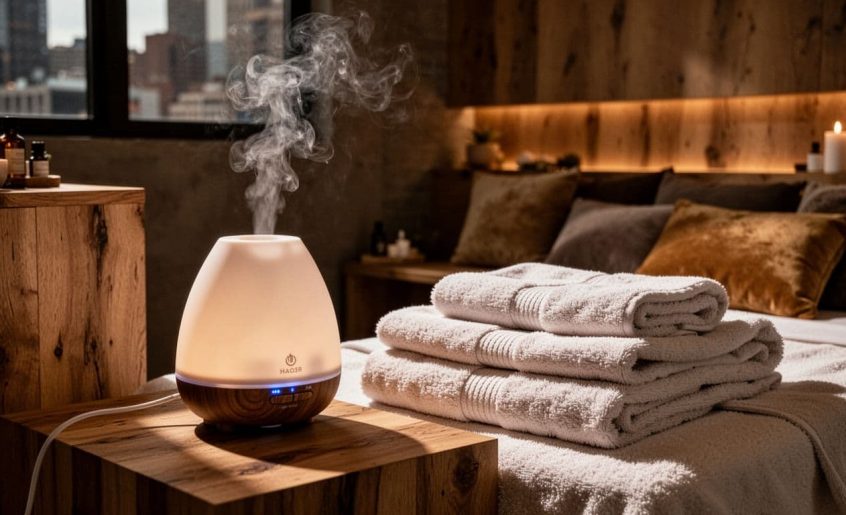
Outside, Kilimani moves to the rhythm of traffic, phone calls, and footsteps along busy streets. Inside a massage room, warm lighting, soft music, and the gentle scent of lavender or eucalyptus create a calmer setting where your shoulders can finally loosen.
Aromatherapy massage in Kilimani combines soothing massage techniques with carefully chosen essential oils. The oils can add a pleasant sensory experience while the massage helps ease everyday muscle tension, although it shouldn’t be treated as a cure for a medical condition. Prices vary by spa, session length, and setting, with local listings ranging from about KES 3,000 for a one-hour massage to KES 7,500 to KES 10,500 for select 60- or 90-minute aromatherapy sessions.
This guide will help you compare the potential benefits, understand what happens during a session, choose a safe spa, review local options and prices, ask the right booking questions, and care for yourself afterward. First, let’s look at what aromatherapy massage involves and why it appeals to so many people seeking a restorative break in Kilimani.
What Makes Aromatherapy Massage in Kilimani Different?
Aromatherapy Massage in Kilimani combines hands-on massage, essential oil scents, and a calm spa setting into one sensory experience. The therapist may use light to medium pressure, depending on your comfort, the chosen technique, and your body’s needs. The goal is usually relaxation and general well-being, not treatment for a diagnosed medical condition.
Before the massage begins, the therapist may ask about your preferred pressure, scent preferences, allergies, and any areas that feel tense. Essential oils are usually diluted in a carrier oil, such as coconut, jojoba, or sweet almond oil, before they touch the skin. Some spas use a diffuser, scented towels, or a few drops in the room instead.
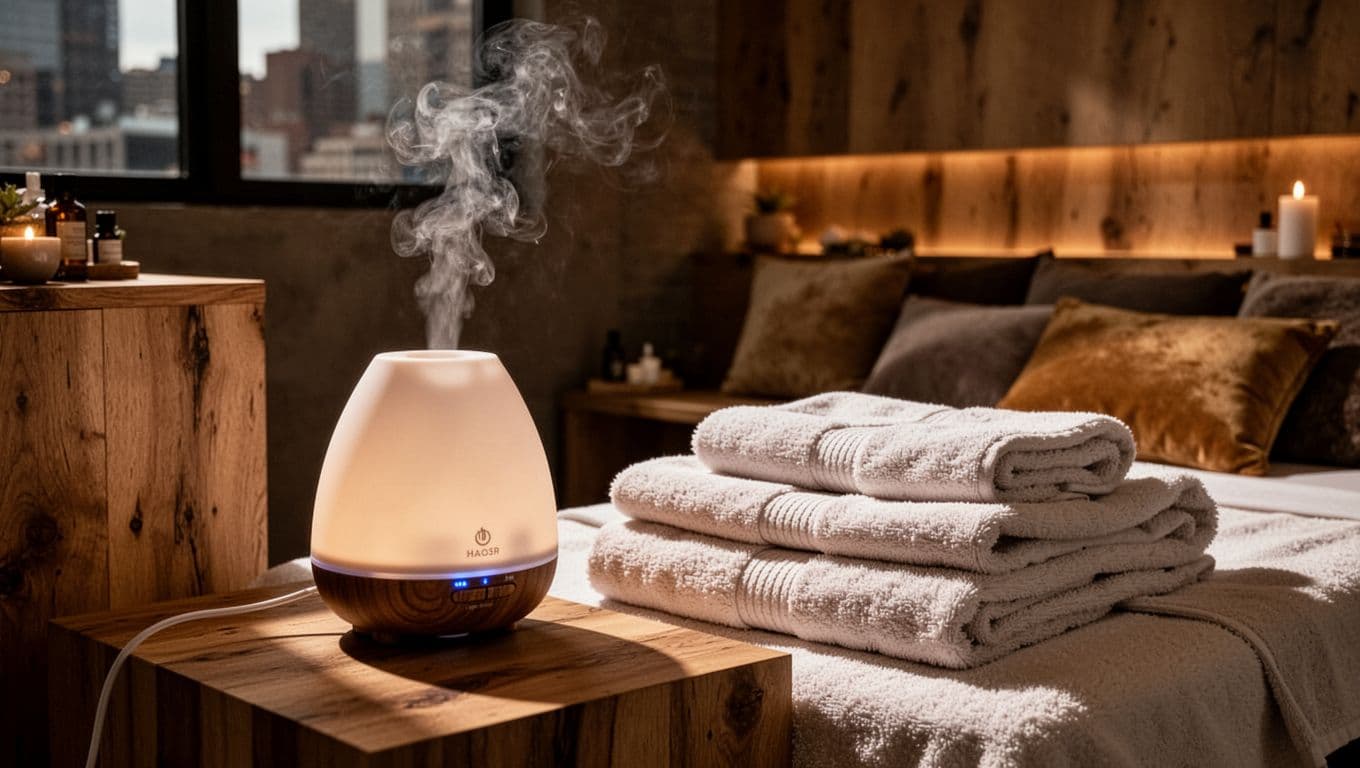 The setting also shapes the experience. Warm lighting, quiet music, fresh linens, and a comfortable room can help you shift attention away from traffic, messages, and work. Research on aromatherapy remains mixed, so scent should be treated as a personal comfort feature rather than a guaranteed health solution. Johns Hopkins Medicine’s overview of aromatherapy also points out that study results vary.
How Essential Oils Shape the Massage Experience
Scent can affect how a massage feels before the therapist even begins. A familiar aroma may help you settle into the room, while an unpleasant one can make relaxation harder. Your response depends on personal memories, sensitivities, culture, and even your mood that day.
Lavender is a common choice because it has a soft, gentle scent that many people associate with rest. Peppermint creates a fresh, cooling impression, while eucalyptus has a sharper herbal aroma. Citrus oils, such as orange or bergamot, can make the room feel bright and lively. These descriptions explain the atmosphere each scent may create, not guaranteed medical effects.
Some therapists offer a single oil, while others prepare a blend. You might prefer lavender for a quiet evening appointment, peppermint after a long day in the heat, or a citrus scent when you want the room to feel lighter. However, you don’t need to choose the most popular oil. The best option is the one you can comfortably breathe and enjoy.
Tell your therapist what you like before the session starts. Mention scents you dislike, asthma or fragrance sensitivity, skin allergies, pregnancy, and any previous reaction to oils. You can also ask whether the oil will be applied to your skin or used only in a diffuser. If the aroma becomes too strong, ask the therapist to reduce it or stop using it.
The scent is part of the service, so you should have a say in how strong it feels.
Massage adds another layer to the experience. Slow strokes and steady pressure can make the chosen aroma feel more connected to the body, while a quiet room gives your attention fewer distractions. Still, individual reactions vary. One person’s relaxing lavender blend may feel too heavy to someone else, and peppermint may feel refreshing to one client but overpowering to another.
The Main Benefits People Look For
Most people book aromatherapy massage in Kilimani for a restorative pause rather than a medical result. The combination of touch, scent, and uninterrupted time can support a stronger sense of calm after a demanding day.
Common practical reasons for choosing the treatment include:
- Relaxing in a quiet space away from traffic, screens, and phone alerts.
- Easing temporary muscle tension caused by desk work, travel, exercise, or daily routines.
- Becoming more aware of areas where you hold tension, such as the jaw, neck, shoulders, or lower back.
- Enjoying a soothing ritual that helps you slow down before returning to work or heading home.
- Creating a comfortable break when stress has made it difficult to focus or rest.
The massage may leave your muscles feeling looser for a while, especially when the therapist matches the pressure to your preference. Light pressure can feel gentle and calming, while moderate pressure may suit someone who wants more focused work. A firmer approach isn’t automatically better, particularly if your body feels tired or sensitive.
Your results can also change according to sleep, stress levels, general health, oil choice, and personal expectations. A session after a poor night’s sleep may feel different from one after a relaxed weekend. For a fair comparison, consider how you feel before and after the appointment instead of judging the service by pressure alone.
Massage may support comfort and well-being, but it shouldn’t replace medical care. Seek advice from a qualified health professional for persistent pain, injury, swelling, numbness, skin problems, or symptoms that concern you. A reputable spa should also welcome questions about pressure, products, sanitation, and therapist training. The American Massage Therapy Association’s discussion of massage and aromatherapy provides further context on combining the two practices.
Aromatherapy Massage Versus Swedish and Deep Tissue Massage
The main difference is the experience you want to prioritize. Aromatherapy massage focuses on scent and relaxation, while Swedish and deep tissue describe massage approaches based mainly on movement and pressure.
| Massage style | Main focus | Typical pressure | May suit you if you want |
|---|---|---|---|
| Aromatherapy massage | Essential oils, scent, and relaxation | Light to medium, depending on the session | A calming sensory experience |
| Swedish massage | Flowing strokes and general muscle relaxation | Light to moderate | Smooth, full-body massage |
| Deep tissue massage | More focused work on deeper tension | Firm or intense in some areas | Stronger pressure on specific tight areas |
Swedish massage often uses long, flowing strokes, kneading, and rhythmic movements. It can feel balanced and easy to follow, especially during a first massage. Deep tissue massage usually concentrates on areas of persistent tension and may involve slower, firmer pressure. That approach can feel intense, so clear communication matters throughout the session.
A spa may combine aromatherapy oils with Swedish-style techniques. In that case, the massage is still aromatherapy-focused because scent forms part of the experience, while the hands-on work follows a Swedish approach. Another spa may offer a more targeted session with essential oils, but the menu should explain the difference.
Choose according to your goal, pain tolerance, and comfort level. If you want quiet relaxation and pleasant fragrance, aromatherapy may suit you. Swedish massage may be a better fit for flowing, moderate-pressure work. If you prefer firm attention on particular areas, ask whether deep tissue massage is appropriate. No single style is best for everyone, and you can request adjustments before and during your appointment.
What Happens During an Aromatherapy Massage Session?
An aromatherapy massage in Kilimani usually follows a simple sequence: arrival, consultation, oil selection, massage, and aftercare. The exact routine differs between spas, so treat the details below as a useful guide rather than a fixed promise.
Your therapist should explain what will happen before the massage begins. You should also feel comfortable asking questions, changing your mind about an oil, or requesting less pressure at any point.
Before You Arrive at a Kilimani Spa
Give yourself enough travel time to reach the appointment without rushing. Traffic, parking, and finding the correct entrance can take longer than expected, especially when a spa operates inside a residential or mixed-use building. Confirm the building name, floor, landmark, entrance, and phone number before leaving.
 Eat lightly before your appointment rather than arriving very full. A heavy meal can make lying on your stomach uncomfortable. You don’t need to fast, though. A small meal or snack several hours beforehand may help you feel settled throughout a 60- or 90-minute session.
Wear loose, comfortable clothing that is easy to change in and out of. Afterward, soft clothing can feel better than tight jeans or restrictive workwear, especially if the therapist applies oil to your skin. Viva Day Spa’s massage preparation advice also recommends loose, soft clothing for comfort before and after treatment.
Share important health information during booking or on arrival. Tell the spa about:
- Skin allergies, fragrance sensitivity, or a previous reaction to essential oils.
- Asthma or breathing sensitivity.
- Pregnancy, epilepsy, heart conditions, or other health concerns.
- Recent injuries, surgery, swelling, numbness, or areas that hurt.
- Medication or medical advice that may affect massage pressure.
A therapist may need to avoid certain oils or body areas. In some cases, you may need medical guidance before booking. Essential oils should be diluted in a carrier oil before skin application, and a sensitive client can ask for a small skin test first.
Before confirming your appointment, ask practical questions about the service. Does the treatment include a consultation? Will you have a private room? Is a shower available? Can you choose the carrier oil or essential oil? Does the spa offer parking, and is the listed price final?
These details matter because spas in Kilimani don’t all follow the same routine. One provider may use oil directly on the skin, while another may use a diffuser or scented towel. Some locations include a short consultation in the appointment, while others expect you to arrive ready for treatment.
Choosing the Oil, Pressure, and Treatment Focus
The consultation helps the therapist shape the session around your needs. You may be asked whether you want relaxation, muscle recovery, stress relief, or focused work on areas such as the neck and shoulders. The therapist may also ask about your preferred scent, pressure level, sleep, and current tension.
Oil choice should be based on comfort, not popularity. Lavender often has a soft, calming scent. Eucalyptus smells sharper and more herbal, while citrus oils can feel bright and fresh. These impressions vary from person to person, so smell the options before choosing whenever possible.
You can use clear phrases such as:
- “Please use light pressure on my lower back.”
- “Medium pressure is comfortable on my shoulders, but not on my legs.”
- “Could you test the oil on a small area first?”
- “The scent feels too strong. Please reduce it or stop using it.”
- “Please avoid my injured knee.”
A good therapist won’t treat these requests as interruptions. They are useful information that helps protect your comfort and skin. If you feel pain, burning, dizziness, nausea, or breathing difficulty, speak up immediately.
Consent should guide the entire session. You can decline an oil, ask to skip an area, or pause the massage. The therapist should also explain any change in the treatment before making it. For example, if you booked a general aromatherapy massage but want extra attention on your shoulders, discuss that before the work begins.
How to Stay Comfortable During the Massage
After the consultation, the therapist normally leaves the room while you change to your comfort level. You then lie on the massage table under a clean sheet or towel. The therapist exposes only the area being treated and keeps the rest of your body covered. This process is called draping, and it should protect your privacy throughout the appointment.
You don’t need to undress beyond what feels comfortable. If you prefer to keep certain clothing on, tell the therapist before the massage starts. A professional spa should respect that choice without pressure.
Room comfort also affects the session. Ask for an adjustment if the temperature feels too warm or too cool. You can request quieter music, a lower scent level, a different pillow position, or a change in pressure. Quiet conversation is optional. Some clients prefer to chat briefly, while others want silence and rest.
Unwanted contact or pressure to purchase extra services has no place in a professional massage. You can refuse an upgrade, add-on, or product recommendation without explaining yourself. If a therapist ignores a clear boundary, end the session and report the concern to management.
You don’t have to tolerate discomfort to prove that a massage is working. Clear feedback is part of a well-run session.
Simple Aftercare for Longer-Lasting Relaxation
When the massage ends, rise slowly and take a moment before standing. You may feel relaxed, light-headed, or slightly unsteady after lying still. Drink water according to normal thirst, then leave enough time to travel without rushing.
If your muscles feel tender, avoid intense exercise for the rest of the day. Gentle movement is usually more comfortable than immediately returning to strenuous training. Ask the spa when to shower, because aftercare advice varies with the oil blend. Some therapists recommend leaving the oil on for a few hours, while others are comfortable with an earlier shower.
Mild tenderness can occur after massage, especially when the therapist works on tight areas. Strong pain, a spreading rash, facial swelling, breathing trouble, severe dizziness, or another concerning symptom needs prompt medical attention. Contact a qualified health professional rather than booking another massage to manage the reaction.
Before leaving, note what worked well. Record the oil, pressure, treatment length, and areas that received attention. That small record makes your next aromatherapy massage in Kilimani more personal and easier to plan.
Kilimani Love Massage Spa and Other Local Aromatherapy Options
Kilimani has several spa listings, but their menus, prices, hours, and booking arrangements can change. Treat each name below as a local lead to investigate, not as a guaranteed recommendation. Before you travel, confirm that the provider currently offers aromatherapy massage and can meet your expectations for privacy, pressure, oils, and session length.
Kilimani Love Massage Spa: Location and Booking Checks
Kilimani Love Massage Spa appears to be listed at Jade Residency on Kindaruma Road, Kilimani, Nairobi. Its published hours show 8 a.m. to 6 p.m. on weekdays and 12 a.m. to 5 p.m. on Saturday. The Saturday midnight opening time looks unusual and may be a website listing error, so confirm it directly before making the trip.
The listing does not by itself confirm that aromatherapy massage remains on the current menu. Ask whether the service is available on your chosen date, which essential oils the therapist uses, and whether the oil is applied to the skin or placed in a diffuser. You should also ask if the treatment follows a Swedish-style routine, uses targeted pressure, or focuses mainly on relaxation.
Before booking, clarify the details that can affect both comfort and cost:
- Whether appointments are required or walk-ins are accepted.
- Whether 60-minute and 90-minute sessions are available.
- The current price for each session length.
- Whether essential oils, a shower, or other add-ons cost extra.
- The exact entrance at Jade Residency and available parking.
- The correct Saturday opening time.
A quick phone or message check can prevent a wasted journey, especially if you plan to arrive early on Saturday. Ask the spa to confirm the appointment time in writing, then repeat any allergies, fragrance sensitivity, pregnancy, injury, or pressure concerns when you arrive.
 ### Aroma Spa & Massage at Jade Residency
Aroma Spa & Massage is another reported option at Jade Residency on Kindaruma Road. The business lists Nairobi massage services and presents its Kilimani location as available 24/7. Those details are useful for readers with late appointments, but current hours still need confirmation because online listings can change.
The available contact details to verify are +254791976318 and booking@aromaspa.co.ke. Use those details to ask whether aromatherapy massage is currently offered at the Kilimani location, rather than assuming every massage listing includes essential oils. The spa’s online information also mentions massage services such as Swedish and deep tissue treatments, so ask which technique forms the base of the aromatherapy session.
You can make the inquiry more useful by asking:
- What session lengths are available?
- What is the current price for each option?
- Which oils or scent blends can clients choose?
- Are the oils diluted in a carrier oil?
- Is the therapist available at the requested time?
- Does the 24/7 claim apply to scheduled appointments or walk-ins?
Aromatherapy massage should feel personal, not rushed. If a strong fragrance gives you a headache or irritates your breathing, request a lighter scent or a massage without essential oils. Confirm the booking address, entrance, and cancellation terms before leaving home. Aroma Spa’s Kilimani massage information can provide a starting point, but direct confirmation remains the safest approach.
Kilimani Massage Spa on Rose Avenue
A reported Aromatherapy Massage listing at Kilimani Massage Spa on Rose Avenue includes 60-minute and 90-minute sessions. Published or reported prices fall around KES 7,500 to KES 10,500, although those rates may change with promotions, therapist availability, service updates, or the treatment selected.
Price alone doesn’t tell you what the appointment includes. Ask whether the quoted amount covers the full session, consultation, essential oils, access to a shower, and any taxes or booking fees. You should also confirm whether the 90 minutes refers to hands-on massage time or includes changing and consultation.
Pressure matters just as much as duration. A light-pressure massage may feel soothing when you want rest, while medium pressure can suit general shoulder or back tension. Firm pressure requires more careful communication, particularly if you have an injury, sensitive skin, or little massage experience. Ask whether you can request light, medium, or firm pressure for different parts of the body.
If you prefer a particular scent, ask whether you may smell the oils before the session begins. Also check whether the therapist can use a neutral carrier oil if you dislike fragrance. A clear conversation about price, pressure, oil, and timing helps you compare this Rose Avenue listing fairly with providers near Kindaruma Road.
Other Spas to Compare Around Kindaruma Road and Kilimani
Other reported local leads include All Queens Wellness Spa on Kindaruma Road, Happiness Spa Kilimani, and Kilimani Haven Massage Spa. All Queens lists aromatherapy among several treatments and reports 24-hour service. Happiness Spa Kilimani also reports always-open or 24/7 availability. These claims describe published listings, not a guarantee that a therapist or room will be available at any hour.
Kilimani Haven Massage Spa is another name to check when comparing nearby options, but don’t assume that its massage menu, prices, or hours match the other providers. For every spa, verify the exact address and current treatment menu before paying a deposit.
Your booking questions should cover more than the scent of the oil. Confirm therapist availability, privacy arrangements, clean linens, draping practices, and whether the appointment takes place at the spa or through an outcall service. If outcall massage is offered, ask how the therapist is identified and what equipment or setup you need to provide.
Also ask about accepted payment methods, deposits, cancellation rules, late arrivals, and refunds. A provider that gives clear answers makes comparison easier. Once you have confirmed the service, price, address, and hours, choose the appointment that fits your comfort and practical needs rather than relying on a listing alone.
How Much Does an Aromatherapy Massage Cost in Kilimani?
An aromatherapy massage in Kilimani usually costs about KES 3,500 to KES 10,500, depending on the spa, session length, therapist, location, and extras. Some local listings show lower rates near KES 3,000, while premium or hotel-based providers may charge more.
For a concrete Kilimani reference, Kilimani Massage Spa on Rose Avenue lists aromatherapy sessions at around KES 7,500 to KES 10,500 for 60 or 90 minutes. That range applies to the listed provider, not every spa in Kilimani. Other Nairobi examples include 60-minute treatments around KES 4,000 to KES 6,300, so comparing the full service matters more than comparing one headline price.
 ### What Usually Changes the Final Price?
Session length has the clearest effect. A 60-minute appointment costs less than a 90-minute session, but check what the time includes. Some spas count only hands-on massage time. Others include consultation, changing, and settling into the room within the booking period.
Premium oils can also raise the price. A basic blend may use a standard carrier oil and one common scent, such as lavender or eucalyptus. A higher-priced treatment may offer several blends, organic ingredients, a custom scent consultation, or a skin test before application. Ask whether essential oils are diluted and whether you can choose a fragrance-free carrier oil.
The setting changes the quote as well. A spa inside a residential building may charge less than a hotel wellness center with upgraded facilities, reception staff, showers, and relaxation areas. Home and hotel visits usually cost more because the therapist spends time traveling and may bring a portable table, linens, oils, and other supplies.
Scheduling can affect the total too. Weekend appointments, public holidays, early-morning bookings, and late-night visits may carry a surcharge. A provider that advertises 24-hour service may still apply different rates outside standard daytime hours. Confirm the price for your exact date and time rather than relying on a general menu.
Couples sessions may be priced per person or as a package. Ask whether two therapists will work at the same time and whether the room can accommodate both clients privately. Add-ons, such as a foot scrub, scalp massage, hot towels, shower access, or extended treatment, may appear separately on the final bill.
Therapist specialization is another factor. A therapist with advanced training, strong experience with sensitive skin, pregnancy massage, sports recovery, or customized pressure may charge more. That higher rate can reflect skill and time, but it doesn’t guarantee a better experience for every client.
A lower price isn’t automatically better, and a higher price doesn’t guarantee better service. Cleanliness, communication, privacy, and safe oil handling still matter at every price point. Before confirming, request the full price in writing, including fees, transport, add-ons, taxes, and the deposit.
Questions to Ask Before You Pay a Deposit
A short message can prevent an unpleasant surprise at the spa. Before sending money, ask:
- What is the total cost for the exact session I want?
- How much is the deposit, and is it refundable or transferable?
- Which payment methods do you accept?
- Is the appointment 60 or 90 minutes of hands-on massage?
- Which essential oils and carrier oils do you use?
- Can I choose a different oil or request no fragrance?
- Which therapist is available, and what experience do they have?
- What happens if I arrive late?
- How much notice is required to cancel or reschedule?
- Will the treatment take place in a private room?
Also ask whether the quoted amount covers the consultation, towels, shower use, and any requested add-ons. If you are booking a home or hotel visit, confirm the travel fee and the exact arrival window.
Keep your messages, payment receipt, confirmed time, address, therapist name, and price details. A screenshot or written booking summary can reduce confusion when you arrive, especially if the online listing and the latest message show different rates.
How to Compare Value, Not Just the Cheapest Rate
Price is only one part of the experience. A good-value aromatherapy massage should feel comfortable before, during, and after the appointment. Look for clear directions, prompt replies, clean linens, a tidy room, and a therapist who explains the treatment without rushing you.
The consultation deserves attention. A therapist should ask about allergies, fragrance sensitivity, pregnancy, injuries, pressure preferences, and areas to avoid. You should be able to smell the oil first or request a small skin test. Safe handling matters because essential oils are concentrated and can irritate skin when used incorrectly.
Convenient access also has value. A nearby spa with reliable parking, clear building instructions, and a calm private room may suit you better than a cheaper option that creates stress before the massage. For repeat visits, consistency matters too. Can the spa remember your preferred scent and pressure? Does the therapist adjust the session when your body feels different?
Comfort includes draping, room temperature, music, privacy, and the freedom to speak up. Professional conduct matters just as much. You should never feel pressured into an upgrade, an extra service, or a treatment area you didn’t approve.
When comparing two quotes, write down what each one includes. A KES 5,000 session may be better value than a KES 7,500 session if both offer the same duration, oils, privacy, and therapist experience. On the other hand, a higher rate may make sense when it includes a longer hands-on session, a specialized therapist, or a hotel setting you genuinely prefer.
The best choice is the price you understand and feel comfortable paying for a safe, pleasant, repeatable experience.
How to Choose a Safe, Professional Aromatherapy Massage in Kilimani
Choosing an aromatherapy massage in Kilimani involves more than comparing prices and scent menus. Look at the room, the therapist’s communication, the oil information, the booking process, and your own health needs. A polished website can attract attention, but your comfort and safety depend on what happens when you arrive.
A reliable provider answers questions clearly before payment, checks relevant health information, and gives you control throughout the appointment. Use the following points as a practical decision framework before settling onto the massage table.
Check the Spa’s Hygiene and Professional Standards
A well-run spa usually looks orderly before the massage begins. Fresh linens should be ready for each client, treatment surfaces should be clean, floors should be tidy, and used towels should not sit in the room. Watch whether the therapist washes or sanitizes their hands before touching you. Secure storage for clothing and personal items also shows that the spa has planned for client privacy.
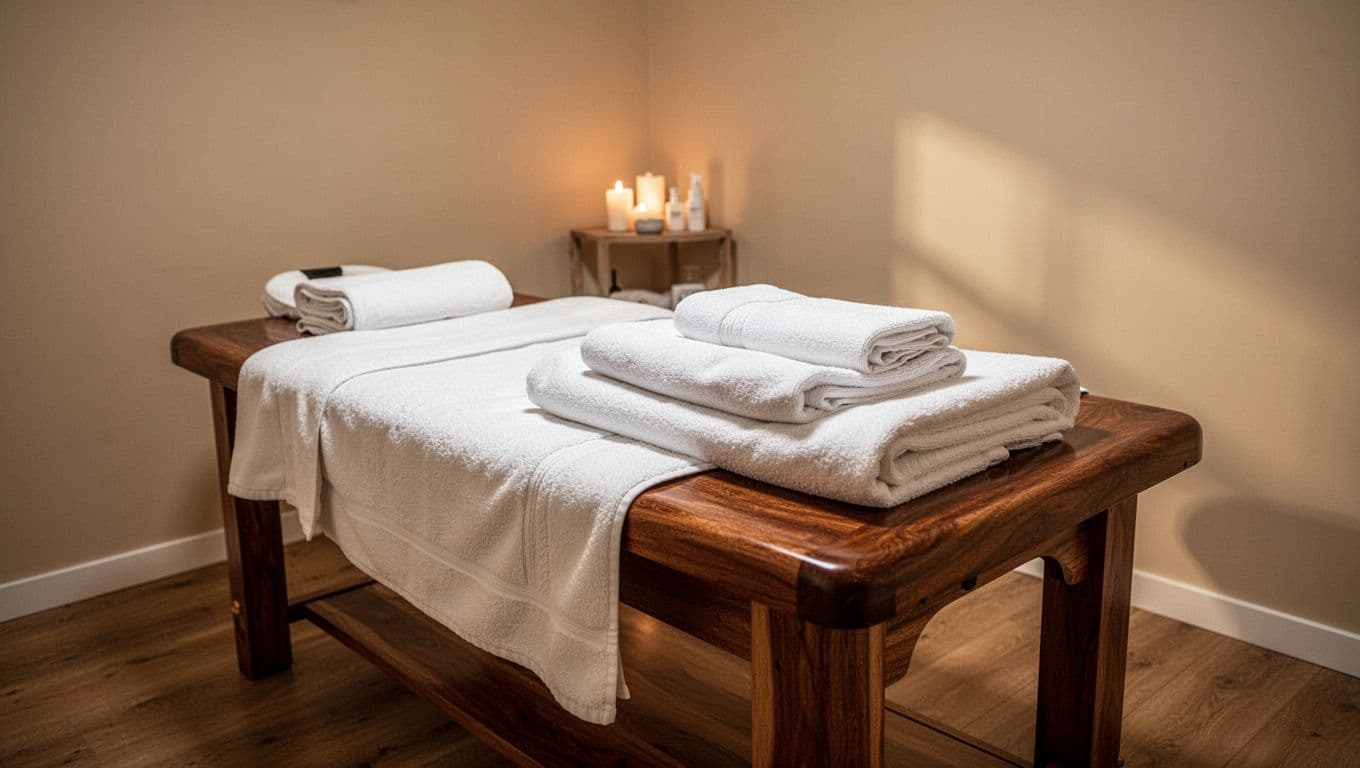 The room should feel private, comfortable, and properly ventilated. Clear service information matters too. The menu should state the treatment length, price, massage style, and whether essential oils are applied to the skin or used through a diffuser. Ask who will provide the treatment and whether the therapist has relevant training.
Essential oils are concentrated substances, not ordinary perfumes. A professional should store them in closed, labeled containers away from heat, direct sunlight, children, and open flames. Oils applied to skin should be diluted in a carrier oil, never used undiluted. You can ask what carrier oil and essential oil blend the therapist plans to use.
Clean linens are visible, but safe oil handling and hand hygiene matter just as much.
Leave if the room feels dirty, the therapist appears rushed, supplies look poorly stored, or the spa gives vague answers about ingredients. You also have a good reason to walk away if the advertised service differs from what staff describe in person. A relaxing atmosphere cannot make up for unsafe or misleading practices.
Know When to Modify or Skip Essential Oils
Natural does not mean risk-free. Essential oils can irritate skin, trigger contact allergies, worsen breathing symptoms, or create an unpleasant reaction. A previous reaction to lavender, citrus, eucalyptus, peppermint, or another fragrance deserves serious attention. Research on aroma massage also advises caution for people with a history of contact skin allergies, as noted in this published aroma massage safety study.
Tell the spa about allergies, asthma, pregnancy, migraines, eczema, psoriasis, very sensitive skin, epilepsy, recent surgery, blood-thinning medication, bleeding disorders, uncontrolled high blood pressure, and any other health concern. Mention prescription and over-the-counter medications when relevant. Some oils may be unsuitable during pregnancy, with seizure disorders, or alongside medicines that affect bleeding.
People with medical conditions should ask a doctor or qualified clinician before booking. You may need to avoid massage altogether for a period after surgery or choose a modified treatment. A clinician can also advise whether scent exposure, skin application, or certain pressure levels are appropriate for you.
If the spa recommends it, request a patch test before the full massage. The therapist should use a small amount of the properly diluted blend and allow time to check for irritation. A patch test cannot predict every reaction, so stop the treatment if you notice burning, itching, swelling, dizziness, nausea, headache, or breathing difficulty.
You can also request an unscented massage. The therapist may use a plain carrier oil, a fragrance-free product, or no topical oil, depending on the technique. If a provider insists that essential oils are required, choose another spa.
Look for Clear Consent and Respectful Boundaries
Professional consent begins before the first stroke. The therapist should explain the service, confirm the areas you want treated, ask about pressure, and discuss any body parts you want avoided. You should know whether the appointment includes a full-body massage, focused work, scalp treatment, foot work, or any additional service.
Proper draping protects your privacy. The therapist should leave the room while you change, keep you covered, and expose only the area being treated. You can remain partially dressed if that makes you more comfortable. No one should pressure you to remove clothing or accept contact you did not approve.
During the massage, speak plainly when something feels wrong. Say, “Please use less pressure,” “Stop there,” or “I want to end the session.” A professional therapist stops and listens without arguing. You can change your mind about an oil, scent, treatment area, or session length at any point.
Be cautious if staff are vague about what the service includes, dismiss reasonable questions, push unwanted add-ons, or make personal comments that leave you uneasy. The same applies if the therapist ignores a request, repeatedly crosses a boundary, or creates pressure to book extra services. Your discomfort is enough reason to pause or leave.
Use Reviews and Photos Without Treating Them as Proof
Reviews can help you spot patterns, but they should not replace your own questions. Read several recent comments and look for repeated details about cleanliness, punctuality, communication, pressure, privacy, and booking accuracy. One complaint may reflect an isolated problem, while the same concern across multiple reviews deserves attention.
Photos can show the general style of a location, yet they may be old, selectively chosen, or taken before a change in ownership. A bright reception photo does not prove that treatment rooms have fresh linens or that therapists follow good hygiene practices. Reviews can also be difficult to verify, especially when they provide little detail.
Confirm important information directly with the spa. Ask whether the listed hours are current, whether aromatherapy massage is available on your chosen date, and whether the displayed price covers the full session. Check the address, entrance, therapist availability, deposit terms, and cancellation policy as well.
When a listing shows conflicting hours or an incomplete service menu, treat that as a booking issue rather than guessing. Request written confirmation by text or email, then keep the appointment details and payment receipt. A provider that communicates clearly before your visit is easier to trust when you arrive.
Plan a Relaxing Kilimani Massage Visit That Fits Your Day
A good massage appointment should leave room for calm before and after the treatment. When you plan around traffic, work, energy levels, and travel time, your visit feels like self-care rather than another task on a crowded schedule.
Residents can often choose a quieter weekday slot, while office workers may prefer a mid-week evening or a late-morning appointment. Visitors and couples should book ahead, especially for Fridays and weekends, when popular time slots may fill quickly. Massage can support general comfort and relaxation, but it doesn’t replace medical care. The National Center for Complementary and Integrative Health’s massage guidance also recommends discussing massage with a health professional when you have medical concerns.
Choose the Right Session Length and Time
A 60-minute aromatherapy massage works well when you need a focused reset. It gives the therapist enough time to work through selected areas, such as the neck, shoulders, back, or legs, without taking up most of your day. This option may suit an office worker between commitments or a first-time client who wants to try the experience without making a longer booking.
A 90-minute session gives the appointment a slower rhythm. The therapist can spend more time on a full-body treatment, adjust pressure gradually, and return to areas that need extra attention. Couples may also prefer longer appointments when they want the massage to feel like the main event of a relaxed afternoon.
| Session length | Best suited to | Planning note |
|---|---|---|
| 60 minutes | A focused reset or first visit | Choose key areas and arrive prepared |
| 90 minutes | A fuller, slower treatment | Allow more time for travel and recovery afterward |
Ask whether the listed time means hands-on massage only or includes changing, consultation, and settling into the room. This detail can affect the value of a 60-minute booking. Arriving about 10 minutes early gives you time to find the entrance, use the restroom, complete intake questions, and choose your oil without reducing treatment time.
Build a buffer after the massage too. You may want to sit for a few minutes, drink water, change clothes, and travel home without checking the clock. If you are booking after work, avoid placing the appointment immediately before an important meeting or long drive.
Your best time depends on the day you are having. Heavy traffic may make a nearby spa more practical than a cheaper location across town. If you feel drained after work, a gentle evening session may suit you. If you wake up refreshed, a late-morning appointment can become the first part of a broader self-care day with lunch, a walk, or quiet time at home.
 ### What to Bring and What to Confirm
A little preparation prevents avoidable stress, especially when the spa operates inside a residential or mixed-use building. Save your booking confirmation and the spa’s phone number before leaving home. Keep a payment method available, even if you already paid a deposit.
Bring comfortable clothing that won’t feel restrictive after the massage. Loose pants, a soft shirt, and easy-to-remove shoes are usually more practical than tight workwear. If you have allergies, fragrance sensitivity, asthma, pregnancy-related concerns, or a previous reaction to essential oils, share that information during booking and again at the spa.
Before you travel, confirm:
- The building name, street, floor, entrance, and nearest landmark.
- Whether reception requires identification, a visitor call, or access approval.
- Parking availability, ride-hailing access, and the safest pickup point.
- The exact treatment, available oils, session length, and total price.
- The therapist’s availability and the name of the person handling your appointment.
- Cancellation, lateness, deposit, and payment rules.
Residential buildings may have reception desks, security checks, visitor registers, elevators that require access, or entrances that differ from the address shown online. Ask for clear directions rather than assuming the driver or map pin will take you to the treatment room. If you’re visiting with a partner, confirm that the room can accommodate two clients and whether two therapists are available at the same time.
Is an In-Spa or Outcall Massage Better for You?
An in-spa appointment gives you a dedicated setting designed for treatment. The room should have a massage table, clean linens, controlled lighting, suitable temperature, and equipment that stays at the location. You also leave home for a clear purpose, which can make it easier to stop answering work messages and focus on rest.
This option often suits residents, visitors, and couples who want separation from household noise. It can also feel simpler for a first session because the provider manages the room setup, towels, oils, and cleanup.
Some Kilimani providers report offering outcall massage services across Nairobi. An outcall treatment may suit someone recovering at home, staying in a hotel, working from a private apartment, or trying to avoid traffic. However, convenience should not replace basic checks.
Before accepting an outcall booking, confirm the therapist’s identity, travel fee, arrival window, equipment, and setup requirements. Ask whether the provider brings a portable table, clean linens, oils, and towels. You should also choose a private, well-lit room and tell someone you trust when the therapist is expected.
Privacy and boundaries deserve clear discussion before the visit. Confirm the exact treatment, areas included, draping arrangements, and how you can contact the business if the therapist is late or the booking changes. If the replies are vague or the price changes after you share your address, choose an established in-spa appointment instead.
A Quick Booking Checklist for First-Time Clients
Use this short list before you confirm your aromatherapy massage in Kilimani:
- Choose your goal, such as general relaxation, shoulder tension relief, or a quiet break.
- Select 60 minutes for a focused visit or 90 minutes for a slower full-body experience.
- Ask which essential oils and carrier oils are available, and request fragrance-free oil if needed.
- Disclose allergies, pregnancy, asthma, injuries, skin conditions, medication concerns, or areas to avoid.
- Confirm the exact price, payment terms, address, building access, and treatment length.
- Check opening hours and therapist availability for your chosen day.
- Clarify pressure, draping, treatment boundaries, and whether extras cost more.
- Save the booking message, phone number, receipt, therapist name, and directions.
Aromatherapy massage may suit people who enjoy gentle or moderate pressure, pleasant scents, and uninterrupted time away from daily demands. It can be especially appealing to someone who wants a calming sensory experience rather than intense, targeted bodywork.
Choose the provider that answers clearly, respects your comfort, and matches the experience you want. That simple rule helps residents, office workers, visitors, couples, and first-time clients make a booking they can approach with confidence.
Conclusion
Aromatherapy massage in Kilimani offers a gentle way to pause, release everyday tension, and enjoy a scent-led wellness experience in Nairobi. The right combination of soothing touch, a comfortable room, and a fragrance you enjoy can turn a busy day into a calmer one, without presenting massage as a substitute for medical care.
Before booking, compare local providers and verify current hours, prices, session lengths, and treatment details. Kilimani Love Massage Spa, Aroma Spa & Massage, Kilimani Massage Spa on Rose Avenue, Happiness Spa, All Queens Wellness Spa, and Kilimani Haven Massage Spa are options to investigate and confirm, not blanket endorsements. Disclose allergies, pregnancy, asthma, injuries, skin conditions, or other health concerns, then choose a therapist who respects clear communication, draping, personal boundaries, and consent.
Choose a scent that feels comfortable, book a time that doesn’t leave you rushing, and make the session your own. A well-planned aromatherapy massage should leave you feeling cared for, heard, and more at ease.