
Kilimani Love Massage Spa: What to Expect Before Your First Visit
Arriving in Kilimani can feel like stepping out of one rhythm and into another. After traffic, street noise, messages, and a packed schedule, you may want a calm place where your body can loosen and your attention can return to the present. Kilimani Love Massage Spa is one place people may consider when they’re looking for relaxation, body care, or private time with a partner.
A first visit often feels easier when you know what to expect. The right session depends on your comfort, your reason for booking, and whether you want time alone or a shared experience, so it helps to ask clear questions before confirming an appointment. You’ll also want to prepare in a way that lets you settle in without rushing, communicate your preferences, and respect the spa’s policies and your own boundaries.
This guide will help you understand how to choose a suitable session, what to ask before booking, how to prepare for your visit, and how to enjoy the experience safely. It will also help you approach Kilimani Love Massage Spa with realistic expectations, so you can make informed choices instead of relying on assumptions about services, prices, staff, or facilities. First, let’s look at the details worth checking before you book.
What to Expect at Kilimani Love Massage Spa in Kilimani
A first visit to Kilimani Love Massage Spa should begin with clear information, not guesswork. Before you arrive, confirm the location, treatment details, price, and booking terms so you can enter the spa feeling prepared. Once you are there, a good experience should give you room to explain your preferences, ask questions, and set boundaries.
The atmosphere may help you settle, but your comfort depends just as much on communication. You should feel able to request a different pressure level, adjust the room temperature, change the music or lighting, or ask for less conversation. Confirm the spa’s current facilities and policies directly, since services and business details can change.
How the First Visit Usually Unfolds
Most first visits follow a straightforward sequence, although the exact process can vary. Knowing the usual stages helps you notice what you need and speak up before a small discomfort affects the rest of your session.
- Booking: Start by contacting the spa through its official booking channel or phone number. Share your preferred date, session length, treatment choice, and any therapist preference. Ask for the exact location details, especially if the spa is inside a building or near a recognizable Kilimani landmark.
- Arrival: Arrive early enough to find the entrance, complete any required forms, and settle your phone or personal belongings. If traffic or transport delays you, call as soon as possible. A late arrival may shorten the treatment if another appointment follows yours.
- Consultation: Before the massage begins, expect a short conversation about your goals and comfort. You can explain whether you want relaxation, attention to a tense area, lighter pressure, or a quieter session. Mention injuries, skin concerns, allergies, pregnancy, recent procedures, or health conditions that could affect the treatment. The consultation should also cover personal boundaries. You can ask what clothing is appropriate, how draping works, and which areas the therapist will avoid. A professional massage never requires you to accept an unwanted service. If anything feels unclear, ask for an explanation before you agree.
- Changing and preparing: The therapist or front desk should explain where to change and what to do with your belongings. You should receive enough privacy to prepare, and you should only remove the clothing you feel comfortable removing. Proper draping keeps the rest of your body covered during the massage.
- Massage: During the session, give feedback early rather than waiting for discomfort to build. Say, “Please use lighter pressure,” “That area is tender,” or “I would prefer less conversation.” You can also request a different room temperature, lower music, brighter or dimmer lighting, or a short pause. Your body does not need to tolerate pain to prove that the massage is working. If the pressure feels sharp, the setting feels uncomfortable, or a boundary is crossed, ask the therapist to stop. You may end the session if the situation does not improve.
- Aftercare: When the massage ends, take a moment before standing. Drink water if that suits you, notice how your body feels, and avoid rushing into a demanding activity if you feel tired or lightheaded. Ask whether the therapist has general aftercare suggestions, especially if the session focused on a sore or tense area.
- Payment: Confirm the final charge before paying. The amount should match the quoted price, including any applicable deposit, add-on, tax, or cancellation charge. Ask which payment methods the spa accepts and request a receipt if you need one.
For additional first-visit etiquette, you can review this first-time spa visit guide, while still treating the spa’s own policies as the final source for your appointment.
 ### Questions to Ask Before You Reserve a Session
A short call can prevent confusion later. Ask the questions that affect your time, budget, access, and comfort before you provide a deposit or confirm an appointment.
- What is the exact address, building name, floor, entrance, or nearby landmark?
- What are the current working hours, and how late can the spa accept appointments?
- Which treatments are currently available, and what does each session include?
- How long will the treatment last, and does the booking time include changing or consultation time?
- What is the full price, and are there separate charges for upgrades or additional services?
- Does the spa require a deposit? If so, how much and under what conditions is it refundable?
- What happens if you arrive late, need to reschedule, or cancel?
- Is parking available, and can you reach the location easily by taxi, ride-share, or public transport?
- Can you request a particular therapist, therapist gender, or a therapist with experience in your preferred treatment?
- What privacy practices apply to client information, photos, payments, and appointment records?
- Which payment methods are accepted, and will you receive a receipt?
Write down the answers if you are comparing appointment options. Most importantly, verify current details by phone or through the spa’s official booking channel. Online listings, social media posts, prices, and opening hours may not reflect recent changes.
What Makes a Spa Visit Feel Comfortable and Professional
A comfortable spa visit starts with clear communication. Staff should explain the treatment, price, timing, and basic expectations in language you understand. They should answer questions without rushing you or making you feel awkward for asking.
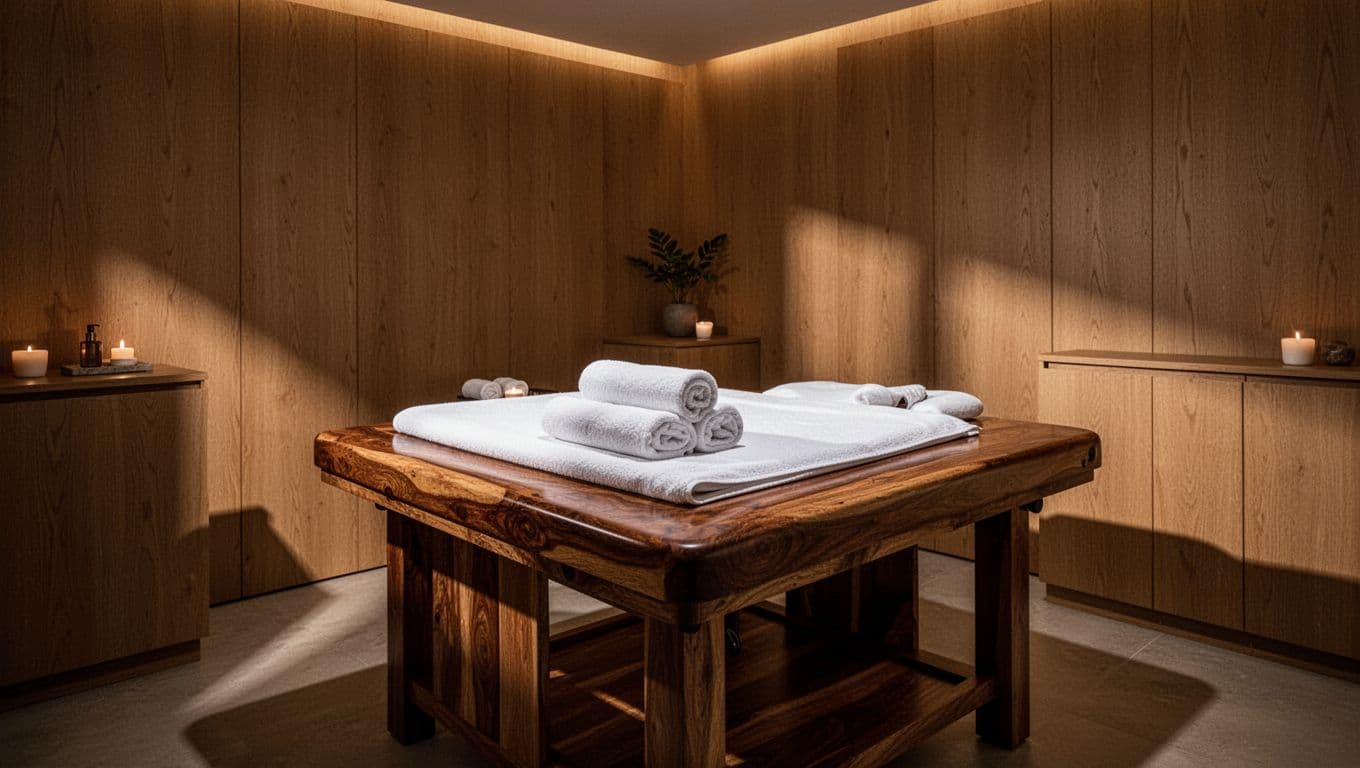
Cleanliness is another visible standard. Look for a tidy reception area, clean treatment surfaces, fresh towels, and supplies that appear ready for one client at a time. You can also ask how linens are changed between appointments if you have concerns.
Privacy should remain part of the experience. A proper treatment setup gives you time to change privately and uses respectful draping throughout the massage. The therapist should knock before entering, avoid unnecessary exposure, and explain any movement that requires your position to change.
A thoughtful intake process also matters. Questions about pressure, injuries, health conditions, sensitive areas, and treatment goals show that the therapist is tailoring the session rather than following a fixed routine. You should never feel pressured to share more personal information than the treatment requires.
Finally, watch for transparent charges and respectful boundaries. The price should be clear before treatment begins, and staff should ask for your consent before changing the agreed service. Confirm these standards directly with Kilimani Love Massage Spa, because no outside guide can verify the spa’s current procedures, staff availability, or facilities.
Choosing the Right Massage Experience for Your Needs
The best massage session starts with your reason for visiting. You may want quiet time after a demanding week, focused attention on tired muscles, better awareness of how your body feels, or a peaceful appointment with your partner. At Kilimani Love Massage Spa, explain that goal during booking and again during the consultation.
Treatment names can differ between spas, so don’t choose from a title alone. Ask what the session includes, how much time the therapist spends on each area, and whether the price covers the full appointment. Pressure should also match your comfort. Light pressure may feel gentle and calming, medium pressure can provide more noticeable contact, and firm pressure may suit some guests who prefer stronger work. However, strong pressure isn’t automatically better.
 ### Relaxation Massage for Stress and Mental Rest
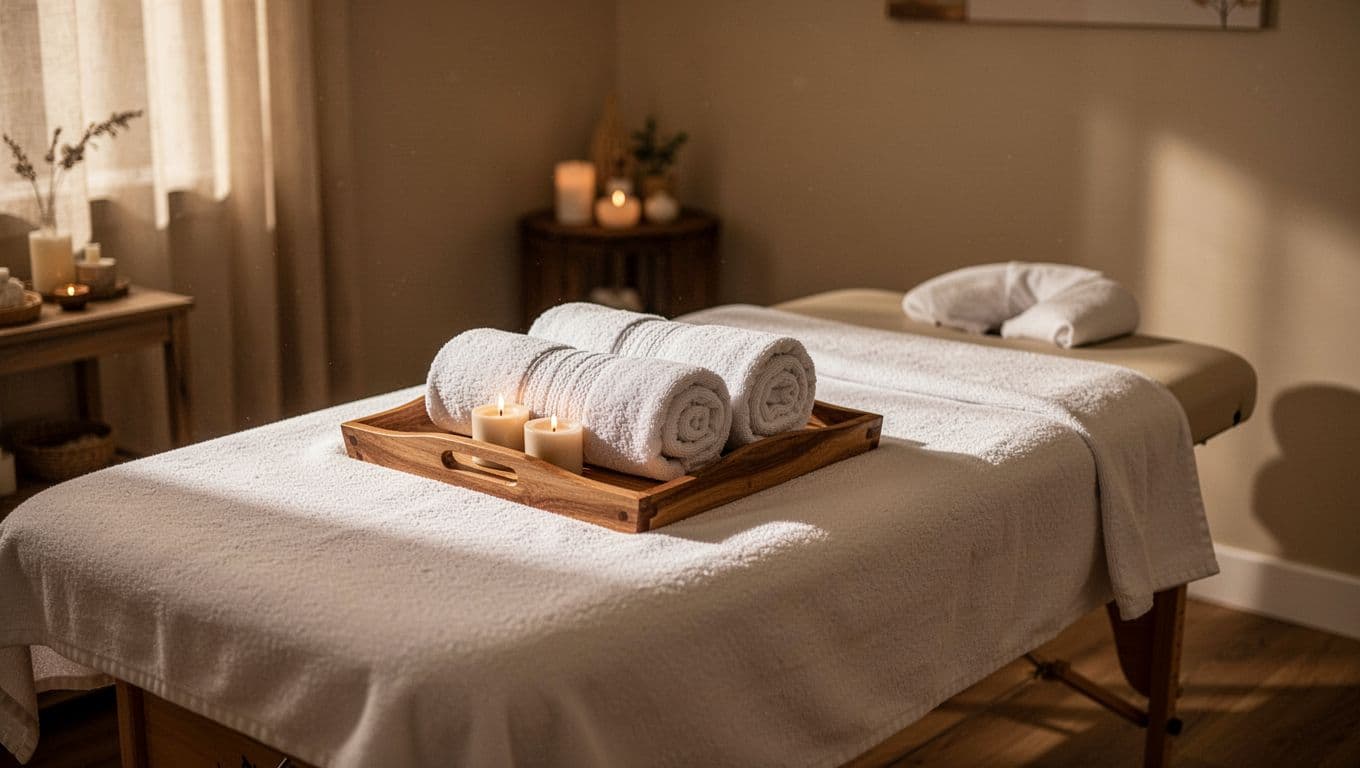
A relaxation massage usually follows a gentle, steady rhythm. The therapist may use long, flowing movements with light to medium pressure, allowing your body to settle without constant changes in pace. This option may suit you if you want quiet body care after work, travel, social activity, or a busy week.
Your breathing can help shape the session. Slow, comfortable breaths may make it easier to release tension in your shoulders, jaw, hands, and legs. You don’t need to force deep breaths or follow a strict technique. Simply let your breathing remain easy while you find a position that supports your body.
Comfortable positioning matters as much as pressure. Tell the therapist if your neck feels strained, your knees need support, or you prefer a pillow beneath your ankles. Small adjustments can prevent you from holding tension while you try to relax.
You can also request a quieter room, lower music, or less conversation. Some guests enjoy brief check-ins, while others prefer to rest without talking. Either choice is acceptable. A relaxation massage should feel calm and respectful, not rushed or demanding.
Massage may support a pleasant sense of rest, but it isn’t a treatment for anxiety, depression, or another medical condition. If you have a health concern, speak with a qualified health professional before booking. For general background on massage styles and their intended uses, see this massage therapy styles overview.
A More Focused Session for Tired or Tight Muscles
A focused massage may suit you after long hours at a desk, a demanding workout, extended standing, or repetitive movement. During the consultation, point out the areas that feel tired or tight. You might mention your shoulders, lower back, calves, hips, or one side that feels different from the other.
Describe what you notice in plain language. Say whether the area feels generally tense, tender when touched, tired after activity, or uncomfortable when you move. The therapist can then discuss how much attention the area can receive and whether the planned session fits your needs.
Useful therapeutic pressure may feel strong but controlled. You should still be able to breathe normally and communicate without bracing your entire body. Pain, sharp sensations, burning, numbness, or a feeling that you must endure the contact are signs to request less pressure or a pause.
Strong pressure is a preference, not proof of a better massage. A session should respond to your comfort instead of following a fixed routine.
Ask for lighter pressure over sensitive areas and firmer pressure only where it feels appropriate. A therapist should adjust based on your feedback, muscle response, and position throughout the session. Research on massage includes different techniques and outcomes, so general claims about what every massage can do are not reliable. You can review this massage therapy research review for a broader evidence-based discussion.
Recent injuries, swelling, numbness, skin changes, unexplained pain, or sudden symptoms need extra care. Discuss these concerns with a health professional before booking rather than asking the spa to work directly over them. Tell the therapist about any relevant advice you receive.
Couples and Shared Spa Time
A couples massage can make a spa visit feel more personal and relaxed, but confirm the details before you arrive. Ask whether couples sessions are currently offered and whether both guests receive treatment in the same room. Some spas may schedule two therapists together, while others may arrange appointments in separate rooms or at nearby times.
Appointment length also needs clarification. Ask whether the advertised time refers to the massage itself or includes consultation, changing, and payment. Then confirm whether the quoted price is per person or for the pair. A deposit, add-on, or weekend charge may also affect the final amount.
You and your partner should discuss expectations before the appointment. Agree on the type of massage, preferred pressure, conversation level, and any areas either person wants avoided. Each guest should communicate directly with the therapist and give consent for their own treatment.
Respectful behavior keeps the shared experience comfortable for everyone. A couples session is still a professional spa appointment, with clear boundaries around touch, clothing, draping, photography, and personal conduct. If you have questions about what is included, ask Kilimani Love Massage Spa before confirming the booking.
How to Choose Pressure, Music, and Conversation Preferences
Your preferences belong in the consultation, even if you’re new to massage. You can say, “I’d like light pressure today,” “Please use medium pressure on my back,” or “That area feels sensitive, so please go lighter.” If firm pressure feels uncomfortable, tell the therapist immediately.
Simple requests can improve the session:
- “Could you lower the music?”
- “I prefer less conversation while I relax.”
- “Please let me know before changing my position.”
- “Could we pause for a moment?”
- “I’d like to keep that area covered.”
- “Please avoid that product because of my skin sensitivity.”
Sharing this information is part of good communication, not a complaint. Mention allergies, fragrance sensitivities, skin irritation, recent hair removal, or discomfort with oils and lotions. You should also explain if a position causes strain or if you feel cold, exposed, dizzy, or uneasy.
The therapist may check in during the massage, but you don’t need to wait for a question. Speak up as soon as something feels wrong. A clear request gives the therapist useful direction and helps keep your experience at Kilimani Love Massage Spa within the boundaries you set.
How to Prepare for a Better Massage in Kilimani
A little preparation can make your visit to Kilimani Love Massage Spa feel calmer from the moment you arrive. Book a time that gives you room to travel through Kilimani traffic, check in, and settle your mind before the massage begins. Leave some space afterward too, especially if you plan to return to work, drive, or handle a busy evening.
Eat lightly before your appointment and drink water normally. A heavy meal may leave you uncomfortable when you lie on the massage table, while arriving thirsty can make it harder to relax. Comfortable clothing, a few honest health details, and an unhurried schedule help create better conditions for the session.
 ### What to Tell the Therapist Before the Session
The short conversation before your massage is a health and comfort check, not an interrogation. You don’t need to share private information that has no connection to your care. However, answer important questions honestly so the therapist can adjust pressure, positioning, products, and areas of focus.
Use this checklist when you book or arrive:
- Explain the reason for your visit, such as general relaxation, tired muscles, stress, or focused attention on a particular area.
- Point out areas the therapist should avoid, including sensitive spots, painful joints, bruises, swelling, or places you don’t want touched.
- Mention previous massage experiences, including techniques or pressure levels that felt helpful or uncomfortable.
- Describe your current pain level and whether the discomfort feels dull, sharp, burning, numb, constant, or linked to movement.
- Report recent injuries, falls, muscle strains, fractures, or changes in movement.
- Share details about recent surgery, injections, cosmetic procedures, hair removal, or other treatments that may affect the skin or body.
- Mention allergies, skin reactions, rashes, fragrance sensitivity, or irritation from oils and lotions.
- Tell the therapist if you’re pregnant or think you may be pregnant, especially if the massage involves different positioning.
- Explain any condition that could affect positioning or pressure, such as back problems, limited mobility, high blood pressure, diabetes, breathing difficulties, or circulation concerns.
- List relevant medication or treatment advice from your doctor, particularly when it may affect bleeding, pain, skin sensitivity, blood pressure, or movement.
You can keep the explanation brief. For example, say, “My right shoulder feels tight after desk work, but please avoid my left knee because it is recovering from an injury.” That gives the therapist useful direction without asking you to disclose unrelated personal information.
Massage is not a replacement for medical care. If you have unexplained pain, a recent operation, a serious health condition, or symptoms that are getting worse, ask a doctor whether massage is appropriate first. A therapist can adapt a session, but they can’t diagnose the cause of a new symptom or clear you for treatment.
What to Bring and What to Leave at Home
Wear clothes that feel comfortable during travel and are easy to change out of. Loose trousers, a soft shirt, or other simple clothing can make arrival and departure easier. Avoid anything that digs into your skin after the session, especially if you expect to feel relaxed or slightly tender.
Bring your booking confirmation on your phone, along with the payment method you plan to use. Keep your identification, transport details, medication, and other personal items you genuinely need for the day. If you use an inhaler, glucose supplies, or another essential health item, keep it with you rather than leaving it in a vehicle.
Remove valuable jewelry before you arrive. Rings, chains, watches, and earrings can catch on fabric, press into your skin, or become easy to misplace while you change. Leave expensive accessories and unnecessary electronics at home whenever possible.
Try not to arrive immediately after a large meal. A light snack may be more comfortable if you need food beforehand, while normal water intake helps you avoid starting the appointment thirsty. General first-visit guidance also recommends arriving early enough to check in and prepare, with 15 to 20 minutes early often suggested for a smoother arrival.
The spa may provide towels, robes, oils, showers, or changing rooms, but don’t assume every location offers the same setup. Follow Kilimani Love Massage Spa’s current instructions about what to bring, what to wear, and whether you should shower before or after treatment. Ask before booking if you have a product allergy, mobility concern, or special privacy request.
Simple Aftercare for the Rest of the Day
When the massage ends, give yourself a few quiet minutes before stepping back into traffic or work. Sit up slowly, pause at the edge of the table, and notice how your body feels before standing. If you feel lightheaded, tell the therapist and wait until you feel steady.
Move at an easy pace after leaving the spa. Drink water according to your personal needs, rather than forcing a large amount at once. If your muscles feel tender, choose gentle movement and postpone strenuous exercise, heavy lifting, or other demanding activity until your body feels ready.
Mild tenderness can occur after some techniques, especially when the therapist has worked on tight or sensitive muscles. It should not be treated as proof that the massage was effective, and increasing pain deserves attention. Rest, observe the area, and contact a health professional if the discomfort is unusual, persistent, or worsening.
Seek prompt medical attention for sharp or severe pain, serious dizziness, a spreading rash, trouble breathing, fainting, new weakness, or another alarming symptom. For more general aftercare suggestions, review these post-spa hydration tips, then follow the advice that fits your health needs. A calm transition after the appointment helps you notice the difference between normal relaxation and a symptom that needs medical care.
How to Choose a Safe and Trustworthy Massage Spa in Kilimani
Choosing a massage spa in Kilimani requires more than comparing attractive photos or picking the lowest advertised price. Look for a business that shares clear booking information, answers questions professionally, maintains clean treatment spaces, protects privacy, and respects consent at every stage.
Before booking Kilimani Love Massage Spa or another local option, compare the details that affect your comfort and safety. A polished website can create a good first impression, but your direct communication with the spa often reveals more about what to expect.
What Reliable Reviews Can and Cannot Tell You
Reviews are useful when you read them for repeated patterns, rather than treating one glowing comment or one angry complaint as the full story. Look for consistent remarks about punctual appointments, clean rooms, respectful communication, treatment quality, and whether the booking matched what the guest expected.
Pay attention to practical details. Do several guests mention that staff confirmed appointments accurately? Do people describe fresh towels, tidy rooms, and clear explanations? Do reviews repeatedly mention unexplained delays, changed prices, difficult communication, or services that differed from the original booking?
Compare reviews across more than one source. A spa’s own social media page may show its best presentation, while independent platforms may include a wider range of experiences. Reviews can still be incomplete, old, mistaken, or promotional, so use them as clues rather than proof.
A repeated pattern is more useful than a perfect rating. Look for recent, detailed feedback that describes the booking and treatment clearly.
Check the date of each review because staff, prices, opening hours, and procedures can change. Then confirm current details directly by asking about the session, therapist availability, location, payment, and cancellation terms. If the response is vague or dismissive before you book, choosing another spa may save you an uncomfortable conversation later.
Hygiene, Privacy, and Professional Boundaries
A trustworthy massage spa should maintain basic standards throughout your visit. Expect clean sheets and towels, a tidy treatment surface, clean floors, and products that appear suitable for individual use. The therapist should wash or sanitize their hands before treatment and after touching unrelated items. Guidance on personal hygiene for massage therapists also emphasizes hand hygiene before and after each massage.
You should receive a private place to change, with enough time to prepare without pressure. Appropriate draping keeps the parts of your body not being treated covered. The therapist should knock before entering, explain position changes, and avoid unnecessary exposure.
Consent applies throughout the appointment. Before working near a sensitive area, the therapist should explain what they plan to do and wait for your agreement. You can refuse an area, request more coverage, change the pressure, ask for a pause, or end the massage at any point.
A massage appointment is permission for the agreed massage only. It is not permission for sexual contact, unwanted touching, or any additional service that wasn’t clearly discussed and accepted. Professional conduct includes respectful language, appropriate touch, and no pressure to change the service after you arrive.
Leave if you feel unsafe, pressured, exposed, or ignored. You don’t need to justify your decision or finish the appointment. If serious misconduct occurs, record the date, time, messages, payment details, and other relevant facts, then report it through appropriate local authorities, public health channels, or police services.
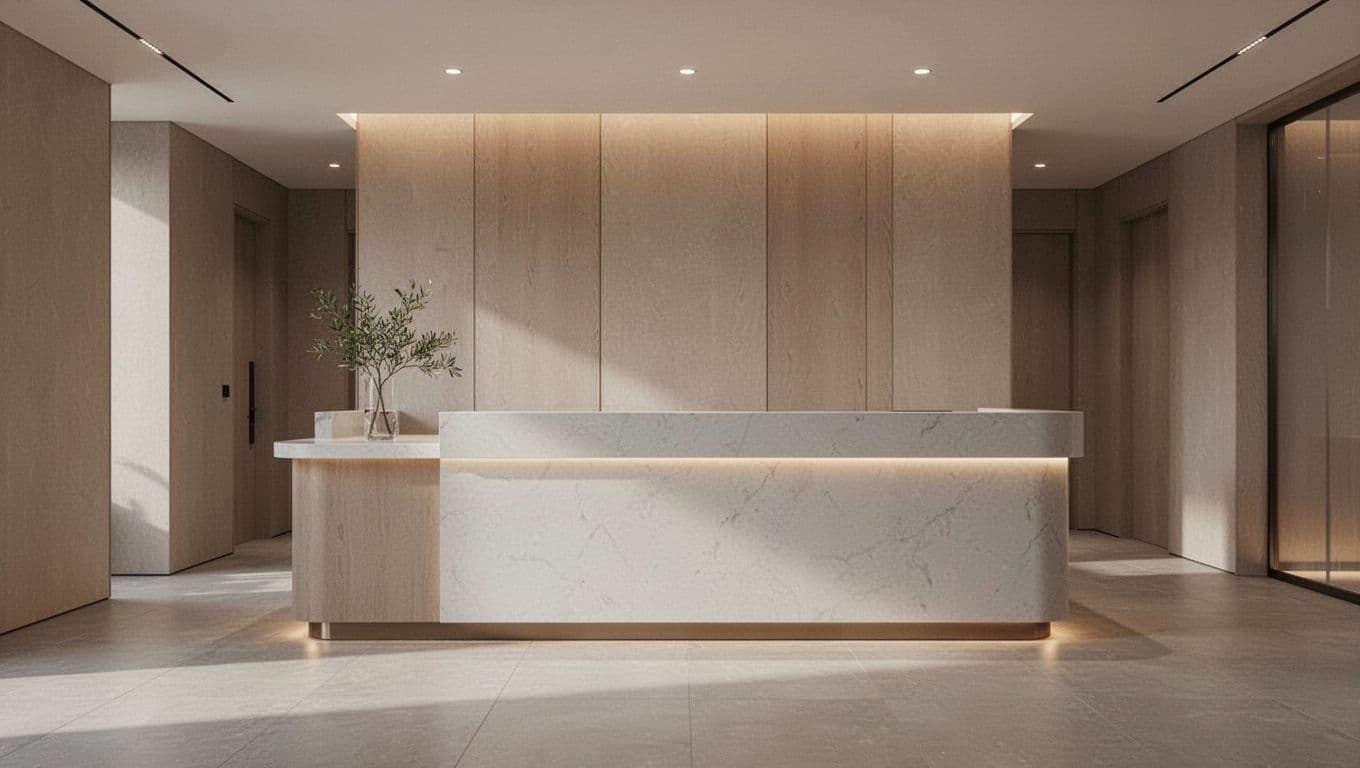 ### Price, Value, and Booking Details to Compare
The cheapest rate may not offer the best value. Compare what you receive for the total amount, including the length of the hands-on massage, treatment type, therapist experience, room arrangement, and any follow-up guidance.
Before confirming, ask for the full cost in writing. Check whether the quoted price includes:
- The exact treatment and session length.
- Consultation, changing time, or only hands-on treatment time.
- Oils, specialty products, or other add-ons.
- Deposits, taxes, service fees, or payment surcharges.
- Cancellation or rescheduling charges.
- Couples pricing per person or for the entire booking.
Also ask what happens if the appointment starts late. A fair policy should explain whether the session ends at the scheduled time or receives the time that was booked. Confirm accepted payment methods and whether the spa provides a receipt.
Current prices can change, so avoid relying on guessed figures or old posts. Confirm the latest rates, available treatments, contact number, address, and opening hours before visiting. Be cautious if someone pressures you to send money immediately, refuses to explain a fee, or changes the price after you arrive.
When to Reschedule or Ask a Doctor First
A massage may need to wait if you’ve recently had surgery, have an acute illness, a fever, an unexplained injury, a contagious skin condition, serious swelling, or severe pain. Rescheduling protects you, the therapist, and other guests. A spa should never pressure you to continue when you report symptoms that could make treatment unsafe.
Pregnancy, blood-thinning medication, circulation problems, and other medical concerns require professional advice before booking. Ask a doctor or qualified health professional whether massage is appropriate, then choose a therapist trained to work safely with your situation.
Don’t ask the therapist to diagnose a new symptom. Explain what you know, share any medical guidance, and accept a recommendation to postpone when necessary. A reliable spa puts your well-being ahead of completing a booking.
Planning Your Visit to Kilimani Love Massage Spa
A smooth visit begins before you leave home. Decide what you want from the appointment, choose a time that gives you breathing room, and confirm the current details with Kilimani Love Massage Spa through an official booking channel. Prices, services, opening hours, therapist availability, and location instructions can change, so rely on written confirmation rather than an old listing or social media post.
First, set one clear goal for the session. You may want general relaxation, attention to tight shoulders, a quieter break from work, or a couples appointment. Then choose a session length that matches your schedule. A shorter treatment may suit a busy day, while a longer appointment gives the therapist more time to focus on several areas without rushing.
Consider your travel plan before selecting an appointment time. Kilimani traffic can affect a journey that looks short on a map, especially during busy hours. Allow time to locate the building, find parking or a drop-off point, and settle your belongings before treatment. Arriving with a few spare minutes is far better than beginning a massage while still checking directions and answering urgent messages.
 ### A Simple Booking Script for First-Time Guests
You don’t need a long explanation when you contact the spa. A short, complete message helps staff recommend a suitable option and gives you a written record of the arrangements. You can adapt this example for a phone call, text, or messaging app:
“Hello, my name is [your name]. I’d like to book a massage at Kilimani Love Massage Spa for relaxation and some tension in my shoulders. Which massage options would fit that goal? Please tell me the duration and total cost for each suitable option. Do you have availability on [day] around [time]?”
“I prefer [light, medium, or firm] pressure, and I need you to know that I have [allergy, injury, pregnancy, skin sensitivity, or other relevant need]. I would also like to know whether I can request a [female or male] therapist. If my partner is joining me, do you offer a couples session in the same room, and is the price per person or for both guests?”
“Please also confirm the exact address, accepted payment methods, and cancellation or rescheduling policy. Once we agree on the treatment, time, and price, could you send me written confirmation?”
Keep the health information relevant and brief. Mention anything that could affect pressure, positioning, products, or areas the therapist should avoid. If you have unexplained pain, a recent injury, or a medical condition, ask a qualified health professional whether massage is appropriate before booking.
Written confirmation should include the appointment date, arrival time, treatment name, session duration, total price, deposit details, and location. For general first-visit planning, spa arrival guidance also recommends arriving 15 to 20 minutes early.
A First-Visit Checklist
After the spa confirms your appointment, review the details once more. Save the message or take a screenshot so you can find the information while traveling.
- Confirm the latest street address, building name, floor, entrance, and a nearby landmark.
- Check the appointment date, start time, treatment, and hands-on session length.
- Verify the full cost, including deposits, taxes, add-ons, or couples pricing.
- Ask whether the spa accepts cash, card, mobile payment, or another method.
- Confirm the cancellation and rescheduling terms, including any notice period or lost deposit.
- Plan parking, a taxi, ride-share, or public transportation before appointment day.
- Save the spa’s contact number so you can call if traffic or directions cause a delay.
- Arrive early enough to check in, change, and settle without rushing.
- Bring a charged phone with your confirmation, transport details, and emergency contacts.
- Wear comfortable clothing and leave unnecessary valuables at home.
- Tell the therapist about pressure preferences, allergies, injuries, and areas to avoid.
- Speak up during the session if the pressure, temperature, music, positioning, or conversation feels wrong.
A charged phone is useful for more than directions. It lets you contact the spa, access your confirmation, arrange a safe ride home, and handle an unexpected change in plans. Keep it nearby but silent during treatment so it doesn’t interrupt your rest.
How to Make Each Return Visit More Personal
Your first appointment gives you useful information for the next one. Afterward, make a few notes while the details are fresh. Record the pressure that felt comfortable, the areas that responded well, and any places that felt too sensitive. You can also note the products used and whether any oil, lotion, fragrance, or heat caused irritation.
Write down the session length that matched your energy and schedule. Perhaps a shorter appointment worked well before work, while a longer session allowed better relaxation on a weekend. Your communication preferences matter too. Note whether you prefer a quiet room, occasional check-ins, advance notice before position changes, or more conversation.
At your next visit, share those notes in plain language. You might say, “Medium pressure worked well on my shoulders last time, but the scented oil irritated my skin. I’d prefer an unscented product and less pressure on my calves.”
Don’t assume the previous session should be repeated exactly. Your body, schedule, stress level, and health needs may have changed. A new workout can leave different muscles tired, while a poor night’s sleep may make lighter pressure more comfortable. Tell the therapist what has changed before treatment begins, even if you have visited Kilimani Love Massage Spa several times.
Returning guests should also reconfirm current prices, services, hours, therapist availability, and the address. A familiar routine is helpful, but current information keeps your booking accurate. When your preferences and circumstances change, update the therapist so each session fits the day you are actually having.
Why Kilimani Love Massage Spa Stands Out
Choosing a massage spa involves more than finding an available appointment. You want a place that feels welcoming, communicates clearly, respects your privacy, and adapts the session to your needs. Those details shape the experience before the massage even begins.
Kilimani Love Massage Spa may appeal to first-time guests because the setting, service choices, and personal attention can come together in one visit. Still, you should confirm current prices, treatments, opening hours, and facilities before booking. A reliable impression comes from direct communication, not assumptions based on a name, photograph, or online listing.
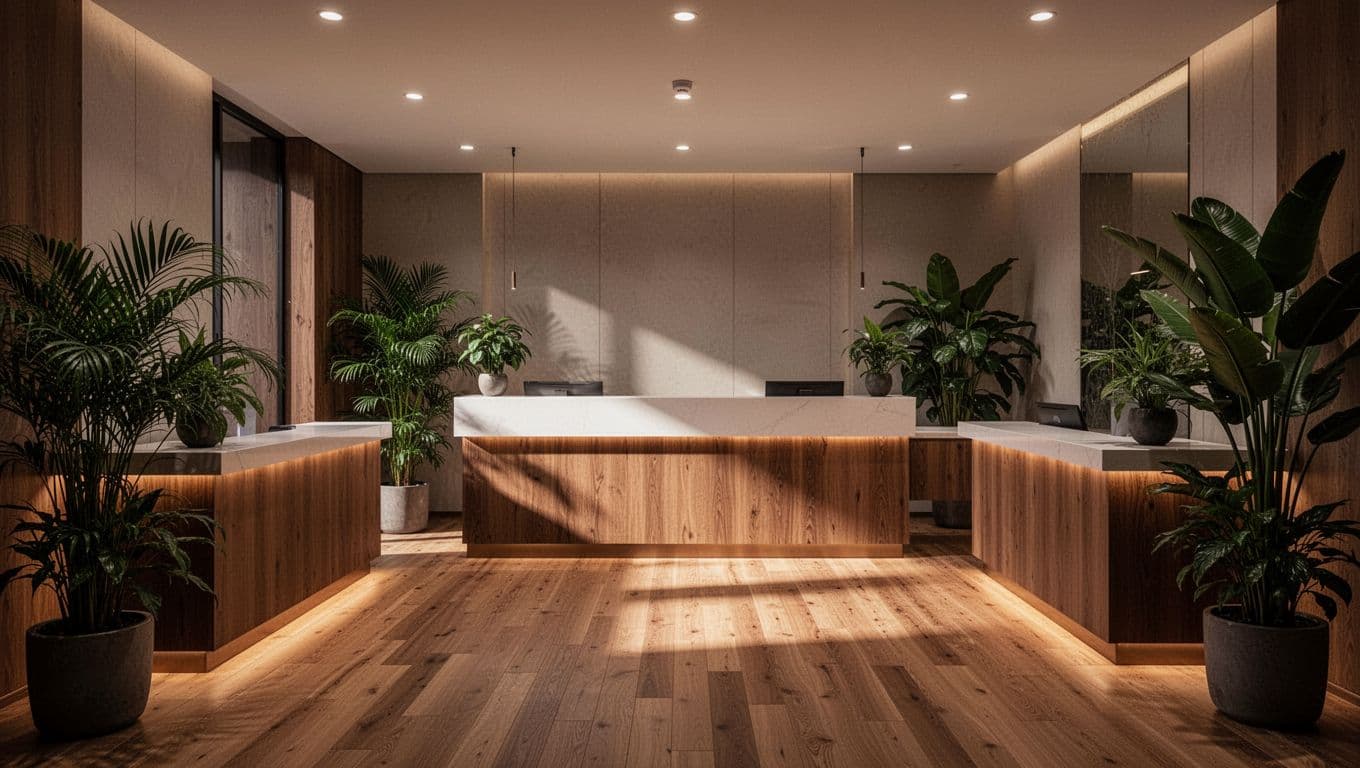 ### A Calm Setting That Helps You Settle In
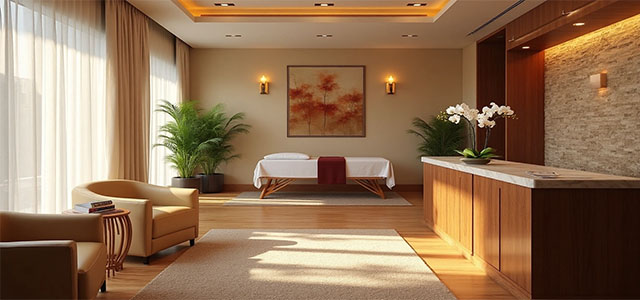
The environment matters when you arrive carrying tension from work, traffic, or a long day. Soft lighting, an orderly reception area, clean treatment rooms, and a quiet atmosphere can help you shift your attention away from outside distractions.
You don’t need an elaborate setting to feel comfortable. What matters is whether the space feels cared for and gives you enough privacy. A clean treatment surface, fresh linens, organized supplies, and a comfortable temperature all show that the spa takes the guest experience seriously.
Notice how staff welcome you and explain the next step. A calm greeting can make the first few minutes feel less awkward, especially if you have never visited the spa before. You should know where to wait, where to store your belongings, and when the therapist will discuss your preferences.
The best atmosphere also leaves room for personal choice. You may prefer low music, limited conversation, warmer lighting, or a quieter room. Tell the staff what helps you relax, then notice whether they respond without making you feel demanding.
A comfortable spa is shaped by small details, such as privacy while changing, clean towels, clear directions, and a room temperature that suits you.
Personalized Attention Instead of a Fixed Routine
A massage should respond to the person on the table. Before treatment begins, explain why you booked, which areas feel tense, what pressure you prefer, and which areas the therapist should avoid. This conversation gives the therapist a starting point instead of forcing you into a standard routine.
For example, you may want light pressure after a stressful week, medium pressure around tired shoulders, or no work near a healing injury. You can also mention fragrance sensitivity, skin irritation, pregnancy, recent procedures, or any medical advice that affects your treatment.
During the session, your feedback should continue to matter. Ask for lighter pressure if your muscles tighten. Request a pillow adjustment if your neck feels strained. You can also ask the therapist to pause, explain a position change, or avoid a particular area.
Personalization includes the emotional side of the appointment. Some guests want quiet time, while others feel more comfortable with occasional check-ins. State your preference early, then speak up if it changes. Research discussed by the American Massage Therapy Association also connects massage with short-term stress reduction, but your experience still depends on suitable pressure, communication, and professional care.
Clear Boundaries and Respectful Professional Service
Trust grows when a spa explains what the appointment includes. Before you confirm, ask about the treatment name, session length, total price, deposit, cancellation terms, and accepted payment methods. If you are booking a couples massage, confirm whether the price applies per person and whether both guests receive treatment in the same room.
Professional boundaries should remain clear throughout the visit. The therapist should explain draping, protect your privacy while you change, and ask before working near sensitive areas. You can refuse a technique, keep an area covered, change the pressure, or end the session at any time.
A massage appointment is permission for the agreed treatment only. It doesn’t include unwanted touching, sexual contact, photography, or an extra service that you didn’t request. Staff should answer questions directly and avoid pressuring you to upgrade after you arrive.
The spa’s response to a simple question can tell you a great deal. If staff provide a clear answer about location, pricing, or treatment details, you can plan with confidence. If they avoid basic questions or change the terms at the last moment, pause before paying a deposit.
A Practical Choice for Solo and Couples Visits
Kilimani Love Massage Spa can suit different types of visits, provided the available services match your needs. A solo guest may want a quiet appointment focused on rest or tired muscles. A couple may prefer a shared room, coordinated treatments, or a peaceful activity that doesn’t involve a crowded venue.
Each guest should still communicate separately with the therapist. Partners may have different pressure preferences, health concerns, comfort levels, or areas they want avoided. Discuss those details before treatment begins rather than assuming both people want the same experience.
Ask whether the spa can accommodate your preferred date, session length, therapist request, and room arrangement. Confirm these details in writing, especially when booking for two people. That simple step helps prevent confusion about timing, cost, and what the appointment includes.
What makes a spa visit stand out is rarely one dramatic feature. The difference appears in the way the business handles ordinary moments, from the first booking message to the final payment. When Kilimani Love Massage Spa combines clear information, personal care, clean surroundings, and firm respect for boundaries, you have a stronger basis for deciding whether it suits your first visit.
Conclusion
A visit to Kilimani Love Massage Spa can offer a welcome pause after the traffic, noise, and demands of a busy day in Kilimani. The best experience begins with a clear idea of what you want from the session, whether that means general relaxation, attention to tired muscles, or time shared with a partner. Your goals should guide the treatment you choose and the questions you ask before booking.
Before you arrive, confirm the spa’s current address, hours, available treatments, prices, payment terms, and cancellation policy. During the visit, communicate your preferred pressure, conversation level, room temperature, and areas to avoid. You also have the right to ask for privacy, proper draping, a pause, or an end to the session if your comfort or boundaries are not respected.
Kilimani Love Massage Spa is an option to investigate, not a place to judge through vague promises or outdated listings. Look for clear answers, professional conduct, clean surroundings, and respectful care before making your decision. When you feel ready, contact the spa, ask informed questions, and schedule a session that matches your needs, budget, and comfort. A quiet pause feels most restorative when you remain informed and in control.