
Deep Tissue Massage in Nairobi: What Kilimani Clients Should Know
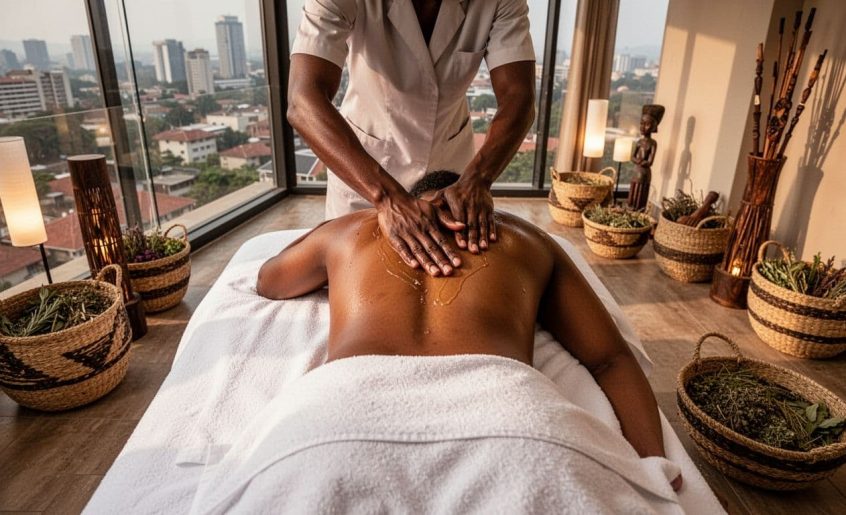
A long Nairobi commute, hours at a desk, a demanding workout, and the daily rush through Kilimani can leave your neck, shoulders, back, or legs tight and sore. When stretching and rest no longer ease the discomfort, deep tissue massage in Nairobi may help release stubborn muscle tension and improve how your body feels.
Deep tissue massage uses focused, sustained pressure on deeper muscle layers and connective tissue. However, it isn’t a one-pressure-fits-all treatment. A good therapist adjusts the technique to your pain level, muscle condition, activity, and health history, so the session feels therapeutic rather than unnecessarily painful.
For Kilimani residents and visitors, choosing the right provider also means looking beyond a relaxing room. Prices commonly range from about KES 3,000 to KES 6,000 per hour, depending on the therapist, location, session length, and whether you choose an in-spa or mobile service. This guide explains the main benefits, what happens during a session, important safety questions, typical Nairobi prices, and how to assess a therapist before booking.
You’ll also learn what to expect from deep tissue massage providers in Kilimani, including how to prepare, what to communicate during treatment, and when another type of massage may suit you better. Let’s start with how this focused treatment may help the tension built up by everyday Nairobi life.
What Deep Tissue Massage in Nairobi Can Do for Stiff, Aching Muscles
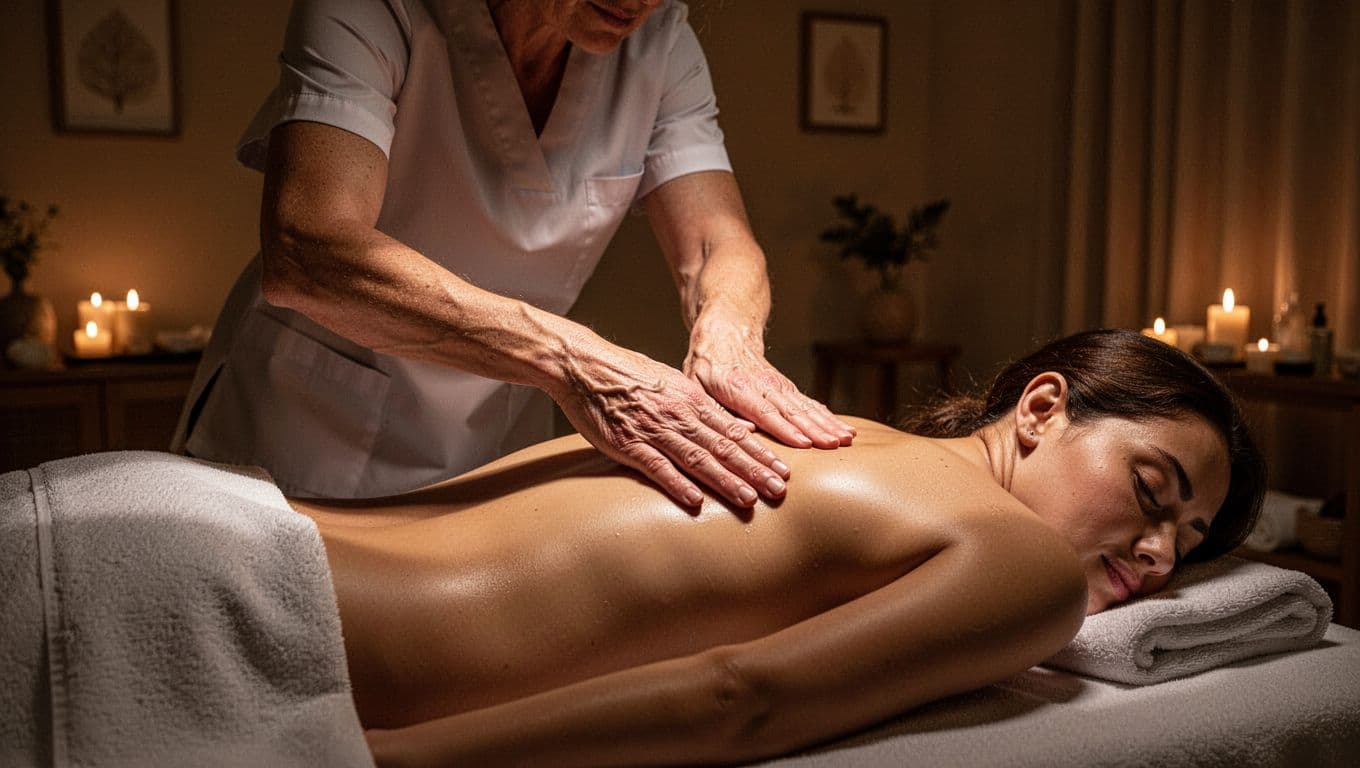
Deep tissue massage uses slow strokes, firm pressure, and focused work on deeper muscle layers and fascia, the connective tissue around muscles. In Kilimani, this approach often appeals to people dealing with desk-related stiffness, tight legs after exercise, or soreness that keeps returning after a normal massage.
The goal is not to tolerate the most pressure possible. Effective treatment should feel strong and focused, but still manageable. A therapist should adjust the pressure as your muscles respond, rather than treating discomfort as proof that the session is working. Massage may support relaxation, mobility, and recovery, but it doesn’t diagnose injuries or replace medical care.
 ### Who May Benefit From a Firm, Therapeutic Massage
Office workers often notice tension across the neck, shoulders, and upper back after long hours at a screen. A forward head position and raised shoulders can leave certain muscles working for most of the day. Deep tissue work may help reduce that feeling of heaviness and make simple movements, such as turning your head, feel easier.
Runners and gym users may also seek deep tissue massage in Nairobi when their legs, hips, or back feel tight after repeated training. A therapist might focus on the calves after frequent running, the glutes after lower-body workouts, or the shoulders after weight training. The session should match your training schedule, since heavy pressure immediately after an intense workout may feel too demanding.
Drivers face a different pattern of strain. Long periods behind the wheel can keep the hips bent and the lower back supported in one position. Traffic, especially during a long commute through Nairobi, can also keep the shoulders tense and the hands fixed on the steering wheel. Focused massage may help loosen areas that receive little movement during the day.
Travelers may notice stiffness after a flight, a long road journey, or sleeping in an unfamiliar bed. In that situation, a therapist may use firm work on the back and legs while keeping pressure moderate around sensitive areas. Someone with recurring muscle tightness may benefit from looking beyond the sore spot, since tension in the hips, posture, or surrounding muscles can affect how another area feels.
A therapist should ask what you do each day, where you feel tension, and which movements feel restricted before choosing pressure and technique.
Your therapist may assess how you stand, walk, bend, or lift your arms. They may then use slow gliding strokes, sustained pressure, or smaller focused movements along tight muscle bands and connective tissue. The treatment can also change during the appointment. A tense shoulder may need gradual pressure, while a broad muscle such as the thigh may tolerate slower, wider strokes.
Tell the therapist if the pressure feels sharp, burning, numb, or unbearable. Mild tenderness after a firm session can occur, but sharp or worsening pain is a reason to stop and reassess. If your pain is chronic, severe, unexplained, or connected to weakness, numbness, swelling, fever, or a recent injury, speak with a qualified health professional before booking a massage.
Deep Tissue Versus Swedish, Sports, and Hot Stone Massage
These massage styles can overlap, but they usually have different priorities. Use this comparison to describe what you want when contacting a Nairobi spa.
| Massage type | Typical approach | Often suits |
|---|---|---|
| Swedish massage | Lighter, flowing strokes with a steady rhythm | General relaxation, stress relief, and first-time massage clients |
| Sports massage | Techniques tailored to training, movement, and recovery | Runners, gym users, and people preparing for or recovering from physical activity |
| Hot stone massage | Heated stones combined with massage strokes for soothing warmth | Clients who prefer warmth and a calming, relaxation-focused session |
| Deep tissue massage | Slow, firm, targeted pressure on persistent tension and deeper muscle layers | Recurring tightness, limited movement, and stubborn muscle discomfort |
Swedish massage usually feels smoother and lighter across the body. Sports massage can include deeper work, stretching, or movement-focused techniques, but the plan should relate to your activity rather than simply use maximum pressure. Hot stone massage adds heat, which many clients find soothing, although it isn’t the same as focused work on deeper muscle layers.
Some Nairobi spas blend techniques within one appointment. For example, a therapist may begin with Swedish strokes, use deeper pressure on the shoulders, and finish with heat or slower relaxation work. Ask what the session includes before you arrive, including the expected pressure, treatment areas, duration, and whether hot stones or stretching cost extra.
Research on massage supports realistic expectations. A review indexed by PubMed’s massage therapy research found beneficial associations with pain in some studies, while the National Center for Complementary and Integrative Health explains the limits of massage evidence, including the fact that benefits may be short term for some conditions. The right choice depends on whether you want relaxation, training support, warmth, or focused work on stubborn tension.
How Many Sessions Might You Need?
There is no useful standard number of deep tissue massage sessions for everyone. Your needs may depend on how much time you spend sitting, how often you train, your stress level, the pattern of your discomfort, and your goal for treatment. Someone with occasional shoulder tightness may book one session, while a runner with repeated calf tension may need a different plan.
A first session can reveal more than the location of the soreness. Your therapist may notice that one hip moves differently, that your shoulders remain raised, or that a tight area responds better to gradual pressure than direct work. Your feedback also helps identify whether the treatment improves movement or only creates temporary tenderness.
Regular maintenance may help some clients who repeat the same physical demands each week. An office worker may schedule occasional sessions during demanding work periods, while a gym user may book around a training routine. Still, regular massage should support good habits such as movement breaks, suitable exercise recovery, sleep, and professional care when symptoms persist.
Reassess after each appointment. Ask whether your movement, comfort, or recovery has improved, and tell the therapist what felt helpful or excessive. If your pain keeps returning, becomes stronger, or fails to respond, pause automatic bookings and seek a qualified health assessment. Massage can be useful support for stiff, aching muscles, but the treatment plan should follow your body’s response rather than a fixed schedule.
What Happens During a Deep Tissue Massage Session in Nairobi
A deep tissue massage session in Nairobi usually begins before you lie on the table. After booking, confirm the session length, price, location, cancellation policy, and whether the therapist offers in-call treatment at a spa or out-call treatment at your home, hotel, or office. Clear details help you arrive relaxed instead of hurried.
Plan to arrive a few minutes early, especially when traveling through Kilimani traffic. Avoid a heavy meal immediately before the appointment, wear comfortable clothing, and bring any information that may help the therapist understand your body. A professional session should include a short intake conversation, private preparation, gradual warm-up strokes, focused pressure, regular communication, and a closing check-in.
 ### How to Tell Your Therapist the Pressure Is Too Much
Good communication protects the quality of your massage. Before the hands-on work begins, tell your therapist whether you prefer light, moderate, or firm pressure. You can also explain that one area feels sensitive while another area can tolerate more focused work.
During the session, use simple, direct phrases such as:
- “Please use lighter pressure.”
- “Can you slow down here?”
- “That area feels too sensitive. Please work around it.”
- “Could you spend more time on my left shoulder?”
- “Please pause for a moment.”
- “The pressure feels good, but I don’t want it any deeper.”
Useful pressure often feels strong, focused, and manageable. You may notice a tender sensation around a tight muscle, followed by a feeling of release as the therapist eases off. Normal tenderness can feel similar to mild post-workout soreness, but you should still be able to breathe comfortably and relax your body.
Sharp pain requires a change in pressure or technique. Burning, electric sensations, numbness, persistent tingling, cramping, or pain that travels down an arm or leg are also reasons to speak up immediately. Bruising is not proof that the massage worked. It can indicate that the pressure was too forceful for your tissue or that another factor affected your sensitivity.
You never need to tolerate pain to prove that you can handle deep tissue massage.
A trained therapist should welcome feedback instead of treating it as a challenge. They may slow the strokes, reduce pressure, change your position, work around the area, or stop the technique altogether. Consent continues throughout the appointment, so you can ask to end work on any body part at any time.
What to Bring Up Before the Massage Starts
The intake conversation gives your therapist the information needed to plan the session. Explain where you feel pain or tightness, when it began, what makes it worse, and what you want to achieve. Your goal might be easier neck movement, less shoulder tension, better comfort after exercise, or general relaxation.
Share recent exercise, long travel, unusual soreness, falls, past injuries, and any surgery. Also mention pregnancy, skin conditions, allergies, open wounds, varicose veins, or areas that should not receive direct pressure. Tell the therapist about medications, especially blood thinners, and disclose high blood pressure or other ongoing health concerns.
These details don’t guarantee that massage is suitable. They help the therapist decide whether to modify the session or advise you to seek medical guidance first. The National Center for Complementary and Integrative Health’s massage therapy guidance also explains why clients should discuss safety concerns and avoid treating massage as a replacement for medical care.
Ask a few practical questions before agreeing to the appointment:
- What training and experience does the therapist have?
- How long will the session last?
- What is the total price?
- Which areas will the therapist treat?
- Is the service in-call or out-call?
- What happens if you need to cancel or reschedule?
- How will privacy and draping be handled?
A professional therapist should explain the process, provide proper draping, and expose only the area being treated. You should never feel pressured to undress beyond your comfort level. The therapist should ask permission before changing techniques, working near sensitive areas, or adding stretching.
Once you are comfortable, the therapist may begin with broad, lighter strokes. This warm-up increases contact with the muscles and helps identify areas that feel guarded or tense. The work may then become slower and more focused around the shoulders, back, hips, glutes, calves, or another agreed area. If stretching fits your needs, the therapist should keep it gentle and stop if the movement causes pain.
Aftercare for Better Comfort and Recovery
After the final strokes, expect a brief check-in. Tell the therapist how the pressure felt, whether any area remains uncomfortable, and whether you notice dizziness, unusual pain, numbness, or tingling. This conversation helps you decide whether the next session should use lighter pressure, a shorter duration, or a different technique.
For the rest of the day, keep your routine gentle. Drink water according to your normal needs, take a light walk, and rest if your body feels tired. Easy stretching is fine only when it feels comfortable. Move slowly, avoid bouncing, and don’t force a sore muscle into a wider range.
If your body feels tender, postpone intense workouts, heavy lifting, and demanding sports until you feel ready. Mild soreness can follow firm work, but intense pain is not a normal target or a sign of a successful session. Massage can support comfort, yet it shouldn’t make an unexplained condition harder to identify.
Contact a health professional for severe or worsening pain, major swelling, weakness, breathing trouble, loss of function, or new numbness. Seek advice if unusual symptoms fail to settle or if soreness remains significant beyond the next couple of days. Your therapist should also know about any concerning reaction before you book another deep tissue massage in Nairobi.
Is Deep Tissue Massage Safe for Everyone?
Deep tissue massage can help healthy adults with persistent muscle tightness, but firm pressure is not suitable for every body or every situation. Before booking deep tissue massage in Nairobi, consider your health history, current symptoms, medications, and the treatment areas you want addressed.
Massage should support your well-being, not create new pain or delay medical care. The National Center for Complementary and Integrative Health’s massage guidance recommends discussing safety concerns with a health professional and treating massage as a complement to medical care, not a replacement for diagnosis or treatment.
When Deep Tissue Massage Needs Medical Advice
Ask your clinician before booking if you have a health condition that could make strong pressure unsafe. You may need to postpone the session, choose lighter work, or avoid certain areas altogether.
Medical advice is especially important if you have:
- Had recent surgery or have a healing incision.
- A known or suspected blood clot, deep vein thrombosis (DVT), or a leg that is suddenly painful, warm, red, or swollen.
- A recent fracture, severe osteoporosis, or another condition that makes your bones fragile.
- An open wound, burn, unexplained lump, significant bruise, rash, or active skin infection.
- A bleeding disorder or take blood-thinning medication, such as warfarin or apixaban.
- Cancer or are receiving chemotherapy or other cancer treatment.
- Uncontrolled high blood pressure, unstable heart disease, or another serious cardiovascular condition.
- A high-risk pregnancy or pregnancy-related complication.
Deep pressure over a clot may create a serious risk, while pressure over fragile bone or healing tissue can cause injury. Blood thinners can also increase bruising, so your clinician and therapist should decide whether massage is appropriate and how much pressure is safe.
Pregnancy does not automatically rule out massage, but pregnant clients should choose a therapist trained in prenatal massage. Tell the therapist how far along you are, share any pregnancy concerns, and follow your clinician’s advice. A prenatal session usually uses modified positioning and avoids techniques that aren’t appropriate during pregnancy.
Postpone your appointment if you have a fever, contagious illness, or active skin infection. Massage can wait until you recover and the skin has healed. Contact a health professional first if you have severe or unexplained pain, sudden swelling, numbness, weakness, breathing trouble, or symptoms after an injury.
Deep tissue massage should feel controlled and communicative. A therapist should never treat extreme pain, bruising, or ignored medical symptoms as proof of an effective session.
Questions to Ask a Nairobi Massage Therapist
A short conversation before booking can reveal how seriously a provider takes safety. Ask direct questions and notice whether the answers are clear, specific, and respectful.
- What training and experience do you have in deep tissue massage?
- Can you adapt pressure for my injury, medication, pregnancy, or health condition?
- How do you handle consent, privacy, and draping during the session?
- What is included in the quoted price, and are there extra charges?
- Do you offer in-call appointments at the spa or out-call appointments at a home, hotel, or office?
- What should I do if the pressure causes pain during the session?
A trained therapist should ask about your goals, current symptoms, past injuries, medications, and relevant medical conditions. They should also explain what they can and cannot treat. For example, massage may ease muscle tension, but it cannot confirm whether leg pain comes from a strained muscle or a blood clot.
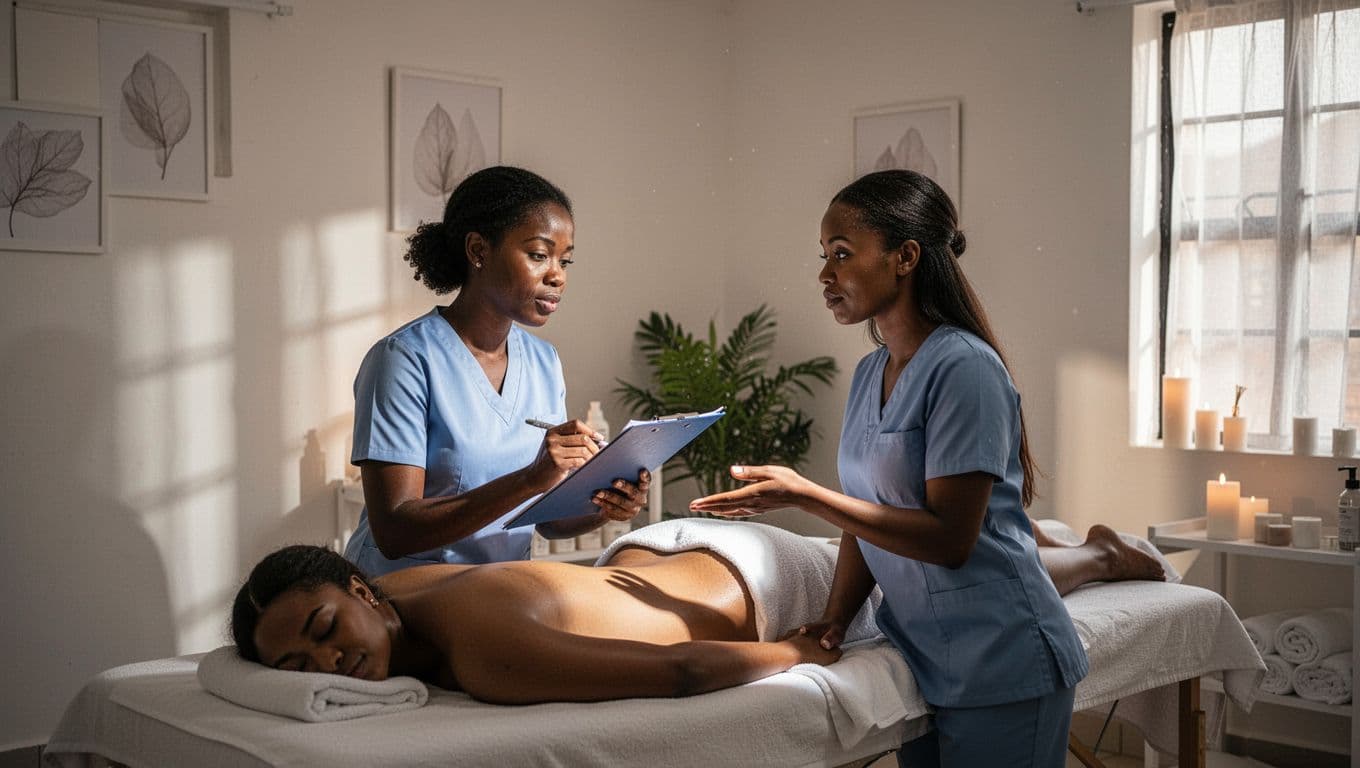 Choose a provider who welcomes feedback and gives you permission to pause, change position, reduce pressure, or end the appointment. Be cautious when someone promises to cure a serious condition, remove every form of pain, or produce guaranteed results after one session. Clear boundaries and realistic claims are signs of responsible care.
Signs of a Professional and Respectful Spa
The setting should help you feel comfortable before treatment begins. Look for a clean reception area, fresh linens, a private treatment space, and equipment that appears well maintained. If you choose an out-call massage in Kilimani, ask where the therapist will set up and whether clean sheets and suitable supplies are provided.
A professional spa describes each service plainly. The listing should identify the massage style, session length, treatment areas, price, and any conditions that may require a modified service. Secure booking, written confirmation, and a clear cancellation policy also reduce confusion.
Communication matters as much as the room. Staff should answer questions without rushing you, explain draping, protect your privacy, and respect your decision about which areas receive treatment. You should be able to decline stretching, change the pressure, or stop the session without an argument.
Pay attention to warning signs before you arrive. These include:
- Pressure to add services you didn’t request.
- Prices that change after booking or remain unclear until payment.
- Poor hygiene, dirty linens, strong odors, or an unsuitable treatment space.
- Refusal to discuss your health concerns or medications.
- Vague claims that massage can cure serious medical conditions.
- Discomfort, irritation, or anger when you set a personal boundary.
A respectful spa treats consent as an ongoing conversation, not a formality completed at the door. If the booking process feels evasive or the therapist dismisses your safety questions, choose another provider. For deep tissue massage in Nairobi, trust begins before the first stroke.
How Much Does Deep Tissue Massage Cost in Nairobi?
The price of deep tissue massage in Nairobi depends on more than the number shown beside the service name. Public listings show approximately KES 2,600 for a 30-minute session at one Nairobi day spa, around KES 4,000 to KES 4,500 for some one-hour appointments, and about KES 5,300 to KES 6,000 for one-hour sessions at several providers.
Premium clinics, luxury spas, and hotel-based services may charge more. Some listings reach KES 8,500 for a deep tissue session, while out-call appointments in Kilimani can cost around KES 12,000 to KES 15,000 for up to two hours. These are examples, not fixed market rates. Providers can change their prices, packages, and travel charges without much notice.
A low advertised price may also cover a shorter appointment or a lighter, general massage. Before paying, confirm the current price, treatment duration, massage style, location, and everything included in the booking. A recent deep tissue massage offer in Nairobi shows why checking the date and conditions matters, since promotional rates may not reflect a provider’s regular price.
What to Compare Besides the Price
The cheapest listing is only a good deal if it gives you the treatment you need. Compare the full service, not just the first number you see. A reliable deep tissue massage provider should explain the session clearly before booking and ask about your pain, health history, preferred pressure, and treatment goals.
Consider these points when comparing providers:
- Therapist experience: Ask how long the therapist has practiced and whether they regularly provide deep tissue work. Strong pressure alone doesn’t show skill. The therapist should know how to warm the muscles, adjust pressure, and avoid painful or medically unsuitable areas.
- Treatment plan: Find out whether the appointment focuses on your problem areas or follows a standard full-body routine. A plan for tight shoulders after desk work should differ from one for sore calves after running.
- Hygiene and privacy: Look for fresh linens, clean equipment, hand hygiene, and a private treatment room. Proper draping should keep you covered except for the area being treated.
- Location and convenience: A nearby spa in Kilimani may save time and transport costs. However, a farther provider may offer better experience, longer hours, or a more suitable treatment environment.
- Appointment flexibility: Check whether the provider accepts evening or weekend bookings, allows rescheduling, and confirms appointments in writing. Flexible hours can matter when Nairobi traffic changes your plans.
- Communication: Notice how the provider responds to questions. Clear answers about pressure, pricing, arrival time, and boundaries usually indicate a more organized service.
- Reviews: Read recent reviews for comments about punctuality, cleanliness, professionalism, and whether the advertised duration matched the actual session. Treat dramatic promises and vague testimonials with caution.
- Massage style: Confirm that the booking is truly deep tissue massage, rather than a general relaxation massage described with stronger wording. Ask whether the therapist uses slow, targeted pressure on deeper muscle layers and whether you can request lighter work where needed.
A useful comparison is the cost per treatment minute, but don’t use it alone. For example, a KES 2,600 30-minute appointment equals about KES 87 per minute, while a KES 6,000 60-minute session equals KES 100 per minute. The longer session may still offer better value if you need time for consultation, warm-up, focused work, and a proper closing check-in.
For an out-call visit, calculate the real cost before accepting the quote. Ask whether the price includes transportation, waiting time, setup, parking, and the full treatment duration. A session advertised as “up to two hours” may include preparation or travel, so confirm exactly how much hands-on massage you receive.
In-Call or Out-Call Massage in Kilimani?
An in-call massage means you visit the spa, clinic, or therapist’s treatment location. An out-call massage means the therapist travels to your home, hotel, or office in Kilimani. Both options can work well, but they offer different trade-offs.
At a spa, the therapist already has a massage table, clean linens, oils, lighting, and a prepared treatment room. You don’t need to arrange furniture or clear space. The setting may also help you separate the appointment from household noise, work messages, and other interruptions.
An out-call session gives you more privacy and removes the need to travel after treatment. It can suit hotel guests, busy professionals, couples booking at home, or anyone who feels more comfortable in a familiar space. However, you may need to provide a quiet room, enough floor space, good lighting, and a place for the therapist to set up safely.
Travel time affects the price. Out-call providers may charge more for fuel, distance, traffic, equipment transport, and time spent reaching your address. In Kilimani listings, examples include approximately KES 12,000 to KES 15,000 for up to two hours, although the exact rate depends on the provider and what the package includes.
Before confirming an out-call deep tissue massage in Nairobi, ask for:
- The total price, including transport and any late-hour charge.
- The exact hands-on treatment time.
- The therapist’s name and arrival time.
- The provider’s booking contact and payment method.
- The equipment the therapist will bring.
- The space, temperature, and privacy needed for setup.
- The cancellation policy if traffic delays the appointment.
Confirm the exact address, including your building name, entrance, floor, and apartment or office number. Share access instructions only through the provider’s official booking contact. If the therapist arrives with different details than those confirmed, pause the appointment until you verify their identity and the agreed service.
A spa visit often offers better equipment and a controlled environment. An out-call appointment offers comfort and saves travel. Choose the option that gives you a clear price, a suitable treatment space, and confidence in the therapist before the session begins.
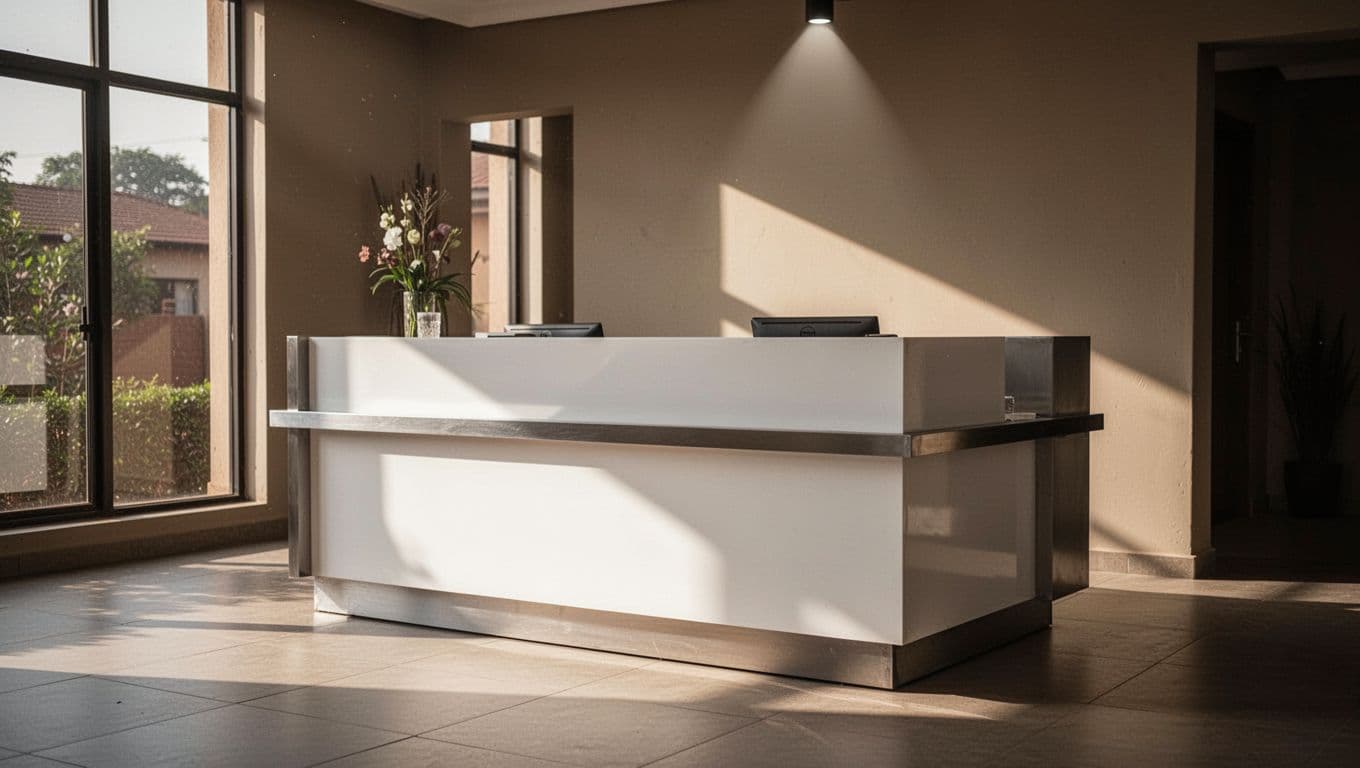 ## Kilimani Love Massage Spa: What Local Clients Should Check Before Booking
A massage listing can look clear at first glance, yet important details often remain unanswered. Before booking deep tissue massage in Nairobi, confirm the treatment, therapist, price, duration, location, and boundaries directly with the provider.
Kilimani Love Massage Spa is one business local clients may come across while comparing services. Check its current service menu, availability, prices, booking process, and exact location directly before visiting. Search information available for this article did not strongly confirm the exact phrase “Kilimani Love Massage Spa” as a distinct deep tissue provider. Therefore, don’t assume that every deep tissue detail mentioned in a third-party listing applies to the business today.
Ask clear questions before sending payment or traveling across Kilimani. Is deep tissue massage offered? What is the session length? Who provides the treatment? Are in-call and out-call appointments available? What is the current price in Kenyan shillings? Does the provider require advance booking?
Other Kilimani Locations and Services to Compare
Kilimani’s massage market is spread across several familiar roads and nearby landmarks. Listings cluster around Kindaruma Road, Rose Avenue, Woodlands Road, and Marcus Garvey Road, with additional providers operating near shopping centers, residential buildings, and hotel areas. That proximity can make booking convenient, but the address still needs confirmation before you leave home.
Public listings show a wide range of prices. Some advertise deep tissue sessions at about KES 6,000 per hour, while other Nairobi listings show lower or higher rates. For example, available listings include prices around KES 3,500, KES 4,000, KES 4,500, KES 5,000, and KES 6,000 for one-hour services, depending on the provider and the wording used for the treatment.
A listed rate may cover a specific therapist, venue, time period, or promotional offer. It may also exclude transport, late-hour charges, or an out-call fee. One provider can charge differently for treatment at its location and treatment at a client’s home, hotel, or office. Ask for the total amount and the exact hands-on massage time rather than relying on a headline price.
Some providers advertise late hours or 24/7 availability. Others mention private suites, in-call appointments, or out-call service across Kilimani and nearby Nairobi neighborhoods. These details are useful when you need an evening appointment or prefer treatment at home, but they are not proof that a service is available when you need it. Verify the current schedule, therapist availability, access instructions, and travel charges before confirming.
 When comparing a business such as Blossom Spa Nairobi with other local listings, focus on the details that affect your experience. Does the service description clearly identify deep tissue massage, or does it only use broad terms such as therapeutic or full-body massage? Does the provider explain who performs the treatment and how long the appointment lasts?
Location descriptions also deserve a closer look. A listing may name Kilimani while giving a road, building, mall, or nearby landmark that is not obvious from the advertisement. Confirm the exact building, entrance, parking arrangements, and whether security requires identification or advance notice.
A price comparison is useful only when the treatment duration, location, therapist, and extra charges are also comparable.
Read recent reviews with care, but don’t treat every listing or testimonial as independently verified. Reviews may describe an earlier price, a different therapist, or a service that has since changed. Clear communication with the provider remains the best way to confirm current booking information.
A Simple Kilimani Booking Checklist
Use this checklist before you book any deep tissue massage provider in Kilimani:
- Confirm the service type. Ask whether the appointment is genuinely deep tissue massage, and explain the body areas where you want focused work. If you need lighter pressure in certain areas, mention that before the session.
- Ask about therapist training. Find out who will provide the massage, what training or experience they have, and whether they regularly perform deep tissue treatments. A professional therapist should also ask about injuries, medications, pregnancy, and relevant health conditions.
- Confirm the price and duration. Get the current KES price in writing. Check whether the quoted amount covers 30, 60, or 90 minutes of hands-on treatment. Ask about transport, setup, weekend, or late-hour fees.
- Verify the location and access. For an in-call appointment, confirm the exact road, building, floor, entrance, parking, and security process. For out-call service, provide the address only after confirming the therapist’s name, arrival time, and total charge.
- Ask about privacy and draping. The provider should explain how the session works, supply clean linens, protect your privacy, and expose only the area being treated. You can decline any technique or stop the appointment at any time.
- Complete a health screening. Tell the therapist about recent injuries, surgery, skin problems, blood-thinning medication, pregnancy, severe pain, numbness, swelling, or other health concerns. Strong pressure may be unsuitable in some situations, so seek medical advice when needed.
- Read the cancellation terms. Ask how much notice you need to cancel or reschedule. Confirm what happens if traffic delays the therapist, the venue changes, or you need to leave before treatment begins.
- Check payment and confirmation. Ask which payment methods are accepted and whether a deposit is refundable. Save the booking confirmation, payment receipt, provider name, phone number, agreed price, and appointment time.
- Keep emergency contact details. Save the spa’s official contact and the therapist’s confirmed name. When trying a new provider, tell someone where you are going, especially for an out-call appointment, and share the expected return time.
A careful booking takes only a few messages, but it can prevent confusion at the door. Choose the provider that gives direct answers, respects your health and privacy, and confirms the appointment details before you travel.
How to Choose the Right Deep Tissue Massage in Nairobi
Choosing deep tissue massage in Nairobi involves more than finding the closest spa or the lowest advertised price. Your best option depends on your main goal, the body area that needs attention, the pressure you prefer, your budget, and whether you want an in-spa or home visit.
Start with the result you want. Relaxation may call for a calmer session with moderate pressure, while sports recovery may require a therapist who understands training loads and movement. Persistent muscle tightness needs careful communication and may require a provider who can adjust the treatment instead of repeating a standard full-body routine.
Next, consider practical details. A nearby Kilimani spa may suit your schedule and reduce travel stress, while an out-call appointment may be more convenient after a long workday. Current Nairobi prices often fall around KES 3,000 to KES 7,500 for 60 minutes, although premium hotel and spa sessions may cost more. Compare the total price, hands-on treatment time, therapist experience, and setting before deciding.
 ### Common Booking Mistakes That Can Ruin the Experience
A booking can go wrong before you ever reach the massage table. The most common mistake is choosing only by price. A very low rate may cover a shorter appointment, a general massage instead of deep tissue work, or a session with extra charges for travel and setup. Price matters, but it should sit beside duration, training, hygiene, communication, and recent client feedback.
Many clients also forget to confirm the session length. Ask whether the advertised 60 minutes means one full hour of hands-on treatment or includes consultation, changing, setup, and payment. If you want focused work on your back and legs, confirm how many areas the therapist can reasonably address during that appointment.
The therapist’s training matters just as much. Deep tissue massage requires controlled pressure, gradual warm-up, and the ability to work around sensitive tissue. A person who offers a “strong massage” may not have the skill to adapt pressure safely. Ask whether the therapist has specific training or regular experience in deep tissue techniques.
Share important health information before the appointment. Hiding a recent injury, surgery, skin problem, pregnancy, or blood-thinning medication can make strong pressure unsafe. You don’t need to provide a long medical history, but mention anything that could affect the treatment. If you’re unsure whether massage is suitable, ask a doctor or licensed physical therapist first.
Another mistake is expecting the most painful session to produce the best result. Effective pressure should feel focused and manageable. Sharp pain, burning, numbness, electric sensations, or pain that travels down a limb requires an immediate change in technique. Tell the therapist when the pressure feels excessive. You are allowed to pause or end the session.
Timing also affects comfort. Booking deep tissue massage immediately after a demanding workout can leave already stressed muscles feeling more tender. If your body is exhausted, swollen, or unusually sore after training, choose a lighter session or wait until you recover. Likewise, avoid scheduling a firm massage right before a major race, match, or heavy lifting session.
Unclear or unsafe communication is another warning sign. Be cautious if the provider won’t state the price, session length, location, therapist name, or services included. Pressure to add unwanted services, reluctance to discuss draping, and irritation when you ask health questions are reasons to cancel.
A short phone call or message prevents most of these problems. Before booking, confirm:
- The massage style and treatment areas.
- The therapist’s relevant training or experience.
- The exact hands-on duration.
- The total price, including travel or late-hour fees.
- The location, arrival process, and cancellation terms.
- Your preferred pressure and any health concerns.
Recent reviews can help you compare providers, but read beyond the star rating. Look for comments about cleanliness, punctuality, professionalism, pressure control, and whether the advertised service matched the appointment. One detailed review about respectful communication may tell you more than several vague five-star ratings.
Use this quick guide when two providers look similar:
- For relaxation: Choose a spa with a calm setting, moderate-pressure options, and clear service descriptions.
- For sports recovery: Look for a therapist who asks about your training, recent workouts, movement, and recovery goals.
- For recurring muscle tightness: Select someone who adjusts pressure and encourages medical assessment when symptoms persist.
- For convenience: Compare travel time, out-call fees, setup requirements, and the exact hands-on treatment period.
- For a premium setting: Check the facility, privacy arrangements, linens, therapist credentials, and what the higher price includes.
When Massage Is Not the Right First Step
Massage is not the right first response to every painful symptom. Sudden severe pain, a major injury, unexplained swelling, or a new loss of movement needs medical attention before you book a session. Firm pressure can worsen an injury or make it harder to notice that a more serious problem needs care.
Seek prompt medical advice for numbness, weakness, chest pain, trouble breathing, fever, or signs of infection such as spreading redness, warmth, pus, or worsening tenderness. A suddenly swollen, painful, or warm leg also needs medical assessment rather than massage. These symptoms require safe decision-making, not an attempt to work through discomfort.
Recurring pain deserves attention as well. If the same area keeps hurting despite rest, movement changes, or previous massage, ask a doctor or licensed physical therapist to assess it. Massage may support comfort after a professional evaluation, but it cannot identify the cause of pain or confirm whether a tissue is injured.
The National Center for Complementary and Integrative Health’s massage safety guidance advises clients to discuss health concerns with a qualified professional and treat massage as a complement to medical care. That approach helps you choose the right treatment without using a spa appointment to delay needed care.
After your first appointment, reassess the result. Did your movement improve? Did the pressure feel controlled? Did the therapist respect your boundaries, and did any soreness settle normally? If the session caused intense or worsening symptoms, stop booking and seek medical advice. If it helped, use your feedback to adjust pressure, duration, and treatment areas for the next visit.
Conclusion
Deep tissue massage in Nairobi can be a useful choice when desk work, long commutes, training, or daily strain leave your muscles stubbornly tight and movement uncomfortable. The strongest results come from a session built around your body, not a race to tolerate the most pressure. Firm work should feel controlled and focused, never sharp, burning, numb, or unbearable.
Safety screening matters before you book. Share relevant injuries, medications, pregnancy, skin concerns, and ongoing health conditions with the therapist. If you have sudden swelling, severe pain, weakness, numbness, fever, or symptoms after an injury, seek medical advice instead of using massage as a first response.
Prices in Kilimani and the wider Nairobi area vary with session length, therapist experience, location, and whether you choose an in-spa or out-call appointment. Confirm the current price, hands-on treatment time, provider, address, privacy arrangements, and cancellation terms directly before you travel or send payment.
When you’re ready, compare local options and ask clear questions about pressure, training, safety, and what the service includes. Book the session that fits your body, schedule, and comfort level, because a good deep tissue massage should leave you feeling supported, not punished.