

Swedish Massage in Kenya: What to Expect in Kilimani, Nairobi
After a long workday, Nairobi traffic can leave your shoulders tight, your lower back sore, and your mind still racing after you reach Kilimani. A Swedish massage in Kenya offers a gentle, rhythmic approach that can help you relax while easing everyday muscle tension, especially after travel, desk work, or hours on the road.
If you’re booking your first session, you may wonder what the pressure feels like, whether Swedish massage suits your needs, and what happens once you arrive at the spa. This guide explains the technique, common benefits such as relaxation and support for better sleep, what to expect during a session, and how to choose a clean, professional spa. It also looks at typical Kilimani prices, which often range from about KSh 3,500 to KSh 8,000 depending on the session length, provider, and package.
Prices, opening hours, and available services can change, so confirm the details directly with the provider before booking. Start by learning what makes Swedish massage different and why it remains a popular choice in Kilimani.
What Swedish Massage in Kenya Feels Like and Why People Choose It
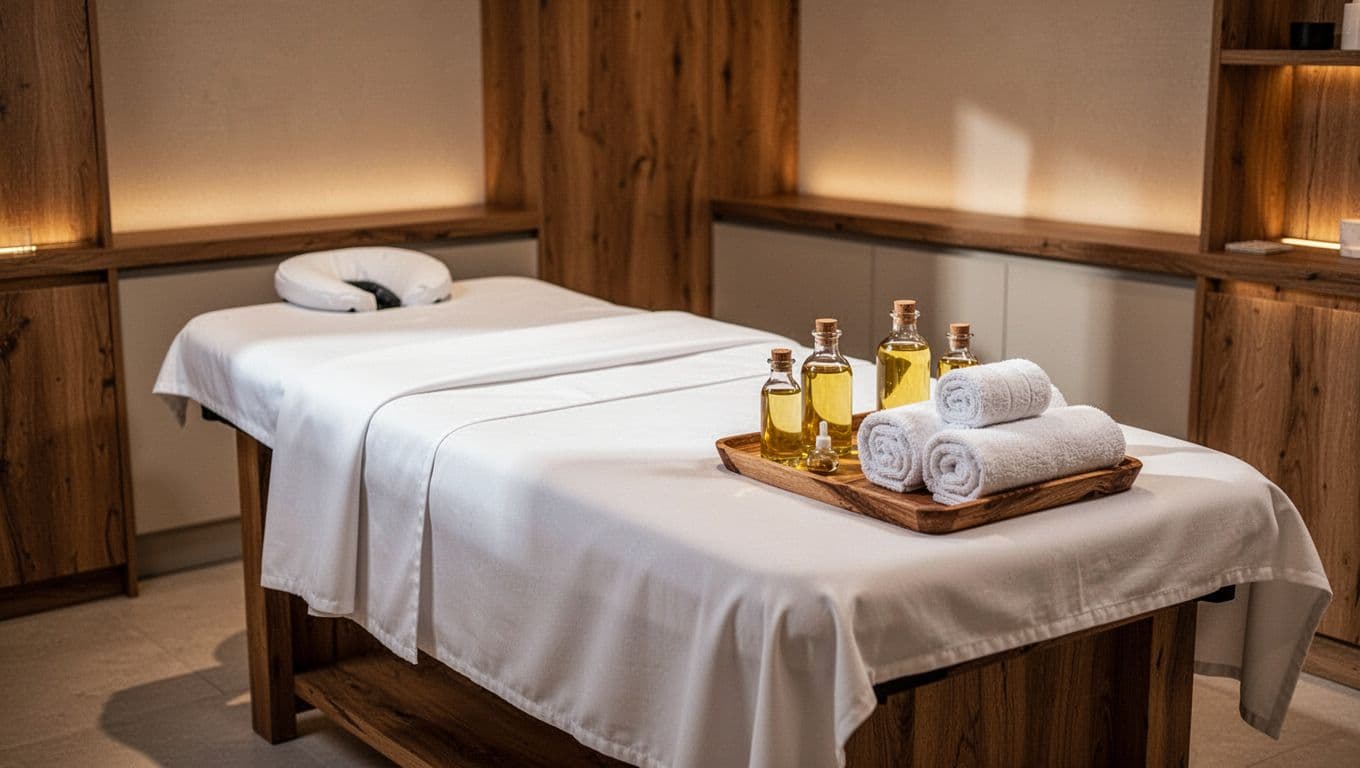
Swedish massage in Kenya is usually a gentle-to-medium pressure treatment designed to help you relax and feel more comfortable in your muscles. The therapist may use warm oil or lotion, slow breathing, and steady hand movements across the back, neck, shoulders, arms, legs, or the whole body.
For many people in Kilimani, the appeal is practical. A long commute, hours at a desk, exercise, travel fatigue, or daily stress can leave the body feeling tense and heavy. Swedish massage offers a calmer pace, with pressure that can be adjusted as the session continues. You should feel comfortable speaking up if the touch feels too light, too firm, too cold, or uncomfortable.
 The main techniques used during a Swedish massage
A Swedish massage combines several simple movements. Your therapist may use all of them or focus on only a few, depending on your body, comfort level, and reason for booking.
Effleurage consists of long, gliding strokes that move smoothly over the skin. This often feels warm and soothing, especially at the beginning of the session. The therapist may use it to spread oil, help you settle into the treatment, and prepare the muscles for firmer pressure.
Petrissage involves kneading, lifting, or gently squeezing the muscles. It can feel similar to a slow, rhythmic knead around the shoulders, upper back, arms, or legs. Therapists often use this movement when an area feels tight after desk work, driving, walking, or exercise.
Friction uses smaller circular or rubbing movements. The pressure may feel more focused than a long stroke, but it shouldn’t feel sharp or painful. A therapist may use friction around a tense muscle area, then return to lighter strokes to keep the session comfortable.
Tapotement is a series of light, rhythmic taps. Depending on the therapist’s style, it may feel like gentle drumming across larger muscle areas. Some practitioners use it briefly to stimulate the area or add variety, while others leave it out if you prefer a slower, quieter treatment.
Gentle vibration creates a soft shaking or trembling motion with the hands. It can feel calming when used on the shoulders, back, or limbs. The therapist may also add light stretching or circular movements around the joints, but these should remain controlled and comfortable.
A good Swedish massage isn’t a fixed routine that every client receives in exactly the same way. Your therapist may spend more time on your neck and shoulders after computer work, or focus on your legs after travel or exercise. Before starting, mention areas of soreness, injuries, medical concerns, pressure preferences, and any places you don’t want touched.
Relaxation, circulation, and muscle comfort without exaggerated claims
The most noticeable effect is often a calmer body. As the strokes slow your breathing and soften tense muscles, you may feel less restless during the session. Some people also find it easier to sleep after a relaxing massage, particularly when stress or ordinary muscle tightness has kept them uncomfortable.
Swedish massage may also help you move more freely for a while. Your shoulders might feel less restricted, your neck may turn more easily, or your lower back may feel less stiff after sitting. The flowing strokes are commonly associated with circulation support, although the experience and results vary from person to person.
Research and health guidance describe possible benefits such as reduced muscle stiffness, relaxation, and better sleep, but massage results are not identical for everyone. You can read a balanced overview of massage therapy benefits without treating general wellness claims as medical guarantees.
Swedish massage can support relaxation and temporary muscle comfort, but it doesn’t diagnose or cure an injury, chronic pain, or a medical condition.
If you have persistent back pain, numbness, swelling, unexplained pain, a recent injury, or symptoms that keep returning, speak with a qualified health professional before booking. Massage may not be appropriate in every situation, and a therapist should know about relevant health conditions and medications.
Swedish massage is also a professional wellness service, not a sensual or adult service. A reputable spa should maintain clear boundaries, proper draping, professional communication, and consent throughout the appointment. You can ask what areas the session will cover before it begins, and you should expect the therapist to respect your answer.
How Swedish massage differs from deep tissue, sports, and hot stone massage
The best massage depends on your comfort level and purpose. Stronger pressure isn’t automatically better, especially if your main goal is rest rather than intense work on a specific muscle.
| Massage type | What it usually feels like | Common reason people choose it |
|---|---|---|
| Swedish massage | Light to medium pressure, long gliding strokes, kneading, circular movements, and occasional tapping | Relaxation and general muscle comfort |
| Deep tissue massage | Firmer, slower pressure that targets deeper layers of muscle and connective tissue | Persistent tightness or specific areas that need focused work |
| Sports massage | Pressure and movement tailored to muscles used during training or activity | Exercise recovery, mobility, or activity-related tension |
| Hot stone massage | Massage combined with smooth heated stones placed on or moved across the body | Warmth, relaxation, and comfort for people who enjoy heat |
Deep tissue work can feel intense, while Swedish massage usually gives you more room to relax. Sports massage may concentrate on the legs, hips, shoulders, or other areas affected by your routine. Hot stone massage adds heat, so tell the therapist if you have sensitivity to warmth or prefer a cooler treatment.
When choosing a massage in Kilimani, consider whether you want a quiet full-body session, focused work on exercise-related muscles, or firm pressure around stubborn tension. A short conversation before the appointment can help the therapist match the treatment to your needs.
How a Swedish Massage Session Usually Works in a Nairobi Spa
A Swedish massage appointment in Kilimani usually follows a simple path: you book a provider, check in, discuss your needs, prepare privately, receive the treatment, and take a few minutes to recover afterward. The details can vary by spa, therapist, session length, and whether you choose an in-spa appointment or an outcall massage.
For first-time clients, the best approach is to treat the session as a conversation as well as a hands-on treatment. You control the pressure, areas covered, pace, and whether the appointment continues.
What to share during the consultation
Your consultation may happen at the reception desk, in the treatment room, or through a short phone conversation before the appointment. The therapist should ask about your goals, general health, and any areas that need special attention. The American Massage Therapy Association’s session guidance also highlights the importance of discussing physical condition, medical history, lifestyle, medications, and areas of discomfort.
Give clear details rather than simply saying that you feel “tight.” You might mention:
- Tight shoulders after working at a desk
- Sore legs after a recent workout
- A previous injury or recent surgery
- Skin sensitivity, allergies, or reactions to oils
- Pregnancy or plans to become pregnant
- Medications or health concerns that may affect massage
- Areas you don’t want touched
- Whether you prefer light, medium, or firm pressure
Also explain whether you want a full-body treatment or a focused session for your back, neck, shoulders, legs, or another area. A 60-minute appointment may feel very different when used for the whole body compared with one region.
Tell the therapist about recent exercise, travel, or unusual pain. Honest information helps the therapist choose safer movements and avoid areas that need medical attention. If you have numbness, swelling, a fresh injury, unexplained pain, or a condition that concerns you, ask a qualified health professional whether massage is suitable before booking.
What happens before, during, and after the treatment
When you arrive, the spa will usually confirm your booking, session length, treatment choice, and payment details. Some Nairobi spas may offer water, tea, or a brief consultation before taking you to the treatment room. You can also use this moment to ask about the oil, music, room temperature, and areas the therapist plans to cover.
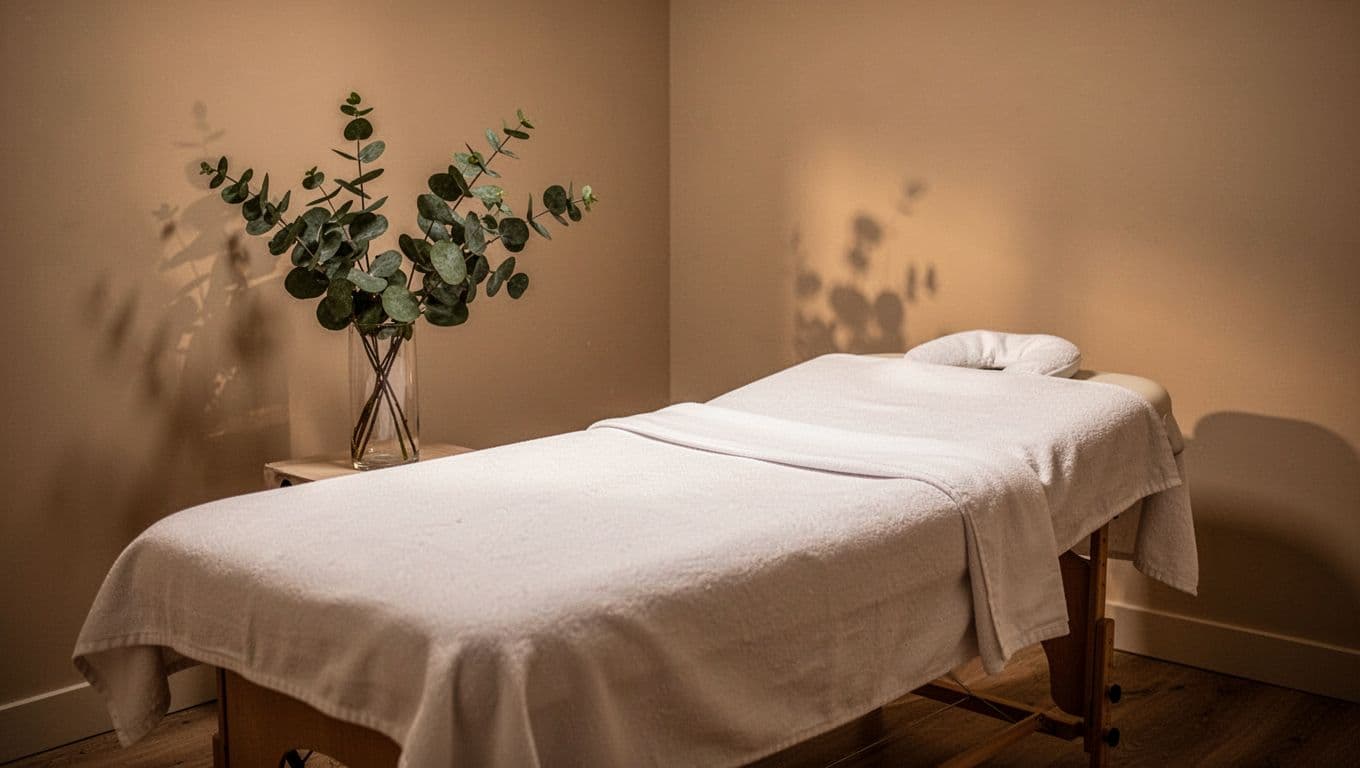 The therapist then gives you privacy to change to your comfort level. You should never feel pressured to remove more clothing than necessary. Once you lie on the table, the therapist uses a sheet or towel to cover your body, uncovering only the area being worked on. This practice is called professional draping.
During the massage, the therapist may begin with broad strokes across your back before moving to the shoulders, neck, arms, legs, and feet. The exact order depends on your booking and priorities. Warm oil or lotion can reduce friction, but you can request less oil or a different product if your skin feels uncomfortable.
Music may play softly, or you may prefer a quiet room. If you feel cold, ask for another towel or a warmer room. If the position strains your neck, hips, or knees, request a cushion or a different position. You can pause, adjust, or end the appointment at any time.
After the final strokes, take a moment before sitting up. Stand slowly because you may feel relaxed, warm, or slightly lightheaded after lying still. Drink water if you want it, take the rest of the day at an easier pace if your body needs that, and notice how your muscles feel over the next several hours. Water can support ordinary hydration, but it doesn’t remove supposed toxins from the body.
How to communicate pressure and protect your comfort
A good therapist checks your comfort early and adjusts the treatment without making you feel difficult. Speak up as soon as something feels wrong, rather than waiting for the session to end.
Natural phrases include:
- “Could you use lighter pressure here?”
- “Please spend more time on my shoulders.”
- “Can you use less oil?”
- “My neck feels strained in this position. Could I turn or use another pillow?”
- “That area is tender, so please skip it.”
- “Could we take a short break?”
- “Please stop the massage.”
Pain is not proof of a better massage. Strong pressure can leave you tense, bruised, or sore, especially when it ignores an injury or your current tolerance. Swedish massage should feel productive and comfortable, not like a test of endurance.
Professional conduct includes asking for consent before touching sensitive areas, respecting covered areas and stated boundaries, and explaining position changes before making them. The therapist should listen when you request lighter pressure or a pause. If they become defensive, dismiss your concerns, or continue after you say stop, end the session and leave.
Choosing between an in-spa appointment and an outcall massage
An in-spa appointment gives you a prepared room, a massage table, professional linens, and a clear setting for the service. You also avoid preparing your home and can leave the treatment space when the session ends. However, you must account for travel time, parking, traffic, and the spa’s cancellation policy.
An outcall therapist travels to your home, hotel, or apartment. This option may suit you after a long day, when you want more privacy, or when leaving the property is inconvenient. You will need a clean, quiet room with enough space for the table, good lighting, and a comfortable temperature. Ask whether the provider brings the table, sheets, oil, and music equipment.
Before confirming an outcall Swedish massage in Kenya, verify the therapist’s identity and the business contact details. Confirm the exact price, transport fee, arrival window, payment method, session length, cancellation rules, and professional boundaries. Also check that the service covers your part of Kilimani or your hotel location.
A short written confirmation can prevent confusion: “Please confirm the 60-minute Swedish massage price, transport charge, arrival time, payment method, and treatment address.” If the answers remain unclear, choose another provider. A professional booking should feel clear before the therapist arrives.
Finding the Right Swedish Massage in Kilimani, Nairobi
Kilimani has many spa and massage listings around Kindaruma Road, Kilimani Ring Road, Rose Avenue, Marcus Garvey Road, Ndemi Lane, and the Valley Arcade or Ngong Road corridor. That variety helps you find an appointment near home, work, or a hotel, but a listing alone doesn’t prove that the service matches your expectations.
Before booking a Swedish massage in Kenya, compare the therapist, treatment setting, communication, location, reviews, and full cost. A polished page may show attractive photos, yet the practical details often decide whether your appointment feels calm and professional.
 ### Questions to ask before you reserve a session
Start with the basics, especially if you are booking after work, arranging a couples massage, or visiting Kilimani for a short stay. Ask whether Swedish massage is available on your chosen date and who will provide the treatment. If you have a preferred therapist, confirm that person will handle the appointment rather than assuming availability from a general listing.
Request the current rates for both 60-minute and 90-minute sessions. Also ask whether the quoted amount includes taxes, massage oil, towels, parking, facility access, or transport. Outcall bookings need extra care because a low starting price may not include travel to your apartment, hotel, or office.
Use this short question list before making payment:
- Is Swedish massage available at my preferred date and time?
- Who will provide the treatment, and what experience do they have?
- What are the current 60-minute and 90-minute rates?
- Are oil, towels, taxes, parking, or transport included?
- Is the location easy to find, and is parking available?
- Are walk-ins accepted, or is advance booking required?
- What is the cancellation or rescheduling policy?
- Can the therapist adjust pressure during the session?
- Is the service strictly professional and wellness-focused?
- What payment methods does the spa accept?
Location details matter in Kilimani. A provider may list Kindaruma Road but operate inside a building with limited signage. Another may advertise Rose Avenue while using a nearby apartment or hotel for outcall appointments. Ask for the building name, floor, landmark, entrance instructions, and a contact number you can use if you get lost.
A professional provider should answer these questions without becoming vague or defensive. The service should also have clear boundaries. Swedish massage is a wellness treatment with proper draping, consent, and respectful communication. You should feel comfortable asking for lighter pressure, skipping an area, taking a break, or ending the session.
Keep written confirmation of the booking. Save the messages showing the date, arrival time, therapist, session length, total price, location, and any transport fee. This simple record protects both sides if the details change before your appointment.
How to compare prices, session lengths, and overall value
Public listings in Nairobi show a wide range of prices. Some Kilimani listings report different rates for 60-minute, 90-minute, in-call, and outcall sessions, while others promote packages or limited-time offers. One listing may advertise a Swedish massage at KSh 3,000 for an hour, while another charges more for a private room, a premium setting, or travel to your location. A public Kilimani massage price listing can give you a comparison point, but it shouldn’t replace direct confirmation.
Don’t treat one advertised price as the standard market rate. Rates can change with the therapist, time of day, location, package, and service type. Some listings also use terms such as “full body” or “luxury” without explaining what the appointment includes.
Compare the complete experience rather than the largest number on a price menu. Ask whether your session includes:
- A short consultation before treatment
- A private and clean treatment room
- Fresh towels, sheets, and suitable draping
- Massage oil or lotion
- Time for changing before and after the treatment
- Parking or access to a building reception
- Sauna, steam room, or other facility access
- Transport for an outcall appointment
- Extra charges for evenings, weekends, or multiple guests
Session length also affects value. A 60-minute booking may include consultation and changing time, or it may provide close to an hour of hands-on massage. A 90-minute appointment gives the therapist more time to cover the full body at a relaxed pace, or focus on tight shoulders, back, and legs without rushing.
For couples, confirm whether the spa provides two therapists and a suitable room. A couples booking isn’t automatically a synchronized massage, and the price may change if two therapists work at the same time. Visitors should also confirm whether the provider serves their hotel and whether the transport charge applies per trip or per person.
Direct confirmation is the safest way to check current Kenya shilling prices. Ask for the final amount in writing, including every fee. That answer gives you a better basis for comparison than a social media headline or an old directory entry.
What trustworthy reviews and business details look like
Useful reviews describe the appointment rather than simply praising the business. Look for comments about punctuality, cleanliness, pressure control, therapist professionalism, booking accuracy, and whether the service matched its description. A reviewer who explains that the therapist adjusted pressure after a request gives you more useful information than someone who writes only “amazing place.”
Check more than one source. A spa’s own website or social media page can show its current services, while an independent listing may reveal customer experiences. For example, a provider’s website may confirm its Kilimani location and opening hours, but those details still need a quick call before you travel. The Luxe Massage Spa listing is one example of a business page that provides location and contact information for a direct check.
Watch for warning signs such as vague reviews, repeated wording, unclear addresses, missing contact details, or photos that don’t show the actual treatment environment. Pressure to pay the full amount in advance deserves caution, especially when the provider won’t explain the cancellation policy or identify the therapist.
Recent information matters because hours, prices, staff, and locations can change. Read newer reviews first, then compare them with the current menu and booking messages. If a listing says one thing but the provider tells you something different, ask for clarification before sending money.
A reliable Swedish massage provider makes the booking feel straightforward. You know where to go, who will meet you, what the session costs, and what professional conduct to expect. That clarity is often a better sign than a heavily advertised discount.
What to Check Before Booking Kilimani Love Massage Spa
A relaxing Swedish massage in Kenya begins with a clear booking, not with guesswork. If you’re considering Kilimani Love Massage Spa, confirm the provider’s current details before traveling, sending money, or sharing your home address for an outcall appointment.
The business name alone does not confirm its location, services, prices, or professional standards. Online listings can become outdated, social media pages may show old promotions, and directory entries may remain visible after a business changes its hours or contact details. Use current information from the provider’s official channels, then ask direct questions before you book.
How to verify the spa’s current information
Start by finding the provider’s official website or active social profile. Check whether the page appears current, has recent posts, and provides consistent contact details. A page with no recent activity, copied photos, or vague booking instructions deserves extra caution.
Use this verification checklist before confirming your appointment:
- Confirm that the booking channel belongs to the business. Use the phone number, WhatsApp account, email address, or booking form shown on the official page.
- Ask for the exact physical address in Kilimani. Request the building name, nearby landmark, entrance instructions, floor, and room or reception details when relevant.
- Check the phone or messaging contact. Send a short message and confirm that the person responding can answer questions about the service.
- Verify the current business hours, including late-night, weekend, and public holiday availability.
- Ask whether Swedish massage is currently available, rather than assuming it appears on an old menu.
- Request the therapist’s name and ask about relevant training or qualifications.
- Confirm the total price for your chosen session length. Ask whether oil, taxes, parking, transport, or evening fees cost extra.
- Read recent customer feedback across more than one platform. Focus on comments about cleanliness, punctuality, communication, pressure control, and whether the advertised service matched the appointment.
- Ask about payment methods, deposits, cancellation terms, and rescheduling rules before you transfer money.
 A directory page can help you discover a provider, but it should not be your final source. Compare it with the business’s current page and written booking confirmation. If the directory lists one address while the person answering your message gives another, pause and ask for a clear explanation.
The same applies to pricing. A headline rate may cover only a short session or may exclude travel for an outcall booking. Ask for the final amount in writing, including the session length and every additional charge. You could write, “Please confirm the 60-minute Swedish massage price, exact location, appointment time, payment method, and cancellation policy.”
Confirm the details again on the day of your appointment. This step matters most for late-night bookings, weekend sessions, last-minute reservations, and outcall visits. Business hours can change, a therapist may become unavailable, or the meeting location may be different from an older post. A quick message before leaving can prevent a wasted trip.
For general hygiene considerations, a client safety checklist also recommends practical basics such as accessible handwashing supplies and clean, unobstructed treatment areas. You can review this massage client safety checklist when deciding what questions to ask.
The professional standards every client should expect
A professional Swedish massage should feel calm, respectful, and predictable. Before touching you, the therapist should explain the treatment, ask about your goals and health concerns, and obtain informed consent. You should understand what areas the session will cover and what type of pressure to expect.
The treatment room should have clean linens, suitable towels, and a private place for changing. The therapist should wash or sanitize their hands and use fresh supplies for each client. Proper draping is also essential. A sheet or towel should cover your body, with only the area being treated exposed.
Clear communication continues throughout the appointment. You can request lighter pressure, ask the therapist to avoid an area, change position, take a break, or end the session. The provider should respect those instructions immediately. You have the right to stop at any time, even if the session has just started.
Professional standards include:
- Consent before the treatment begins and before touching sensitive or unexpected areas
- Clean sheets, towels, surfaces, and massage equipment
- Hand hygiene before contact
- A private changing space
- Proper draping that protects your comfort and privacy
- A clear explanation of the session and its boundaries
- Respect for your personal information and stated preferences
- No unwanted contact, suggestive comments, or pressure to continue
- A clear price with no surprise charges at checkout
You should never feel pressured to accept another service, disclose private information, provide unnecessary personal details, or pay more than the agreed amount. If the provider changes the price after you arrive, refuses to explain a fee, or avoids questions about privacy and cancellation, you can leave without proceeding.
Ask whether the appointment is a professional wellness massage and whether the spa follows clear conduct and privacy policies. A respectful provider should answer without making you uncomfortable. Avoid descriptions that mix Swedish massage with adult-oriented offers or use unclear language about what the session includes. This is a nonjudgmental safety check, not a comment on anyone’s personal choices. You deserve to know exactly what you are booking.
Before payment, make sure the location, therapist, service, price, hours, and cancellation terms all match. When those details are clear, you can arrive at your Swedish massage in Kilimani feeling prepared rather than uncertain.
Prepare for a Better Swedish Massage and Know When to Skip It
A little preparation can make your Swedish massage in Kilimani more comfortable and useful. Plan your trip, arrive with clear expectations, and tell the therapist about anything that may affect the treatment. Massage should leave you feeling cared for, not pressured to ignore pain or health concerns.
Simple steps to prepare before you arrive
Kilimani traffic can change quickly, especially around busy roads and evening commute hours. Leave enough travel time to reach the spa without rushing. Arriving 10 to 15 minutes early gives you time to find the building, use the restroom, complete any intake form, and settle your breathing before treatment begins.
Keep your phone and booking confirmation with you. Save the provider’s contact number, appointment time, location details, therapist’s name, and agreed price. If you are using an apartment building, hotel, or office location, confirm the entrance and floor before leaving. A quick message can prevent confusion if the therapist or reception desk needs to guide you.
On the day of your Swedish massage in Kenya, eat normally but avoid a very heavy meal immediately before the session. A large meal can make lying face down uncomfortable and may leave you feeling sluggish. If you are hungry, choose a light snack or meal about an hour or two beforehand. Drink water as you normally would, but don’t force large amounts just before treatment.
Wear comfortable clothing that is easy to change out of and back into. Loose clothes and easy-to-remove shoes can feel better after a relaxing session. You don’t need to shave, apply special products, or meet a particular beauty standard. Your therapist is there to provide a professional service, not to judge your appearance.
Limit alcohol before the appointment. Alcohol can affect alertness, hydration, and your ability to judge pressure clearly. If you arrive feeling impaired, the provider may need to postpone the treatment for safety and consent reasons.
Before the massage starts, explain the pressure you want. You might prefer light pressure across your whole body and medium pressure around your shoulders. You can also request a quiet session, extra draping, a different room temperature, or no work on a sensitive area.
Remove jewelry that could catch on linens or interfere with the therapist’s hands. Take off necklaces, watches, bracelets, rings, and body jewelry near the treatment area. If you use a skin product, medication patch, or medical device, tell the therapist before they apply oil or lotion.
Share allergy information as well. Mention reactions to fragrances, essential oils, latex, lotions, or particular ingredients. You can ask what product the spa uses and request an unscented option if needed. Clear information helps the therapist choose products that are less likely to irritate your skin.
 ### Health situations that need extra care
Massage may not be suitable when your body is dealing with an acute illness, injury, or unstable medical condition. Tell the provider before booking if you are pregnant, recently had surgery, have a chronic illness, take regular medication, or have symptoms that concern you. Pregnancy and chronic conditions often require advice from a qualified clinician and a therapist trained to work with that situation.
A provider may need to modify the session, avoid certain areas, request medical clearance, or postpone treatment. The decision depends on your health history, symptoms, medication, and the type of massage. Do not hide information because you worry the booking will be refused. The goal is to choose a safe option.
Speak with a health professional before booking if you have:
- A recent injury, fracture, major surgery, or open wound
- A bleeding disorder or medication that thins the blood
- Numbness, tingling, nerve symptoms, or unexplained weakness
- A skin infection, contagious rash, open sore, or irritated area
- Unexplained swelling, especially in one limb
- A history of blood clots or a current concern about clotting
- Uncontrolled high blood pressure or unstable heart problems
- Severe or unexplained pain that has not been assessed
- Pregnancy, particularly if the pregnancy is high-risk or you have been advised to limit activity
The American Institute of Alternative Medicine’s massage contraindications guidance lists infectious illness, acute injury, blood clot risk, and uncontrolled medical conditions among situations that need special attention. A massage therapist can explain treatment limits, but they cannot diagnose the cause of serious symptoms.
A fever, flu-like illness, or contagious skin condition is a reason to postpone. Rest at home and follow medical guidance instead of bringing an infection into a shared treatment space. Recent surgery also requires clearance because pressure, positioning, or stretching may interfere with healing.
Ordinary post-workout tightness is different from a serious warning sign. Mild stiffness after exercise may respond well to rest, gentle movement, or a lighter massage. Sudden weakness, chest pain, trouble breathing, major swelling, fainting, or severe pain needs medical attention, not a massage appointment. If symptoms appear suddenly or worsen, seek urgent care.
Massage can support comfort, but it should never delay assessment of sudden or unexplained symptoms.
Aftercare and realistic expectations
After a Swedish massage, stand up slowly and give yourself a moment before leaving. Your body may feel loose, warm, or pleasantly sleepy. Gentle movement, such as an easy walk or light stretching, can help you transition back into your day without placing sudden demands on relaxed muscles.
Drink water according to your normal needs. You don’t need to force excessive fluids or follow claims about flushing toxins from the body. A regular meal, comfortable clothing, and a little rest are usually enough after an ordinary session.
If your muscles feel tender, skip intense exercise for the rest of the day. Avoid turning a relaxing treatment into a demanding workout, especially after firm pressure or focused work on tight areas. Mild, temporary soreness can happen, but strong pain, increasing swelling, bruising, fever, weakness, or symptoms that last should not be ignored.
Contact the provider if you have questions about what you feel after treatment. Seek medical care for serious, worsening, or unexplained symptoms. The massage safety guidance from Hands to Heal also identifies fever and contagious illness as reasons to avoid massage until the condition has resolved or a clinician has advised otherwise.
Massage works best as one part of a wider wellness routine. Sleep, regular movement, balanced meals, stress management, and appropriate medical care still matter. A Swedish massage can give your body a calmer hour in Kilimani, but it cannot replace the habits and treatment your health requires.
Conclusion
After the traffic, screen time, and demands of a busy day in Kilimani, a Swedish massage in Kenya can offer a calm hour to slow down and reconnect with your body. Its flowing strokes, kneading movements, and adjustable pressure make it suitable for people seeking relaxation and temporary relief from ordinary muscle tension.
The experience depends on more than the technique. A good provider explains the session, confirms the current price and services, maintains clean linens and proper draping, and respects your consent throughout the appointment. Before booking, verify the location, session length, total cost, cancellation terms, and whether the treatment matches your comfort level.
Choose a clean, professional spa, communicate clearly about pressure and sensitive areas, and treat massage as one part of healthy self-care alongside sleep, movement, and appropriate medical care. When you’re ready, confirm the details and book a session that gives you the restorative pause you came to Kilimani seeking.