
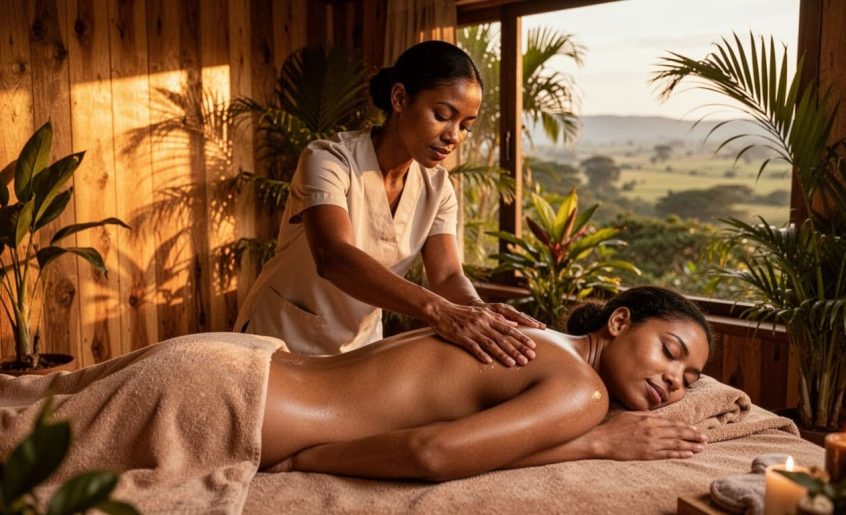
Full Body Massage: What to Expect Before Your First Session
Leaving a full body massage can feel like setting down a weight you didn’t realize you were carrying. Your shoulders may feel looser, your breathing calmer, and your movements more comfortable, especially after long hours at a desk, travel, exercise, or daily stress.
Before booking, you may want clear answers about what the treatment includes, which benefits are realistic, how to prepare, and what will happen during the appointment. You also need to know how to choose a safe, professional provider who respects your comfort, privacy, boundaries, and health concerns. A massage can ease muscle tension and support relaxation, but it shouldn’t replace medical care or promise results it can’t deliver.
If you’re considering a massage in Nairobi, this guide will walk you through the experience, practical preparation, and questions to ask before your session. It will also show you how to check the Kilimani Love Massage Spa Google Business Page for current reviews, location details, contact information, and posted hours before you make your booking. Next, we’ll look at exactly what a full body massage usually covers.
Full Body Massage: What It Includes and How It Works
A full body massage is a hands-on treatment that addresses several major muscle groups during one appointment. The therapist usually begins with broad, calming movements before spending more time where you hold tension. The session follows a plan, but it isn’t divided into equal portions for every body part.
Your goals, comfort level, health history, and appointment length all shape the experience. Before the massage begins, you and the therapist should agree on pressure, focus areas, draping, and any areas you don’t want touched.
Which Areas Does a Full Body Massage Cover?
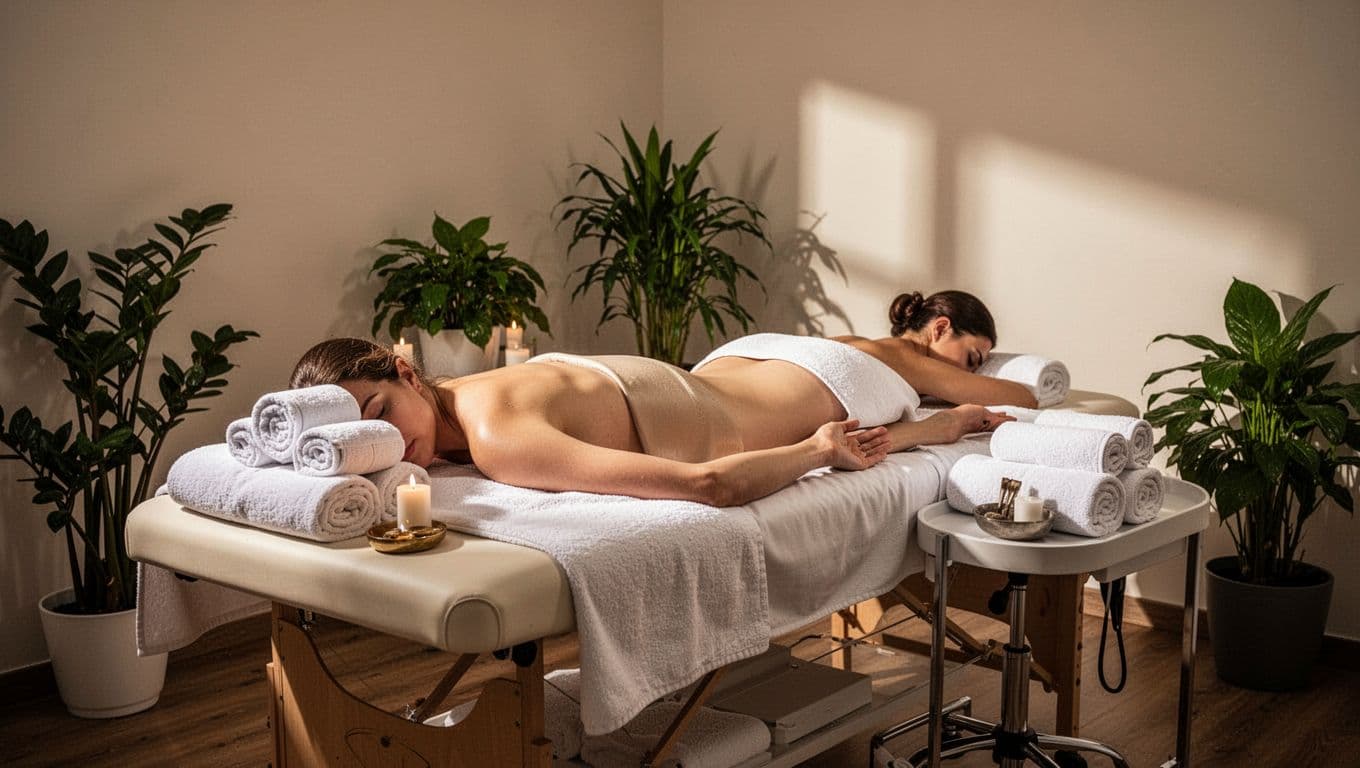 Most full body massages start with the back and shoulders because those areas often carry tension from desk work, driving, exercise, or stress. The therapist may use long strokes across the upper back, work around the shoulder blades, and spend extra time on tight muscles near the neck and spine.
After that, the treatment may include the arms, forearms, wrists, and hands. Your therapist might massage the palms and fingers, especially if you type, use tools, play an instrument, or perform repetitive work. The pressure should remain comfortable, and you can ask for less attention in any area.
The legs usually receive attention on both sides, including the thighs, calves, and areas around the knees. Many therapists then work on the feet, using gliding strokes, kneading, and gentle pressure across the soles. If your feet are sensitive or ticklish, say so before the session starts.
Neck work often comes near the end or follows the back treatment. The therapist may also include the scalp or head, particularly in a relaxation-focused massage. Some providers include the glutes through the sheet, while others leave them out unless you request that area.
Coverage varies by provider, massage style, and local service standards. The abdomen may be available as an optional area, but it should never be assumed. Chest tissue, inner thighs, glutes, and other sensitive areas require clear communication, appropriate draping, and your explicit consent. Genitals are not part of a professional full body massage.
The American Massage Therapy Association’s session guidance recommends discussing your physical condition, medical history, medications, and areas of concern with the therapist. That conversation helps the provider choose suitable techniques and avoid unnecessary discomfort.
Before booking, ask:
- Which body areas does your full body service include?
- Does the listed time refer to hands-on massage or the entire appointment?
- Are the scalp, abdomen, hands, feet, or glutes included?
- How does the provider handle draping and privacy?
- Can you request that an area be skipped?
- Who will perform the massage, and what training do they have?
A professional therapist should answer these questions without making you feel awkward. You remain in control throughout the appointment, and you can ask the therapist to stop, adjust pressure, change position, or leave an area uncovered only as much as you feel comfortable.
The Massage Techniques You May Feel
A therapist may combine several techniques during one session. Swedish-style massage often uses long, gliding strokes across the body. These movements warm the muscles, spread oil or lotion, and create a steady rhythm that helps you settle into the treatment.
Kneading feels more focused. The therapist lifts, squeezes, or rolls soft tissue with the hands and fingers, often around the shoulders, upper back, thighs, or calves. This technique can feel similar to gentle compression of a firm, tired muscle.
Friction uses smaller movements across a particular spot. You may feel circular pressure or short strokes around a tight area. Compression involves steady pressure into the muscle, sometimes with the palm, fingertips, or forearm. The therapist may hold that pressure briefly, then release it before moving to another area.
Light stretching can also appear in a full body massage. The therapist might guide an arm, rotate a shoulder carefully, or move a leg through a small range. These movements should feel controlled and comfortable. You should never feel forced into a stretch.
Pressure usually changes during the session. Broad strokes may feel light or moderate while the therapist warms the body. A tight knot near the shoulder may receive more concentrated work for a short period. However, focused pressure should still remain within your comfort level.
Deep pressure is not automatically better. Pain, bruising, or tensing your muscles does not prove that the massage is working.
Tell the therapist if pressure feels sharp, burning, pinching, numb, or too intense. Useful feedback includes “lighter on my calves,” “more pressure on the right shoulder,” or “please avoid my lower back.” A good therapist adjusts without treating your discomfort as a challenge.
How Long Should Your First Session Last?
A 60-minute massage is a practical starting point for many first-time clients. It gives the therapist enough time to cover the major areas while keeping the appointment manageable. You may receive a general full body treatment, with extra attention on one or two tense spots.
A 90-minute session gives the therapist more room to work slowly. You can spend longer on the back and shoulders while still allowing time for the arms, legs, feet, neck, and scalp. This option often suits people with several areas of tension or those who dislike feeling rushed.
A 120-minute appointment allows the most detailed coverage. The therapist can use a slower pace, revisit problem areas, and include more gradual transitions between positions. However, a longer session isn’t automatically the best choice for your first visit. Staying still for two hours may feel tiring, especially if you don’t yet know how your body responds to massage.
| Appointment length | Often works well for |
|---|---|
| 60 minutes | A first session or general relaxation |
| 90 minutes | Several tense areas and a slower full body treatment |
| 120 minutes | Extensive focus, gradual work, and clients who already enjoy longer sessions |
Check how the spa defines appointment time before paying a deposit. Travel time usually isn’t included, but consultation, changing, restroom breaks, and aftercare may or may not come out of the advertised duration. Ask whether “90 minutes” means 90 minutes of hands-on work.
For a first visit, 60 or 90 minutes usually offers a comfortable balance. Choose the longer appointment when you want careful attention across several areas and already feel comfortable with the provider’s approach.
The Benefits of a Full Body Massage You Can Reasonably Expect
A full body massage can leave you feeling calmer, more comfortable, and more aware of where you carry tension. These effects are usually supportive and temporary rather than guaranteed medical outcomes. Your response depends on your stress level, activity, health, pressure preference, and the therapist’s skill.
Massage works best as part of a broader routine that may include sleep, movement, hydration, medical care, and time away from daily demands. The experience can help you feel better in the moment, but realistic expectations make the first session more satisfying.
Relaxation, Stress Relief, and a Calmer Mind
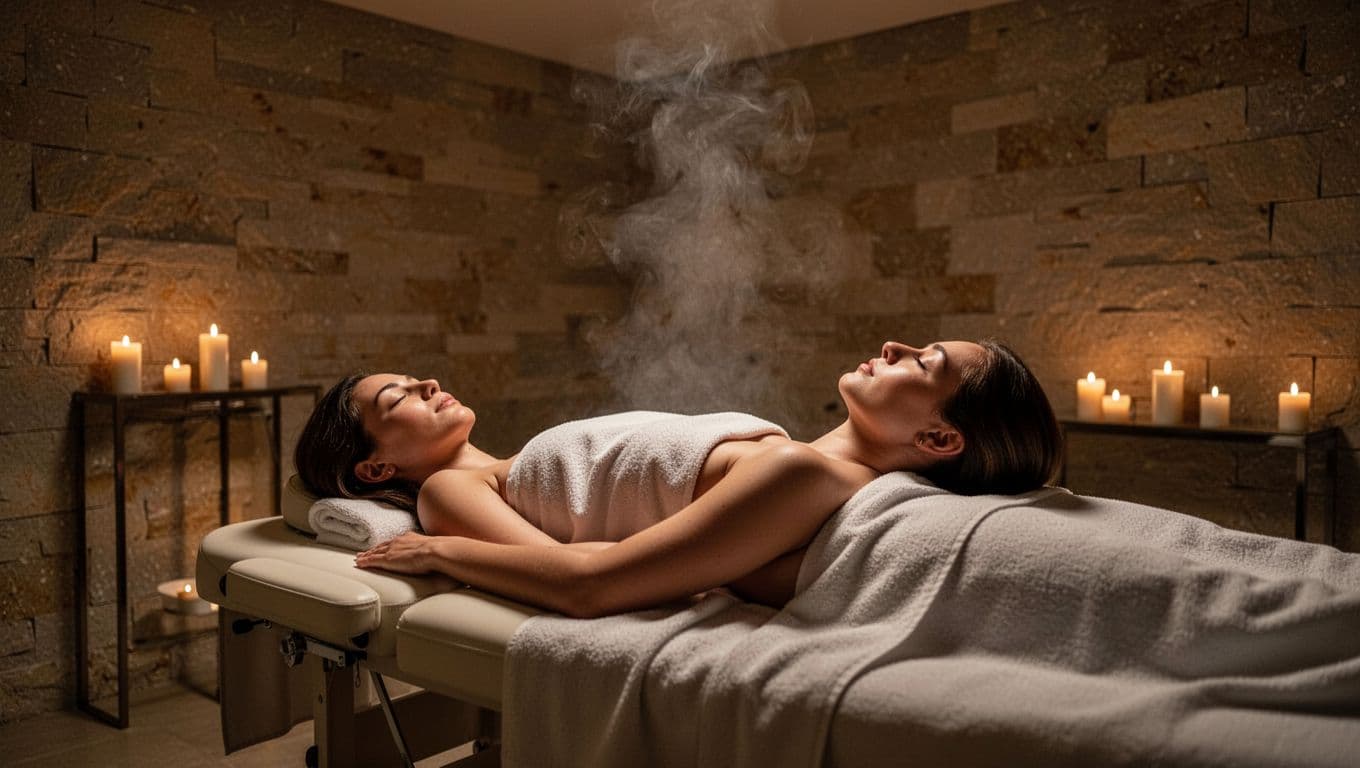 A quiet treatment room gives your attention somewhere else to go. Instead of answering messages, watching a clock, or moving between tasks, you can listen to steady music and notice the therapist’s measured touch. That break may help your body move away from a high-stress state.
Slow, repeated strokes can make your breathing less hurried. As your shoulders drop and your jaw relaxes, your muscles may stop bracing against the next demand. Some research has found short-term changes linked with relaxation, including lower heart rate and reduced stress measures, although results vary between people and studies.
The feeling is often simple: your thoughts become less crowded, and your body feels easier to inhabit. You might leave with a calmer mood, a softer expression, or a greater sense of physical space around the neck and shoulders. For some clients, that calm continues into the evening.
Massage may also improve body awareness. You may notice that you clench your hands while working, lift one shoulder when stressed, or hold your breath during concentration. Recognizing those patterns can help you make small changes after the appointment.
A massage can support relaxation, but it doesn’t replace care for anxiety, depression, panic symptoms, or ongoing emotional distress. A 2010 study of people with generalized anxiety disorder found improvement across several relaxation-based treatments, but massage wasn’t clearly better than the comparison treatments over the longer follow-up period. You can read the study on massage for generalized anxiety for a closer look at those findings.
If distress affects your daily life, speak with a doctor or mental health professional. Massage can be one comforting part of your routine, not the only support you rely on.
Muscle Tension, Stiffness, and Everyday Aches
Many people book a full body massage because ordinary habits leave their muscles feeling tired. Hours at a laptop can tighten the neck and upper shoulders. Long drives may make the hips and lower back feel stiff. Travel, exercise, repetitive work, or poor sleep can create similar discomfort.
During the session, broad strokes and kneading may help tight-feeling muscles soften for a while. Focused work around the shoulder blades can make it easier to turn your head. Gentle attention to the lower back and hips may make standing or walking feel more comfortable afterward.
Your calves can also benefit when they feel heavy after a long day on your feet. Massage around the feet may ease the sensation of pressure caused by walking, standing, or wearing uncomfortable shoes. Hands and forearms often appreciate the same treatment after typing, lifting, cooking, or using tools.
The benefit is usually temporary comfort, not a permanent correction. Massage doesn’t automatically fix poor workstation setup, weak muscles, an old injury, or a movement pattern that keeps returning. If the same tension comes back every week, consider what may be causing it and discuss the pattern with a qualified clinician or physical therapist.
Research supports possible short-term relief for some neck, shoulder, and lower-back pain, but the strength of evidence differs by condition. The National Center for Complementary and Integrative Health provides an evidence summary on massage therapy and emphasizes that massage should not delay appropriate medical evaluation.
Persistent, severe, worsening, or unexplained pain needs medical guidance. Contact a healthcare professional before booking if you have numbness, weakness, loss of movement, pain after an accident, or symptoms that interfere with normal activities.
Sleep, Circulation, and Post-Workout Comfort
Some people feel sleepy during or after a massage. The quiet room, slower breathing, and release of muscle guarding can make your body ready for rest. If stress or physical discomfort has been keeping you awake, a relaxing session may support better sleep that night, although it won’t cure insomnia or guarantee a full night’s rest.
You may also notice warmer hands, feet, or muscles after treatment. Massage creates movement in soft tissue and may temporarily affect local blood flow, while relaxation reduces the muscle tightening that can make an area feel restricted. These effects don’t mean the body is being “detoxed.” Massage doesn’t flush out unspecified toxins or replace normal liver and kidney function.
After exercise, gentle massage may help you feel less stiff and more comfortable as your body settles. A therapist can use lighter pressure on tired muscles and avoid forcing movement through soreness. This approach may fit well after moderate activity, especially when your goal is relaxation rather than intense work on a painful area.
Timing matters. A demanding session immediately after strenuous exercise may feel unpleasant if your tissues are already tender. Tell the therapist what you did, where you feel soreness, and whether the sensation is normal fatigue or sharper pain.
Do not use massage as the first response to a painful injury, sudden swelling, suspected fracture, severe bruising, or sudden unexplained pain. Those symptoms need professional assessment. Massage over an acute injury can worsen discomfort or delay the care you need.
What Massage Can and Cannot Treat
Massage is supportive wellness care. It may help with relaxation, temporary muscle discomfort, stiffness, and a general sense of physical ease. It can also give you a quiet period to notice how stress, sleep, work, and exercise affect your body.
However, a full body massage isn’t a cure for disease, nerve damage, serious injuries, infections, or chronic medical conditions. It cannot repair a fracture, treat an infection, remove a blood clot, or correct nerve compression. Claims that promise guaranteed healing, permanent pain relief, or detoxification deserve caution.
Tell your doctor or qualified clinician about symptoms that continue, return often, or grow worse. Ask whether massage is appropriate before booking if you have a bleeding disorder, take blood-thinning medication, have recently had surgery, are pregnant, have cancer, or live with another significant health condition.
Share relevant information with the therapist as well. A professional provider can adjust pressure, avoid sensitive areas, and explain when massage isn’t suitable. The safest expectation is modest but useful: you may leave feeling calmer, looser, and more comfortable, while medical care addresses the cause of any serious or ongoing problem.
What Happens During a Full Body Massage Appointment
A full body massage appointment usually follows a calm, predictable rhythm. You check in, discuss your needs, change privately, and settle under a sheet before the therapist begins. The treatment then moves through major muscle groups, with regular chances to adjust pressure, skip an area, or pause.
The exact order depends on the provider and your goals. Still, knowing what usually happens can make your first visit feel less unfamiliar.
Before You Arrive: Simple Preparation That Helps
Plan to arrive about 10 to 15 minutes early. That gives you time to check in, complete any health forms, use the restroom, and settle your breathing before the massage starts. Rushing through the door can make it harder to relax.
 Drink water normally during the day, but don’t force yourself to drink a large amount right before the appointment. You may need to use the restroom during the session if you do. A very heavy meal immediately beforehand can also make lying face down uncomfortable, so choose a lighter meal and allow time for digestion.
Wear clothing that’s easy to change. Loose pants, a simple shirt, and minimal jewelry make the transition easier. You won’t massage while fully dressed, but you can undress only to the level that feels comfortable. You can also review practical massage preparation and etiquette tips before your first visit.
Share relevant health information before the hands-on work begins. Mention recent injuries, surgery, pregnancy, allergies, skin problems, medications that affect bleeding, chronic pain, and areas that feel numb or unusually sensitive. You don’t need to share unrelated private details, but anything that could affect safety belongs in the conversation.
Avoid booking while intoxicated. Alcohol or recreational drugs can affect judgment, pain awareness, blood pressure, and your ability to communicate clearly. Reschedule if you have a contagious illness, fever, vomiting, a new unexplained rash, or feel too unwell to lie comfortably for the appointment.
A short preparation checklist can help:
- Arrive early enough to complete check-in without rushing.
- Eat lightly if you need food before the session.
- Bring up injuries, allergies, medications, and sensitive areas.
- Wear clothing that is easy to remove and put back on.
- Reschedule if you’re sick or impaired.
Consultation, Consent, Draping, and Privacy
A professional full body massage begins with questions, not immediate touch. The therapist may ask why you booked, where you hold tension, what pressure you prefer, and whether you have injuries or medical concerns. You should also be asked about allergies, areas to avoid, and any techniques that make you uncomfortable.
Use this time to set a clear plan. For example, you might request moderate pressure overall, extra time on your shoulders, light work on your legs, and no work on your feet. If you don’t know what pressure you prefer, say so. The therapist can start gently and adjust as you learn what feels right.
After the consultation, the therapist usually leaves the room while you change. You may remove clothing to your comfort level, then lie on the massage table under a sheet or towel. You do not have to remove all clothing. Many clients keep underwear on, and you can wear whatever allows you to feel secure while giving access to the areas you want treated.
Draping means the sheet covers your body except for the area currently being massaged. If the therapist works on your back, your back is uncovered while the rest of you stays covered. When the work moves to your leg, arm, or shoulder, the therapist covers the previous area before uncovering the next one.
You may begin face down for work on the back, shoulders, arms, glutes, and backs of the legs. Later, the therapist will tell you when to turn face up, then cover you again before continuing with the front of the legs, arms, hands, neck, or scalp. The therapist should explain position changes rather than moving you without warning.
Your consent continues throughout the appointment. You can ask to skip your abdomen, feet, scalp, glutes, or any other area. You can pause, stop, change the pressure, request more coverage, or end the session at any point. If you feel emotionally uneasy, say, “I need to pause,” and take a moment before deciding whether to continue.
You never owe a therapist silence, extra access, or a reason for changing your mind.
How to Communicate During the Session
Good communication protects your comfort and helps the therapist do better work. You don’t need special vocabulary. A clear sentence is enough.
Try these phrases when you need an adjustment:
- “Could you use lighter pressure here?”
- “Please spend more time on my left shoulder.”
- “That pressure feels good, but please stay at this level.”
- “Could you use less oil?”
- “I’m feeling cold. Could you add another blanket or warm the room?”
- “Please don’t work on my feet today.”
- “My neck feels sensitive, so please use a lighter touch.”
- “I need to reposition my arm.”
- “Please avoid my lower back.”
Useful therapeutic pressure can feel focused, strong, or mildly uncomfortable around a tight muscle. You should still be able to breathe normally and keep your body reasonably relaxed. Sharp pain, burning, pinching, electric sensations, numbness, or unbearable pressure are warning signs to report immediately.
Your muscles may tense when pressure becomes too much. That reaction is useful information, not a test you need to pass. Tell the therapist before discomfort builds. Remaining quiet to seem polite can leave you sore, anxious, or disappointed with the appointment.
Other comfort concerns are common. If you’re ticklish, ask for firmer, slower contact or request that the area be skipped. If the room feels cold, speak up. If the music, scent, position, or conversation bothers you, ask for a change. A professional therapist should respond without making you feel embarrassed.
Aftercare and Normal Feelings After Massage
Near the end, the therapist often uses slower, lighter strokes before stopping. You may receive a moment to rest, then the therapist leaves the room so you can dress privately. Take your time sitting up because some people feel sleepy, light-headed, or slightly unsteady after lying still and relaxing.
After dressing, drink water according to your normal thirst and move gently. A short walk, light stretching, or an easy shower may feel better than rushing straight into demanding activity. If your muscles feel tender, skip an intense workout until they settle.
Normal short-term feelings can include:
- Relaxation or sleepiness
- Thirst
- A mild sense of heaviness
- Pleasant warmth
- Mild muscle tenderness that fades fairly quickly
Payment, tipping, scheduling, and feedback usually happen after you leave the treatment room. Before heading home, note how your body feels and what you would change next time. You may prefer lighter pressure, a longer appointment, more shoulder work, or fewer areas.
Severe pain, major swelling, significant weakness, breathing trouble, a spreading rash, or symptoms that don’t settle need prompt medical attention. Contact a healthcare professional rather than booking another massage to investigate those symptoms. A good first appointment should leave you informed and comfortable enough to make clear choices about your next session.
How to Choose a Safe Massage Spa and the Right Treatment
Choosing a massage spa takes more than comparing photos and promotional prices. A professional provider should explain the service clearly, protect your privacy, keep the treatment room clean, and respond respectfully when you ask for changes.
Before you book a full body massage, check the details that affect your comfort and safety. A polished website cannot tell you how a therapist communicates once you are on the table. Your first conversation often reveals more than the spa’s decor.
 ### Questions to Ask Before You Book
The phrase “full body massage” doesn’t mean exactly the same thing at every spa. One provider may include the back, arms, legs, feet, neck, and scalp. Another may focus on the back and legs while treating the rest of the body briefly. Ask for a precise description before you pay a deposit.
Useful questions include:
- How long is the appointment, and how much of that time is hands-on massage?
- What is the total price, including taxes, products, service fees, or card charges?
- Which body areas are included, and which areas require a separate request?
- Who will perform the massage, and what training or professional qualifications do they hold?
- Do you offer Swedish, relaxation, sports, focused, or deep-pressure techniques?
- How do you handle draping, changing, privacy, and requests to skip an area?
- Can I choose the therapist’s gender if that affects my comfort?
- What is your cancellation, rescheduling, and late-arrival policy?
- Are the treatment rooms accessible for clients with mobility needs?
- What payment methods do you accept, and is a deposit refundable?
Also ask whether the therapist can adapt the session to your needs. Someone with office-related shoulder tension may want extra upper-back work, while a traveler may prefer a gentle treatment for general fatigue. If the answer is vague, rushed, or suggestive, choose another provider.
A clear booking description should state the session length, massage style, price, included areas, and important restrictions. Confirm the exact treatment in writing when possible. That small step prevents disappointment when the advertised service turns out to be different from what you expected.
Choosing Pressure and Massage Style for Your Needs
Pressure should match your comfort, goals, health history, fitness level, and previous experience. A stronger massage isn’t automatically more effective. When the pressure makes you hold your breath or brace your muscles, the session has moved beyond useful discomfort.
Light relaxation pressure uses slower, gentler strokes and broad contact. This can suit sensitive clients, people who feel anxious about their first massage, or anyone seeking a calm break rather than intense muscle work. It may also be appropriate when your body feels tired after a long flight or busy week.
Medium Swedish-style work offers a balanced starting point. The therapist may combine gliding strokes, kneading, and moderate pressure across the major muscle groups. This style often fits first-time clients, general relaxation, mild desk tension, and people who want a full body treatment without aggressive focus.
Stronger focused pressure targets particular areas of tightness. A therapist may spend more time on the shoulders after hours at a computer or on the calves after strenuous activity. Deep-pressure work can feel appropriate for some experienced clients with recurring muscle tension, but it should remain controlled and adjustable.
Your situation should guide the choice:
- Office tension often responds well to medium pressure around the neck, shoulders, upper back, forearms, and hands.
- Travel fatigue usually calls for light or medium pressure, especially after long periods of sitting.
- General relaxation is a good match for Swedish or calming massage with a steady pace.
- Post-exercise tightness may benefit from moderate, focused work, provided you don’t have a fresh injury or unusual pain.
- First-time clients often do best with light-to-medium pressure that can increase gradually.
Tell the therapist what you want before the session begins. You can request medium pressure overall and lighter work on sensitive areas. A good provider checks in during the massage instead of expecting you to tolerate discomfort silently.
Safety Red Flags and When to Postpone Massage
Massage is not suitable for every situation. Postpone your appointment if you have a fever, contagious illness, active skin infection, open wound, or a new rash that has not been assessed. You also need medical advice for unexplained swelling, sudden severe pain, or symptoms that began after an accident.
Blood clots and clotting concerns require particular care. Speak with a clinician before massage if you have a history of blood clots, a diagnosed clotting disorder, unusual bleeding, or take medication that affects clotting. Do not ask a massage therapist to assess a possible clot.
Recent surgery, a severe acute injury, uncontrolled high blood pressure, or a suspected fracture also calls for medical guidance before treatment. Massage over healing tissue or an undiagnosed injury may increase discomfort or delay appropriate care. A professional massage safety guide lists fever, infectious skin conditions, blood clots, and bleeding disorders among common safety concerns.
Pregnancy-related questions deserve individual advice. Tell the spa that you are pregnant and ask whether the therapist has suitable training. Your prenatal care provider can explain whether massage is appropriate, which positions are safe, and whether any symptoms require evaluation first.
Disclose relevant health conditions, allergies, recent procedures, medications, numbness, and areas of altered sensation. You don’t need to reveal unrelated personal information, but the therapist needs enough detail to make safe choices. If a provider dismisses your concerns or promises to treat a serious medical problem, leave.
Privacy and consent are also safety issues. The therapist should explain draping, leave you to change privately, and treat sensitive areas only with clear permission. Professional rules in Georgia, for example, prohibit violations involving client privacy, exposure, nudity, or sexual activity, as stated in its massage professional conduct rules. Local requirements vary, but respectful boundaries should never vary.
Price, Value, Reviews, and Professional Standards
Massage prices vary with location, appointment length, therapist experience, spa setting, products, and specialty techniques. A resort or hotel may charge more for its setting and convenience. A longer appointment, hot stones, aromatherapy, or focused work may also raise the total.
Compare the actual hands-on time, not only the headline rate. A low-priced 90-minute booking may include consultation, changing, and breaks, while a higher-priced session may provide 90 full minutes of massage. Ask about deposits, cancellation charges, taxes, tips, add-ons, and payment methods before confirming.
Reviews help when you read them for repeated patterns. Look for consistent comments about cleanliness, punctuality, communication, pressure adjustments, privacy, and whether the service matched its description. One dramatic review may reflect a misunderstanding or an unusual incident, so compare several recent reviews across more than one platform.
Pay attention to how the spa responds to criticism. A calm, specific response suggests better service habits than a reply that insults the reviewer or dismisses every concern. Photos can show the room, but reviews often reveal whether staff change linens, honor booking times, explain charges, and respect boundaries.
Use this short decision check before you book:
- Confirm the exact massage style, included areas, session length, hands-on time, and total price.
- Verify the therapist’s training and ask whether the provider can accommodate your health or accessibility needs.
- Check recent reviews for repeated comments about cleanliness, consent, punctuality, and communication.
- Postpone the appointment and seek medical advice if you have a health concern that massage could aggravate.
- Choose the spa where you feel informed and respected, not simply the one with the lowest price.
A safe full body massage begins before the first stroke. Clear answers, realistic service descriptions, clean surroundings, and respectful communication give you a better chance of enjoying the treatment you actually intended to book.
Kilimani Love Massage Spa Google Business Page: What to Check Before Visiting
A Google Business Page can help you plan a visit to Kilimani Love Massage Spa before you leave home. It can show the address, map location, hours, contact options, photos, reviews, and recent updates in one place. Still, treat the listing as a planning guide rather than a final booking confirmation. Business information can change, and online details may not update at the same time.
Kilimani Love Massage Spa is associated with Jade Residency on Kindaruma Road, Kilimani, Nairobi. The listed hours show 8 a.m. to 6 p.m. on weekdays and 12 p.m. to 5 p.m. on Saturday. Check the current Google Business Page before traveling, then confirm the appointment directly with the spa.
How to Read the Google Business Page Carefully
Start with the map pin and address. The pin should place the business at Jade Residency on Kindaruma Road in Kilimani, Nairobi. Open the map and review the surrounding streets before your appointment. A pin can help you estimate travel time, identify nearby landmarks, and see whether the entrance appears to sit inside a larger residential or commercial property.
The address also helps you avoid a common first-visit problem: arriving in the right neighborhood but at the wrong entrance. If the listing shows Jade Residency, ask the spa which entrance, floor, unit, or reception point you should use. Don’t assume that a map pin provides every detail needed to enter the building.
Next, check the business category. The category can indicate whether Google recognizes the listing as a massage service, spa, or another type of wellness business. It gives useful context, but it doesn’t describe every treatment available. A category alone cannot confirm that a full body massage is offered on your chosen date.
Review the posted hours with care. The current listing shows weekday hours of 8 a.m. to 6 p.m. and Saturday hours of 12 p.m. to 5 p.m. Look for special hours around holidays, public events, or other dates that may affect your plans. If you want an early weekday appointment or a Saturday visit, contact the spa before setting out.
The phone, message, and directions buttons each support a different part of your planning. Use directions to estimate the route. Use the phone or message option to ask about availability, service details, and the best way to enter Jade Residency. Save the contact information after you receive a response, especially if you need help finding the spa on arrival.
Photos can show the treatment room, entrance, reception area, building exterior, towels, or general atmosphere. Look for recent photos and compare them with the current address. Older images may no longer show the present setup. Photos can help you recognize the property, but they don’t prove that a specific therapist, room, service, or amenity will be available during your visit.
Reviews are most useful when you read several recent ones instead of relying on the overall star rating. Look for repeated comments about booking communication, cleanliness, punctuality, privacy, pressure adjustments, and whether the service matched its description. A single review rarely tells the whole story, while repeated patterns deserve your attention.
Pay attention to dates. A strong review from several years ago may not describe the current staff, hours, prices, or booking process. Recent reviews can also reveal whether customers mention changes to the location or difficulty reaching the spa.
Google may display updates, service listings, and booking options under the main profile. Check whether the full body massage description includes a session length, included areas, current price, and booking method. If the listing shows only a general service name, ask the spa for the missing details rather than filling in the gaps yourself.
Owner replies provide another useful clue. A professional response should address the review clearly and avoid insulting or dismissing the customer. Replies don’t prove that every concern has been resolved, but they show how the business communicates in public. You can also check whether the owner responds to questions about hours, services, and location.
A Google listing can help you find the spa, but only direct confirmation can tell you whether your requested massage is available today.
 ### Questions to Confirm With Kilimani Love Massage Spa
Before you book, send a short message or make a call. Keep the questions together so you receive a clear answer rather than scattered details.
- Is a full body massage available on my chosen date and at my preferred time?
- Which body areas does the service include?
- How long is the hands-on treatment?
- What pressure styles are available, such as light, medium, or firm pressure?
- What is the current total price?
- Which payment options do you accept?
- Is a particular therapist available, or will the spa assign one?
- How are changing, draping, privacy, and requests to skip an area handled?
- What is the cancellation or rescheduling policy?
- Is the location inside Jade Residency on Kindaruma Road?
- Which entrance or reception point should I use?
- Are the current hours still 8 a.m. to 6 p.m. on weekdays and 12 p.m. to 5 p.m. on Saturday?
Ask whether the quoted appointment time includes consultation and changing or refers only to hands-on massage. Also mention any injury, pregnancy, medication, allergy, skin condition, or sensitive area that could affect the session. You don’t need to provide unrelated personal information, but relevant health details help the provider decide whether adjustments are needed.
Save the spa’s reply, booking message, or confirmation on your phone. If the answer changes after you arrive, you can compare the agreed service with the new proposal before deciding whether to continue. Professional massage standards emphasize clear communication, hygiene, and respectful conduct, as described in the AMTA standards of practice.
A Practical First-Visit Checklist for Kilimani
Plan your route before appointment day. Check traffic, parking, walking distance, building access, and your expected arrival time. If you use a ride service, keep the Jade Residency address and the spa’s contact number available. Give yourself enough time to find the correct entrance without rushing into the treatment room.
Arrive about 10 to 15 minutes early when possible. You may need time to check in, use the restroom, complete a consultation, and discuss pressure preferences. Save the appointment confirmation, payment details, and any directions in your phone. Carry only what you need, including identification, a phone, payment method, and any essential medication.
During the consultation, describe your goals in plain language. You might request medium pressure, extra attention to the shoulders, and no work on the abdomen or feet. You can also ask for more coverage, a different position, less oil, or a pause at any point.
Respectful boundaries apply throughout the appointment. The therapist should explain the treatment, let you change privately, use appropriate draping, and ask before working near sensitive areas. You can refuse any technique or body area, change your mind, stop the massage, or leave without defending your decision.
Leave if the setting feels unsafe, the service differs from what you agreed to, or staff ignore your consent and privacy requests. You also have the right to leave if the price changes without a clear explanation or if the staff pressure you to accept an unwanted service. A relaxing full body massage should begin with accurate information and continue with control, communication, and respect.
Conclusion
A full body massage can offer a soothing pause when everyday tension settles into your shoulders, back, legs, or mind. It may help you feel more relaxed and comfortable, but realistic expectations matter. Massage supports wellness and temporary relief, while ongoing pain, injury, or other health concerns still need appropriate medical care.
The best session is tailored to your needs, comfort level, pressure preference, and health history. Compare providers carefully, confirm the current hours, location, services, and reviews on the Kilimani Love Massage Spa Google Business Page, and ask what the appointment includes before booking. Clear answers about pricing, hands-on time, draping, privacy, and therapist training can make your first visit feel much easier.
During the treatment, speak up if the pressure, temperature, position, or technique doesn’t feel right. You can ask to skip an area, request more coverage, pause, or stop at any time. When comfort and communication guide the experience, booking a full body massage becomes a simple way to create room for rest.