
Thai Massage in Kilimani: What to Expect Before Your First Session
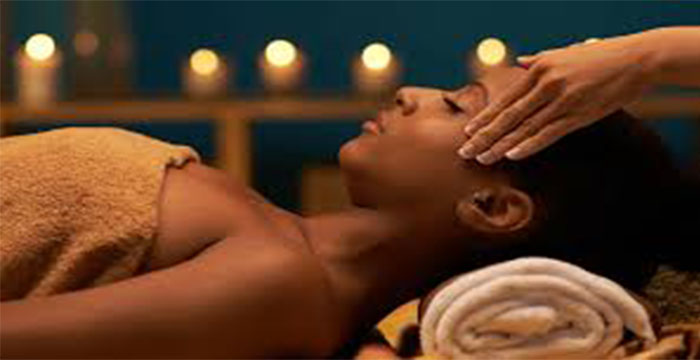
The city noise fades as you step into a calm Nairobi spa, where soft music, warm towels, and the scent of essential oils create a welcome pause after a busy day. In a comfortable room in Kilimani, Thai massage can help ease tight muscles, support freer movement, and give your mind space to slow down.
Unlike a typical oil massage, Thai massage uses assisted stretches, rhythmic pressure, and steady compression while you remain dressed in loose, comfortable clothing. Your therapist can adjust the pressure, pace, and stretches for a first-time visitor, a regular client, or anyone with specific comfort needs. You can also share areas of tension, previous injuries, or movements that feel uncomfortable before the session begins.
Choosing Thai massage in Kilimani is easier when you know what to expect. This guide explains how the treatment works, what a session feels like, the benefits it may offer, and the safety questions to consider. It also covers typical prices and timing, plus practical ways to choose a trusted spa that listens to your needs. Next, you’ll see how Thai massage differs from other treatments and why that difference matters before you book.
Thai Massage in Kilimani: What the Experience Is Really Like
Thai massage feels different from the moment you enter the treatment room. Instead of preparing to lie under a sheet on a padded table, you usually change into loose clothing and settle onto a firm mat or cushioned floor surface. The room may feel calm and private, but the treatment itself is more active than many first-time visitors expect.
A trained therapist may use steady pressure, gentle rocking, assisted stretches, and slow movements that guide your body through a wider range of motion. You remain involved throughout the session, even when your eyes are closed. The therapist moves your limbs, but you still communicate what feels comfortable and what does not.
That setup can suit office workers with stiff hips, Kilimani residents fitting wellness care into a busy week, travelers recovering after long flights, and anyone who wants focused bodywork without rushing through the appointment. The experience should feel measured and controlled, never forced.
 ### How Thai Massage Differs From an Oil or Swedish Massage
Thai massage, oil massage, and Swedish massage can all help you relax, but they create that feeling in different ways. The clearest difference is the treatment setup.
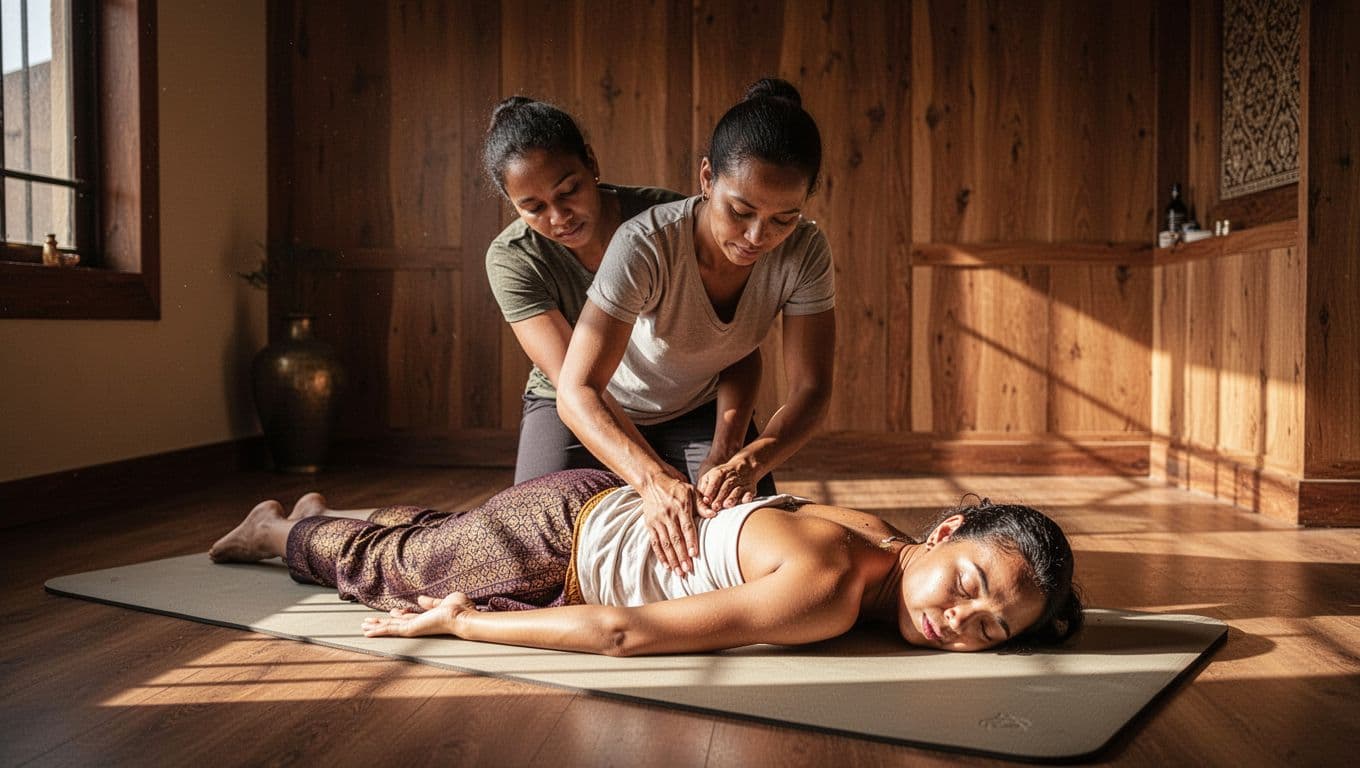
During traditional Thai massage, you typically wear clean, loose-fitting clothing that allows your arms and legs to move freely. The therapist works over clothing, so the session doesn’t depend on oil or direct skin contact. You usually lie on a mat or firm padded surface rather than a raised massage table.
An oil-based or Swedish massage usually takes place on a massage table. You undress to your comfort level and remain covered with a sheet, exposing only the area being treated. The therapist applies oil or lotion to help the hands glide across the skin. Long, flowing strokes are common, along with kneading and lighter or firmer pressure in selected areas.
The massage surface changes the feeling of the treatment. A firm mat gives the therapist a stable base for controlled stretches and body positioning. A table supports a more restful experience, especially when you want to remain still while the therapist works through tight muscles.
Pressure also feels different. Thai massage may include compression with the hands, thumbs, forearms, or other parts of the body. The therapist might press along areas of tension, pause at a tight spot, then guide a joint through a gentle stretch. Swedish massage often uses gliding strokes, kneading, friction, and rhythmic pressure across the muscles.
Your role changes as well. With Thai massage, you may turn, bend a knee, extend an arm, or allow the therapist to move your body into a stretch. You don’t need to perform the movements yourself, but your relaxed participation helps the session flow. Swedish and oil massage usually ask less movement from you, so you can settle into stillness while the therapist does the work.
| Feature | Thai massage | Oil or Swedish massage |
|---|---|---|
| Clothing | Loose, comfortable clothing | Draping with exposed treatment areas |
| Surface | Mat or firm padded floor | Massage table |
| Oil | Usually not required | Oil or lotion is commonly used |
| Movement | Assisted stretches and repositioning | Mostly still, with the therapist working over muscles |
| Pressure | Compression and focused pressure | Gliding strokes, kneading, and varied pressure |
| Client’s role | Relaxed participation and feedback | Mainly resting and communicating comfort |
If you enjoy assisted stretching and want to feel more involved, Thai massage may suit you well. It can feel similar to having someone guide your body through slow, supported mobility work. On the other hand, people who prefer warmth, stillness, and flowing strokes may feel more at home with an oil-based treatment.
Neither style is automatically better. Your choice depends on your comfort, energy level, clothing preference, and what you want from the appointment. Many spas can also adapt the session by reducing stretches, changing pressure, using less oil, or focusing on one area. Mention your preferences before treatment begins so the therapist can shape the experience around you.
What Happens Before, During, and After Your Appointment
Your visit usually begins at reception, where you may complete a short intake conversation. Tell the spa about recent injuries, chronic pain, pregnancy, surgery, medical conditions, or movements that cause discomfort. You should also mention whether this is your first Thai massage and whether you prefer light, medium, or firm pressure.
Arriving a few minutes early gives you time to settle in without carrying traffic or work stress into the room. Avoid a heavy meal immediately before treatment, since stretches and pressure around the abdomen can feel uncomfortable when you’re too full. A light snack and water are usually easier on your body.
Before the massage starts, the therapist should explain the setup and provide suitable clothing if needed. You may wear loose pants and a comfortable top, or use clothing supplied by the spa. Remove anything that restricts movement, such as a tight belt, bulky jewelry, or stiff outer layers.
During the treatment, the therapist may begin with gentle pressure and rocking to assess how your body responds. The pace should remain steady. You might feel compression along your back or legs, followed by a supported stretch through the hips, shoulders, or ankles.
A professional therapist checks in during larger stretches and changes position when necessary. You can ask for less pressure, a slower pace, a different technique, or no stretching in a particular area. Clear feedback helps the therapist work safely and prevents you from silently tolerating discomfort.
A stretch can feel strong without being painful. Sharp, pinching, burning, or sudden discomfort is a reason to speak up immediately.
Thai massage should never feel rushed or forced. Your body may need time to release, especially if you spend long hours at a desk or commute through Nairobi traffic. If a movement feels too intense, the therapist can shorten the range, support the joint differently, or choose another technique.
Afterward, stand up slowly and give yourself a moment to notice how you feel. Some people leave feeling lighter and more mobile, while others feel calm and ready for a quiet break. Drink water if you feel thirsty, but don’t treat hydration as a cure or a requirement to force large amounts of fluid.
If possible, leave a little time before returning to errands or demanding exercise. Sitting quietly for several minutes lets your breathing and movement return to normal. You can also tell the therapist which areas felt helpful and which techniques you would prefer to change during your next Thai massage appointment in Kilimani.
How Long Should a First Thai Massage Session Be?
The right appointment length depends on your schedule, comfort, and treatment goals. A shorter session can work well for a first visit, a busy workday, or focused attention on one area, such as the neck, shoulders, lower back, or legs.
A longer appointment gives the therapist more time to work across the body at an unhurried pace. It may allow additional stretches, more gradual transitions, and attention to areas that a shorter session would leave out. However, a longer booking doesn’t mean you should endure discomfort or remain active without breaks.
For beginners, a moderate session is often a practical starting point. You can learn how Thai massage feels without committing to an extended treatment before you know how your body responds. If you already enjoy stretching-based bodywork, a longer visit may feel more suitable.
Ask the spa what each package includes before booking. Two appointments with the same advertised length may differ in focus, consultation time, changing time, or the areas covered. Find out whether the treatment is full-body, targeted, or adjusted for your concerns.
A proper first appointment should still include a health and comfort conversation, regardless of duration. The therapist should explain what will happen, agree on pressure, and make room for pauses when needed. A longer session should give you more comfort and coverage, not less communication.
Research on traditional Thai massage has examined short-term changes in pain, disability, stress, and heart-rate variability, including this clinical study of Thai massage. Those findings don’t predict exactly how you will feel after a session, so treat your first appointment as a personal learning experience. Notice how your body responds, then use that information to choose the length and style that fit you best.
Why People Choose Thai Massage in Kilimani for Everyday Wellness
Thai massage often fits into ordinary life because its benefits connect with familiar routines. A long workday, a crowded commute, or a weekend workout can leave your body feeling tight and your mind still switched on. With rhythmic pressure, assisted movement, and stretching, a session may help you feel more comfortable in your body without turning wellness into another demanding task.
Many people choose Thai massage in Kilimani as a regular self-care appointment rather than waiting until discomfort becomes overwhelming. The service is intended for relaxation and general well-being, not as a replacement for medical diagnosis or treatment. Your experience will depend on your health, activity level, communication with the therapist, and the techniques used during the session.
 ### Relief From Stiffness After Sitting, Driving, or Training
Daily routines can leave the body feeling as if it has been folded into the same shape for too long. Hours at a desk may create tension around the neck and shoulders, especially when you keep your head forward while looking at a screen. Long drives or commutes can also leave the lower back, hips, and legs feeling restricted.
Exercise creates a different kind of tightness. A recreational runner may notice tension through the calves, hamstrings, or hips. Someone who lifts weights may feel stiffness around the shoulders, back, or legs the next day. Even a weekend hike can make ordinary movements feel less fluid for a while.
Thai massage addresses these sensations with controlled pressure and supported movement. A therapist may compress a tense muscle, guide an arm through a gentle range of motion, or assist with a stretch while you remain relaxed. The combination can create a temporary sense of space around the joints and ease in areas that have felt held or restricted.
That response doesn’t mean the massage has repaired an injury or corrected a long-term posture issue. It simply means your body may feel more comfortable after receiving focused attention. A 2017 clinical study examined traditional Thai massage and joint mobilization for short-term pain and disability outcomes, but research findings don’t predict the result of every individual session. You can read the clinical study on Thai massage for more detail.
Before treatment begins, tell your therapist what causes the tension. Explain whether it appears after typing, driving, running, strength training, or standing for long periods. That information helps the therapist adjust the pressure, avoid uncomfortable movements, and focus on the areas that matter most to you.
A Calmer Mind After a Demanding Nairobi Day
Physical tension is only part of what brings people to a massage spa. After traffic, phone notifications, meetings, and unfinished tasks, many people want an hour without another demand on their attention. A quiet treatment room creates a clear pause between the day’s pressure and whatever comes next.
Thai massage can support relaxation through a steady pace rather than constant stimulation. The therapist may use rhythmic compression and slow movement while you follow a comfortable breathing pattern. Focused touch gives your attention something simple to notice, such as the pressure along your shoulders or the gradual movement of a supported leg.
Some clients feel very relaxed after a session and want a quiet evening. Others leave feeling refreshed and alert, especially when the treatment includes more active stretching. Both responses are normal. The goal isn’t to produce one fixed mood, but to give your body and mind a chance to step away from work and traffic for a while.
You can make the transition easier with a few simple choices:
- Drink water when you feel thirsty after the appointment.
- Take a gentle walk if your body feels comfortable moving.
- Leave demanding exercise, rushed errands, or a packed schedule for another time when possible.
- Notice how your body feels before you decide whether you need more rest.
A massage may help you feel less wound up, but it doesn’t remove the causes of ongoing stress. Regular sleep, movement, medical care when needed, and reasonable breaks still matter. Thai massage works best as one practical part of a wider wellness routine.
Support for Flexibility, Body Awareness, and Easier Movement
Assisted stretching can sound intense if you’ve never experienced it, but the process should remain collaborative. You stay relaxed while the therapist supports and guides your limbs through slow movements. You don’t need to force a stretch or hold a difficult position on your own.
Your feedback sets the limit. Tell the therapist when a stretch feels strong, uncomfortable, or unsuitable. A professional can reduce the range, change the angle, add support, or skip that movement. The aim is a controlled sensation, not a test of how far your body can go.
For people who sit often, assisted movement may bring attention to stiff hips, limited shoulder movement, or tension in the back of the legs. Recreational exercisers may appreciate a session that helps them notice how one side feels different from the other. Others simply want to turn, reach, bend, or walk with less stiffness during everyday activities.
The looseness you notice after a session may be temporary. Lasting flexibility usually depends on regular movement, strength work, recovery, and habits that support your body between appointments. A massage can help you recognize areas that need more attention, but it can’t replace an active routine.
Body awareness is often just as useful as increased movement. You may notice that your shoulders rise during stressful work, that you favor one leg while standing, or that your hips feel tight after a long commute. Those observations can help you take short movement breaks and adjust your daily habits before stiffness builds.
Who May Need a Gentler Approach or Medical Advice First
Thai massage is a wellness service, so discuss important health details before booking. Tell the spa or therapist if you are pregnant, recently had surgery, have a fracture, experience severe or unexplained pain, or have concerns about blood clots. Also disclose osteoporosis, uncontrolled health conditions, or any medication or treatment that may affect your safety.
Some clients may need medical clearance before massage. Others may benefit from a modified session with gentler pressure, fewer stretches, different positioning, or no work on a particular area. Sharing this information isn’t a formality. It gives the therapist a chance to decide whether the appointment can be adapted responsibly.
You should also mention numbness, unusual weakness, recent falls, or symptoms that change quickly. Massage should not be used to investigate or diagnose these concerns. A health professional can help determine what care is appropriate.
During the session, sharp pain, burning, numbness, dizziness, or unusual discomfort is a reason to speak up immediately. The therapist should stop or change the technique rather than ask you to tolerate it. If symptoms continue afterward or seem serious, seek appropriate medical care.
A short, honest conversation before Thai massage in Kilimani can make the appointment more comfortable and useful. Share what you do each day, where you feel tight, and what your body cannot tolerate. That information helps keep the session focused on everyday wellness while respecting your health needs.
Kilimani Love Massage Spa: What to Look for in a Local Thai Massage Visit
Kilimani Love Massage Spa may be one local option to consider when you’re comparing places for Thai massage in Kilimani. A good choice begins before you enter the treatment room. Clear answers about the service, therapist, cost, safety, and booking process help you avoid surprises and make it easier to decide whether the spa fits your needs.
Because services and policies can change, confirm the current details directly with the spa before you book. Ask what type of massage is available, how the appointment works, and what you need to bring. A short call or message can tell you more than a polished photo or a general service description.
Questions to Ask Kilimani Love Massage Spa Before Booking
You don’t need a long script. A few direct questions can clarify the experience and show whether the spa communicates with care. You can send a message like this:
- “Is the appointment a traditional Thai massage, or is it an oil-based Thai massage variation?”
- “Will I stay fully dressed, and does the spa provide loose clothing if I need it?”
- “Is the treatment performed on a floor mat, a padded mat, or a massage table?”
- “Can the therapist adjust the pressure and reduce or skip assisted stretching?”
- “May I request a therapist of a particular gender?”
- “What training or experience does the therapist providing Thai massage have?”
- “How do you handle privacy during changing and treatment?”
- “What is the current price for the session I want, and what duration does that price cover?”
- “Is a consultation included in the appointment time?”
- “Do you require a deposit, and under what conditions is it refundable?”
- “What is the cancellation or rescheduling policy?”
- “Which payment methods do you accept?”
- “Is parking available, and what is the easiest way to find the entrance?”
- “Are there stairs, an elevator, or any access issues I should know about?”
- “Can the session be modified if I have an old injury, recent strain, or health concern?”
- “Should I speak with a doctor before booking because of my condition?”
These questions matter because the phrase “Thai massage” can describe different treatments. Traditional Thai massage commonly involves loose clothing, rhythmic pressure, repositioning, and assisted stretches. An oil-based variation may use a table, draping, and oil. Neither option is automatically better, but you should know which one you’re paying for.
If you have knee pain, a shoulder injury, recent surgery, numbness, severe pain, or another concern, explain it before making a deposit. Ask whether the therapist can avoid certain movements or whether the spa recommends medical advice first. General massage information cannot replace an assessment from a qualified health professional, especially when symptoms are new or unexplained. Research on traditional Thai massage has examined short-term pain and disability outcomes, but results from a study cannot predict how every person will respond. You can review this research on Thai massage effectiveness for context.
Before paying, repeat the agreed details in writing: treatment type, duration, price, deposit amount, appointment time, and cancellation terms. That message gives both sides a clear reference.
Signs of a Professional, Comfortable Spa Environment
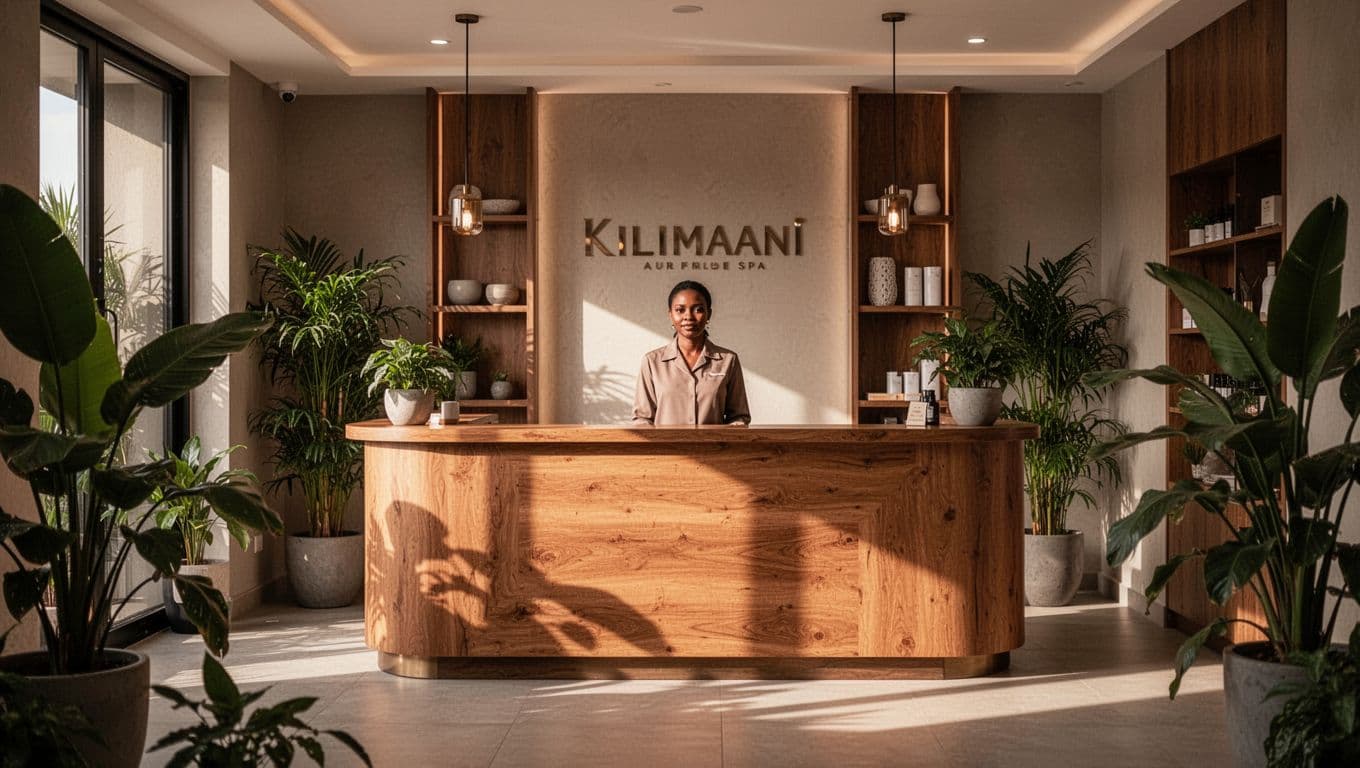
The first impression should feel orderly rather than confusing. Clean surroundings, respectful communication, and clear information matter more than dramatic decor. When you arrive at Kilimani Love Massage Spa or another local provider, notice how staff handle basic questions and whether they give you time to understand the appointment.
 Clean linens should be available for each client when the treatment uses a table or requires towels. Clothing supplied by the spa should appear fresh and dry. Treatment areas should offer reasonable privacy, with a door, curtain, or another arrangement that lets you change without being exposed to other clients.
Prices should be easy to understand before treatment starts. Ask whether the quoted amount includes the full session, changing time, taxes, or any add-on service. If the spa changes the price after you arrive, pause and ask for an explanation before agreeing to continue.
Consent also belongs at the center of Thai massage. The therapist should explain unfamiliar stretches and ask before applying strong pressure or working near sensitive areas. You can decline a technique, request more coverage, or ask the therapist to avoid an area without defending your decision.
A professional session gives you control over your comfort, even when the therapist guides the movement.
Pay attention to how the therapist listens. A careful practitioner asks about your goals, checks for injuries, and adjusts the session based on your answers. They don’t rush through a checklist while ignoring your breathing, posture, or feedback. If you say a stretch feels sharp, pinching, burning, or unstable, the therapist should stop and change the technique.
You can also set boundaries before the massage begins. Tell the therapist whether you prefer light, medium, or firm pressure. Explain if you don’t want work on your abdomen, feet, neck, or another area. During treatment, “please use less pressure,” “slow down,” and “stop there” are complete instructions.
A spa doesn’t need to promise a perfect experience to be professional. It should provide honest information, clean treatment materials, respectful staff, and a process that lets you make informed choices. If those basics are missing, keep comparing local providers.
How to Make the Most of Your First Visit
Prepare for the appointment in a way that leaves your body comfortable and your mind unhurried. Wear loose pants and a flexible top if you expect traditional Thai massage. Avoid stiff belts, heavy jewelry, and restrictive clothing that makes movement difficult.
Eat lightly before the session. A small meal or snack is usually more comfortable than arriving very hungry or immediately after a heavy meal. Arrive early enough to find the building, handle payment or intake forms, and speak with the therapist without watching the clock.
Before treatment, name the areas that matter most. You might say, “My shoulders feel tight after computer work,” or, “My hips feel restricted after driving.” If your lower back feels sore, explain when the soreness appears and which movements make it worse. Useful descriptions include:
- “The area feels tight, but pressure is comfortable.”
- “I feel soreness after exercise, not sharp pain.”
- “My left shoulder has limited movement.”
- “That stretch feels unstable.”
- “The pressure is too strong around my neck.”
This information gives the therapist a practical map. You don’t need medical terminology, and you shouldn’t downplay discomfort to appear flexible. Thai massage can include strong sensations, but intensity alone doesn’t prove that the treatment is working. A slower, gentler session may suit your body better than a forceful one.
Afterward, stand up gradually and notice how your body responds. Drink water if you’re thirsty, take a short easy walk if movement feels good, and avoid demanding exercise if you feel tender or unusually tired. Give the spa useful feedback before leaving, especially about pressure, stretches, and areas that need a different approach next time.
A first visit should help you learn what suits your body. If you communicate clearly, confirm the booking details, and choose a spa that respects your boundaries, you can approach Thai massage in Kilimani with greater comfort and confidence.
How to Choose the Right Thai Massage Near Kilimani
Choosing Thai massage in Kilimani involves more than finding the closest spa or booking the lowest advertised rate. The right provider should match your treatment goal, comfort level, schedule, and expectations. A clear service description, respectful therapist, clean room, and transparent booking process matter just as much as the price.
Start by deciding what you want from the session. Then compare providers using the same questions. Look at the treatment style, therapist experience, appointment details, reviews, privacy, and total cost before you make a decision.
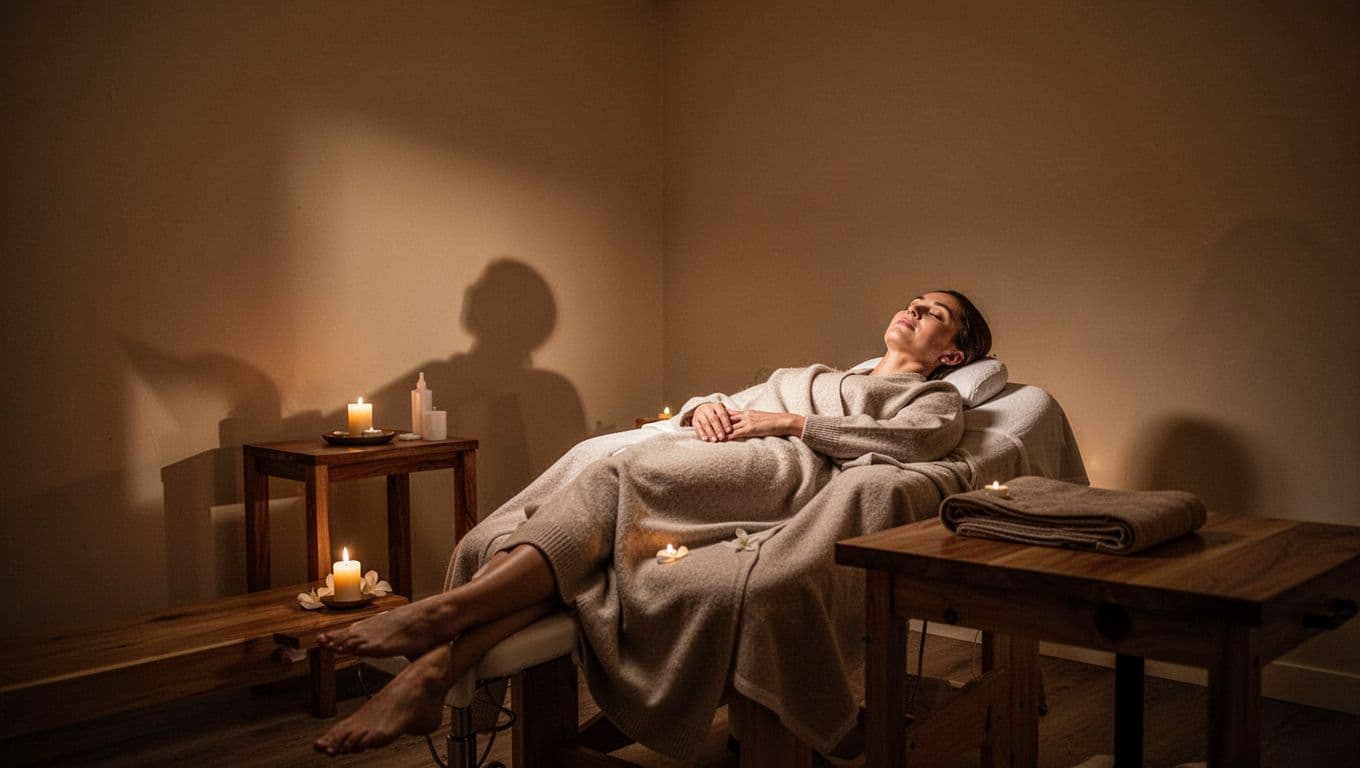 ### Compare Treatment Styles, Pressure Levels, and Session Goals
Thai massage can feel very different depending on the techniques your therapist uses. Some sessions focus on calm, rhythmic pressure and gentle movement. Others include more active assisted stretching, firmer compression, or targeted work around stiff areas.
Match the treatment to your reason for booking:
- Relaxation-focused massage suits you if you want a quiet pause after work, travel, or a demanding week. The therapist may use slower movements, moderate pressure, and fewer intense stretches.
- Moderate full-body Thai massage gives balanced attention to the back, shoulders, hips, legs, and arms. This can be a sensible choice for a first-time visitor who wants to experience the traditional format without making one area the entire focus.
- Targeted massage for everyday stiffness works well when long hours at a desk, driving, or standing leave one area uncomfortable. Tell the therapist whether your neck, shoulders, lower back, hips, or calves need the most attention.
- Assisted stretching may appeal to active clients who want more movement during the appointment. The therapist guides your limbs through controlled positions while you remain relaxed.
Deep pressure is not automatically more effective. A forceful session can leave you sore, tense, or unable to relax, especially if your body is not used to it. Pressure should match your experience, current condition, and comfort rather than the therapist’s idea of what feels impressive.
Before treatment begins, request light, medium, or firm pressure in plain language. You can also give different instructions for different areas. For example, you might prefer firm work on the upper back but light pressure around the neck and knees.
A good therapist adjusts the plan as the appointment continues. If your body feels tired, ask for fewer stretches. If one technique feels useful, ask the therapist to spend more time there. You can change your preference at any point, even if you agreed to a particular style at reception.
Strong sensation can be acceptable, but sharp, burning, pinching, numb, or unstable sensations require an immediate change in technique.
Age and experience should also guide your choice. A younger athlete may enjoy active stretching, while an older client or someone returning after a long break may prefer slower movement and lighter pressure. Beginners don’t need to prove their flexibility. A careful therapist works within your current range and builds the session around clear feedback.
Traditional Thai massage has been studied for short-term effects on pain and movement, but research findings do not guarantee the same result for every client. One study found that traditional Thai massage and joint mobilization produced similar short-term reductions in pain and disability for the participants studied. You can review the research on Thai massage outcomes for context, while treating your appointment as a personal wellness service rather than medical care.
Check Value, Pricing, and What the Fee Includes
Thai massage prices in Kilimani can vary for practical reasons. Session length is one of the clearest factors, since a longer appointment gives the therapist more time to assess your needs and work across several areas. However, duration alone doesn’t tell you whether an offer is good value.
Therapist experience, location, room quality, privacy, and spa amenities can also affect the fee. A provider with private treatment rooms, changing facilities, supplied clothing, or a longer intake process may structure its pricing differently from a basic walk-in service. Massage style matters too, especially when traditional Thai massage, oil massage, assisted stretching, and specialized treatments appear on the same menu.
Before booking, confirm the complete cost in writing. Ask:
- What is the exact treatment and duration?
- Does the fee include consultation and changing time?
- Is a deposit required?
- Can the deposit be refunded or transferred if you reschedule?
- Are there taxes, service fees, transport charges, or other additions?
- Which payment methods does the spa accept?
- What happens if you arrive late or cancel?
These details prevent a low advertised rate from becoming an unexpected bill. They also help you compare two providers fairly. If one spa offers a lower price for a shorter session, the difference may disappear when you compare actual treatment time and what happens before the massage starts.
A simple comparison should include four points: time, therapist skill, service details, and total cost. A higher fee doesn’t guarantee better treatment, just as a cheaper appointment isn’t automatically poor quality. Ask who will provide the massage, how the therapist adapts pressure, what the room includes, and whether the spa protects your privacy.
Location affects value as well. A nearby spa may save time and transport costs, but convenience should not excuse poor hygiene or unclear policies. On the other hand, traveling farther may be reasonable if the provider offers a therapist with relevant experience, a suitable treatment style, and appointment times that fit your routine.
A beginner may choose a moderately priced, shorter session with a clear explanation of the process. An office worker might value evening availability and targeted shoulder work. An athlete may prioritize a therapist who understands assisted stretching. Someone seeking relaxation could care more about a quiet room, unhurried pacing, and privacy than extra treatment intensity.
Read Reviews With Care and Look for Useful Details
Reviews can help you spot patterns, but every comment is still one person’s account. Use them as clues rather than proof. A single complaint about pressure may reflect a personal preference, while repeated comments about ignored feedback deserve closer attention.
Look for recent reviews that describe actual details. Useful comments mention whether the therapist arrived on time, explained the session, maintained clean linens, controlled pressure, and matched the service that the client booked. Reviews can also reveal whether the spa responds clearly to messages and keeps appointment times accurate.
Pay attention to repeated feedback about:
- Clean treatment rooms, towels, mats, and changing areas
- Respectful communication before and during the massage
- Therapist skill with pressure and assisted stretching
- Privacy during changing and treatment
- Accurate prices, session lengths, and booking details
- Punctuality and how the spa handles delays
Reviews with no specific experience offer limited help. Statements such as “best massage ever” or “this cured my condition” don’t tell you how the session was delivered. Be cautious with extreme medical claims, guaranteed results, or promises to fix injuries and chronic illnesses. A massage provider should describe a wellness service honestly, not replace professional medical advice with advertising.
Check the date as well. A review from several years ago may describe a different therapist, location, price, or booking system. Recent comments are more useful for current service details, although they still need to be read with judgment.
When online information conflicts, contact the spa directly. Ask whether the listed treatment, price, opening hours, and therapist availability are current. Notice the response. Clear, patient answers build confidence, while vague replies or sudden changes in cost give you a reason to keep comparing.
Before you book Thai massage near Kilimani, use a simple decision process: choose your goal, select the pressure and style you can tolerate, confirm the total fee, check recent specific reviews, and ask any remaining questions. The provider that fits your body and expectations is a better choice than the one with the nearest address or the biggest discount.
Plan a Thai Massage Appointment That Fits Your Kilimani Routine
A good Thai massage appointment should fit into your day without creating another source of pressure. Before you book, consider your energy, workload, exercise plans, and how much time you want for recovery afterward. The best appointment is the one that leaves enough space for your body to respond comfortably.
The Best Time to Book for Work, Exercise, or Rest
Your schedule can shape the entire experience. A lunch-hour appointment may work well when you have a flexible break and want to reset before returning to work. Choose a shorter session if you need to get back to your desk quickly, and leave enough time to change, speak with the therapist, and settle afterward. Rushing through reception or heading straight into a meeting may make it harder to enjoy the treatment.
A daytime appointment also suits visitors and Kilimani residents with open schedules. You may feel more alert during the session, which can help if you want gentle assisted stretching rather than a treatment designed mainly for evening relaxation. The drawback is that work messages, errands, or other plans may pull your attention away before and after the massage.
An evening appointment can help create a softer boundary after work. If your shoulders feel tight after computer use or your mind remains busy after a demanding day, a slower Thai massage may help you shift into a quieter routine. However, some people feel refreshed after assisted stretching instead of sleepy. Avoid booking late if you need to drive, work, or attend an important event immediately afterward and you don’t know how your body will respond.
Weekend appointments offer more room to pause. You can arrive without watching the clock, take a gentle walk afterward, and rest if you feel tired. A weekend session may also suit someone who wants a fuller appointment or is trying Thai massage for the first time. The main disadvantage is that popular time slots may fill quickly, so book ahead when possible.
Consider these timing guidelines before choosing a slot:
- Before work: Choose gentle or moderate pressure if you need to stay focused afterward.
- During a lunch break: Allow time for arrival, changing, treatment, and a calm return to work.
- After light exercise: A session may feel comfortable if you already know how your body handles massage and stretching.
- Before intense exercise: Leave a reasonable gap. Thai massage can involve pressure and assisted movement, so booking immediately before a demanding workout may feel uncomfortable.
- Before a formal event: Avoid a first session right before a wedding, presentation, flight, or important social occasion. You may feel tender, tired, or more relaxed than expected.
- After work or on a weekend: These times give you more freedom to rest and notice your body’s response.
 Regular Thai massage in Kilimani can fit into your routine, but frequency should match your needs and budget. You don’t need to book weekly appointments to gain value from a session. Start with a schedule you can maintain without sacrificing essentials, then adjust after you learn how your body responds.
What to Wear, Eat, and Bring to the Spa
Traditional Thai massage usually involves staying dressed while the therapist applies pressure, repositions your limbs, and guides assisted stretches. Wear loose pants, a flexible top, and clean clothing that lets your hips, shoulders, and legs move freely. Soft athletic clothing often works well, although each spa may have its own rules.
Ask whether the spa provides massage clothing before you arrive. Some locations offer loose garments, while others expect clients to bring their own. Don’t assume that traditional Thai massage always uses the same setup. Confirm whether the treatment takes place on a mat or table, whether you need to change, and what the spa expects when you book your Thai massage in Kilimani.
A light meal is usually more comfortable than a heavy one before stretching and compression. You might eat a modest snack or small meal several hours before the appointment, depending on your normal routine. Arriving very hungry can also make it harder to relax, so choose a middle ground that feels familiar to you.
Bring water, although you don’t need to force large amounts before treatment. You may also want a list of relevant health information, including recent injuries, surgeries, medical conditions, allergies, pregnancy, or medications that affect your comfort. Mention numbness, unusual weakness, severe pain, or any movement that feels unstable.
Keep a few questions ready if this is your first session:
- Will I remain fully dressed?
- Does the appointment include assisted stretching?
- Can the therapist use lighter pressure or avoid a particular area?
- How much time should I allow before leaving for my next commitment?
- What should I do if a stretch feels uncomfortable?
Clear answers help you arrive with realistic expectations. You can also bring a phone charger or work items if you need them, but keep the appointment free from unnecessary distractions. Your body will give better feedback when you aren’t checking messages between techniques.
Aftercare That Helps You Enjoy the Results
After the session, stand up slowly and take a moment before collecting your belongings. Thai massage can leave you feeling relaxed, alert, loose, or tired. There is no single response you must experience. Notice how your body feels, then choose the next activity accordingly.
Drink water when you feel thirsty and take a gentle walk if movement feels comfortable. Easy movement can help you transition back into your day without placing another demand on your muscles. If you feel tired, go home, eat a normal meal, and rest instead of forcing yourself into a busy evening.
For the rest of the day, avoid intense exercise if your body feels tender or unusually fatigued. Light stretching may feel fine, but don’t repeat strong stretches simply because you feel more flexible after treatment. Give your body time to show you how it responds before increasing activity.
Mild tenderness can happen after unfamiliar pressure or assisted stretching. It should remain manageable and improve with ordinary rest. Strong pain, swelling, numbness, burning, dizziness, unusual weakness, or symptoms that concern you deserve prompt attention.
Contact a qualified health professional if symptoms are severe, new, persistent, or getting worse. Massage is a wellness service, not a way to diagnose an injury or explain unexplained pain. Research has examined short-term changes in stress after traditional Thai massage, including this study on psychological stress and Thai massage, but study results cannot predict your individual response.
Before you leave, tell the therapist what felt comfortable and what you would change. Note the pressure, stretches, body positions, and areas that responded well. That feedback gives your next appointment a useful starting point and helps you plan Thai massage around your Kilimani routine with greater confidence.
Conclusion
Thai massage in Kilimani can be a practical way to pause after a demanding day, ease everyday stiffness, and experience guided movement at a comfortable pace. The treatment works best when it matches your needs, whether you want gentle relaxation, focused work on tense areas, or assisted stretching that supports easier movement. Your comfort should guide the session from the first conversation to the final stretch.
Before booking at Kilimani Love Massage Spa, confirm the details that affect your experience. Ask about current availability, the therapist’s training and experience, the treatment length, and the full price. Check that the spa maintains clean rooms, fresh linens, suitable clothing or changing facilities, and reasonable privacy. The therapist should explain the session, respect consent, adjust pressure when requested, and stop or change a technique if it causes sharp or unusual discomfort. Also review the deposit, cancellation, rescheduling, and late-arrival terms before you commit.
When you’re ready, contact the spa with a few clear questions and describe what you want from the appointment. Choose a session that fits your schedule, health needs, and comfort level rather than selecting the longest or most intense option by default. During the visit, communicate openly about pressure, stretches, sensitive areas, and any change in how your body feels. With the right provider and honest feedback, Thai massage in Kilimani can become a comfortable part of your wellness routine.