
Hot Oil Massage in Kilimani: What to Expect and Pay
After Nairobi traffic, a calm massage room can feel like a reset: soft light, quiet music, and warm oil ready for your skin. A hot oil massage in Kilimani combines skin-friendly oil, warmed to a comfortable temperature, with slow, flowing strokes that help ease everyday tension and leave your skin feeling smooth.
The right treatment should feel relaxing, not rushed or uncomfortable. This guide explains how hot oil massage works, the benefits you may experience, what a session may cost in Kilimani, and how to choose a clean, safe spa. It also covers what to expect at Kilimani Love Massage Spa, including practical details to consider before you book.
First, let’s look at how the warmth, oil, and massage strokes come together during a typical session.
What to Expect From a Hot Oil Massage in Kilimani
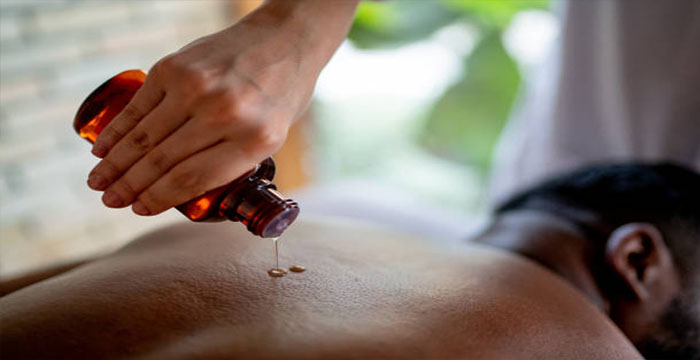
A hot oil massage in Kilimani is a warm, unhurried treatment designed to help your body settle. The therapist warms a suitable oil to a comfortable temperature, applies it to your skin, and uses long, smooth strokes across the body. Pressure changes according to your preference, so the session can feel gentle and calming or firmer around areas of everyday tightness.
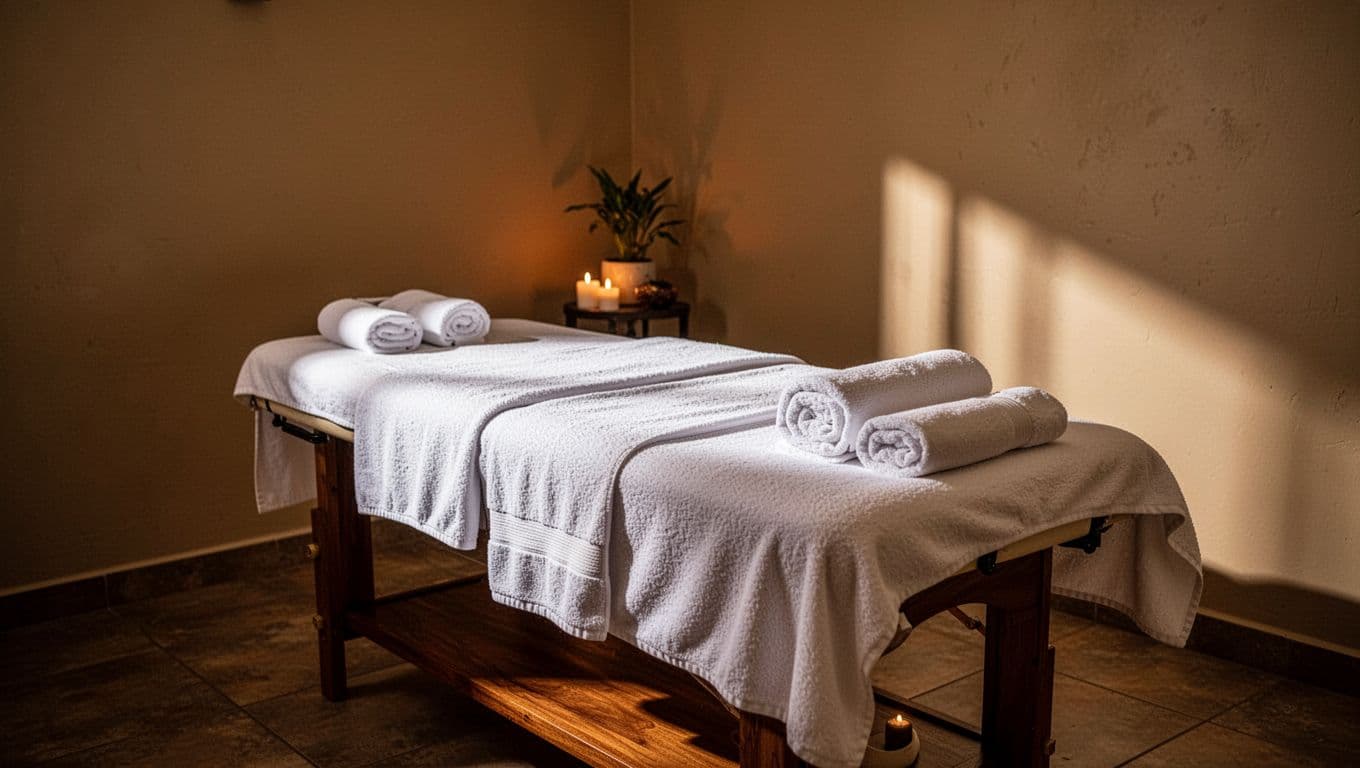
Most appointments last 60 or 90 minutes. Before the massage begins, you should have a short consultation, time to change in privacy, and a chance to explain what you want from the session. The room may have soft lighting, quiet music, and a padded massage table, although every spa has its own setup. Ask about the room, privacy arrangements, oil choices, and treatment process before booking.
How warm oil and flowing strokes may help you relax
Warm oil helps the therapist move smoothly across the skin without the dragging or friction that can make a massage feel uncomfortable. The heat should feel pleasantly warm, similar to a soothing bath, and never painfully hot. A professional therapist will test the temperature before applying a generous amount to your skin.
The massage usually begins with broad strokes across the back, shoulders, arms, or legs. These movements give your body time to adjust before the therapist focuses on tighter areas. If you have spent the day sitting at a desk, driving through Nairobi traffic, or carrying tension in your shoulders, the steady pressure may help those muscles feel less rigid.
Massage doesn’t repair an injury or treat a medical condition. However, gentle touch and warmth can support ordinary relaxation and may ease the feeling of everyday muscle tightness. Research and massage education sources commonly associate massage with reduced muscle tension and improved relaxation, although individual results vary. You can read a basic overview of massage therapy techniques and benefits for broader context.
The warmth also gives the session a slower rhythm. As the therapist repeats flowing strokes, you may notice your breathing becoming less hurried. A tired person may find it easier to put down their phone, stop watching the clock, and allow the body to rest for an hour.
Skin care is another noticeable benefit. Oils such as coconut, almond, or jojoba can leave dry skin feeling softer and more comfortable after the appointment. The result depends on the oil, your skin type, and how much product the therapist uses. Some scented oils also leave a light fragrance, while unscented oils keep the experience simple.
A good hot oil massage should feel soothing throughout. Heat or pressure that makes you tense defeats the purpose of the treatment.
The experience can change depending on several factors:
- Your preferred pressure and the therapist’s technique.
- The oil’s texture, scent, and temperature.
- Your stress level when you arrive.
- The areas receiving attention.
- Whether you book 60 or 90 minutes.
- How comfortable you feel communicating during the session.
You don’t need to remain silent if something feels wrong. Ask the therapist to reduce the pressure, add more oil, adjust the temperature, change position, or stop at any time. Your comfort is part of the treatment, not an interruption.
 ### Choosing the right oil, pressure, and session length
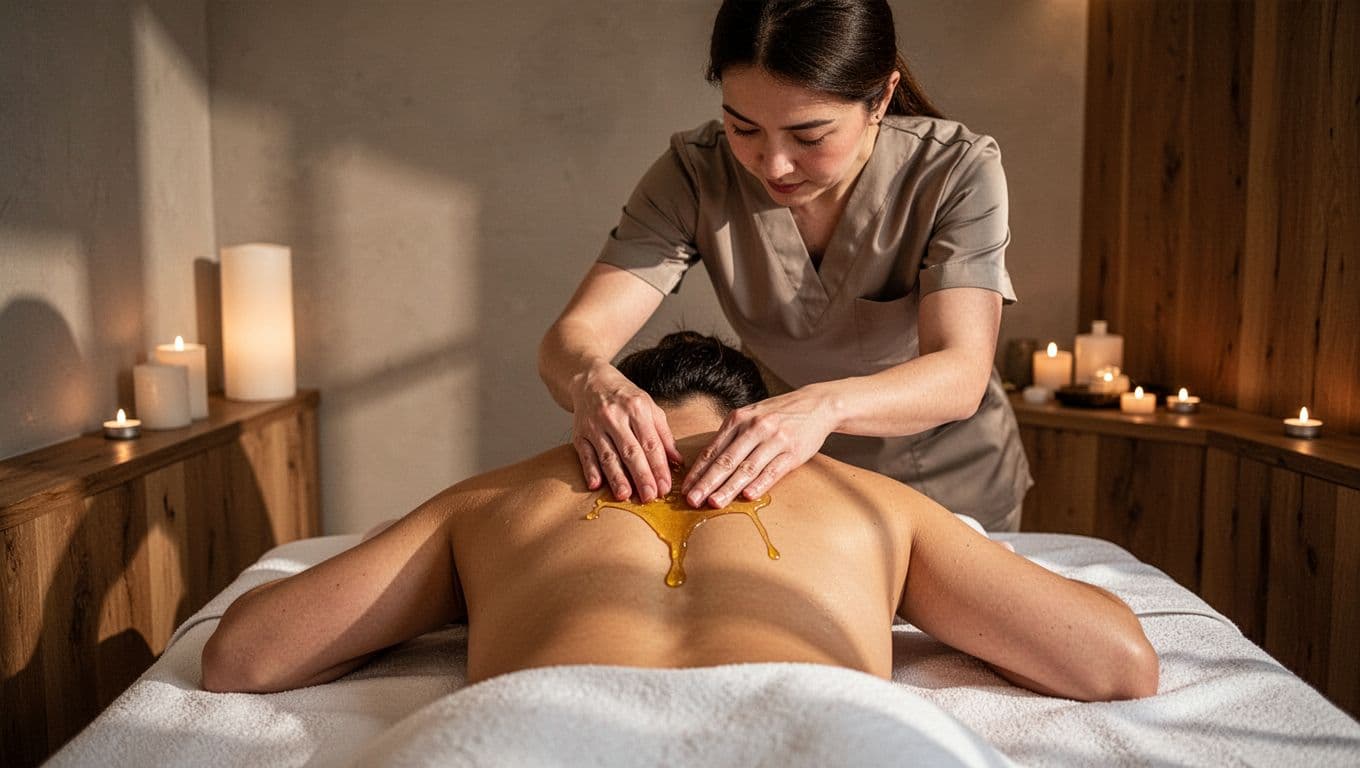
Oil choice can shape the mood of the appointment. An unscented carrier oil is a practical option if you have sensitive skin, dislike fragrance, or want the massage to remain neutral. Coconut, almond, and jojoba oils are common examples, but availability varies between spas.
A spa may also offer scented aroma oils. These often combine a carrier oil with a small amount of fragrant essential oil, such as lavender, citrus, eucalyptus, or sandalwood. Scent can make the room feel more relaxing, but fragrance isn’t suitable for everyone. Tell the therapist if strong smells trigger headaches, nausea, skin irritation, or breathing discomfort.
Before changing, share information that could affect the session. Mention:
- Known allergies or sensitive skin.
- Pregnancy or recent childbirth.
- A recent injury, operation, or unusual swelling.
- Areas you don’t want touched.
- Any preference for unscented oil.
- Whether you prefer light, medium, or firm pressure.
A 60-minute massage is usually enough for general relaxation and attention to the back, legs, arms, shoulders, and perhaps the feet or scalp. The therapist may spend more time on one area if you request it, so mention your priorities during the consultation.
A 90-minute appointment creates a slower, more spacious experience. It gives the therapist time to work across the full body without rushing, return to areas that remain tight, and include optional scalp or foot massage. If you want a full-body treatment with a calm pace, the longer session may suit you better.
| Session length | What it may suit |
|---|---|
| 60 minutes | General relaxation, back and shoulder tension, or a first visit |
| 90 minutes | A slower full-body massage, extra focus on tight areas, or scalp and foot work |
Pressure should remain comfortable at every length. Deeper pressure isn’t automatically better, and soreness afterward doesn’t prove that the massage worked. A skilled therapist checks your response and adjusts the technique rather than forcing tight muscles to relax.
Hot oil massage, hot aroma oil massage, aromatherapy massage, and hot stone massage are related but different treatments. Hot oil massage centers on warmed carrier oil and flowing massage strokes. Hot aroma oil massage adds scented oils to the same general approach.
Aromatherapy massage focuses more on the fragrance and intended mood of selected essential oils, although the oil may not always be heated in the same way. Hot stone massage uses heated stones placed on or moved across the body. Oil may be used with stones, but the stones provide the main heat source. Ask the spa to describe its treatment before paying, especially if the menu uses these names interchangeably.
Who should ask a professional before booking
Massage is not suitable for every situation. If you have a serious medical condition, open wounds, a skin infection, unexplained swelling, a fever, or a significant injury, speak with a qualified health professional before booking. Recent surgery also requires medical clearance because pressure and positioning may interfere with healing.
Pregnancy calls for extra care. Tell the spa before your appointment so it can confirm whether the therapist has appropriate training and whether the treatment needs changes. Positioning, pressure, fragrances, and certain areas may need special attention.
Allergies deserve the same level of care. Ask which oils the spa uses, request a patch test if appropriate, and choose an unscented product when fragrance creates concern. Don’t assume that a natural oil is automatically safe for your skin.
A reputable therapist should ask basic health questions before starting. They should explain the treatment, provide privacy while you change, use proper draping, and seek consent before working on sensitive areas. You remain covered except for the area being massaged, and you can decline scalp, foot, abdominal, or any other work.
When you arrive for a hot oil massage in Kilimani, pay attention to how the spa communicates. Clear answers about pricing, duration, hygiene, oils, therapist qualifications, and privacy are useful signs. A comfortable session begins before the first stroke, with a conversation that lets you make informed choices.
Why Kilimani Is a Convenient Place for an Oil Massage
Kilimani is a practical choice for a hot oil massage because it sits close to many parts of central Nairobi. Residents can reach a spa without crossing the city, while office workers can book after work or during a quieter afternoon. Travelers also find several apartments, hotels, restaurants, and ride-hailing pickup points nearby.
That location matters when you want relaxation without adding another long journey to your day. A massage appointment should help you slow down, not leave you worrying about traffic, parking, or how to find the building. Still, convenience is only one part of the decision. You should also check the provider’s cleanliness, privacy arrangements, therapist experience, price, and confirmed opening hours.
 ### Typical hot oil massage prices in Kilimani
Massage prices in Kilimani vary by provider, duration, therapist, location, and package. Current listings suggest that a one-hour oil massage may cost around KES 4,500, while some 60 or 90-minute aromatherapy offerings fall between KES 7,500 and KES 10,500. Broader Kilimani price guides place many quality sessions at roughly KES 3,000 to KES 8,000, although premium services can go higher.
These figures are useful for planning, not fixed rates. For example, one listed special oil massage costs KES 4,500 for one hour, while a separate Kilimani listing places aromatherapy at KES 7,500 to KES 10,500 for 60 or 90 minutes. A package using therapeutic oils, a couples treatment, or a session with two therapists may have a very different price.
| Treatment situation | Useful planning range |
|---|---|
| Standard one-hour massage | About KES 3,000 to KES 8,000 |
| Listed one-hour special oil massage | Around KES 4,500 |
| Some 60 or 90-minute aromatherapy sessions | About KES 7,500 to KES 10,500 |
| Premium, couples, or two-therapist packages | Often higher than standard rates |
A weekend booking may cost more, especially when demand is high. Mobile massage can also include a transport or call-out fee. Hotel treatments usually carry higher overheads because the therapist travels to the room and brings the required equipment. Couples appointments may cost more than two individual sessions because the spa has to coordinate space, therapists, and timing.
Before you compare prices, ask what the quote includes. Confirm the full massage duration, the oil, taxes, therapist choice, and any transport fee. A price that looks low may cover less time than expected or exclude an add-on discussed during the booking.
Also check whether the advertised treatment is genuinely a hot oil massage. Some menus use “oil massage,” “aromatherapy,” and “relaxation massage” as if they mean the same thing. They may differ in oil temperature, scent, technique, and session length. A clear quote should tell you what happens after you arrive.
The most useful price is the final amount for the exact treatment, duration, and location you want.
Questions to ask before you reserve a session
A short phone call or WhatsApp message can prevent most booking surprises. Ask direct questions before you travel to the spa, especially when the listing gives only a treatment name and starting price.
Use these questions as a practical guide:
- Is this treatment specifically a hot oil massage, or is it a standard massage that uses oil?
- Which oil will the therapist use, and can you choose unscented oil?
- Does the oil contain essential oils, and what scents are available?
- Is the quoted price for 60 minutes, 90 minutes, or the total appointment time?
- What is the final price after taxes, add-ons, or transport charges?
- Can you request a male or female therapist if that affects your comfort?
- Will you have a private treatment room and private space to change?
- What payment methods do you accept?
- What happens if you need to cancel or reschedule?
- Is parking available, and is the entrance easy to find?
- What is the exact building, road, floor, or nearby landmark?
If you have sensitive skin, ask about the ingredients before the appointment. You can also request a small patch test or choose a plain carrier oil without added fragrance. Clients with allergies, pregnancy-related concerns, recent surgery, or a significant injury should share that information before booking.
Kilimani has a mix of spas with regular daytime schedules and businesses that advertise extended or 24/7 hours. However, an online listing isn’t a guarantee that a therapist is available when you arrive. Staff may work in shifts, appointments may be required, or the listed hours may not have been updated.
For that reason, confirm same-day or late-night availability directly. Book by phone, WhatsApp, or the spa’s online form, then save the confirmation message. Keep the address, appointment time, quoted price, and contact number in one place. That small step is helpful when you are arriving after work, staying at a nearby hotel, or arranging a couples session.
How to compare spas beyond online ratings
Online ratings can help you create a shortlist, but they shouldn’t make the decision alone. A spa with many reviews may still offer a treatment that doesn’t suit your needs. Look for recent comments that mention the actual massage, cleanliness, staff communication, privacy, and whether the final price matched the quote.
Clear service descriptions are another useful sign. A professional provider should explain whether the treatment uses warm oil, scented oil, aromatherapy techniques, or another method. Vague descriptions make it harder to know what you are paying for.
Communication also reveals a lot. Does the spa answer your questions clearly? Does someone confirm the time, duration, location, and price? A slow reply isn’t always a problem, but evasive answers about the therapist, room, or cost deserve caution.
Compare two or three Kilimani providers before choosing. Check whether their official website, social media page, and direct messages give consistent information. If one page says the spa closes at 8 p.m. while another advertises 24/7 service, ask which schedule applies to your appointment.
The physical setting matters just as much as the listing. When you arrive, look for clean towels, fresh linens, tidy surfaces, a comfortable room, and professional draping. The therapist should explain the treatment, respect your boundaries, and adjust pressure or temperature when you ask. You should never feel pressured into additional services.
The location also changes the experience. These three options may suit different people:
| Option | Privacy and room setup | Travel and cost considerations |
|---|---|---|
| In-spa appointment | Usually offers a dedicated treatment room, massage table, towels, and spa equipment | You travel to Kilimani, but the listed treatment price may be easier to confirm |
| Hotel treatment | Takes place in your hotel room, which may feel convenient and private | Often costs more because the therapist travels and brings supplies |
| Mobile massage | Takes place at your apartment or another agreed location | Saves travel time, but ask about transport fees, equipment, room requirements, and privacy |
An in-spa visit may be the best choice when you want a purpose-built room and a predictable setup. Hotel and mobile treatments can suit travelers, couples, or residents who prefer not to travel after a long day. However, you need enough private space, a secure booking process, and clear confirmation of what the therapist will bring.
Kilimani’s nearby apartments, hotels, restaurants, and roads make it easy to plan a massage around dinner, a business meeting, or a night away. Even so, price should remain only one part of your comparison. A clean room, clear communication, respectful boundaries, convenient access, and a confirmed schedule often make a modestly higher quote worthwhile.
Kilimani Love Massage Spa: What Local Clients Should Check
Kilimani Love Massage Spa is listed at Jade Residency on Kindaruma Road, Kilimani, Nairobi. That address makes the spa convenient for local residents, nearby office workers, and visitors staying in the area. However, a convenient location doesn’t answer every question about a hot oil massage.
The available listing does not confirm a hot oil treatment, current prices, oil brands, therapist profiles, or session lengths. Therefore, contact the spa before traveling and ask for the exact details of the appointment you want. You can also check the Kilimani Love Massage Spa website for the latest service information and contact details.
 ### Booking a first visit at Kilimani Love Massage Spa
A first booking should feel simple and clear. Start by contacting the spa through the current details on its website. State that you want a hot oil massage, rather than only saying “oil massage” or “relaxation massage.” Those names can describe different treatments, and the spa may not use them in the same way.
Next, ask whether hot oil massage is available on your preferred date. If it is, request the duration you want, such as 60 or 90 minutes. Then ask for the total price, not only a starting rate. Confirm whether the quote includes the full treatment time, the oil, taxes, or any other charge.
Before you reserve, explain anything that may affect your comfort. Tell the spa if you have sensitive skin, fragrance allergies, asthma triggered by strong scents, or a preference for unscented oil. You should also mention pregnancy, recent surgery, an injury, unusual swelling, or any area you don’t want touched. This information helps the therapist prepare and gives you a chance to choose a safer option.
Ask for clear directions to Jade Residency on Kindaruma Road, Kilimani. A building name may not be enough when you are arriving for the first time. Confirm the entrance, reception point, floor, nearby landmark, and whether you should call on arrival. If you are using a ride-hailing service, save the location and keep the spa’s contact number available.
The spa’s posted hours list weekdays as 8 a.m. to 6 p.m. and Saturday as 12 a.m. to 5 p.m. The Saturday time appears unusual, so verify the exact opening time before making the trip. Also ask whether an appointment is required, especially if you want an early, late, or same-day session.
Use this short sequence when you book:
- Name the exact treatment you want and ask whether hot oil massage is currently available.
- Request your preferred duration and appointment time.
- Confirm the total amount in Kenyan shillings.
- Ask which oil is used and whether an unscented option is available.
- Share health, allergy, scent, pressure, and boundary concerns.
- Request directions to Jade Residency and instructions for finding reception.
- Ask about accepted payment methods and any cancellation terms.
- Save a written confirmation with the date, time, treatment, price, and location.
Arrive a few minutes early so you aren’t rushing into the room. That gives you time to find the entrance, settle your belongings, and discuss the session before the massage begins. You don’t need to arrive far in advance, and you shouldn’t assume the spa has changing rooms, lockers, showers, or other facilities unless staff confirm them.
At the start, explain whether you prefer light, medium, or firm pressure. Mention areas that need attention and areas that should be avoided. During the massage, speak up if the oil feels too warm, the pressure is painful, the scent is too strong, or the room setup makes you uncomfortable. Good communication keeps the session aligned with what you actually booked.
What makes a good first-session experience
A quality first visit is easy to judge through small, practical details. The oil should feel warm and pleasant, never hot enough to make you pull away or tense your muscles. The therapist should check the temperature before applying it, especially when the oil has been heated separately.
Look at the treatment area without turning the visit into an inspection. Clean towels, fresh linens, and wiped surfaces support basic comfort. The room should feel calm and private enough for you to relax. If noise, interruptions, or open access makes you uncomfortable, tell the staff before the treatment starts.
Professional draping matters as much as the massage technique. You should remain covered except for the area being worked on. The therapist should explain where they will begin, ask for consent, and respect any area you decline. Consent is an ongoing part of the appointment, not a single question asked at the door.
Pressure should match your request. Firm pressure can feel useful for some clients, while others prefer slow, gentle strokes. Neither choice is automatically better. If the therapist continues using pressure that hurts after you ask for less, the session isn’t meeting a basic comfort standard.
The price should also match the amount you were quoted. Ask about any add-on before accepting it. You shouldn’t discover a new charge after the massage, especially for oil, extra time, or a service you didn’t request.
A first-session quality check includes:
- The oil temperature feels comfortable on your skin.
- Towels, linens, and treatment surfaces appear clean.
- The room offers reasonable calm and privacy.
- Draping protects your body throughout the massage.
- The therapist explains the treatment and asks for consent.
- Pressure changes when you request an adjustment.
- The final amount matches the confirmed price.
- Staff respond respectfully to questions or concerns.
Professional conduct also includes clear boundaries. The Spa Wellness Association Kenya’s code of ethics and conduct addresses appropriate behavior during massage therapy sessions. You can expect to make your own decisions about touch, pressure, areas treated, and whether the appointment continues.
If you feel unsafe, pressured, exposed, or uncomfortable, ask the therapist to stop. You can end the session without giving a long explanation. Your payment, arrival time, or previous agreement doesn’t remove your right to leave.
How to decide if the spa is the right fit
Your final decision should come after comparing the details that matter to your routine. Location is useful, but the closest spa may not offer the treatment, hours, privacy, or communication you need. A lower price may also leave out the oil type, full duration, or other part of the service.
Start with the exact treatment. Ask whether the spa currently offers hot oil massage, how the oil is warmed, which oils are available, and how long the hands-on massage lasts. If the spa only offers another oil-based treatment, ask how it differs before you agree to book.
Next, assess communication. Does the person answering your message understand your questions? Do they provide a direct price and clear directions? Can they explain the Saturday schedule, payment process, and arrival instructions? Straight answers make planning easier, especially when you are booking after work or traveling across Nairobi.
Hours should fit your actual schedule. Kilimani Love Massage Spa lists weekday hours of 8 a.m. to 6 p.m., while the Saturday listing says 12 a.m. to 5 p.m. Because the Saturday time is unusual, verify it directly. Never rely on an old listing when a wasted trip would be difficult to fix.
Comfort matters just as much as price. During your first visit, notice whether the room feels clean, whether the therapist listens, and whether staff respect your boundaries. A good appointment should match the promise made during booking, without pressure to purchase an unplanned service.
Kilimani Love Massage Spa may become a useful repeat option if the therapist communicates well, the environment feels clean, and the confirmed treatment matches what you receive. Still, make that judgment from your own visit rather than from an unverified ranking or guarantee. For a hot oil massage in Kilimani, the best choice is the provider that gives you clear information and a comfortable, respectful experience at a price you understand before the session begins.
How to Prepare for an Oil Massage and Enjoy the Aftercare
A little preparation can make your hot oil massage in Kilimani feel calm from the moment you arrive. Eat lightly, allow enough travel time, wear practical clothing, and tell the therapist what your body needs. Afterward, give yourself a slower few hours so you can notice how the treatment feels instead of rushing straight into a demanding schedule.
A simple checklist for the day of your appointment
Use this checklist before leaving home or work:
- Confirm the appointment details. Check the time, treatment name, duration, price, and exact location. If you’re visiting Kilimani Love Massage Spa, confirm the entrance and building instructions before you travel.
- Plan your transport. Nairobi traffic can turn a short journey into a stressful one. Leave enough time to arrive a few minutes early, especially if you need to find parking, locate reception, or call the spa from outside.
- Eat a light meal. A small meal or snack can prevent hunger without leaving you uncomfortably full. Avoid arriving immediately after a heavy meal, since lying on your stomach may feel unpleasant.
- Drink water normally. Have water during the day, but don’t force large amounts just before the appointment. You want to feel comfortable on the massage table, not distracted by an urgent bathroom break.
- Arrive clean. A shower before the session helps you feel fresh and removes heavy products from your skin. Skip strong perfume, since added fragrance can clash with massage oil or bother other people.
- Wear easy-to-change clothing. Loose pants, a soft shirt, or another comfortable outfit makes changing simpler. Oil can transfer to fabric, so avoid clothing that you would worry about staining.
- Remove jewelry. Take off watches, necklaces, rings, and bracelets before the massage. Jewelry can press into your skin, catch on towels, or get coated with oil.
- Bring a payment method. Carry the payment option you plan to use, whether that means cash, a card, or a mobile payment method accepted by the spa. Confirm this before leaving.
- Mention health and skin concerns. Tell the therapist about allergies, sensitive skin, fragrance reactions, pregnancy, recent surgery, injuries, unusual swelling, or areas that feel tender.
- Agree on the treatment plan. Before you lie down, discuss the oil, temperature, pressure, session length, areas included, and areas you want skipped.
 You remain in control throughout the appointment. Ask for light, medium, or firm pressure, and change your preference if your body responds differently than expected. You can ask the therapist to reduce the heat, use unscented oil, adjust your position, add more draping, or leave an area untouched.
Proper draping should keep you covered except for the part of your body receiving attention. You can decline scalp, abdominal, foot, or any other work. Consent continues during the massage, so speaking up is part of a good treatment, not a disruption.
Hot oil massage compared with other popular treatments
Massage names can sound similar, but the experience may differ from one spa to another. Ask what the treatment includes before relying on the label.
| Treatment | Main feature | What to expect |
|---|---|---|
| Hot oil massage | Warmed oil and flowing strokes | A smooth, soothing massage with heat coming mainly from the oil |
| Swedish massage | Light to moderate flowing pressure | Long strokes, kneading, and a generally lighter relaxation style |
| Deep tissue massage | Focused, firmer pressure | Slower work on selected areas of muscle tightness |
| Hot stone massage | Heated stones placed or moved by the therapist | Heat comes from the stones, with oil often used to help the stones glide |
| Aromatherapy massage | Scented oils or essential oil blends | Massage paired with fragrance, although the oil may not always be heated |
A Swedish massage may suit you if you want gentle, flowing movements with less heat. Deep tissue massage may be better when you want firm work on a particular area, although strong pressure should never become sharp or painful.
Hot stone massage is different because the therapist uses heated stones as part of the technique. The stones may rest on selected areas or move across the body. With hot oil massage, the warmed oil creates the main sensation, while the therapist’s hands provide the movement.
Aromatherapy massage centers on scent as well as touch. You may choose lavender, citrus, eucalyptus, sandalwood, or another fragrance, depending on the spa’s oil selection. If scents trigger headaches, breathing problems, or skin irritation, request an unscented carrier oil instead.
Treatment menus aren’t standardized. One spa’s “hot oil massage” may mean warm coconut oil and slow strokes, while another may add aromatherapy techniques or scalp work. Ask whether the price includes the full hands-on time, the oil, hot towels, and any extra areas. Clear questions help you book the experience you actually want. General information about massage’s short-term effects appears in this research on massage therapy benefits.
When to book, repeat, or skip a session
A massage can fit naturally after a demanding workday, during a quiet weekend, or as part of a personal wellness routine. Booking after work may help you transition out of desk tension and traffic, while a weekend appointment gives you more time to rest afterward.
Choose a time when you don’t need to run straight into a meeting, hard workout, or long list of errands. The first few minutes after treatment are better spent sitting, dressing slowly, and checking how your body feels.
During the session, breathe at an easy pace. Slow breathing can help you stay aware of pressure and temperature instead of tensing against them. If a stroke feels too strong, the oil feels too hot, or a position causes discomfort, say so immediately.
Afterward, stand up slowly. Massage can leave you relaxed, and a sudden movement may make you feel unsteady. Drink water if you feel thirsty, keep activity gentle, and consider a short walk or light stretching instead of intense exercise. You can shower later with lukewarm water and a mild cleanser if oil remains on your skin. Avoid harsh scrubbing while your skin is still sensitive.
Mild relaxation, sleepiness, or temporary tenderness can occur after massage. However, stop the treatment and seek appropriate medical advice if you experience sharp pain, a burn, a spreading rash, severe dizziness, or unusual swelling. Contact a qualified health professional when you have concerns about an injury, medical condition, skin reaction, or symptoms that don’t settle.
There is no fixed schedule that suits everyone. Base repeat visits on your comfort, budget, skin response, and the advice of a qualified professional if you have health concerns. Some people book occasionally after stressful periods, while others prefer regular appointments for relaxation. Massage should complement medical care, not replace diagnosis or treatment.
Hot oil massage aftercare FAQ
Does hot oil massage hurt?\
It shouldn’t. The therapist may use firm pressure, but the sensation should remain manageable. Sharp pain, burning heat, numbness, or pressure that makes you tense is a reason to speak up or stop.
Can I choose scented oil?\
Usually, spas offer a choice between scented and unscented oil, but options vary. Ask which ingredients are included and mention allergies, sensitive skin, asthma, or fragrance-related headaches before the oil touches your skin.
Do I need to bring anything?\
Bring your payment method, appointment details, and any information about allergies or health concerns. Spas usually provide towels and oil, but confirm whether you need to bring a change of underwear, hair covering, or personal toiletries.
How often should I book?\
Book according to how your body responds, how often you want the treatment, and what your budget allows. A qualified professional can guide you when an injury, pregnancy, skin condition, or other health concern affects your decision.
Is a 60- or 90-minute session better?\
A 60-minute appointment can cover general relaxation and key areas such as the back and shoulders. A 90-minute session gives the therapist more time for a full-body treatment at a slower pace. Choose based on your priorities, not the idea that longer is always better.
Conclusion
A hot oil massage in Kilimani combines warmed oil with flowing strokes, but the quality of the experience depends on details that begin before the massage. Choose an oil that suits your skin, agree on comfortable pressure, and confirm whether the session is 60 or 90 minutes. Prices vary by provider and treatment style, so compare the total cost rather than relying on a starting rate.
Before booking, verify the current price, opening hours, location, and availability. Most importantly, check that the spa provides clean linens, proper draping, respectful communication, and room for you to adjust or stop the treatment. These details help turn a busy Nairobi day into a more comfortable pause.
When you’re ready, contact Kilimani Love Massage Spa or another trusted Kilimani provider. Ask clear questions about the oil, pressure, duration, hygiene, and final price before reserving. A well-planned massage leaves no uncertainty about what you’re booking, only the simple comfort of arriving prepared.