
Massage in Nairobi: How to Choose the Right Treatment Safely
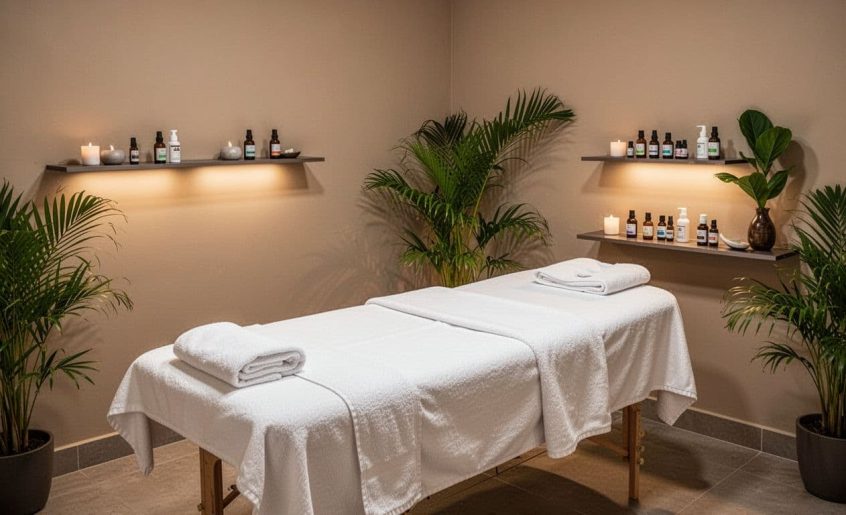
The room is warm, the lights are soft, and the steady pressure of skilled hands begins to loosen the tension across your shoulders. As your breathing slows, the noise of a busy Nairobi day fades into the background, giving your tired body and busy mind space to rest.
Massage is more than a luxury reserved for special occasions. A well-chosen treatment can support relaxation, ease everyday muscle tension, and give you time to reconnect with how your body feels, without promising to cure a medical condition or replace professional care. The right experience depends on your comfort, goals, budget, and the therapist or spa you choose.
This guide explains what massage is, how popular styles differ, what benefits you can reasonably expect, and which safety questions to ask before booking. You’ll also learn how to choose a therapist, what a session feels like, what prices may look like in Nairobi, and how to compare providers such as Kilimani Love Massage Spa with other local options. First, let’s look at what happens during a massage and why different techniques suit different needs.
Massage: What It Is and Why People Keep Coming Back
Massage is the skilled movement of soft tissues, including muscles, skin, tendons, and connective tissue. A trained therapist uses pressure, stretching, warmth, and steady touch to help your body relax and move more comfortably.
The experience can be gentle or firm, slow or active, depending on your goals. Some people book massage for a quiet break after a demanding week. Others want help with stiff shoulders, tired legs, or muscle soreness after exercise. The benefits are usually supportive rather than permanent, and results vary from person to person.
 ### How massage affects the body and mind
During a massage, many people notice their breathing slow as the body begins to settle. The steady rhythm of the therapist’s hands can make it easier to release tension held in the neck, shoulders, back, or jaw. Afterward, you may feel calmer, less physically guarded, and more aware of areas that need rest.
Massage can also make everyday movement feel easier. Someone who spends hours at a desk may notice less tightness when turning the head or lifting the arms. A runner might feel more comfortable walking after a demanding workout, while a traveler may appreciate relief in the lower back and legs after sitting for a long journey.
Pressure and stretching can reduce the sensation of muscle tightness for a period of time. Warm towels, oils, and a comfortable room can add to the feeling of ease. Research reviewed by the Mayo Clinic Health System lists possible physical benefits such as reduced stiffness, less soreness, better sleep, and improved relaxation. These effects don’t mean massage treats every cause of pain, but they explain why many people include it in their wellness routine.
A professional treatment shouldn’t leave you bracing against the table. Firm pressure may feel intense in certain areas, but sharp, burning, pinching, or unbearable pain is a reason to speak up. Massage doesn’t need to hurt to be effective. A skilled therapist adjusts pressure to your comfort, your health history, and the treatment style you choose.
The mind often responds alongside the body. When the shoulders drop and breathing becomes slower, stress may feel less immediate. You might leave with a clearer head, a calmer mood, or a stronger sense of how fatigue and tension show up in your body. Those changes may last for hours or days, but they aren’t a promise of permanent relief.
A casual back rub from a friend can feel comforting, yet a professional massage follows a planned approach. Training helps the therapist understand body structures, use appropriate pressure, communicate clearly, and recognize when a technique may not suit you. Hygiene, consent, privacy, and proper draping also separate professional care from an informal touch.
The most common reasons people book a session
Relaxation is one of the simplest reasons to schedule a massage in Nairobi. A session gives you time away from traffic, screens, work demands, and household responsibilities. For some clients, the quiet room is as valuable as the physical treatment because it creates space to rest without needing to perform or respond to anyone.
Stress management is another common motivation. Many people carry stress in the shoulders, upper back, hands, or scalp without noticing it until the area begins to ache. Massage may help reduce that feeling of physical tension and make it easier to settle at the end of the day.
Exercise brings a different need. After strength training, running, hiking, or sports, a recovery-focused session may help tired muscles feel less restricted. Research on massage after exercise has examined its effect on muscle soreness and function, although results depend on the person, the activity, and the timing of treatment. You can read a research review on massage and exercise recovery for a closer look at the evidence.
People also book massage for:
- General self-care during a demanding month
- Tight muscles caused by desk work or long commutes
- Better awareness of posture, breathing, and areas of tension
- A quiet hour before returning to a busy routine
- Temporary comfort after ordinary physical strain
A shorter session may suit regular maintenance. For example, a focused treatment on the shoulders, neck, or lower back can work well when you have limited time or one main area of concern. A longer session allows the therapist to work through more of the body at a slower pace, which may feel better when your tension is widespread.
Your reason for booking should guide the conversation before treatment begins. Tell the therapist whether you want relaxation, recovery support, gentle work, or attention on a particular area. If you have ongoing or worsening pain, numbness, weakness, swelling, an unexplained injury, or another persistent symptom, seek medical advice rather than relying on massage alone. Massage can support comfort, but it shouldn’t replace diagnosis or treatment.
What makes a massage session professional and comfortable
A professional session begins with informed consent. Before touching you, the therapist should explain the treatment, ask about your goals and health history, and confirm what you feel comfortable receiving. You should know which areas will be treated and have the chance to decline any technique.
Privacy and draping matter throughout the appointment. Clean linens should cover the massage table, and your body should remain appropriately covered except for the area being treated. The therapist should wash or sanitize their hands, use clean supplies, and maintain a room that feels orderly and hygienic.
Communication should continue during the massage. Tell your therapist if the pressure is too strong, the room feels cold, the music is uncomfortable, or a position causes strain. You can ask for a change at any point, pause the session, or stop completely. Consent isn’t a one-time question at the beginning. You remain in control for the entire appointment.
Before booking, ask practical questions such as:
- What training or certification does the therapist have?
- Which massage styles do they offer?
- How much pressure is typical for the treatment?
- How long will the session last, and what does that time include?
- Where will the appointment take place?
- What is the cancellation or rescheduling policy?
- Are there health conditions that require medical clearance first?
A good massage experience feels safe, respectful, and tailored to you. The therapist should listen instead of assuming, explain instead of rushing, and adjust the session when your body gives new feedback. That combination of skilled touch and clear boundaries is what keeps massage personal, comfortable, and worth returning to.
Which Massage Style Fits Your Body and Your Goals?
The best massage style depends on what you want to feel during and after the appointment. A calming session after a stressful week calls for a different approach than treatment for persistent muscle tightness or recovery after a long run.
Massage names also vary between providers in Nairobi. One spa’s “deep tissue” may feel firm but relaxing, while another may use more focused therapeutic pressure. Describe your goals, comfort level, and problem areas before choosing a service by name. That conversation gives the therapist useful direction and helps you avoid a treatment that feels too intense.
 ### Swedish massage for gentle relaxation
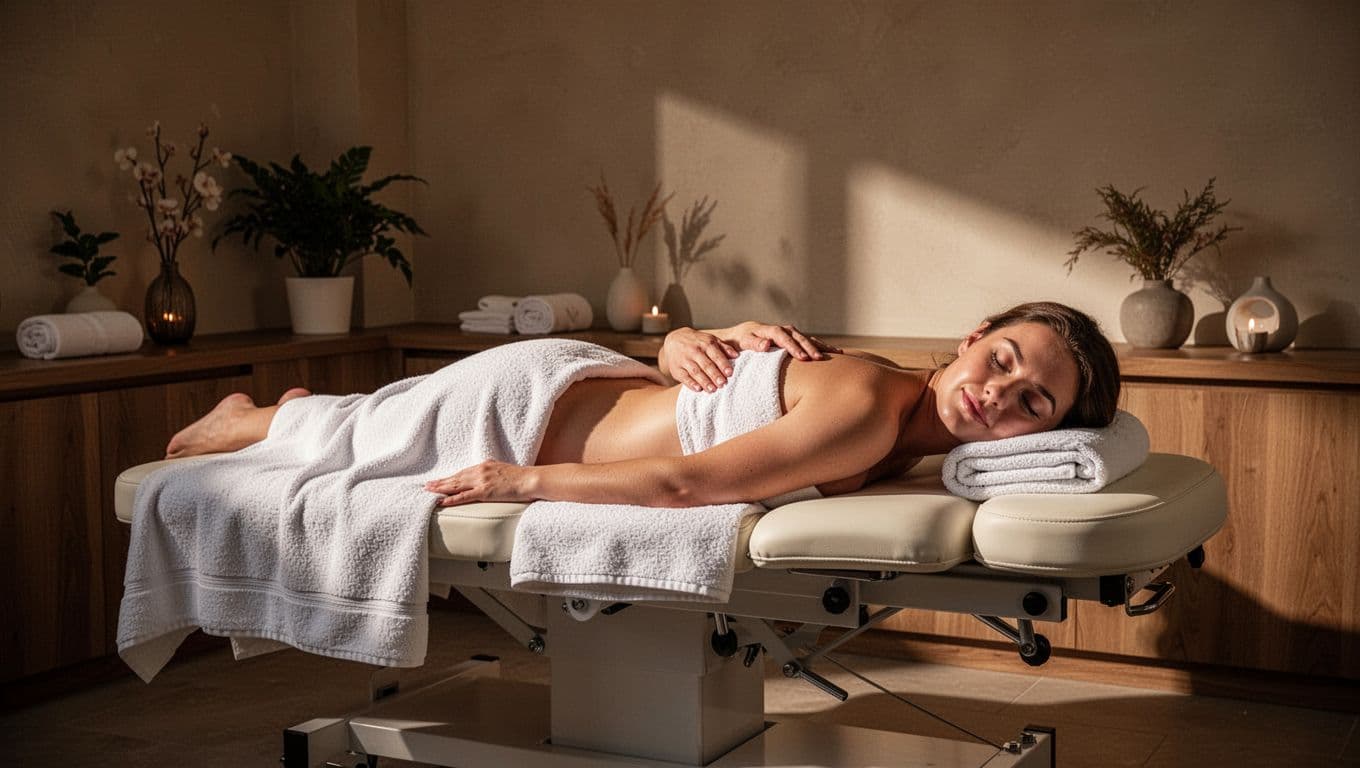
Swedish massage is a common starting point for beginners and anyone who wants a soothing full-body experience. The therapist usually combines long, flowing strokes with gentle kneading and light to medium pressure. The rhythm feels steady rather than forceful, allowing your breathing to slow as your body settles.
During the session, you may notice warmth spreading through your shoulders, back, arms, and legs. Some areas may receive more attention if they feel tense, but the treatment usually follows a relaxed full-body flow. Soft music, comfortable draping, massage oil, and a warm room can make the hour feel like a pause button after traffic, deadlines, and a demanding week.
Light pressure can still create meaningful relaxation. A massage does not need to leave you sore to feel effective. Gentle work may suit you if you are sensitive to touch, visiting a spa for the first time, feeling tired, or mainly seeking mental and physical rest. Research on massage therapy also emphasizes that results vary, so your comfort and expectations matter.
Tell the therapist if you want less pressure, more attention on your shoulders, or a quieter session. You can also ask them to avoid areas that feel tender. A good Swedish massage should leave you feeling rested rather than as though your body has been challenged to endure something.
Deep tissue massage for stubborn muscle tension
Deep tissue massage uses slower strokes and more focused pressure on areas that remain tight. The therapist may spend extra time around the upper back, neck, hips, glutes, or legs, depending on your concerns. This style often suits people who feel persistent muscular tension from desk work, repetitive movement, training, or physical labor.
The pressure may feel intense, especially when the therapist works through a dense or sensitive area. Mild tenderness during or after the session can happen, but sharp, burning, pinching, or unbearable pain is a clear reason to speak up. More force does not automatically produce a better result.
Before treatment, explain any old injuries, recent pain, surgeries, medications, or health conditions. Also mention bruising, unusual swelling, numbness, and areas that hurt without an obvious cause. That information helps the therapist decide whether to adjust the technique or recommend medical advice first.
For a first deep tissue session, begin with moderate pressure and request gradual adjustments. You can ask the therapist to work on one or two priority areas instead of treating every muscle intensely. General information about different massage approaches is available in this guide to massage techniques and benefits, but your own health history should guide the final choice.
Deep tissue massage should feel purposeful and manageable. If you are holding your breath or bracing against the table, the pressure is too strong.
Sports massage for active bodies
Sports massage may suit runners, cyclists, gym members, dancers, hikers, and anyone whose body handles repeated physical demands. Instead of treating every area equally, the therapist focuses on overworked muscles, movement patterns, and body regions used in your activity.
Timing changes the purpose of the session. A pre-event massage is usually shorter and lighter, designed to help you feel prepared without making your muscles feel heavy. A post-event massage focuses on comfort after exertion and may use gentler work when the body feels fatigued. A maintenance session can address recurring tightness between training days and help you notice patterns before they interfere with movement.
Tell the therapist what activity you do, how often you train, and where you feel restricted. A swimmer may need different attention from a football player or a person who lifts weights. Mention the date of your next event, since intense work immediately before competition may not suit everyone.
Sports massage can support recovery, but it is not a substitute for diagnosis after a serious injury. Seek medical assessment for severe pain, major swelling, deformity, loss of strength, numbness, or an injury that prevents normal movement. Once a qualified professional has assessed the problem, massage may form part of a broader recovery plan.
Hot stone, aromatherapy, and other relaxing options
Relaxation-focused treatments offer different sensations, so ask what the service includes before booking.
- Hot stone massage combines massage strokes with smooth, heated stones placed on selected areas or moved across the body. The warmth may feel comforting when you enjoy heat and gentle pressure. Tell the therapist if you have reduced heat sensitivity, fragile skin, circulation concerns, diabetes, or another medical condition that could affect temperature awareness.
- Aromatherapy massage usually pairs gentle massage with scented essential oils. It may appeal to people who enjoy fragrance and a sensory-focused experience. Ask which oils the provider uses, mention allergies or asthma, and request unscented oil if needed. Essential oils and pleasant aromas can support relaxation, but they are not cures.
- Prenatal massage uses adapted positions, careful draping, and moderate pressure for people who are pregnant. Confirm that the therapist has relevant training, and ask your prenatal care provider whether massage is appropriate for you, especially if you have pregnancy complications or new symptoms.
- Chair massage takes place in a specialized chair and usually focuses on the back, shoulders, neck, arms, or hands. It works well for a short break at an office, event, or busy day when you don’t want to change clothes or lie down.
- Foot massage concentrates on the feet, ankles, and lower legs. It suits people who stand for long periods, walk frequently, or want a shorter and more affordable treatment. Avoid massage over open wounds, active skin infections, severe swelling, or unexplained foot pain.
How to choose pressure when you are not sure what you need
Use this simple guide when you feel unsure:
- Choose gentle pressure for relaxation, a first visit, pregnancy with appropriate clearance, or a strong preference for light touch.
- Choose medium pressure for general shoulder, back, or leg tension that feels uncomfortable but not injured.
- Choose focused deeper work only when the area is suitable, the therapist understands your history, and the pressure feels manageable.
Start conservatively. You can always request more pressure later, while recovering from an overly intense session may take longer. Explain your goal before treatment, then keep communicating as your body responds.
Useful phrases include:
- “That pressure is too much.”
- “Please spend more time on my shoulders.”
- “I would like a quieter session.”
- “Could you use lighter pressure on my lower back?”
- “Please avoid that area today.”
You control the session from beginning to end. The right massage should match your body today, not an idea of what you think you ought to tolerate.
How to Prepare for a Better Massage Experience
A comfortable massage starts before you enter the treatment room. Take a few minutes to check the provider, plan your travel, eat sensibly, and decide what you want from the session. These small steps help you arrive calm, communicate clearly, and judge whether the treatment feels right for you.
What to check before you book
Begin with the provider’s reputation. Read recent reviews across more than one platform, paying attention to comments about cleanliness, therapist conduct, punctuality, privacy, and whether the final price matched the quoted price. A few vague compliments tell you less than detailed feedback that describes the actual booking and treatment experience.
Check whether the therapist has relevant training or certification, especially if you want deep tissue, sports, prenatal, or focused therapeutic work. A professional provider should explain the qualifications of the available therapist without becoming defensive. You can also ask who will treat you if the business has several therapists.
The treatment menu should describe the massage style, body areas, pressure level, and session length. Confirm whether a “60-minute massage” means 60 minutes on the table or includes consultation, changing, and payment. Ask for the full price, including transport fees, room charges, oils, add-ons, or any other cost. Do this before sending money or leaving home.
Nairobi traffic can change a short trip into a stressful one, so check the exact area, building name, nearby landmark, parking, and entrance instructions. If you use a ride-hailing service, ask which gate or reception desk your driver should use. Choose a time that gives you extra travel room, particularly when crossing busy routes between areas such as the CBD, Westlands, Karen, or Gigiri.
A clear provider should also confirm:
- Available appointment times and the expected arrival time
- Accepted payment methods, including cash, card, or mobile money
- Cancellation, late-arrival, and rescheduling rules
- Privacy, draping, and professional boundaries
- Whether you need to bring identification or arrive early
A short, polite message can settle most details: “I would like a 60-minute Swedish massage on Saturday afternoon. What is the total price, exact location, payment method, and cancellation policy?” Keep your personal information limited until the details match across the listing and conversation.
 A very low price deserves extra questions, not automatic suspicion. It may reflect a promotion, a shorter session, or a simple setting. However, a vague listing, pressure to pay quickly, changing prices, poor communication, or unclear boundaries should make you pause. Don’t bargain after treatment begins. Agree on the rate and session length before you arrive.
What to tell your therapist before the session
Arrive five to fifteen minutes early if possible. This gives you time to find reception, use the restroom, complete any health form, and settle your breathing before treatment starts. Wear comfortable clothing that is easy to change out of, and leave expensive jewelry and unnecessary valuables at home.
A light meal earlier in the day is usually more comfortable than arriving very hungry or immediately after a heavy meal. Avoid alcohol or recreational drugs before your appointment because you need to remain alert enough to communicate and consent. Drink fluids according to normal thirst, but don’t force large amounts before lying on the table.
Tell the therapist what you want to feel afterward. You might be seeking quiet relaxation, relief for tired shoulders, help with general stiffness, or focused muscle work after exercise. Also describe your preferred pressure. If you are unsure, ask the therapist to begin gently and increase pressure only when it feels manageable.
Share health information that affects safe treatment, including:
- Recent injuries, persistent pain, or areas that feel numb or weak
- Surgeries, fractures, or medical procedures
- Allergies to oils, fragrances, latex, or skincare products
- Skin conditions, open wounds, bruising, rashes, or infections
- Pregnancy or recent childbirth
- Medications that affect bleeding, sensation, blood pressure, or alertness
- Health conditions involving circulation, nerves, bones, or joints
You don’t need to explain private matters that have no bearing on the session. A simple statement such as, “I had knee surgery last year, so please avoid strong pressure there,” gives the therapist useful information without requiring a long personal history.
Mention sensitive areas before treatment begins. You can request that the therapist avoid the abdomen, feet, scalp, glutes, or any other area. You can also ask for unscented oil, a different pillow position, lighter pressure, or more coverage. Your preferences are part of the treatment plan.
You never have to tolerate pain, unwanted touch, or a technique you didn’t agree to. Ask for a change, pause the session, or leave if your boundaries aren’t respected.
What happens during a typical massage
At arrival, the provider should confirm your appointment, treatment choice, session length, and price. You may complete a short consultation or health form. Use this moment to repeat your goals and ask any last questions about pressure, draping, music, or conversation.
The therapist usually explains where to change and then leaves the room. Remove only the clothing you feel comfortable removing. You generally lie under a clean sheet or towel, with a blanket available if the room feels cool. The therapist exposes only the body area being treated, while the rest stays covered.
Positioning may involve lying face down, face up, or on your side. Bolsters or pillows can support your knees, ankles, neck, or hips. If a position strains your back, makes breathing difficult, or causes discomfort, say so immediately. Small adjustments often make a major difference.
During the massage, the therapist may begin with broad, lighter strokes before focusing on areas you discussed. They should check your comfort, particularly when changing pressure or working near a sensitive area. Speak in clear, ordinary language: “Please use less pressure,” “That area is tender,” or “I need a short break.”
Silence is completely acceptable. So is light conversation if it helps you relax. You can ask for less conversation, lower music, a warmer room, or a quieter setting. Respectful communication keeps the appointment comfortable for both of you.
After the final strokes, the therapist should give you time to sit up slowly and get dressed privately. Move carefully if you feel sleepy or lightheaded. At reception, confirm the payment, receipt, tip, and any follow-up recommendation. Tipping is optional, so give one only when you feel the service earned it. If you plan to use mobile money, send payment only to the number confirmed by the provider.
Simple aftercare for the rest of the day
Keep the rest of your schedule gentle when possible. Walk normally, stretch lightly if it feels comfortable, and avoid demanding exercise immediately after intense focused work. Eat your usual meals and drink water according to thirst. Large amounts of water don’t remove supposed “toxins” from your body.
You may feel relaxed, tired, or mildly tender later, especially after deeper pressure. Rest if your body asks for it, and notice whether the original tightness feels better, unchanged, or worse. A short note on the treatment, pressure, therapist, and next-day response can help you choose wisely next time.
Seek prompt medical attention for severe or worsening pain, weakness, numbness, marked swelling, a spreading rash, breathing trouble, fainting, or another alarming symptom. Massage should leave you feeling cared for, not worried about a new serious problem.
Finally, judge the session by more than the atmosphere. Ask yourself whether the provider kept the agreed time and price, listened to your requests, protected your privacy, and adjusted the treatment when needed. If you felt safe and respected, follow up with the same therapist or book again. If communication felt unclear or your boundaries were ignored, choose another provider.
Finding a Safe Massage Provider in Nairobi and Kilimani
Choosing a massage provider in Nairobi requires more than finding the closest listing or the lowest price. You need a place where cleanliness, consent, privacy, communication, and pricing are clear before you arrive. Kilimani offers spas, wellness centers, hotel treatments, and mobile therapists, but the quality and professionalism of listings can vary.
A safe booking should feel simple from the first message. The provider should answer ordinary questions without pressure, explain what the treatment includes, and respect your right to change your mind.
What to look for in a trusted Nairobi massage provider
Start with the treatment environment. A clean provider should use fresh linens and towels for each client, keep oils and equipment orderly, and maintain a room that looks and smells hygienic. Ask where you can store your belongings, whether the room has a secure locker, and how the provider handles privacy during changing and treatment.
Professional conduct matters just as much as appearance. Before the massage begins, the therapist should ask about your goals, health concerns, injuries, allergies, and preferred pressure. They should explain the treatment and draping arrangements, then leave you enough privacy to prepare. You should remain covered except for the body area being treated.
Clear boundaries are essential. You can refuse a technique, ask the therapist to avoid a body area, request a different pressure level, pause the session, or leave. A professional provider accepts those decisions without argument. Listings that use unclear sexual language, pressure clients to book quickly, promote unexplained “VIP” packages, or refuse basic safety questions deserve caution.
Ask about the therapist’s training and experience, especially if you want deep tissue, sports, prenatal, or focused therapeutic massage. The provider should identify who will treat you and describe their relevant qualifications. A confident answer does not need to sound defensive or exaggerated.
Security also depends on the setting. Spas and wellness centers may offer reception areas, staff nearby, secure entrances, and dedicated treatment rooms. Hotel services can provide convenience and privacy, but you should confirm how the therapist is verified. Mobile services save travel time, yet you must check the therapist’s identity, share your location with someone you trust, and arrange the appointment in a safe, well-lit space.
Reviews can help when you read them carefully. Look for repeated comments about clean rooms, punctuality, respectful conduct, accurate pricing, and clear communication. Generic praise is less useful than a detailed review that explains the booking process and treatment experience. Remember that directory pages, social profiles, and user comments are not independent inspections, so treat them as signals rather than proof.
A straightforward booking process should confirm the provider’s name, exact location, appointment time, treatment, duration, total cost, payment method, and cancellation rules. Avoid sending money to an unverified number or traveling to an address that changes during the conversation.
 ### How to compare massage services in Kilimani
Kilimani massage listings can look similar at first glance. Compare the details that affect your actual appointment rather than relying on attractive photos or broad promises.
| Detail to compare | What to confirm |
|---|---|
| Location | Building name, road, landmark, entrance, parking, and security desk |
| Treatment | Massage style, body areas, pressure options, and session length |
| Schedule | Current operating hours and available appointment times |
| Booking rules | Advance booking, late arrival, cancellation, and rescheduling terms |
| Mobile service | Outcall area, travel time, room requirements, and travel fee |
| Payment | Cash, card, mobile money, deposits, and receipt availability |
| Total cost | Treatment price plus travel fees, taxes, add-ons, or other charges |
Local details can change. A provider may move, adjust hours, change staff, or update its menu without every online listing changing at the same time. Therefore, verify important information by phone or message before you leave home.
Ask for written confirmation that states the treatment, duration, appointment time, location, and full amount. A message such as, “Please confirm my 60-minute Swedish massage, the exact Kilimani location, and the total price,” creates a useful record. It also gives the provider a chance to correct a misunderstanding before the appointment.
The menu should use plain language. If a listing mentions “special packages,” “extras,” or “premium services” without explaining them, ask what those terms mean. You should never need to negotiate the basic terms after arriving.
What to confirm before booking Kilimani Love Massage Spa
Before booking Kilimani Love Massage Spa, contact the business directly and confirm that it is currently operating under that exact name. Available local search information does not independently verify a complete listing under that name, so don’t rely on an old page, forwarded message, or unconfirmed social profile.
Ask for the current address in Kilimani and confirm the building, entrance, and appointment contact. You should also verify the available massage styles, session durations, therapist qualifications, current prices, operating hours, accepted payment methods, and cancellation policy.
Privacy deserves direct attention. Ask how the provider handles draping, changing, personal belongings, and client information. If you prefer a therapist of a particular gender, ask whether that request can be accommodated before paying a deposit.
Use clear language when confirming the nature of the service:
“Please confirm that the appointment is strictly professional wellness care, and tell me what the session includes.”
A professional provider should answer without evasive wording or pressure. If the response changes the price, location, or treatment description, pause the booking and request clarification. Never assume that a business name, photograph, or online review confirms the current service.
Spa, mobile massage, or hotel treatment: which option suits you?
A spa or wellness center is often the simplest option for a first appointment. Reception staff, dedicated treatment rooms, established lighting, and nearby employees can make the setting easier to assess. You still need to inspect cleanliness, protect your valuables, and confirm who will provide the massage.
Mobile massage removes the trip across Nairobi and lets you rest at home afterward. However, your room should be clean, private, well-lit, and large enough for the table or floor setup. Confirm the therapist’s identity, arrival time, treatment price, travel fee, and payment method before the appointment. Share the exact location and appointment time with someone you trust, and keep your phone accessible.
Hotel massage can suit travelers or residents who want treatment without leaving the property. Confirm whether the therapist works for the hotel or arrives independently. Ask about room entry procedures, identification, privacy, and what happens if you need help or feel unsafe.
Each option has a different balance of comfort, cost, and control. A spa may require travel but provide more visible structure. Mobile care may offer privacy but places more responsibility on you. Hotel treatment may be convenient, yet the final price can include room or service charges.
Choose a professional setting with clear boundaries and an easy exit. If the arrangement feels confusing before the massage starts, cancel rather than trying to fix the problem after arrival.
How much does massage cost, and what changes the price?
Massage prices in Nairobi and Kilimani change according to the session length, treatment style, therapist experience, location, and facilities. A longer appointment usually costs more, while deep tissue, sports, hot stone, or specialized treatments may carry a higher rate than basic relaxation massage.
Mobile appointments can cost more because of travel time and transport. Hotel treatments may include premium facility or service charges. Time of day, weekends, holidays, last-minute bookings, and promotional offers can also affect the quoted amount.
Before confirming, ask whether the listed treatment price includes:
- Travel or outcall fees
- Taxes or facility charges
- Oils, hot stones, or other add-ons
- Tips or optional gratuity
- Deposits and late cancellation charges
Promotions deserve the same clarity as standard prices. Confirm the normal price, discounted price, session duration, and any conditions attached to the offer. Most importantly, ask for the full amount in writing before traveling or sending payment. Never invent a price for Kilimani Love Massage Spa or assume an old advertisement remains current.
Massage Safety: When to Wait, Modify, or Skip a Session
Massage can be a calming part of your routine, but safety comes before relaxation. Before booking in Nairobi, consider your current health, recent injuries, medications, and any symptoms that feel unusual. A responsible therapist will ask questions, explain the treatment, and adjust the session instead of treating every client the same way.
Massage safety guidance differs across professional sources, so medical conditions need individual assessment. A review of massage contraindications found that recommendations do not always agree, which is another reason to seek advice from a qualified clinician when your health history is complex. You can read this review of massage contraindications for more context.
 ### Health conditions that may require medical guidance first
Some conditions make massage unsuitable until a doctor or other qualified clinician gives guidance. Blood clots and clotting disorders deserve particular caution because firm pressure may increase risk in certain situations. Tell the therapist about a history of deep vein thrombosis, abnormal bleeding, low platelets, or medicines that affect clotting.
You should also ask for medical advice before massage if you have uncontrolled high blood pressure, serious heart problems, or a condition that affects circulation. Recent surgery, fractures, severe osteoporosis, and other fragile-bone conditions may require a specific recovery period or major changes to pressure and positioning.
Massage should not take place over active infections, open wounds, contagious skin problems, fresh burns, or areas that are bleeding. Cancer treatment also requires individualized advice. Your oncologist or treating clinician can explain whether massage is appropriate, which areas to avoid, and whether the therapist should use very gentle pressure.
Some situations call for modification rather than an automatic ban. Pregnancy may require a prenatal-trained therapist, adjusted positioning, and medical guidance when complications exist. Diabetes can affect sensation, circulation, and skin healing, so the therapist may need to avoid heat or pressure that you cannot safely feel. Blood-thinning medicines may also require lighter work and avoidance of bruised or vulnerable areas.
Bring an accurate list of medicines and explain relevant health conditions before treatment. A therapist does not need every private detail, but they do need information that affects pressure, positioning, skin contact, bleeding, sensation, or recovery. If the provider cannot explain how they will adapt the session, postpone the appointment and ask your clinician first.
When massage should be postponed
Reschedule your appointment if you have a fever, flu-like illness, or another contagious infection. Your body needs rest while it handles illness, and close contact can expose the therapist or other clients. Massage may also leave you feeling worse when you already have fatigue, chills, body aches, or dehydration.
An unexplained rash is another reason to wait. It may be harmless, but it could also indicate an infection, allergy, or condition that needs assessment. The same applies to an active skin infection, pus, spreading redness, blisters, or sores. Massage oils, friction, and shared treatment surfaces may irritate the area or spread the problem.
Delay treatment after an acute injury, especially when you have severe swelling, marked bruising, reduced movement, or pain that appeared suddenly. Massage over a fresh sprain, fracture, burn, wound, or inflamed area can increase discomfort and may interfere with healing. Even a familiar massage style can be too much for tissue that has just been injured.
Intense unexplained pain needs attention rather than pressure. If pain is severe, worsening, associated with weakness or numbness, or stopping you from using a limb normally, seek medical assessment. Massage should not be used to cover up a symptom that has no clear explanation.
Common reasons to postpone include:
- Fever, chills, flu-like symptoms, or active contagious illness
- An unexplained rash or spreading skin irritation
- Recent injury with swelling, bruising, or restricted movement
- Open wounds, burns, fresh scars, or inflamed skin
- Severe or unexplained pain
- Sudden weakness, numbness, fainting, breathing trouble, or chest pain
Urgent symptoms need urgent medical care, not a spa appointment. Rescheduling is sensible, and you should never feel pressured to keep a booking because you paid a deposit or made travel plans. A professional provider will help you choose a safer time.
How consent and boundaries protect both client and therapist
Consent is part of massage safety, not a formality at reception. You have the right to understand the treatment, ask questions, choose areas to avoid, and decide how much pressure feels acceptable. You can also change your mind after the massage begins.
Proper draping protects privacy throughout the session. The therapist should expose only the area being treated and give you private time to change. If a position feels uncomfortable, the room feels unsafe, or a technique causes pain, ask for an adjustment immediately.
Clear communication protects the therapist too. When you describe a tender area, medication, injury, or pressure preference, the therapist can make a better decision. Speak plainly: “Please use less pressure,” “Avoid my lower back,” “I need more coverage,” or “Stop the session.” You don’t need to justify a boundary.
A professional massage depends on respectful behavior. Be cautious if a therapist:
- Touches an area you asked them to avoid
- Continues after you say stop
- Pressures you to accept extra services
- Uses unclear language about the treatment
- Adds charges that were not explained beforehand
- Dismisses pain, discomfort, or health concerns
The same standard applies to both sides. Clients should communicate honestly, respect the therapist’s professional limits, and avoid arriving intoxicated. When both people understand the treatment and the boundaries, the session becomes safer and more comfortable.
How often should you get a massage?
There is no single schedule that suits everyone. Your ideal frequency depends on your goals, budget, work routine, activity level, recovery needs, and how your body responds after each appointment. A person seeking occasional relaxation may book only when stress builds, while an active client may prefer regular maintenance during a demanding training period.
Some people benefit from a short series planned with a qualified professional, especially when they want focused work for recurring muscle tension. Others feel better with a longer gap between appointments. Your response matters more than a fixed calendar.
Pay attention to practical signs after treatment:
- Does movement feel easier?
- Do you sleep or relax better?
- Has ordinary muscle tension reduced?
- Do you feel comfortable the next day?
- Does the treatment support your mood and daily activities?
Mild tenderness can occur after firm work, but chasing soreness is not a useful goal. Increasing pressure or booking more often does not guarantee better results. If discomfort lasts, worsens, or interferes with normal movement, pause massage and seek medical advice.
A sensible plan leaves room for your body to recover. Start with a moderate session, note how you feel over the next day or two, and adjust the timing with your therapist. Massage should fit your well-being, not become another demand on your schedule.
Conclusion
The best massage is safe, comfortable, and matched to what your body needs that day. Whether you want gentle relaxation, support for ordinary muscle tension, or focused work after exercise, choose a treatment that fits your goals rather than selecting the strongest pressure available. A skilled therapist should listen to your preferences, explain the session, protect your privacy, and adjust the technique when your body gives feedback.
Before booking in Nairobi or Kilimani, verify the provider’s current location, treatment menu, session length, total price, therapist qualifications, payment details, and cancellation policy. If you are considering Kilimani Love Massage Spa, contact the business directly and confirm these details before sending payment or traveling. Keep communicating throughout the appointment, especially if pressure feels painful, a position causes strain, or you want an area avoided.
Massage can support relaxation and everyday comfort, but it shouldn’t replace medical care when pain is severe, persistent, unexplained, or linked to symptoms such as weakness, numbness, swelling, or fever. When health conditions, pregnancy, recent surgery, medication, or an acute injury could affect treatment, seek medical guidance first. A thoughtful choice protects both the benefits of massage and your peace of mind.
When the session ends, take a moment before returning to the noise outside. Let your breathing slow, feel your shoulders sit lighter, and notice the clearer space in your mind.