
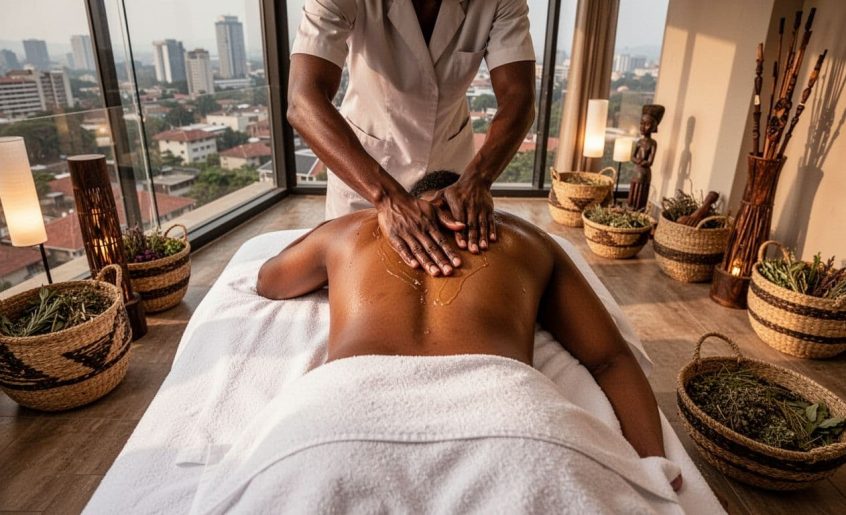
Deep Tissue Massage: What to Expect and Who Should Avoid It
Tight shoulders that stay raised, sore hips after a long day, or muscles that never seem to fully relax can make ordinary movement feel like work. Deep tissue massage uses slower, focused pressure to address areas of persistent tension, so the goal is targeted relief rather than a purely relaxing hour on the table.
The pressure may feel intense, but it should remain within a level you can tolerate and communicate. Massage may support comfort and mobility, yet it doesn’t replace medical care for an injury, ongoing pain, or an underlying health condition. Your experience also depends on preparation and the therapist’s training, so choosing a skilled professional matters.
As you continue, you’ll learn how deep tissue techniques work, what benefits they may offer, what a session feels like, how to prepare, who should avoid this treatment, and how to choose the right therapist.
What Is Deep Tissue Massage and How Does It Work?
Deep tissue massage is a hands-on treatment that uses slow strokes, sustained pressure, and focused work on deeper layers of muscle and connective tissue. The therapist may address areas that feel stiff, overworked, or restricted, but more pressure doesn’t automatically mean better results.
Muscle tension can develop when tissue stays contracted after repetitive work, exercise, stress, or an old injury. People often call especially sensitive areas “knots” or “trigger points.” Fascia, the thin connective tissue surrounding muscles, can also feel tight or less mobile. These everyday terms can describe real sensations, but they aren’t always medical diagnoses. Persistent or unexplained pain still deserves evaluation from a qualified health professional.
A therapist adjusts the session by observing posture, asking about movement, and tracking your feedback. The work may focus on one painful area, or it may follow a connected pattern through nearby muscles. For example, shoulder discomfort can involve the upper back, neck, chest, or arm rather than one isolated spot.
How Deep Pressure Reaches Tight Muscles
A deep tissue massage session often begins with broad gliding strokes. These movements warm the tissue and help the therapist assess changes in texture, temperature, and resistance. Once the muscles are ready, the therapist may use fingers, thumbs, knuckles, or the side of the hand to apply more focused pressure.
Forearm work can cover a wider area while reducing strain on the therapist’s hands. Compression is another common method. Instead of sliding across the skin, the therapist applies steady pressure to a muscle and holds it briefly before releasing. This approach may help the client notice a gradual reduction in guarding or stiffness.
Slow cross-fiber techniques move across the direction of muscle fibers rather than along them. A therapist may use this method around a tense band of tissue, always working with care and checking how the area responds. The pace matters because rushing can make the body tighten against the pressure.
When the therapist moves slowly, they can locate changes in resistance instead of pushing over them. They may notice that one section feels firm while nearby tissue moves more freely. That information helps guide the next stroke and prevents the session from becoming a forceful search for pain.
The painful spot isn’t always the only place that needs attention. Muscles share movement patterns, attachments, and surrounding connective tissue. Tight hip muscles may influence the lower back, while restricted chest muscles may affect the shoulders. A trained therapist may therefore work along a connected muscle group rather than repeatedly pressing the most sensitive point.
Therapeutic pressure should feel purposeful and strong enough to create useful sensation, but it shouldn’t feel sharp, burning, electric, or unbearable.
Your tolerance gives the therapist important information. A pressure level that helps one client may feel excessive to another, so communication matters throughout the appointment. Ask for less pressure if your body tenses, your breathing changes, or the sensation becomes painful. Research on deep tissue massage has found short-term changes in pain and perceived recovery, but results vary by person and condition, as shown in this research on deep tissue massage outcomes.
Deep Tissue Massage Compared With Swedish Massage
Swedish massage usually uses light to moderate pressure, flowing strokes, kneading, and rhythmic movement across much of the body. The pace often supports relaxation, circulation, and a calmer nervous system. Many people choose it when they want general stress relief or a soothing full-body experience.
Deep tissue massage is usually more focused and therapeutic. The therapist may spend more time on the shoulders, hips, calves, back, or another area affected by repeated strain. Strokes are often slower, and the pressure may feel more concentrated because the therapist works with specific layers and muscle patterns.
The two approaches aren’t completely separate. A therapist may begin with Swedish-style gliding strokes, then use sustained pressure on a tight area. They might also finish with lighter work to help you settle before leaving. You don’t have to choose the most intense option to receive useful care.
| Consideration | Swedish massage | Deep tissue massage |
| Typical pressure | Light to moderate | Moderate to firm, adjusted to tolerance |
| Main focus | Full-body relaxation | Specific tension, stiffness, or overuse |
| Movement | Flowing and rhythmic | Slower and more targeted |
| Common goal | Stress relief and general comfort | Focused muscle care and improved ease of movement |
| Best starting point | Sensitive clients or first-time visitors | Clients seeking concentrated work who tolerate pressure well |
Your goal should guide the choice. Swedish massage may suit you if stress, poor sleep, or general body fatigue is your main concern. Deep tissue work may fit better when one area feels persistently restricted after training, desk work, lifting, or repetitive movement.
Health history matters too. Tell the therapist about recent injuries, medical conditions, medications, pregnancy, and unusual symptoms before treatment. If you bruise easily or have strong pressure sensitivity, a lighter approach may provide more benefit and less soreness. Massage therapy should support comfort, not become a test of how much discomfort you can endure.
What a Typical Session Looks Like From Start to Finish
The appointment usually begins with a private consultation. Your therapist may ask where you feel discomfort, when it started, and which movements make it better or worse. Work habits, exercise routines, old injuries, sleep position, stress, and areas you want avoided can all shape the treatment plan.
You then discuss clothing and draping. Most clients undress only to their comfort level and remain covered with a sheet or towel, except for the area being treated. You can keep underwear on, request additional coverage, or decline any technique that makes you uncomfortable.
During treatment, you may lie face down, face up, or on your side. A pillow under the ankles, knees, or head can reduce strain and help your muscles relax. The therapist usually starts with broader strokes before applying focused pressure, then changes position when another angle would help reach the target area.
Communication should continue throughout the session. The therapist may ask whether the pressure feels acceptable, but you don’t need to wait for that question. Say “less pressure,” “please pause,” or “that area is too sensitive” whenever needed. You can also ask to change positions or end the treatment at any time.
Treatment time varies according to the appointment and the areas involved. A full-body session may divide attention among several regions, while a focused appointment may spend most of the time on the back, neck, hips, or legs. The therapist may leave some areas untouched if your history or symptoms make them unsuitable.
At the end, the therapist checks how you feel while sitting, standing, or moving. You may receive simple suggestions about hydration, gentle movement, rest, or returning to normal activity. Mild tenderness can occur after focused work, but severe pain, numbness, swelling, or symptoms that worsen should prompt medical advice rather than another intense massage.
What Benefits Can Deep Tissue Massage Offer?
Deep tissue massage may help you feel more comfortable when everyday strain leaves your muscles tight, tired, or difficult to move. The most realistic benefits include short-term relief from muscle tension, easier movement, support for recovery, and a calmer awareness of how stress affects your body.
Results vary by person and condition. Massage can ease sensations linked with overuse or muscular tension, but it can’t repair a torn muscle, correct a nerve problem, or treat an underlying disease. If pain continues, worsens, or comes with unusual symptoms, medical evaluation should come before another massage appointment.
Relief for Stiff Necks, Shoulders, and Back Tension
Long hours at a desk can leave your head positioned slightly forward and your shoulders lifted toward your ears. Screen use, driving, and frequent phone use add more time in that posture. Over several hours, the muscles around your neck, shoulder blades, and upper back may remain active without a clear chance to relax.
Lifting and repetitive work create a different kind of strain. Carrying boxes, cleaning, gardening, or working with your arms raised can make the back and shoulders feel dense and restricted. Stress may add another layer because many people brace their jaw, neck, or shoulders without noticing.
Focused massage may reduce the feeling of tightness in these areas. A therapist might work through the upper trapezius, shoulder blades, chest, neck, or muscles alongside the spine instead of pressing only on the sorest spot. The goal is to help the tissue feel less guarded and make ordinary movements more comfortable.
Lower back tension can also respond to work on nearby muscles, including the glutes, hips, and backs of the legs. When these areas stay stiff after sitting, travel, or repeated lifting, careful massage may support a more comfortable range of motion. You may notice that turning your head, reaching overhead, standing up, or walking feels easier afterward.
However, massage isn’t appropriate for every kind of back or neck pain. Sudden, severe, or rapidly worsening pain requires caution, especially when it spreads into an arm or leg. Numbness, tingling, weakness, loss of balance, fever, or pain after a major fall also deserve medical attention.
A therapist should postpone deep work when your symptoms suggest something beyond routine muscle tension. Medical advice is the safer first step when pain feels sharp, electric, unexplained, or connected with changes in strength or sensation.
Support for Active Bodies and Overworked Muscles
Walkers, runners, cyclists, recreational athletes, and physically demanding workers often ask massage to help their bodies feel ready for the next activity. Repeated use can leave the calves, thighs, hips, shoulders, forearms, or lower back feeling sore and heavy. A focused session may ease the sensation of stiffness and help you move with greater comfort.
Massage can fit into a broader recovery routine, but it shouldn’t carry the whole burden. Gentle movement can prevent you from becoming more rigid after training, while rest gives irritated tissue time to settle. Drinking enough fluids supports normal body function, although hydration doesn’t guarantee that soreness will disappear.
Timing matters. Deep pressure may feel too intense immediately after a hard workout, particularly when the muscles already feel tender or depleted. It may also be unsuitable after a serious injury, swelling, bruising, suspected strain, or sudden loss of movement. In those situations, a lighter approach or professional assessment is more sensible than aggressive treatment.
Some people schedule massage on a rest day or several days after demanding exercise. Others prefer shorter, targeted work before returning to regular activity. Your therapist can adjust pressure and technique based on your training load, pain level, injury history, and upcoming plans.
Research findings remain mixed because studies examine different massage methods, exercise programs, and recovery measures. A recent review discusses possible effects on muscle recovery and stiffness, but it doesn’t mean every athlete will experience the same result. You can read the research on massage and muscle recovery for a closer look at the current evidence.
Massage also shouldn’t be sold as a way to remove all soreness, flush out a specific substance, or prevent every injury. Stronger pressure doesn’t build strength or replace a gradual training plan. If pain doesn’t improve with rest and gentle movement, or if it keeps returning during the same activity, consult a healthcare professional.
Stress Relief, Body Awareness, and Better Relaxation
Deep tissue massage can feel calming even when the appointment focuses on stubborn muscle tension. Slow, deliberate movements give you time to notice how your body reacts. When your breathing becomes easier and your shoulders stop bracing against the table, the session may support a sense of physical relaxation.
A quiet room and steady pace can also make tension patterns easier to recognize. You may notice that you clench your jaw while working, hold your breath when lifting, or raise one shoulder during stressful conversations. That awareness gives you useful information for daily life, especially if the same patterns return at your desk or behind the wheel.
Try matching your breathing to the therapist’s slower rhythm. You don’t need to force a deep breath or tolerate pressure that makes you tense. Instead, let the therapist know when the sensation feels too strong, then allow your muscles to soften as much as they can.
Better body awareness may help you make small changes between appointments. You could lower your shoulders during computer work, change positions during a long drive, take short walking breaks, or use gentle stretches after travel. These habits won’t eliminate every source of tension, but they can reduce the time your body spends in one fixed position.
Massage may support relaxation and help some people feel less tense after a stressful day. It shouldn’t be presented as a cure for anxiety, depression, insomnia, or another sleep disorder. If stress affects your mood, sleep, relationships, or ability to function, speak with a qualified mental health or medical professional.
The most useful benefit may be simple and immediate: your body feels easier to inhabit for a while. Treat that comfort as one part of ongoing care, not proof that an underlying problem has been resolved.
What Does Deep Tissue Massage Feel Like During and After a Session?
A deep tissue massage can feel focused, slow, and intense without becoming painful. You may notice firm pressure moving through a tight muscle, a gentle stretch around a joint, warmth in the treated area, or a gradual sense of release as your body stops guarding.
The experience changes throughout the appointment. Some areas may feel tender while others feel soothing. Afterward, your muscles may feel lighter, tired, or mildly sore, much like they do after unfamiliar physical activity. Your response depends on the pressure, the area treated, your recent activity, and how sensitive your tissues are that day.
How to Tell the Difference Between Helpful Pressure and Too Much Pain
Helpful pressure usually feels strong but manageable. You might feel a dense, aching sensation as the therapist works through a tight muscle. The area may warm up, stretch, or soften under the therapist’s hand. Some clients describe the sensation as a deep tenderness that eases when the pressure pauses.
Your breathing should remain steady enough to speak. Your shoulders, jaw, and hands should not stay clenched against the table. If your body gradually relaxes while the therapist works, the pressure may be within a useful range.
Pain that causes your body to tense is different. Sharp, burning, electric, pinching, or unbearable pain is not proof that the massage is working. Pulling away, holding your breath, flinching, or feeling trapped under the pressure are clear reasons to speak up immediately.
Use direct language instead of trying to tolerate the sensation silently. You can say:
- “Please use lighter pressure.”
- “Could you work more slowly?”
- “Please try a different angle.”
- “That spot feels too sharp.”
- “Can we pause for a moment?”
- “Please skip that area today.”
A skilled therapist should respond without making you justify your request. Pressure is a shared decision, and your comfort can change during the same appointment. Tissue that felt manageable five minutes ago may become too sensitive after repeated work.
You also control the boundaries of the session. Before treatment begins, discuss areas you want treated or avoided, the level of draping you prefer, and whether you want the therapist to explain each technique. You should remain covered except for the area being worked on, and you can request more privacy or adjust your position at any point.
Consent continues throughout the massage. You have the right to change your mind, decline a technique, ask the therapist to stop, or end the appointment without embarrassment. Deep tissue massage should leave you feeling heard and physically safe, not pressured to prove your toughness.
Simple Aftercare for the First Twenty-Four Hours
After a session, get up slowly and notice how your body feels. Some people feel relaxed and loose, while others feel tired or more aware of a previously tight area. That temporary awareness doesn’t automatically mean something is wrong, but it does tell you to treat your body gently.
Drink fluids according to your normal needs. Water supports ordinary hydration, yet you don’t need to force large amounts or follow claims that massage removes toxins through a special “detox.” Eat your usual meals unless a healthcare professional has given you different advice.
Gentle heat can feel comforting when muscles are stiff. Try a warm shower or a heating pad on a low, comfortable setting if warmth usually agrees with you. Avoid falling asleep with a heating pad against your skin, and skip heat if the area is swollen, unusually hot, or recently injured.
Light walking can help you avoid feeling rigid after lying still. You can also try easy stretches, but stop before the movement becomes painful. The aim is relaxed motion, not a test of flexibility or an attempt to force a muscle open.
For the rest of the day, choose ordinary activity over a demanding workout. If your body feels sore, avoid heavy lifting, intense exercise, alcohol, or another firm massage until you feel recovered. Rest, comfortable clothing, and a normal night of sleep may be all you need.
Research on deep tissue massage and muscle recovery examines outcomes such as flexibility, performance, and soreness, but individual responses still vary. The current massage recovery research can provide broader context without promising the same result for every client.
When Soreness Is Normal and When to Seek Help
Mild soreness often appears later the same day or the next morning. It may feel similar to the tenderness after using muscles in a new way. Temporary fatigue, sensitivity when touching the treated area, or a sense of heaviness can also occur. These effects commonly settle within a day or two.
Keep track of the direction of your symptoms. Mild discomfort that steadily improves is different from pain that becomes stronger, spreads, or interferes with normal movement. When you aren’t sure whether a reaction is expected, contact your therapist or a healthcare professional rather than booking another intense session.
Seek prompt medical attention for:
- Severe pain or pain that keeps worsening.
- Significant swelling or bruising without a clear explanation.
- New weakness, numbness, or loss of sensation.
- Trouble breathing or chest pain.
- Fever or feeling acutely unwell.
- Loss of movement that doesn’t improve with rest.
These symptoms can have many possible causes, so don’t try to diagnose yourself from a massage reaction. A medical professional can assess what is happening and decide what care you need.
Massage should never leave you afraid to move or unable to use an arm, leg, or joint normally. If the session produces more than mild, short-lived soreness, pause further treatment until you receive appropriate guidance. The safest deep tissue massage is one that respects your feedback during the appointment and your symptoms afterward.
Who Should Get Deep Tissue Massage, and Who Should Avoid It?
Deep tissue massage can suit adults with persistent muscle tightness, recurring stiffness, or discomfort linked to overuse. However, firm pressure isn’t appropriate for every body or every symptom. The safest choice depends on your health history, current medications, recent injuries, and the reason you want treatment.
A licensed massage therapist should complete a health intake before touching the treatment table. Share the full picture, including diagnosed conditions, surgeries, pregnancy, medications, allergies, blood-thinning drugs, and symptoms that seem unrelated to your muscles. A careful screening doesn’t automatically rule out massage. It helps the therapist decide whether to proceed, modify the pressure, work around an area, or ask you to obtain medical clearance first.
Health Conditions That Need Extra Care
Some health conditions call for a doctor’s guidance before you book a deep tissue massage. The concern isn’t that massage is always unsafe. Rather, pressure and tissue manipulation may affect circulation, healing, inflammation, or sensation in ways that require a more careful plan. This overview of massage contraindications and treatment modifications offers additional background, but your clinician should address your personal situation.
Circulation and clotting concerns deserve prompt attention. Tell your doctor and therapist if you have a current or previous blood clot, deep vein thrombosis, a clotting disorder, or a condition that makes clotting difficult. Varicose veins also need care, especially if a vein is painful, swollen, warm, or tender. Never ask a therapist to massage a suspicious area. Blood-thinning medication, such as anticoagulants or antiplatelet drugs, can increase bruising and may require lighter pressure or medical approval.
Uncontrolled high blood pressure and certain heart conditions also belong in the intake conversation. Your doctor can explain whether massage is suitable and whether you need limits on pressure, positioning, or treatment length. A therapist shouldn’t diagnose heart or circulation problems during a session.
Bones and joints may need protection when they are fragile or healing. Recent fractures, severe osteoporosis, unstable joints, and some inflammatory joint conditions can make firm pressure inappropriate over affected areas. The therapist may work elsewhere with medical permission, but deep tissue massage shouldn’t replace imaging, orthopedic care, or physical therapy when a bone or joint problem is possible.
Skin and infection concerns are another reason to postpone or modify treatment. Massage shouldn’t be performed over open wounds, burns, fresh rashes, contagious skin problems, unexplained redness, or areas that feel hot and swollen. Fever and feeling acutely ill also call for rest and medical advice rather than a spa appointment. A therapist may avoid a small affected area, but widespread infection or fever means the session should wait.
Recent procedures require a clear recovery timeline. Surgery, injections, biopsies, radiation treatments, and other procedures can leave tissue vulnerable even when the incision looks small. Ask the treating clinician when massage is appropriate and which areas must remain untouched. Active cancer treatment deserves individual guidance from the oncology team. Massage may be possible for some people, but deep pressure over a tumor, treatment site, port, or recently affected tissue is not a decision to make casually.
Neurological symptoms need evaluation before firm bodywork. Numbness, tingling, burning, weakness, loss of balance, or pain that travels down an arm or leg can point to nerve involvement rather than ordinary muscle tightness. Deep pressure may make symptoms harder to interpret and could aggravate an already sensitive area. Medical assessment should come first when sensation or strength has changed.
Chronic medical conditions don’t always exclude massage, but they do affect the plan. Diabetes may change skin sensation, circulation, and wound healing, so tell the therapist if you have neuropathy, foot problems, or unstable blood sugar. Autoimmune disease, kidney disease, liver disease, bleeding disorders, and chronic pain conditions also deserve discussion. Pregnancy is another reason to seek a trained prenatal massage provider and follow your prenatal clinician’s guidance. Positioning, pressure, and treatment areas may need to change as pregnancy progresses.
Bring an accurate medication list, including over-the-counter pain relievers, supplements, steroids, and blood thinners. If you aren’t sure whether a medication matters, mention it anyway. Good information gives the therapist a chance to protect your skin, avoid excessive bruising, and choose a safer approach.
Why Recent Injuries May Need a Different Approach
Everyday muscle tightness usually builds gradually. You may feel stiff after a long drive, notice soreness after a new workout, or carry tension in your shoulders after hours at a desk. These patterns often respond to gentle movement, rest, and a treatment plan adjusted to your comfort.
A fresh injury has a different story. Pain that begins after a fall, collision, sudden twist, awkward landing, or heavy lift may involve a sprain, strain, muscle tear, fracture, or irritated joint. Unexplained swelling, bruising, heat, weakness, or loss of movement adds another reason to pause. Firm pressure can increase irritation in some acute injuries or place stress on tissue that needs time to heal.
That doesn’t mean every sore muscle requires an emergency visit. It means the cause matters. If you cannot bear weight, move a joint normally, or use an arm without sharp pain, seek evaluation before booking bodywork. The same applies when pain is severe, rapidly worsening, or out of proportion to the activity that caused it.
A therapist may choose broad, gentle strokes around the area, shorten the session, or postpone massage completely. The decision depends on the injury, its age, visible symptoms, and medical guidance. Massage should support recovery after the tissue is ready, not force a damaged area to relax before it has healed.
Questions to Ask Before Booking a Therapist
A good consultation begins before you arrive. Ask direct questions and notice whether the provider answers clearly. You should feel comfortable discussing pain, medical conditions, boundaries, and pressure preferences without being rushed.
Useful questions include:
- Are you licensed or registered under the rules in this state?
- What massage training and continuing education have you completed?
- Have you worked with clients who have my goal, such as desk-related shoulder tension or exercise soreness?
- Can you use light, moderate, or firm pressure during the same session?
- How will you respond if I report sharp pain, numbness, or discomfort?
- What sanitation practices do you follow between clients?
- How do you handle draping, privacy, and areas I don’t want treated?
- What health information do you collect before the appointment?
- When would you ask me to get medical clearance?
- What are your cancellation, rescheduling, and late-arrival policies?
Check your state’s licensing rules through the appropriate state agency, since requirements differ across the country. A legitimate provider should also explain what massage can and cannot do. Be cautious if someone promises to cure cancer, repair a fracture, eliminate a serious nerve condition, or treat every disease with pressure alone.
Painful treatment isn’t a badge of quality. A therapist who insists that you must endure severe discomfort, dismisses your medical history, skips informed consent, or refuses to adjust pressure is not a good fit. Choose someone who treats your feedback as useful clinical information.
Before the appointment, describe the symptom you want addressed and what caused it, if you know. Then ask what the therapist recommends. When a provider listens first, deep tissue massage becomes a thoughtful option rather than a test of endurance.
How to Choose the Right Deep Tissue Massage Experience
Choosing a deep tissue massage involves more than finding the firmest pressure or the lowest price. Consider your main goal, the provider’s training, the treatment setting, the appointment length, and how clearly the therapist explains your options.
A spa may suit general relaxation and focused muscle care. A physical therapy clinic may be better when pain follows an injury or affects movement. An independent licensed therapist can offer a more personal experience, while a massage studio may provide several treatment styles under one roof. The right choice should match your needs, not just the name on the door.
Choosing Session Length, Pressure, and Treatment Focus
A shorter appointment can work well when you have one clear concern. A 30-minute session might focus on tight shoulders, a sore calf, or tension across the upper back. With limited time, expect the therapist to concentrate on one or two areas rather than assess and treat your entire body.
Longer appointments allow more room for conversation, movement assessment, warming the muscles, and gradual pressure changes. A 60-minute session may address several connected areas, while a 90-minute appointment gives the therapist more time for detailed work and a slower pace. However, extra time doesn’t mean every body part needs treatment.
For a first visit, start with moderate pressure. Your therapist can increase it if your muscles respond well, but beginning at maximum intensity can leave you guarding against the work. Firm pressure should feel purposeful and tolerable, not sharp, burning, electric, or impossible to endure.
Set one practical goal before you arrive. You might want to reduce shoulder tension from desk work, improve comfort around tight hips, or ease post-workout soreness in your legs. Tell the therapist what triggers the problem, how long it has lasted, and which movements feel restricted.
An effective session may leave some areas untouched. A therapist could spend most of the appointment on your upper back, chest, neck, and arms if those muscles contribute to shoulder tension. Treating every body part simply because the appointment is labeled “full body” may leave too little time for the area that brought you in.
Ask how much of the appointment includes consultation, changing, and checkout. The advertised treatment time may be shorter than the total time you spend at the location. Clear timing helps you compare appointments fairly.
What to Look for at Kilimani Love Massage Spa
Kilimani Love Massage Spa is a local option readers can research when considering deep tissue massage or related bodywork. However, you should rely only on details confirmed through the spa’s official information. Check the current service menu, booking process, operating hours, prices, location, therapist qualifications, and client policies before making a decision.
If the website or booking page doesn’t answer an important question, contact the spa directly. Ask whether deep tissue massage is currently available, whether the therapist can adjust pressure during the appointment, and whether the service is designed for a specific concern or general bodywork.
Your health history should also be part of the conversation. Ask how the spa reviews medical conditions, recent injuries, pregnancy, medications, skin problems, or other concerns before treatment. A responsible provider should explain when the therapist may modify the session or recommend medical clearance.
Preparation instructions can vary. Confirm what time you should arrive, what clothing is suitable, whether you need to complete an intake form, and how much privacy and draping you can expect. Ask about late arrivals, cancellations, rescheduling, payment methods, and any deposits before you book.
The same questions apply to any spa, massage studio, physical therapy clinic, or independent therapist. A welcoming tone is helpful, but it isn’t proof of training or safety. Compare clear information rather than relying on attractive photos, vague promises, or unverified reviews.
How Much Does a Deep Tissue Massage Cost?
Massage prices vary because providers offer different appointment lengths, facilities, training, specialties, and locations. A therapist in a high-rent area may charge more than one in a smaller studio. A physical therapy clinic may include a more detailed assessment, while a spa appointment may focus mainly on hands-on treatment.
The therapist’s background also affects the price. Advanced training, experience with athletes or chronic pain, and specialized techniques may increase the fee. However, a higher price doesn’t automatically guarantee better care. The value depends on whether the provider understands your goal, screens for safety, communicates well, and adjusts the treatment to your response.
Published cost ranges can offer general context, but they aren’t a substitute for current local pricing. WebMD notes that an hour of deep tissue massage may cost roughly $50 to $150, with the final price affected by the provider and location. Check the exact fee before booking, especially if the spa’s menu lists several massage types.
When comparing two appointments, ask whether the stated time means hands-on treatment or the entire booking. A 60-minute appointment may include a consultation and changing time, while another provider may offer a full 60 minutes on the table. Those services aren’t equal even when the advertised prices look similar.
Before paying, check these details:
- Whether longer sessions or package purchases reduce the per-visit price.
- Whether memberships require a recurring charge or minimum commitment.
- Whether gratuity is included or usually paid separately.
- Whether cancellation, no-show, or late-arrival fees apply.
- Whether hot stones, specialty oils, stretching, or other add-ons cost extra.
- Whether taxes, deposits, or booking fees appear at checkout.
A lower price can be reasonable for a short, focused appointment. Still, choosing solely by cost may leave you with less consultation, less treatment time, or fewer options for adjusting pressure. Compare the total appointment value and the provider’s suitability for your needs.
Red Flags That Signal Poor or Unsafe Massage Care
A professional provider should protect your privacy, explain the session, and welcome feedback. Pay attention to warning signs before treatment begins, because poor communication at booking often continues on the table.
Be cautious when a provider:
- Skips a health intake or shows no interest in recent injuries and medical conditions.
- Pressures you to undress beyond what normal draping requires.
- Has visibly poor hygiene, dirty linens, or an unclean treatment room.
- Gives unclear prices or adds unexpected fees after the appointment.
- Refuses to reduce pressure when you ask.
- Promises guaranteed cures for serious conditions.
- Works over a painful injury without asking how it happened.
- Ignores your request to pause, stop, change position, or skip an area.
Deep tissue massage should never feel like a test of endurance. Sharp pain, numbness, burning, or fear are reasons to speak up immediately. If the therapist dismisses your concern or suggests that severe pain proves the treatment is working, end the session.
Consent continues throughout the appointment. You can keep clothing on, request additional coverage, decline a technique, or leave at any time. A trustworthy therapist treats those choices as normal parts of care.
Before booking, compare the provider’s answers with your own needs. The best experience combines a clear goal, appropriate pressure, enough treatment time, accurate pricing, and a therapist who listens when your body gives feedback.
Conclusion
Deep tissue massage can be a useful choice when focused muscle tension, stiffness, or everyday strain makes movement feel restricted. Its value comes from careful, targeted work that matches your needs, not from enduring the strongest pressure possible. A trained professional should adjust the technique to your comfort and respond when your body says the pressure is too much.
Before your appointment, share your health history, medications, recent injuries, pregnancy, and any changes in sensation or strength. During the session, speak clearly about pressure, pain, positioning, and areas you want avoided. Afterward, allow your body time to recover with gentle movement and normal rest. Mild soreness may occur, but unusual, severe, worsening, or persistent symptoms require medical advice rather than another intense treatment.
Your next step is practical: identify the area you want addressed and the result you hope to achieve. Then research a qualified provider, such as Kilimani Love Massage Spa, using current information about services, therapist qualifications, pricing, availability, and safety policies. Book only when the treatment feels appropriate for your health and the provider has answered your questions clearly. The best deep tissue massage leaves you feeling supported, informed, and more comfortable in your body.