
Swedish Massage Spa: What to Expect Before You Book
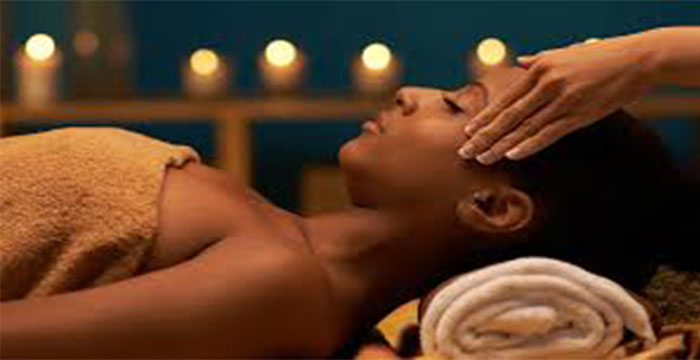
The room is quiet, warm towels rest against your skin, and a calming scent fills the air as the first slow strokes help your body release the day’s tension. A Swedish Massage Spa is more than a place for pampering; it pairs a classic relaxation massage with a peaceful setting and professional care.
If you’re considering a session in Nairobi, knowing what to expect can help you choose with confidence. This guide explains Swedish massage, its main benefits, what happens during an appointment, how it compares with other styles, how to choose a safe spa, and what pricing may include before you book.
What Makes a Swedish Massage Spa Different?
A Swedish massage spa combines a classic relaxation massage with an environment designed to help you slow down. The treatment usually uses gentle to medium pressure, massage oil or lotion, and a steady sequence of long strokes, kneading, circular movements, light tapping, and gentle joint movement.
The setting adds another layer to the appointment. Privacy, soft lighting, calming music, clean linens, a comfortable massage table, and enough time to settle in can make the session feel more comfortable than a quick massage in a busy room. Still, a peaceful atmosphere should support skilled technique, not replace it.
Swedish massage may help you relax and ease everyday muscle tension, but it shouldn’t be presented as a cure for a medical condition. Research has found possible benefits in several settings, although results vary by person and treatment plan. You can review the systematic review of Swedish massage for a closer look at the available evidence.
The Main Swedish Massage Techniques You May Feel
A therapist may use several techniques during one appointment. The sequence often begins with lighter pressure, builds gradually as your muscles warm, and finishes with slower strokes. Your feedback matters throughout the session, so the therapist should adjust pressure, speed, and focus according to your comfort.
Effleurage uses long, flowing strokes across the body. These movements often begin a Swedish massage because they warm the muscles, spread oil or lotion, and help you become comfortable with the therapist’s touch. The sensation is usually smooth and calming, with the hands gliding over broad areas such as your back, legs, shoulders, or arms.
Petrissage involves kneading, lifting, squeezing, or gently rolling soft tissue. You may feel the therapist work through areas that carry everyday tension, such as the upper back, shoulders, or thighs. The pressure can feel more focused than effleurage, but it shouldn’t feel sharp or painful.
Friction involves small, focused rubbing movements around tight areas. A therapist may use circular motions near the shoulders, along the muscles beside the spine, or around other places that feel restricted. Because friction concentrates on a smaller area, tell your therapist if the sensation becomes too intense.
Tapotement is light, rhythmic tapping or percussion. The therapist may use relaxed hands to create a brisk, repeated sensation over larger muscle groups. Some people find it refreshing, while others prefer less tapping. You can ask for this technique to be lighter or skipped.
Gentle range-of-motion movements involve moving a limb or joint through a comfortable natural pattern. For example, the therapist may slowly guide an arm or leg while you remain relaxed. These movements should never involve force, sudden stretching, or pressure beyond your comfortable range.
A Swedish massage isn’t supposed to hurt. Mild tenderness may occur when a therapist works on a tense area, but pain, numbness, tingling, or a burning sensation is a reason to speak up immediately. A professional therapist will welcome clear feedback instead of expecting you to tolerate discomfort.
Some spas add extras such as aromatherapy, warm towels, scalp work, or light stretching. These features may sound appealing, but they aren’t automatically included in every Swedish massage spa appointment. Ask what the price covers before booking, especially if you have allergies, sensitive skin, or a preference about scented oils.
Who Usually Enjoys This Relaxing Massage Style?
Swedish massage is a common choice for people who want time away from work, travel, errands, or long hours at a desk. If your neck feels stiff after looking at a screen or your shoulders stay raised during a stressful week, slow, flowing movements may help your body settle.
The style also suits first-time massage clients because the pressure is usually easier to adjust than in more intense forms of bodywork. You can request a light session, medium pressure, extra attention on one area, or a quieter appointment. Someone who prefers broad, continuous movements may enjoy Swedish massage more than a treatment built around strong, concentrated pressure.
People often choose this style for general relaxation and everyday muscle tension. However, personal needs differ. A massage that feels comfortable for one person may feel unsuitable for someone recovering from an injury or managing a health condition.
Speak with a qualified health professional before booking if you have an injury, ongoing or unexplained pain, a recent surgery, are pregnant, or have a medical condition that could affect massage safety. Tell the therapist about these concerns before the session begins, along with any medications, allergies, skin irritation, or areas you don’t want touched.
How a Spa Environment Shapes the Experience
A good Swedish massage spa feels calm without becoming careless about practical details. When you arrive, staff should explain the appointment, confirm the duration and price, and give you a chance to ask questions. You should also receive clear instructions about changing, draping, and where to place your belongings.
A private changing space, fresh towels, clean linens, and a well-maintained treatment room are basic signs of professional care. The room should feel comfortably warm, but you should be able to request another blanket, lower the temperature, or adjust the music. Small choices matter when your goal is to relax.
Respectful draping protects your privacy throughout the massage. Only the area being treated should be uncovered, and the therapist should explain what will happen before moving or adjusting the sheet. You can pause, change your mind, or end the session at any time.
A calming room can make you feel at ease, but hygiene, consent, and trained hands are what make an appointment trustworthy.
Quiet communication also helps. You shouldn’t need to make conversation, yet the therapist should check your pressure and comfort when appropriate. The best spa experience gives you enough time to explain your preferences rather than rushing you onto the table.
Music, soft lighting, pleasant scents, and warm towels can help create a slower pace. They don’t substitute for proper training, attentive technique, or clear boundaries. Before you book, look for a spa that treats the atmosphere and the massage itself as parts of the same professional service.
Swedish Massage Spa Benefits for Body and Mind
People book a Swedish massage spa appointment for practical reasons, not only for luxury. A session may help ease everyday muscle tightness, reduce feelings of stress, and create a quiet pause from screens, traffic, work, and household demands. The effects are usually personal and temporary, so massage should support your well-being rather than replace medical care.
Many clients also enjoy the simple structure of the experience. You arrive, put your phone aside, settle under a sheet, and allow steady movements to guide your attention back to your body. For a closer look at the evidence and limits of massage therapy, the National Center for Complementary and Integrative Health offers trusted health information from the National Institutes of Health.
How Swedish Massage Can Ease Everyday Muscle Tension
Swedish massage uses long strokes, kneading, circular movements, and moderate pressure across the body’s larger muscle groups. These techniques may make tight areas feel more comfortable for a time, especially when tension comes from ordinary activities rather than a serious injury.
Computer work is a common example. Hours with your shoulders slightly raised and your head tilted toward a screen can leave the neck, upper back, and shoulders feeling heavy or stiff. A therapist may spend extra time on those areas, using broad strokes first and then gentler kneading around the muscles beside the shoulder blades.
Travel can create a similar pattern. Sitting in a car or airplane for several hours may leave your lower back, hips, and legs feeling restricted. Swedish massage won’t undo every cause of discomfort, but it may help your body feel less rigid after a long journey. You can also request a focus on the calves and feet if standing or walking during travel has left them tired.
Exercise brings another familiar kind of tightness. After a new workout, a long hike, or a demanding sports practice, your arms, thighs, calves, and lower back may feel worked. Light or medium pressure can support comfort while you recover, but painful pressure is not a sign of a better treatment. A spa therapist should adjust the session to your activity level and avoid areas with acute pain, bruising, or injury.
Long shifts on your feet may affect the hips, legs, feet, and lower back. A massage can provide a welcome change after spending the day standing on a hard floor. The benefit may feel similar to loosening a tightly folded piece of fabric, the muscles do not become permanently changed, but they may feel easier to move for a while.
Swedish massage may relieve ordinary tightness, but it cannot diagnose a serious injury or permanently correct chronic pain.
Tell your therapist where you feel tension, when it began, and which movements make it worse. New, severe, or unexplained pain needs medical advice, especially when swelling, weakness, numbness, or loss of movement appears. Massage is best viewed as comfort care for everyday strain, not as a substitute for diagnosis or treatment from a licensed clinician.
The Stress Reset Many Clients Are Looking For
The mental benefit of a Swedish massage often begins before the therapist touches your back. A quiet room, clean linens, soft lighting, and a slower pace create distance from the constant demands of the day. Once notifications stop and your phone stays out of reach, your attention has fewer places to scatter.
Slow breathing can also change how the appointment feels. As the therapist works with predictable, flowing movements, you may notice your breathing become steadier. Some people relax within the first few minutes. Others need time to settle because their minds are still full of meetings, errands, family concerns, or travel plans. Both reactions are normal.
A calm massage may support a bedtime routine when you schedule it later in the day. Warmth, reduced muscle tension, and a break from stimulation can help you transition into a quieter evening. However, massage does not treat insomnia, and ongoing sleep problems deserve attention from a qualified health professional.
Your comfort depends on more than technique. Speak up if the music feels distracting, the lighting is too bright, or a scent irritates you. You can also request less conversation if silence helps you relax, or ask for brief check-ins if you feel uneasy. A professional therapist should respect your preferences without making you feel difficult.
The result is often a greater sense of body awareness. You may notice that you clench your jaw, lift your shoulders, or hold your breath during stressful tasks. That awareness can help you make small changes after the appointment, such as lowering your shoulders during computer work or taking short movement breaks during a long day.
When to Skip a Session or Ask for Medical Advice
Postpone your appointment if you have a fever, contagious illness, or symptoms that could spread to staff or other clients. Open wounds, active skin infections, unexplained swelling, severe or sudden pain, and a recent injury also require caution. Massage over an affected area may worsen irritation or delay proper assessment.
Blood clot concerns require medical advice before any massage. This includes unexplained swelling, warmth, redness, or pain in one leg, especially when symptoms appear suddenly. Seek urgent care for serious symptoms such as chest pain or trouble breathing rather than booking a spa treatment.
You should also ask your care team before scheduling if you have an uncontrolled medical condition, are recovering from surgery, or take medication that affects bleeding, blood pressure, sensation, or skin sensitivity. Share relevant information with the therapist before the session begins, including:
- Current medications and known allergies.
- Skin concerns, rashes, bruising, or sensitivity.
- Recent injuries, procedures, or changes in your health.
- Conditions that affect circulation, sensation, movement, or pain.
Pregnancy requires a therapist trained in prenatal massage. Ask your obstetric or medical care team whether massage is appropriate, particularly during a complicated pregnancy or when symptoms have changed. A qualified provider can modify positioning, pressure, and technique to suit your needs.
If symptoms are new, severe, persistent, or unexplained, choose medical advice first. A Swedish massage spa can offer relaxation and temporary comfort, but it should never delay care for a condition that needs proper evaluation.
What Happens During a Swedish Massage Appointment?
A Swedish massage appointment usually follows a calm, predictable rhythm. You book a time, arrive early enough for a short consultation, change privately, and settle under fresh draping before the massage begins. Throughout the visit, you control what feels comfortable, including the pressure, conversation, music, room temperature, and areas the therapist works on.
A 60-minute booking may include consultation and changing time, so ask whether the advertised duration means time on the table. Full-body sessions often last 45 to 90 minutes, depending on the spa and treatment plan. Massage can support relaxation and temporary relief from everyday tension, but the NCCIH massage therapy guidance explains why it shouldn’t replace medical care for ongoing symptoms.
Before You Book, Share the Details That Affect Your Session
When you call or book online, check the appointment length, price, included services, cancellation policy, and whether the massage is full-body or focused on selected areas. Ask whether the therapist uses oil, lotion, fragrance, or additional techniques. This helps you avoid surprises, especially if you have allergies or sensitive skin.
Try to arrive 10 to 15 minutes early when possible. That gives you time to use the restroom, complete forms, store your belongings, and settle into the room. Arriving at the last minute can shorten your consultation and leave you feeling rushed before the massage begins.
Before getting on the table, tell the therapist anything that could affect the session. A simple checklist can help you remember:
- Painful or tender areas, including when the discomfort started.
- Your preferred pressure, such as light, medium, or very gentle.
- Allergies to oils, lotions, scents, herbs, or other products.
- Recent injuries, bruising, surgery, injections, or cosmetic procedures.
- Pregnancy or any health condition that may change positioning or pressure.
- Skin sensitivity, rashes, irritation, or areas you want left uncovered.
- Whether you prefer silence, occasional check-ins, or friendly conversation.
Your clothing should be comfortable and easy to change out of. You undress only to the level that feels right for you, then place your belongings somewhere secure. The therapist should leave while you change and return after you are covered.
Draping protects your privacy during the entire massage. You remain covered with a sheet or towel, except for the specific area being treated. If you feel unsure about the draping, ask the therapist to explain it before the hands-on work starts.
A professional therapist welcomes questions. They also respect a request to skip an add-on, change the treatment, or keep the appointment simple. You should never feel pressured to buy products, extend the session, or add services you didn’t request.
During the Massage, Speak Up About Pressure and Comfort
The massage often begins with broad, flowing strokes over the back, shoulders, arms, or legs. These movements warm the muscles and help you settle into the therapist’s touch. The therapist may then add kneading, circular friction, gentle tapping, or light joint movement, depending on your goals and comfort.
Pressure should feel useful, not punishing. If a tight area feels tender, mention it before the sensation becomes painful. Natural phrases make communication easy:
- “Please use lighter pressure here.”
- “That area feels tender.”
- “Could you spend more time on my shoulders?”
- “I would like more quiet.”
- “Could we skip the tapping?”
- “My neck feels strained in this position.”
You can also ask for a different pillow, more support under your knees, another blanket, less music, or a cooler room. Some people relax best in silence, while others feel more comfortable with brief conversation. Your preference can change during the appointment, and you can say so.
The therapist may ask you to turn over or adjust an arm or leg. Move slowly and follow the instructions, but never force a position that feels painful or exposes more of your body than you expect. You can pause, stop, or change the treatment at any moment.
Sharp pain, numbness, tingling, dizziness, burning, or a feeling of unsafety is a reason to stop the massage immediately.
A good therapist takes those signals seriously. They should check the position, reduce pressure, cover you again, or end the appointment if needed. You don’t need to explain or apologize for protecting your comfort.
Simple Aftercare for the Rest of the Day
When the massage ends, the therapist usually leaves the room so you can dress in privacy. Take your time sitting up, especially if you feel warm or sleepy. Standing too quickly can make some people feel lightheaded, so pause at the edge of the table before walking.
Drink water according to your normal personal needs. You don’t need to force large amounts, but replacing fluids and having a regular meal can help you feel comfortable after the appointment. If you arrived hungry, choose a light snack before leaving or eat normally afterward.
For the rest of the day, ease back into ordinary activities. Gentle walking, relaxed stretching, and a warm shower may feel pleasant if your body responds well to them. Avoid strenuous exercise immediately after massage, particularly if the therapist worked on tight or tender muscles.
Scheduling also matters. A light session before exercise may help you settle into movement, but massage shouldn’t be used to push through an injury. After a demanding workout, wait until your body has recovered enough for gentle pressure, or ask the therapist to modify the appointment.
Mild tenderness can occur, especially when tense muscles received focused work, but strong pain or symptoms that last should not be ignored. Contact a health professional if you develop concerning pain, swelling, weakness, numbness, dizziness, or any symptom that feels unusual. Massage can offer comfort and relaxation, but ongoing problems need proper medical assessment.
Choosing the Right Swedish Massage Spa in Nairobi
Choosing a Swedish massage spa in Nairobi takes more than comparing polished photos or selecting the lowest price. The right choice should fit your location, comfort preferences, schedule, budget, and expectations for professional care. Before you book, compare the details that affect your actual visit, including therapist training, hygiene, privacy, pressure options, accessibility, payment methods, and recent customer experiences.
Nairobi spas can differ widely by neighborhood and setting. A spa in Westlands, Kilimani, Karen, Lavington, the CBD, or near Mombasa Road may offer a different atmosphere and travel time. Check the address, parking or transport options, accessibility, opening hours, and whether the location feels safe for your arrival and departure. Hours and services can change, so confirm current information directly with the business.
Check the Therapist, Treatment Details, and Professional Standards
Before you reserve a session, ask who will provide the massage. You don’t need a long biography, but the spa should identify the therapist and explain their relevant training or experience. If you want a traditional Swedish massage, ask whether the therapist has training in Swedish techniques, pressure control, client draping, and safe positioning.
A clear service description should explain what the treatment includes. Confirm whether the session is full-body or focused on selected areas, whether oil or lotion is provided, and whether extras such as aromatherapy, warm towels, scalp work, or stretching cost more. Also ask how long the hands-on massage lasts. A booking described as 60 minutes may include consultation, changing, or time to settle into the room.
Pressure should be adjustable. Ask whether the therapist can provide very light, light, medium, or firmer pressure, and explain that you want to change it during the appointment if needed. Swedish massage usually emphasizes flowing strokes and moderate pressure, but your comfort should guide the session. Pain is not proof of quality.
Professional standards should be visible before the treatment begins. Look for:
- Fresh linens and towels prepared for each client.
- Clean, well-maintained equipment and treatment surfaces.
- A private place to change and secure storage for belongings.
- Clear explanations about draping and which areas will be uncovered.
- Respectful communication about consent, pressure, and personal boundaries.
- A therapist who welcomes questions instead of rushing you onto the table.
A trustworthy spa should answer basic questions without irritation or vague promises. You can also review a provider’s massage safety and hygiene information, while remembering that a review describes one customer’s experience, not a universal guarantee.
Read Reviews for Useful Details, Not Just Star Ratings
A high star rating can attract attention, but the written details tell you more about what happens during an appointment. Search recent reviews for repeated comments about cleanliness, punctuality, therapist skill, privacy, booking accuracy, and staff communication. Do clients say the room was clean and the linens fresh? Did the advertised treatment match the massage they received?
Pay attention to patterns rather than isolated complaints. One person may arrive late, misunderstand the service, or have preferences that differ from yours. However, several recent reviews mentioning the same issue deserve attention, especially when they describe unclear prices, long delays, poor privacy, or pressure to purchase additional services.
Reviews can also reveal practical information that a service page leaves out. Customers may mention whether the address was easy to find, whether staff confirmed the appointment, whether parking was available, or whether the session ended on time. These details matter when you’re traveling across Nairobi for a scheduled treatment.
Be cautious with reviews that are unusually vague or extreme. A comment that only says “perfect” gives you little useful information, while an angry review with no description may not explain what happened. Look for balanced accounts with concrete details. A review that praises the therapist but mentions worn towels, for example, gives you a more useful picture than a simple five-star rating. You can compare different customer accounts, such as recent Nairobi spa reviews, before making a decision.
Finally, confirm important information with the spa. Reviews may be months or years old, and therapists, prices, opening hours, and service menus can change. Ask the business to confirm the appointment time, treatment duration, total price, location, and any special instructions.
Compare Price, Session Length, and What Is Included
Massage prices in Nairobi vary because the service itself can vary. Location, therapist experience, room type, oils, add-ons, session length, and the overall setting all affect the final cost. A hotel spa or boutique wellness center may charge more than a small neighborhood studio because of its facilities, staffing, and operating costs.
Compare like with like. A 60-minute hands-on massage isn’t the same as a 60-minute appointment that includes consultation, changing, and time between clients. Ask whether the listed duration starts when the therapist begins working or when you enter the room.
Current Nairobi listings commonly place a 60-minute Swedish massage around KES 3,000 to KES 5,000, although prices can be lower or much higher. Treat that range as a starting point, not a fixed market rate. Confirm the current price directly before paying a deposit.
Ask these questions before booking:
- Is the quoted amount the full price, including taxes or service charges?
- Are oils, towels, aromatherapy, or other products included?
- Does the spa charge for travel, parking, or a mobile appointment?
- Is a deposit required, and is it refundable?
- What happens if you cancel, reschedule, or arrive late?
- Which payment methods does the spa accept?
- Will you receive a receipt or booking confirmation?
A low advertised price may exclude an add-on you assumed was standard. A higher price may include a private room, longer hands-on time, or a more convenient location. Compare the complete service rather than the headline number.
Use a Quick Spa Safety and Comfort Checklist
Use this checklist before you pay or enter the treatment room:
- The spa provides a clear street address and working contact details.
- The service description states the massage style, session length, and inclusions.
- Staff confirm the current price and payment methods before the appointment.
- The business explains deposits, cancellations, late arrivals, and rescheduling.
- The therapist answers questions about training and pressure options.
- The treatment room, equipment, towels, and linens appear clean.
- You receive privacy while changing and remain properly draped.
- Staff respect your boundaries and accept requests to pause or stop.
- The location feels safe and accessible for your arrival and departure.
- You can end the massage at any time without pressure or embarrassment.
Treat unclear answers as useful information. Red flags include pressure to book unfamiliar add-ons, unexplained charges, poor privacy, unsafe surroundings, dirty equipment, or refusal to answer basic questions. If the spa cannot clearly explain what you are buying, choose a provider that communicates better. Your booking should feel comfortable before the massage even begins.
Kilimani Love Massage Spa: What Nairobi Visitors Should Confirm
For visitors choosing a Swedish massage spa in Nairobi, local details matter as much as massage technique. Kilimani Love Massage Spa is listed at Jade Residency on Kindaruma Road in Kilimani, Nairobi. Available business information lists weekday hours from 8 a.m. to 6 p.m. and Saturday hours from 12 p.m. to 5 p.m.
Those details give you a starting point, not a guarantee. Hours, treatment menus, therapists, and booking procedures can change. Before setting out, contact Kilimani Love Massage Spa and confirm the information that affects your visit.
Questions to Ask Before Booking in Kilimani
A short call or message can prevent a long trip built around outdated information. Ask clear questions and request the current answer in writing when possible, especially if you’re visiting Nairobi for a limited time.
- Is Swedish massage available today?
- How long is the hands-on session?
- Does the booked time include consultation or changing?
- Can the therapist provide light, medium, or firmer pressure?
- What is the full cost of the treatment?
- Are oils, towels, or any extras included?
- Is an appointment required?
- Can I book by phone or message?
- Which payment options are accepted?
- Is a deposit needed to confirm the appointment?
- Is parking available at Jade Residency?
- Which entrance should I use?
- Are there security or visitor access instructions?
- Are there any arrival instructions for Jade Residency?
Ask about the therapist as well. You may want to know who will provide the massage, whether the therapist offers traditional Swedish techniques, and whether you can request a focus on your shoulders, back, legs, or another area. If you have sensitive skin, allergies, an injury, or a condition that affects massage, mention it before booking.
Treat online listings as a first reference. Confirm the current schedule, price, service availability, and access details directly before you travel.
The same questions help you compare Kilimani Love Massage Spa with other Nairobi providers. Use them alongside the checks from the earlier spa comparison section, including session length, total price, pressure options, hygiene, privacy, cancellation terms, and payment methods. A provider that gives direct, consistent answers makes planning easier.
How to Plan a Comfortable Visit Near Kindaruma Road
Kilimani traffic can affect even a short appointment, so leave extra time for the journey. Your travel time may change with the hour, weather, road conditions, or whether you are coming from work, a hotel, or another Nairobi neighborhood. Arriving rushed can make it harder to relax before the first stroke of the massage.
Confirm the exact entrance at Jade Residency before you leave. Ask whether visitors should use a particular gate, reception point, lift, or building access procedure. Also verify parking availability, drop-off arrangements, and whether a ride-hailing driver should use a specific entrance. These small details are easier to resolve before you arrive.
Your schedule matters too. Avoid booking immediately after an intense workout if your muscles feel sore, bruised, or injured. Give yourself enough time after exercise to cool down, shower, and explain any areas that need lighter pressure. If you plan to eat first, choose a normal, comfortable meal rather than arriving overly full or hungry.
Work commitments deserve the same attention. Leave room for the appointment, changing, payment, and possible traffic afterward. A quiet few minutes after the treatment can help you return to the day without rushing straight into a meeting or demanding errand.
Before visiting, confirm:
- The exact appointment date and arrival time.
- Current weekday and Saturday availability.
- The entrance and building access instructions.
- Parking, drop-off, or public transportation details.
- The full price and accepted payment methods.
- The cancellation or late-arrival policy.
If you want a weekend Swedish massage, ask directly about Saturday availability rather than relying only on the listed hours. With those details confirmed, you can reach Kindaruma Road prepared, settle into the appointment, and give yourself time to enjoy the treatment.
Swedish Massage Compared With Other Popular Spa Treatments
Choosing a massage becomes easier when you focus on your main goal rather than the most impressive-sounding treatment name. A Swedish massage usually offers flowing movements and broad relaxation, while deep tissue, sports massage, hot stones, and aromatherapy add different levels of pressure, focus, warmth, or scent.
Names and techniques vary between spas, so ask what each menu item includes before booking. A treatment described as “deep tissue” at one location may feel similar to a firm Swedish massage somewhere else.
Swedish Massage or Deep Tissue Massage?
Swedish massage usually follows a smooth rhythm. The therapist may use long gliding strokes, kneading, circular movements, and light to medium pressure across broad areas of the body. This approach suits clients who want general relaxation, everyday tension relief, or a calm full-body session.
Deep tissue massage often moves more slowly and works with firmer pressure on specific areas. The therapist may focus on muscles that feel persistently tight, such as the upper back, shoulders, hips, or legs. The work can feel more concentrated because the hands spend longer on selected tissues instead of moving continuously across the body.
However, deeper pressure is not automatically better. Strong work may leave you tender, make you brace your muscles, or feel unsuitable when your body is already sore. If you hold your breath, tighten your jaw, or wait for a painful sensation to end, the pressure is probably too intense.
First-time clients should begin with a level they can tolerate without bracing or holding their breath. You can always ask the therapist to increase pressure later. For a useful side-by-side explanation of these styles, see this deep tissue and Swedish massage comparison.
A quality therapist should ask about your goals and adjust the session rather than forcing a fixed level of intensity. Tell them whether you want relaxation, focused work, or a combination of both. Sharp pain, numbness, tingling, or burning is a reason to stop and reassess.
Swedish Massage or Sports Massage?
Sports massage is a more targeted option for active clients. It may focus on muscle groups used during running, cycling, lifting, swimming, dancing, or another activity. Depending on the therapist’s training, the appointment may include firmer work, stretching, joint movement, or techniques that involve your active participation.
Swedish massage is usually chosen for general relaxation and broad muscle comfort. It can work well after a stressful week, a long flight, or ordinary stiffness from desk work. Sports massage has a more specific purpose, such as helping an athlete manage training-related tightness or prepare for recovery.
Before a sports massage, share your training schedule, soreness, injuries, and recovery goals. Tell the therapist whether you have an event soon, recently increased your workout, or feel discomfort in one particular movement. Those details help the therapist choose appropriate pressure and avoid areas that need medical attention.
Sports massage doesn’t give a therapist permission to diagnose an injury. A treatment label cannot confirm a tear, sprain, nerve problem, or other condition. If pain is sudden, severe, swollen, or linked to weakness or loss of movement, seek evaluation from a qualified health professional.
Active clients may also choose Swedish massage between demanding workouts when they want comfort without intensive, localized work. A Swedish and sports massage comparison can help you discuss the difference with your spa before making an appointment.
When Hot Stones or Aromatherapy May Be Added
Hot stone massage adds controlled warmth to the appointment. A therapist may place heated stones on selected areas or use them as part of the massage strokes. The warmth can feel soothing when you enjoy a cozy, heat-focused experience, but it isn’t required for a quality Swedish massage.
Aromatherapy adds scented oils or products to the treatment. The scent may come from essential oils blended into a carrier oil, lotion, or another spa product. Some clients enjoy lavender or other calming scents, while others find fragrance distracting or irritating.
Mention heat sensitivity, allergies, asthma, migraines, skin reactions, or scent preferences before choosing either option. Ask how hot the stones will be, where they will be placed, and which products the therapist plans to use. You can request unscented oil or skip heat altogether.
The spa should explain any extra cost before treatment begins. Staff should also obtain your consent before using a new product, introducing heat, or adding a technique you didn’t request. You can change your mind at any point, even after the session starts.
Choosing the Best Match for Your Main Goal
Use your main reason for booking as the starting point:
- Choose Swedish massage for a calm, full-body reset and broad muscle comfort.
- Choose deep tissue massage for carefully targeted, firmer work when your body can tolerate it.
- Choose sports massage for activity-related tightness, training support, or recovery-focused care.
- Choose hot stone massage when controlled warmth is the feature you want most.
- Choose aromatherapy massage when you welcome scented oils and want a more sensory experience.
- Ask about prenatal massage if you’re pregnant, and confirm that the therapist has suitable training and positioning practices.
The treatment label is only the starting point. A skilled therapist, clear communication, proper draping, clean equipment, and safe pressure matter as much as the name on the menu. Before booking your Swedish Massage Spa appointment, ask what will happen, what costs extra, and how the therapist will adapt the session to your needs.
Conclusion
A Swedish massage spa combines flowing techniques with a setting designed to help you pause, breathe, and feel cared for. Long strokes, kneading, gentle movement, and adjustable pressure can ease everyday muscle tension while the quiet room gives your mind space to settle. The strongest benefit is a comfortable, restorative experience shaped around your needs.
Choose a reputable spa with clear service details, clean facilities, respectful draping, and trained therapists. Before booking, confirm the current price, schedule, session length, payment terms, and what the treatment includes. If you are considering Kilimani Love Massage Spa, verify its current availability, location instructions, and booking details directly before you travel.
Share relevant health information, allergies, injuries, medications, and pressure preferences before the massage begins. During the session, communicate if the pressure, temperature, music, position, or conversation feels uncomfortable. Stop immediately if you experience sharp pain, numbness, tingling, dizziness, or anything that makes you feel unsafe.
With those simple checks in place, a Swedish massage appointment can become a welcome pause in a busy Nairobi day. Book a session that fits your comfort, budget, schedule, and wellness goals, then give yourself permission to relax at your own pace