
Hot Oil Massage: Benefits, Safety, and What to Expect
Warm oil glides across your skin as slow, steady pressure eases tight shoulders, tired legs, and muscles that have stayed clenched all day. A hot oil massage combines soothing touch with comfortably warmed oil, creating a calming treatment that can help you feel more relaxed while leaving your skin soft and moisturized.
If stress, stiffness, or everyday soreness makes it hard to switch off, this massage offers a gentle way to support comfort and rest. You’ll learn what hot oil massage is, how the treatment works, which oils and techniques therapists may use, and what benefits you can reasonably expect, including temporary relief from muscle tension and a calmer state of mind.
The guide also explains important safety tips, what typically happens during a session, and how to choose a clean, trusted spa with trained therapists. Massage can support relaxation and comfort, but it doesn’t replace medical care for ongoing pain, injuries, or health conditions. Next, we’ll look at how warm oil and slow massage strokes work together during a treatment.
What Is Hot Oil Massage and How Does It Work?
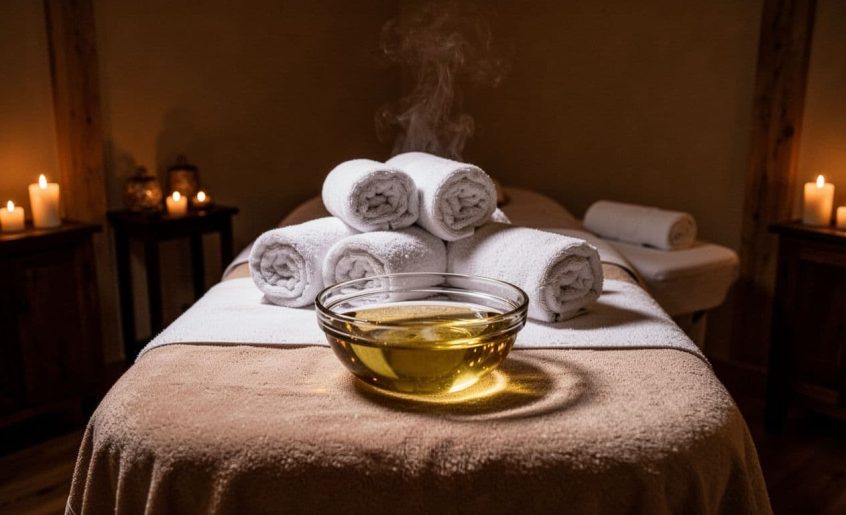
Hot oil massage is a body or scalp massage that uses oil warmed to a comfortable temperature. A trained therapist applies the oil with flowing strokes, kneading, gentle pressure, and focused work on areas that feel tense. The warmth helps stiff muscles feel more relaxed, while the oil reduces friction so the therapist’s hands can move smoothly across the skin.
The oil should feel soothing, never painfully hot. A professional therapist tests the temperature before applying it and checks your comfort throughout the session. Depending on the spa and your preferences, treatment may focus on your back, shoulders, arms, legs, feet, scalp, or the whole body.
Warmth can make tight muscles feel less guarded, much as a warm shower can make movement feel easier after a long day. It doesn’t cure an injury or replace medical care, but it can create a more comfortable setting for massage. Massage research has examined its potential effects on muscle tension, pain, stress, and relaxation, as summarized in this review of massage therapy research.
What Happens During a Typical Session?
Your appointment usually begins with a brief consultation. The therapist may ask about pressure, areas of tension, recent injuries, allergies, skin sensitivity, and any health concerns that could affect the treatment. Use this time to explain what you want. If your shoulders feel tight but your feet are sensitive, say so before the massage starts.
You may also discuss the type of oil. Spas often use options such as coconut, almond, jojoba, or sesame oil. Some add fragrance or essential oils, but scented products aren’t suitable for everyone. Tell the therapist about known allergies, asthma triggers, irritated skin, or a preference for unscented oil.
Before the massage begins, the therapist warms the oil and checks it on their own skin or a small area of yours. You should feel pleasant warmth rather than sharp heat. If the temperature feels uncomfortable, ask for cooler oil immediately. Waiting until the massage is underway can make it harder to relax.
You then receive instructions about undressing to your comfort level and lie on the massage table beneath a clean sheet. Professional draping keeps the parts of your body not being treated covered. Only the area receiving massage is exposed, and private areas remain covered throughout the session. You can also request more coverage if that helps you feel at ease.
The therapist may begin with broad, flowing strokes across the back, shoulders, or legs. As your muscles settle, they may add kneading, gentle compression, or slower work around a particular tight spot. Some sessions include scalp massage, while others focus only on the body. The plan should match the service you booked and the preferences you shared.
You remain in control during the appointment. Ask for less pressure, cooler oil, more coverage, a quieter room, or attention to a specific area at any time. You can also ask the therapist to avoid a tender spot. Comfort isn’t a final check at the end; it matters throughout the treatment.
After the massage, the therapist typically removes excess oil with towels and gives you time to dress in privacy. Depending on the oil and the treatment area, you may want to shower later, but many people leave a small amount on their skin for continued moisturization. Drink water if you feel thirsty, stand up slowly, and allow a few minutes before rushing into your next activity.
How Hot Oil Massage Differs From Swedish, Deep Tissue, and Hot Stone Massage
These massage styles can overlap, so the name alone doesn’t always tell you exactly what the appointment will feel like. Ask the spa how it defines each service, especially if you have a strong preference for pressure or heat.
| Massage style | Main feature | A practical choice for |
| Hot oil massage | Warmed oil combined with flowing strokes and hands-on pressure | Relaxation, skin moisturization, and general muscle comfort |
| Swedish massage | Usually lighter, flowing strokes with a smooth, rhythmic pace | A calming full-body massage and first-time visitors |
| Deep tissue massage | Slower, firmer pressure aimed at deeper layers of muscle | Persistent tightness when you prefer stronger pressure |
| Hot stone massage | Heated stones placed on or moved across the body | Warmth combined with the weight and movement of stones |
Swedish massage often feels light to moderate and fluid. Hot oil massage may use similar strokes, but the warmed oil becomes a central part of the experience. Depending on the spa, the session may also include aromatherapy, scalp massage, or more focused work on the shoulders and legs.
Deep tissue massage is different mainly because the therapist uses slower, firmer pressure. It can feel more intense, and a higher pressure level isn’t automatically better. If you want a relaxing treatment with comfortable movement, hot oil or Swedish massage may suit you more. If you want targeted pressure for pronounced muscle tightness, ask whether the therapist offers a deeper approach within the hot oil service.
Hot stone massage uses heated stones as part of the treatment. The stones may rest on selected areas or move across the skin, while hot oil massage relies mainly on warmed oil and the therapist’s hands. For more detail on how stone-based treatment works, see this hot stone massage guide.
The best choice depends on your goal. Choose hot oil massage when you want warmth, glide, and a moisturized skin feel. Choose Swedish massage for gentle, rhythmic relaxation, deep tissue for firmer targeted pressure, or hot stone massage when heated stones are the feature you want.
The Main Benefits of Hot Oil Massage for Mind and Body
Hot oil massage brings together comfortable warmth, smooth oil, and steady hands-on pressure. Many people seek it for a calmer mind, more comfortable muscles, and softer-feeling skin. The experience can feel especially restorative after long hours at a desk, a demanding trip, or a week filled with interrupted rest.
Benefits vary from person to person and depend on the massage technique, pressure, oil, and your health. Research findings also differ by condition, so massage should support your well-being rather than replace medical care. With realistic expectations, a session can become a soothing part of your self-care routine.
Relaxation, Stress Relief, and Better Sleep
A quiet room changes the pace before the massage even begins. Dim lighting, fewer distractions, and a warm blanket can help you stop focusing on emails, traffic, or the next task on your list. Then, slow breathing and rhythmic touch give your attention something steady to follow.
Warm oil adds another layer of comfort. As it moves across the skin, the heat can help your body feel less guarded, while broad strokes create a consistent rhythm. Your breathing may naturally become slower, and your shoulders may drop without conscious effort. Together, these details may encourage a shift toward a calmer state.
Many people book an evening hot oil massage because they want a gentle bridge between a busy day and bedtime. Rather than moving straight from work into chores and screens, you have time to settle your body first. Some people feel pleasantly sleepy after treatment, while others simply notice less mental noise.
A relaxation massage before bed has also received research attention. One 2025 study reported improved sleep measures after relaxation massage before bedtime, but results from one study don’t guarantee the same outcome for every person. You can read the findings in this study on bedtime relaxation massage.
Massage may help you relax as part of a wider bedtime routine. You might pair an evening appointment with a warm shower, low lighting, and a regular sleep schedule. However, one session won’t treat anxiety, chronic stress, or insomnia. If worry, low mood, panic, or poor sleep continues, speak with a qualified healthcare professional.
A calming massage can support rest, but ongoing mental health or sleep symptoms deserve proper medical attention.
Muscle Comfort, Flexibility, and Everyday Tension
Daily habits often leave a physical record. You may carry your shoulders toward your ears during computer work, grip a steering wheel for hours, or sit in one position during a long flight. Hot oil massage can make those areas feel more comfortable by combining warmth with flowing strokes and gentle kneading.
The therapist may work around your neck and shoulders if desk work has created a heavy, tight feeling. They might also focus on the lower back, hands, feet, or calves, depending on what feels tired. Warmth can help muscles feel less stiff, while rhythmic pressure may make it easier to notice where you hold tension.
That awareness can be useful after the session. You may realize that you clench your jaw during concentration, raise one shoulder while using a mouse, or curl your toes when standing. Massage doesn’t permanently correct these habits, but it can give you a clearer sense of them. You can then adjust your chair, take movement breaks, or change how you carry a bag.
Tired legs often respond well to broad, comfortable strokes, especially after travel or prolonged standing. Likewise, a gentle foot and lower-leg massage may feel welcome after a day spent walking. Post-travel stiffness can also ease when you return to movement gradually and avoid staying seated for long periods.
Flexibility may feel temporarily improved because muscles and surrounding tissues feel warmer and less guarded. The therapist should work within a comfortable range, never forcing a limb into a stretch. Sharp pain, burning, numbness, or lingering soreness is a reason to stop and reassess the pressure.
Avoid massage directly over a fresh injury, open wound, significant swelling, or unexplained pain. A new sprain, strain, fracture, or surgical site may need medical evaluation first. Tell the therapist about injuries and health conditions during the consultation so they can adjust or postpone treatment safely.
Skin Nourishment and the Sensory Benefits of Warm Oil
Massage oil helps the therapist’s hands glide across your skin with less friction. That smooth movement can make the treatment feel fluid rather than rough, while a small amount of oil may leave your skin feeling softer after the appointment. The result is a pleasant surface-level benefit, not a treatment for every skin concern.
Warmth also changes the sensory experience. Cool lotion can feel functional, but comfortably warmed oil feels more enveloping. The gentle heat, silky texture, and repeated strokes create a soothing combination that many people associate with comfort and care.
Your choice of oil matters. Coconut, jojoba, sesame, almond, and unscented blends are common options, but products vary by spa. Fragrance and essential oils can add a distinctive scent, yet they may irritate sensitive skin or trigger headaches for some people. Ask what the product contains before the massage begins.
People with eczema, known allergies, broken skin, rashes, or fragrance sensitivity should discuss those concerns first. Ask whether the spa can provide a fragrance-free option, and request a patch test when appropriate. A patch test can reduce the chance of applying a new product over a large area without knowing how your skin will react.
Hot oil massage may leave skin feeling smoother and more comfortable, especially when dryness comes from ordinary environmental exposure. Still, it doesn’t cure eczema, psoriasis, dermatitis, or other dry skin conditions. Stop the treatment if you notice burning, itching, swelling, or a rash, and seek medical advice if the reaction persists.
Choosing the Right Oil, Temperature, and Massage Style
The best hot oil massage is shaped around your comfort, skin, and reason for booking. Oil changes how smoothly the therapist’s hands move, heat changes how your body responds, and pressure determines whether the session feels soothing or too intense.
Before you lie down, tell the therapist what you want from the appointment. You might be seeking a quiet full-body treatment, relief for tight shoulders, lighter foot work after travel, or a scalp massage that helps you settle before bed. A clear conversation gives the therapist useful direction.
Which Massage Oil Is Best for Your Skin?
No single massage oil is right for everyone. The best choice depends on how the oil feels, how your skin reacts, and whether you prefer a light finish or richer moisture. Carrier oils also help dilute essential oils before they touch your skin. You can review the practical role of carrier oils in this guide to massage oil choices.
Common options include:
- Coconut oil usually feels rich and moisturizing. It may suit dry-feeling skin, although some people find it too heavy or greasy. Fractionated coconut oil often feels lighter than solid coconut oil.
- Sesame oil has a fuller texture and a naturally warm, earthy scent. It is common in traditional Ayurvedic-style massage and suits clients who enjoy a richer, warming feel.
- Jojoba oil feels light and absorbs readily. Its texture is close to the skin’s natural oils, so it can work well for people who dislike a heavy residue.
- Sweet almond oil offers a smooth, soft glide with a light-to-medium finish. It is a popular all-purpose option, but anyone with a nut allergy should ask about alternatives.
- Grapeseed oil is often chosen for its lighter feel. It allows comfortable movement across the skin without leaving the same rich coating as some heavier oils.
If you dislike feeling oily after a massage, ask for jojoba, grapeseed, or another lighter blend. When your skin feels dry or tight, coconut, sesame, or almond oil may provide a more cushioned finish. Still, skin type alone doesn’t decide the choice. Your personal comfort matters just as much.
Fragrance-free oil is often the safest starting point for sensitive clients. Added fragrance and essential oils can cause irritation, headaches, or breathing discomfort in some people. Essential oils are concentrated, so a therapist should dilute them properly in a carrier oil rather than applying them directly.
Tell the spa about allergies, asthma triggers, fragrance sensitivity, eczema, rashes, or past reactions. Ask whether the oil contains almond, other tree nuts, coconut, sesame, or added fragrance. If the product is new to you, request a small patch test when appropriate.
A professional spa should also answer practical hygiene questions without hesitation. Ask whether bottles are dispensed hygienically, whether supplies are single-use when appropriate, and how linens and oil containers are handled between clients. You can also ask whether the oil may stain clothing or towels and whether the spa uses a laundering process designed for massage products.
### How Much Heat and Pressure Should You Choose?
Warm oil should feel pleasant, soothing, and easy to tolerate. It shouldn’t sting, burn, or make you tense your muscles. Heat is there to support comfort, not to prove that the treatment is intense.
The therapist should test the temperature before applying oil over a larger area. They may check a small amount on their own wrist or on a limited area of your skin first. If the oil feels too hot, speak up immediately. Even a brief exposure can irritate skin when the temperature is excessive.
The right temperature feels comforting within seconds. If you need to endure it before it feels good, it’s too hot.
Pressure follows the same rule. Useful pressure may feel firm, steady, or pleasantly stretching, but it should never feel sharp, burning, numb, or unbearable. Pain can cause your muscles to guard against the therapist’s touch, which works against the relaxed feeling you want.
Choose light pressure if you’re new to massage, have sensitive skin, feel tired, or want a calming session. Medium pressure may suit general shoulder tension and everyday stiffness. Firmer pressure can feel useful for certain tight areas, but it should remain controlled and comfortable. More force doesn’t automatically create better results.
Your preference can change during the appointment. Muscles may soften after several minutes, or a tender area may become more sensitive as the therapist works nearby. A trained therapist can lower the pressure, cool the oil, change techniques, or move to another area at any point.
Try using direct requests such as:
- “Please use lighter pressure on my lower back.”
- “The oil feels warm enough, so please don’t heat it further.”
- “Could you spend more time on my shoulders?”
- “Please avoid the tender spot near my knee.”
- “I prefer medium pressure on my legs and light pressure on my feet.”
The treatment area matters, too. A full-body session gives you a broad, balanced experience when general relaxation is your goal. A back-focused massage makes more sense when desk work, driving, or stress has concentrated tension between your shoulders. Foot massage suits tired legs and people who spend much of the day standing. Scalp massage may be the better choice when you want a quiet, contained treatment without undressing fully.
Couples sessions can be relaxing when you want to share the experience, but each person should still receive an individual consultation. One guest may prefer light pressure and unscented jojoba oil, while the other may want firmer shoulder work and sesame oil. A shared room shouldn’t mean shared preferences.
How to Prepare for a Hot Oil Massage and Stay Safe
A little preparation helps your hot oil massage feel calm, comfortable, and safe. Arrive with enough time to discuss your health, skin, pressure preferences, and any areas you want the therapist to avoid. Warm oil should support relaxation, never create pain, irritation, or uncertainty.
Before your appointment, eat lightly rather than arriving with a full stomach. Many people feel more comfortable waiting two to three hours after a large meal. Avoid alcohol beforehand, wear loose clothing, remove jewelry, and drink water according to your normal needs. Arriving a few minutes early gives you time to complete forms without rushing.
### Questions to Answer Before the Therapist Begins
The consultation is more than a quick formality. It gives your therapist the information needed to adjust the oil, temperature, pressure, and massage areas. Share health details honestly, even if they seem unrelated to muscle tension.
Tell the therapist if you have:
- Allergies to nuts, coconut, sesame, fragrances, essential oils, or skincare products.
- A current pregnancy, plans to become pregnant, or pregnancy-related concerns.
- Recent surgery, injections, cosmetic procedures, stitches, or other medical procedures.
- A fresh injury, chronic pain, numbness, reduced sensation, or an area that swells easily.
- Eczema, psoriasis, a rash, sunburn, burns, open skin, or a history of contact dermatitis.
- Diabetes, heart disease, uncontrolled blood pressure, a bleeding disorder, or a history of blood clots.
- Medicines that affect bleeding or sensation, including blood thinners.
People who take medicines such as warfarin or apixaban, or who manage heart disease, diabetes, or uncontrolled blood pressure, should ask a qualified clinician before booking. Reduced sensation from diabetic neuropathy can make it harder to notice oil that is too hot. Pregnancy also calls for extra care, especially during the first trimester or with bleeding, cramping, high blood pressure, or other complications. A prenatal-trained therapist and medical clearance may be appropriate.
Ask what oil the spa plans to use and whether it contains fragrance or essential oils. If you have sensitive skin or are trying a new product, request a patch test before the therapist applies oil over a large area. The therapist should test the oil temperature on a small area of skin first. Warm should feel pleasant within moments. Burning, stinging, or persistent heat means the temperature needs to change.
Your comfort also includes personal boundaries. Explain which areas you don’t want touched, whether you prefer more coverage, and whether you want the therapist to avoid your abdomen, feet, scalp, or a tender joint. You can request quiet music, no music, a cooler room, a warmer blanket, or fragrance-free oil.
Informed consent continues throughout the appointment. You can change your mind, request a pause, or end the massage at any time.
A professional therapist should explain the treatment, answer reasonable questions, maintain proper draping, and respect your decisions. Use clear phrases such as, “Please use lighter pressure,” “That area is off-limits,” or “The oil feels too warm.” You never need to tolerate discomfort to be polite.
When to Skip the Session or Get Medical Advice First
Some conditions call for postponing the appointment. Others require medical advice before you schedule one. Massage should not take place over broken or infected skin, open wounds, burns, sunburn, a fresh injury, or a recent surgical site. Wait until the area has healed or ask your healthcare professional when massage is appropriate.
Postpone the session if you have a fever, flu, contagious illness, active infection, vomiting, or feel generally unwell. You may need rest and medical care, and visiting a spa could expose other clients and staff. Massage also isn’t appropriate over unexplained swelling, a painful red area, or a suspected blood clot. Avoid trying to massage a swollen calf or painful leg yourself while waiting for advice.
Seek urgent medical help instead of a massage if you have chest pain, trouble breathing, sudden weakness, fainting, severe swelling, or intense unexplained pain. These symptoms can indicate a serious problem, and massage could delay needed care. Guidance on massage contraindications and warning signs also includes fever, infection, and blood clot concerns.
Recent surgery, a significant injury, active skin inflammation, or a history of clotting problems requires a conversation with your clinician. The same applies to blood thinners, bleeding disorders, heart conditions, uncontrolled blood pressure, and diabetes with nerve damage. A therapist may need to modify the treatment, avoid certain areas, or decline the appointment until you have medical clearance.
Pregnancy doesn’t automatically rule out massage, but the treatment must match your stage of pregnancy and health. Ask your obstetric clinician first if you have bleeding, cramping, preeclampsia, placenta problems, a risk of premature labor, or other complications. A qualified prenatal therapist should avoid excessive heat, forceful pressure, and unsafe positioning.
For additional examples of areas that should not receive massage, review this guide to massage treatment cautions. When symptoms are new, severe, or unexplained, medical evaluation comes before relaxation.
What to Do After a Warm Oil Treatment
Take a moment before leaving the table. Sit up slowly, pause with both feet on the floor, and stand only when you feel steady. Warmth, relaxation, and lying still can make some people feel lightheaded when they rise too quickly.
Drink water according to your normal thirst and hydration needs. You don’t need to force large amounts after a massage. If your body feels tender, choose gentle activity for the rest of the day instead of an intense workout. A short walk may feel fine, but stop if pain increases.
Your skin may feel oily for several hours. You can wipe off excess oil with a towel or shower when convenient, while following any product instructions from the spa. Wear comfortable clothing that won’t make you worry about minor oil residue.
Mild tenderness can occur, especially after firmer pressure, but it should remain manageable and improve within a short time. Contact the spa or a healthcare professional if you develop a burn, spreading rash, severe pain, unusual swelling, persistent dizziness, numbness, or symptoms that don’t improve. Your aftercare should leave you feeling comfortable, not concerned about whether something went wrong.
Finding a Trusted Hot Oil Massage in Kilimani
Kilimani has many massage businesses, and several operate near Kindaruma Road. That makes choice convenient, but similar names and changing online listings can make details confusing. Before you book a hot oil massage, confirm what the treatment includes, who will provide it, and where the appointment will take place.
Kilimani Love Massage Spa lists its location as Jade Residency, Kindaruma Road, Kilimani, Nairobi. Its posted hours are 8 a.m. to 6 p.m. on weekdays and noon to 5 p.m. on Saturday. These details can change, so confirm the current address, opening hours, availability, treatment details, and price directly before visiting. Also check whether the entrance is inside the residence and whether you need directions from a nearby landmark.
What to Ask a Spa Before You Book
A short call or WhatsApp message can prevent an awkward surprise at the appointment. You can send this script and adjust it to suit your needs:
“Hi, I’d like to book a hot oil massage. Do you currently offer this treatment? What is the session length and total price? Which oils are available, and are they scented or fragrance-free? How do you warm and test the oil, and can I choose the heat level and massage pressure? Is a trained therapist available on my preferred date? What facilities are included, and what are your booking, deposit, cancellation, and late-arrival rules?”
Ask the spa to explain whether the quoted time includes consultation and changing, or only hands-on massage. A 60-minute booking may include less than 60 minutes of massage if the provider counts preparation and cleanup within the appointment. Clear timing helps you compare prices fairly.
For Kilimani Love Massage Spa, ask whether the treatment currently includes warmed oil before assuming that it does. Confirm the available oils, including any coconut, almond, sesame, jojoba, or essential-oil blends. If you have allergies, sensitive skin, asthma triggers, eczema, or fragrance sensitivity, ask for the full ingredient list and whether an unscented option is available.
Heat should feel comfortably warm, never sharp or burning. Ask whether the therapist tests the oil on a small area of skin before applying it widely. You can also request light, medium, or firm pressure, along with specific areas to avoid. A professional provider should accept these requests without making you feel difficult.
Privacy questions deserve direct answers. Ask how the therapist handles draping, whether you can change in private, which body areas remain covered, and whether you may stop the session at any time. Consent should continue throughout the massage. You should be able to pause, change pressure, refuse an area, or end the treatment without pressure from staff.
A reliable spa will also answer health and hygiene questions clearly. Ask whether the therapist will review injuries, pregnancy, allergies, medicines, or skin conditions before starting. Confirm how linens are changed, how surfaces are cleaned, and whether oils are dispensed hygienically. If the answers are vague, rushed, or dismissive, choose another provider.
How to Compare Price, Quality, and Convenience
The lowest advertised price is not always the best value. A cheaper session may offer less hands-on time, limited consultation, fewer oil choices, basic facilities, or a therapist with less experience. Compare the full appointment rather than the large number shown in an online post.
Look at the total session length first. Then ask about therapist training and experience with relaxation massage, pressure adjustments, warm oil, and clients with sensitive skin. Room cleanliness, fresh linens, secure belongings, ventilation, privacy, and a comfortable temperature also affect the quality of your visit.
Price comparisons need care because local schedules and rates vary. Online figures are a starting point, not a guaranteed quote. For example, different Nairobi providers publish hot oil massage descriptions with different inclusions, so compare the actual service details rather than assuming every treatment with the same name is identical. You can review examples from local hot oil massage listings and another Nairobi massage menu, then confirm the final price directly with the spa you are considering.
Use this checklist when comparing spas in Kilimani:
- Confirm the exact address, nearby landmark, parking or access details, and current opening hours.
- Check whether the quoted price includes the full hands-on time, consultation, oil, towels, and any add-on charges.
- Ask who will perform the massage and whether the therapist can adjust heat, pressure, positioning, and coverage.
- Review credible customer feedback, looking for repeated comments about hygiene, punctuality, respectful conduct, and service accuracy.
- Ask what oil ingredients are available and whether the spa can provide unscented oil or accommodate allergies.
- Confirm privacy practices, consent procedures, clean linens, room standards, and secure personal storage.
- Check whether the business offers in-call service, where you visit the spa, or outcall service, where a therapist travels to you.
- Read the booking terms, including deposits, cancellation deadlines, rescheduling, late arrival, and no-show rules.
Convenience matters, especially in Nairobi traffic, but it shouldn’t replace basic standards. A nearby spa with clear communication and honest pricing is often a better choice than a cheaper option that cannot explain what your appointment includes. Before you leave home, save the confirmed address, therapist availability, price, and booking terms in writing.
How to Get More From Every Hot Oil Massage
A comfortable hot oil massage depends on more than warm oil and skilled hands. Your timing, communication, oil choice, and plans after treatment all shape the experience. Treat the appointment as a personal wellness service, not a fixed routine you must endure exactly as offered.
A useful session should leave you feeling calmer and more comfortable. It shouldn’t leave you wondering whether you should have spoken up sooner.
Simple Ways to Make the Experience More Comfortable
Book enough time so you aren’t watching the clock. Arriving late, hurrying through the consultation, or rushing straight into traffic can keep your body tense before the massage even starts. If possible, allow a few extra minutes before and after the appointment. That buffer gives you room to discuss your preferences and sit quietly when the treatment ends.
Avoid a heavy meal immediately before lying down. A large meal can make pressure on your abdomen uncomfortable, especially during a full-body treatment. Choose something light if you’re hungry, and skip alcohol before the appointment. Wear loose clothing, remove jewelry, and bring any questions you want answered.
Your questions might include:
- Which oil will you use, and does it contain fragrance or essential oils?
- Can I choose fragrance-free oil?
- How do you warm and test the oil?
- How long is the hands-on massage?
- Can I request lighter pressure or avoid certain areas?
- What are your cancellation, late-arrival, and payment policies?
Fragrance-free oil is a sensible choice if you have sensitive skin, asthma triggers, headaches, eczema, or a history of reactions to scented products. Ask about ingredients rather than relying on a label such as “natural.” Almond, sesame, coconut, and essential oils can still cause problems for some people. A small patch test may help when you’re trying a new product.
Give honest feedback from the first few minutes. Say, “Please use less pressure on my shoulders,” or “The oil feels too warm.” You can ask for more coverage, a quieter room, a different position, or a pause. If you feel sharp pain, burning, tingling, numbness, dizziness, or nausea, stop the treatment and tell the therapist immediately.
Consent and comfort matter more than following a preset sequence. You can change your mind about an area, pressure level, oil, or massage length. A respectful therapist will adjust the session without making you feel demanding.
Afterward, leave a little space before strenuous activity. A gentle walk may feel fine, but intense exercise can make already tender muscles feel worse. Shower when convenient, especially if the oil feels heavy or your skin becomes itchy. The National Center for Complementary and Integrative Health’s massage therapy overview is also useful when you want to keep massage benefits and limits in perspective.
Common Mistakes That Can Ruin a Relaxing Session
Most disappointing appointments involve problems that a short conversation could have prevented. The biggest mistake is failing to disclose a medical issue because it seems unrelated to massage. Mention recent injuries, surgery, pregnancy, skin conditions, numbness, blood thinners, diabetes, heart disease, uncontrolled blood pressure, or a history of blood clots. If you aren’t sure whether a condition matters, share it anyway and ask whether medical advice is appropriate.
Never tolerate excessive heat to avoid appearing difficult. Warm oil should feel pleasant within moments. If it stings, burns, or makes you tense, ask the therapist to cool it or remove it. Reduced sensation can make heat especially risky, so people with neuropathy or similar conditions need extra caution.
Silence can also turn moderate pressure into a painful session. Deep pressure is not automatically more effective, particularly when your body is sore after travel, strenuous exercise, illness, or poor sleep. Choose a lighter treatment when you feel tender, then increase pressure only if your body responds well.
Heavy fragrance creates another avoidable problem. Scented oil may trigger itching, headaches, breathing symptoms, or discomfort. Confirm the ingredients before treatment begins, and request an unscented product if you have any concern.
Don’t schedule a hot oil massage and then rush straight into demanding exercise, heavy lifting, or a long day on your feet. Give your body time to settle. If soreness develops, use gentle movement and contact a healthcare professional if pain is severe, persistent, or unusual.
Finally, check the provider’s policies before booking. Confirm the session length, price, location, therapist availability, cancellation terms, deposit requirements, draping practices, and whether the advertised service includes hot oil. Clear details protect your time and reduce unpleasant surprises.
Quick Questions About Hot Oil Massage
Does hot oil massage hurt? It shouldn’t. Comfortable pressure may feel firm, but sharp pain, burning, numbness, or forced stretching means the therapist should stop or adjust the technique.
How long does it last? Sessions commonly last 30, 60, or 90 minutes, although the exact hands-on time varies. Ask whether changing and consultation time are included.
Can you shower afterward? Yes. You can shower immediately or wait if the oil feels comfortable. Use a gentle cleanser and avoid harsh scrubbing if your skin feels sensitive.
Is it suitable for everyone? No. People with fever, infection, open wounds, fresh injuries, unexplained swelling, some medical conditions, or certain pregnancy complications may need to postpone or seek medical advice first.
How often should you book? There is no fixed rule. Weekly or every other week may suit regular stress or muscle tension, while monthly appointments may fit a smaller budget or occasional relaxation. Track how you feel later that day and the next morning, then adjust around your goals, schedule, budget, and response.
Keep a simple record of the pressure used, oil you liked, areas that felt tense, and any skin reaction or soreness afterward. Over time, that information helps you build a routine that fits your body instead of copying someone else’s schedule.
Conclusion
Hot oil massage brings together comfortable warmth, smooth glide, and skilled touch to create a calming treatment for everyday tension. It may help you relax, ease temporary muscle stiffness, support restful sleep, and leave your skin feeling softer. These benefits are realistic, but they depend on the technique, your health, and the quality of the session.
The oil should feel warm rather than hot, and the pressure should remain comfortable throughout the appointment. A professional provider will welcome questions about ingredients, allergies, skin conditions, draping, hygiene, temperature, and massage pressure. You should also feel free to pause or stop the treatment whenever something feels wrong.
Before you book, decide what you want most from the session, such as full-body relaxation, shoulder comfort, lighter foot work, or a scalp massage. Then ask the spa about its oils, safety practices, therapist availability, current price, session length, and location. Once those details are confirmed, you can settle onto the table with confidence and let warm oil, steady hands, and a slower pace ease the day from your body.