
Aromatherapy Massage: Benefits, Oils, Safety, and Nairobi Spa Tips
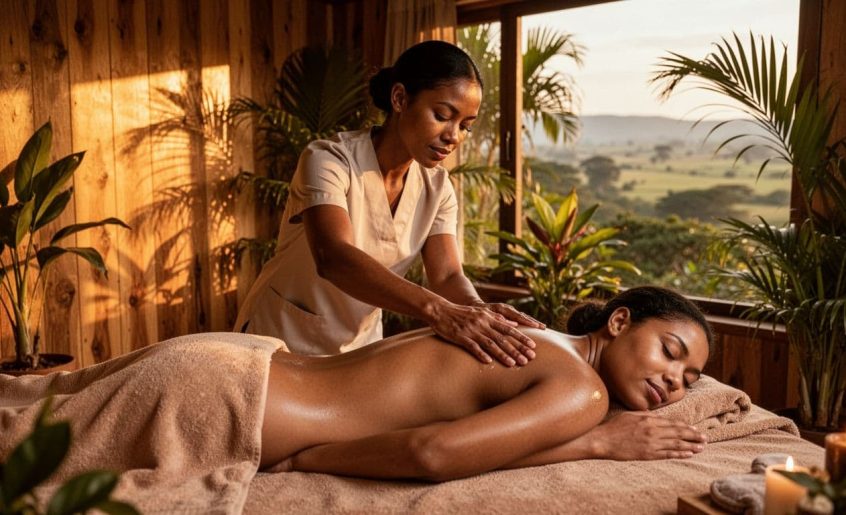
Soft lavender fills the room as warm oil meets your skin and slow massage strokes ease the day from your shoulders. Aromatherapy massage combines relaxing massage techniques with carefully selected essential oils, making it appealing when stress, muscle tension, poor sleep, or the need for quiet time has started to affect your routine.
People seek this treatment for comfort and relaxation, but its effects are personal and temporary. Massage may help you feel calmer, loosen tight muscles, and create space for rest, yet it doesn’t replace medical care or treatment for ongoing pain, injury, or health conditions. A qualified therapist should also ask about allergies, medications, pregnancy, and other concerns before choosing an oil or technique.
This guide explains what aromatherapy massage is, how it works, the possible benefits, essential oil choices, important safety steps, and what you can expect during an appointment. It also looks at typical Nairobi prices, which range from around KES 4,000 to KES 7,500 for many 60-minute sessions, while luxury hotel spas may charge KES 12,500 or more. Next, you’ll learn how to choose a trustworthy spa and prepare for a treatment that feels safe, comfortable, and worthwhile.
What Is Aromatherapy Massage and How Does It Work?
Aromatherapy massage combines hands-on bodywork with diluted essential oils. The massage usually uses gentle to moderate pressure, slow strokes, kneading, and focused work on areas such as the shoulders, back, neck, arms, and legs. The goal is usually relaxation and sensory comfort, rather than treatment for a diagnosed medical condition.
Essential oils come from aromatic parts of plants, including flowers, leaves, roots, bark, seeds, and resins. Lavender, peppermint, eucalyptus, bergamot, and citrus oils are common examples. However, a plant’s natural origin doesn’t prove that its oil will treat pain, anxiety, insomnia, or another health problem. Research remains mixed, and many benefits appear temporary or vary by person. Cleveland Clinic’s aromatherapy guidance also describes aromatherapy as a complementary practice, not a replacement for medical care.
The Main Benefits People Look For
Most clients book an aromatherapy massage because they want to slow down and feel more comfortable in their bodies. The quiet room, warm oil, steady touch, and familiar scent can create a clear break from work, traffic, screens, and daily demands.
Many people find that massage may help reduce short-term stress. Slow, predictable strokes can encourage a calmer breathing rhythm and give the nervous system fewer demands to process. The scent may add to that feeling, especially when the client already associates lavender, orange, or another aroma with rest.
A calmer mood is another common reason to schedule a session. Aromatherapy may support relaxation and ease feelings of tension, although an essential oil doesn’t affect everyone in the same way. Some research has reported reduced anxiety after lavender massage, while other studies have found smaller or inconsistent effects. The American Massage Therapy Association’s discussion of massage and aromatherapy provides further context on the combined experience.
Sleep is also part of the appeal. A massage before bedtime may help you feel less wound up, and a soothing scent can become part of a familiar evening routine. That doesn’t mean aromatherapy massage cures insomnia. It may support easier rest when stress or ordinary muscle tension is keeping you alert.
The treatment can also ease everyday muscle tightness. Massage may loosen stiff shoulders after desk work, reduce the heavy feeling in tired legs, or make a tense back feel more mobile. These effects often come from the massage itself, so the essential oil shouldn’t receive all the credit.
A soothing self-care experience has value even when the effects are modest. Still, aromatherapy massage isn’t a substitute for diagnosis or treatment. Speak with a qualified health professional about ongoing pain, persistent anxiety, insomnia, numbness, weakness, swelling, or other symptoms that interfere with daily life.
Essential oils may add to the atmosphere, but the relaxation benefit can also come from the massage, quiet setting, warmth, and time away from routine.
How the Scent and Massage Work Together
Two parts shape the experience: the physical massage and the aroma. Massage works directly on soft tissue through pressure and movement. Depending on the technique, it may reduce the feeling of tightness, encourage comfortable movement, and help you settle into slower breathing.
The scent works through smell. When you inhale an aroma, odor molecules stimulate receptors in the nose, which send signals through the olfactory system to areas of the brain involved in memory, emotion, and mood. A familiar smell can make a room feel more peaceful because your brain connects it with a previous experience, such as bedtime, a garden, or a favorite product.
That response is personal. Lavender may feel soft and restful to one client, while another person may find it too strong or medicinal. Citrus can feel fresh and cheerful, but a sensitive client may develop a headache from any intense fragrance. Scent preference matters as much as the therapist’s oil selection.
Essential oils also differ from ordinary scented massage oils. An essential oil is a concentrated plant extract. A scented massage oil may contain a carrier oil with added fragrance, and that fragrance might be natural, synthetic, or a mixture of both. Neither label automatically tells you how your skin or breathing will respond.
Dilution matters because undiluted essential oils are highly concentrated. A therapist should mix a small amount into a carrier oil, such as jojoba, grapeseed, sweet almond, or coconut oil, before applying it to the skin. Proper dilution lowers the chance of irritation, although it doesn’t remove every risk. Tell the therapist about allergies, asthma, migraines, pregnancy, sensitive skin, and medication concerns before the session begins.
Choose a mild aroma when you’re unsure. You can also request no scent at all. During the massage, speak up if you feel dizzy, nauseated, itchy, short of breath, uncomfortable, or overwhelmed. A professional therapist can stop the treatment, remove the scented oil, improve ventilation, or switch to an unscented product.
Aromatherapy Massage Compared With Other Massage Styles
Aromatherapy describes the use of essential oils, not one fixed pressure level or massage method. A therapist may combine aromatherapy with flowing Swedish strokes, gentle relaxation work, or another suitable approach. Ask what technique the spa includes before booking, especially if you want firm pressure or focused work.
| Massage style | Main focus | What to expect |
| Aromatherapy massage | Relaxation and sensory comfort | Diluted essential oils with gentle to moderate bodywork |
| Swedish massage | General relaxation and circulation | Flowing strokes, kneading, and light to medium pressure |
| Deep tissue massage | Selected areas of persistent tightness | Slower, firmer pressure that may feel intense |
| Hot stone massage | Warmth and relaxation | Heated stones combined with massage strokes |
A regular Swedish massage may suit you if you want calming bodywork without fragrance. Aromatherapy massage often feels similar, but the scent adds another layer to the room and the session.
Deep tissue massage is a different choice when you want firmer pressure on specific areas. More pressure isn’t always better, though. If you have an injury, severe pain, nerve symptoms, or a health condition, ask a qualified health professional whether massage is appropriate before choosing a stronger style.
Hot stone massage uses heated stones to add warmth and pressure. Some clients enjoy that heavy, soothing sensation, while others prefer the lighter feel of oil and hands alone.
Your choice should match your goal, pain tolerance, scent preference, and health needs. Tell the therapist whether you want a quiet relaxation session, mild work on stiff shoulders, or a different approach. The pressure, pace, massage area, and aroma should all be adjusted to your comfort.
Choosing Essential Oils for a More Personal Massage Experience
The scent you choose can change the character of an aromatherapy massage. A warm floral aroma may make the room feel softer, while a crisp herbal scent can create a cleaner, more refreshing atmosphere. The oil doesn’t need to promise a medical result to shape your experience. Your memories, preferences, and sensitivity to fragrance all influence how the session feels.
Before your appointment, tell the therapist what you want from the massage. You might prefer a gentle scent that fades into the background, a fresh aroma that helps you feel more alert, or no fragrance at all. A good therapist should treat oil selection as part of the consultation, not as a surprise once the massage has started.
Popular Oil Choices and the Mood They May Create
Spas often keep a small selection of popular oils, although availability and therapist preferences vary. Some practitioners use single oils, while others prepare blends to create a particular scent profile. The descriptions below refer to the atmosphere clients often associate with each aroma, not guaranteed effects.
| Essential oil | Scent profile | Atmosphere it may create |
| Lavender | Soft, herbaceous, and lightly floral | Calm, gentle, and suitable for a quiet evening massage |
| Peppermint | Cool, sharp, and fresh | Crisp, clean, and more invigorating than floral scents |
| Eucalyptus | Strong, herbal, and camphor-like | Refreshing and open, especially for clients who enjoy bold aromas |
| Sweet orange | Juicy, sweet, and distinctly citrusy | Bright, cheerful, and welcoming |
| Bergamot | Citrus-like with a slightly floral, bitter edge | Relaxed, polished, and balanced rather than sugary |
| Frankincense | Warm, resinous, woody, and earthy | Grounded, serene, and well suited to a slower treatment |
| Ylang-ylang | Rich, sweet, exotic, and floral | Luxurious, romantic, and enveloping |
Lavender is often the easiest starting point for a first aromatherapy massage. Its soft floral scent usually feels less demanding than peppermint or eucalyptus. If you already connect lavender with bedtime, clean linens, or a garden, that personal association may make the room feel more restful.
Peppermint creates a very different impression. Its cool, bright aroma can feel fresh after a long day, particularly when you prefer clean scents over sweet ones. However, its intensity may bother people who are sensitive to strong fragrance, so ask for a light blend if you’re unsure.
Eucalyptus has a sharper herbal character. Many clients associate it with freshness and clear air, while others find it too strong or medicinal for a relaxing massage. Bergamot offers a gentler middle ground, with citrus notes softened by a floral, slightly bitter quality.
Sweet orange usually brings warmth and brightness to a blend. It can make a treatment room feel sunny and friendly without the sharp edge of peppermint. Some citrus oils, including certain expressed citrus oils, can increase sensitivity to sunlight after skin application. Ask the therapist which type they use and whether you should avoid direct sun after treatment.
Frankincense adds a dry, resinous note that suits clients who prefer woody or earthy fragrances. Ylang-ylang has a full, sweet floral scent, so a small amount can shape an entire blend. Its richness appeals to some clients, while others may prefer a lighter floral oil.
The choice can be as simple as matching the scent family to your preference:
- If you enjoy soft floral scents, try lavender or a restrained ylang-ylang blend.
- If you prefer fresh aromas, ask about peppermint or eucalyptus at a low concentration.
- If citrus scents lift your mood, sweet orange or bergamot may suit you.
- If you like woody and earthy notes, frankincense may feel more comfortable.
- If strong fragrance causes headaches or nausea, choose an unscented carrier oil.
The best oil is the one you can comfortably smell and wear on your skin. An unscented massage remains a complete and worthwhile choice. You still receive the warmth, touch, pace, and quiet of the treatment without adding fragrance.
Why Dilution, Quality, and Consent Matter
Essential oils are concentrated plant extracts. During a massage, they should not normally go directly onto the skin. A trained therapist should combine a small amount with a carrier oil, such as jojoba, coconut, grapeseed, or sweet almond oil, before applying it.
The dilution level depends on the oil, the area being treated, the client’s age and health, and the intended use. Ask what blend the therapist plans to apply, which carrier oil it contains, and whether the concentration can be reduced. If you have nut allergies, ask whether the carrier oil comes from almonds or another nut.
A reputable therapist should also ask about allergies, sensitive skin, asthma, migraines, pregnancy, and previous reactions to fragrance. You can request a lower concentration, a different blend, or an unscented carrier oil at any point. Consent includes the right to change your mind after smelling the product.
Natural does not automatically mean safe. Concentrated plant oils can still irritate skin, eyes, or airways.
Quality matters because a poor product or an overly strong application can make a relaxing session uncomfortable. A useful label should identify the plant, and reputable sellers usually provide clear information about the product and its intended use. You can review general guidance on essential oil safety and dilution, but a massage therapist should still assess your individual needs.
Strong aromas may trigger coughing, eye irritation, headache, nausea, or breathing discomfort. Tell the therapist immediately if any of these symptoms appear. The session can stop while the oil is removed, the room is ventilated, or the treatment changes to an unscented product.
A patch test can help when you’re trying a new oil, especially during a first visit or when you have sensitive skin. The therapist may apply a small amount of properly diluted blend to a limited area and wait to check for a reaction. A patch test lowers uncertainty, but it cannot guarantee that a full-body application will cause no response. If you notice redness, itching, swelling, or burning, don’t continue using the product. Patch-test guidance for essential oils offers additional safety context.
Before the massage begins, ask three simple questions: What oil is this, how diluted is it, and what happens if I don’t like it? Clear answers show that your comfort matters as much as the fragrance.
Aromatherapy Massage Safety: Who Should Take Extra Care?
Aromatherapy massage can feel gentle, but essential oils are concentrated substances and massage affects circulation, skin, muscles, and the nervous system. A safe appointment begins before you lie on the table. Your therapist needs enough information to choose an appropriate oil, adjust the pressure, or recommend postponing the session.
Share relevant health details honestly, even if they seem unrelated to massage. If you’re pregnant, managing a serious condition, taking regular medication, or unsure about essential oils, ask a qualified clinician before booking. A spa therapist can screen for common risks, but they can’t provide personal medical clearance or diagnose a health problem.
Questions to Answer Before Your Appointment
A trustworthy spa should welcome questions instead of rushing you toward the treatment room. The consultation is your chance to learn what will touch your skin, how the session will feel, and what choices remain available if your needs change.
Ask these questions before the massage begins:
- Which essential oils do you use? Ask for the names of individual oils or blends. A vague answer such as “a relaxing mixture” doesn’t give you enough information.
- Are the oils diluted? Essential oils should be mixed with a carrier oil or lotion rather than applied neat. Massage guidance commonly recommends conservative dilution, often around 1% to 2.5% for healthy adults, with lower concentrations for sensitive areas such as the face and neck. You can read more about essential oil safety before your appointment.
- Can I smell the blend first? You should be able to assess the aroma before it reaches your skin. A scent that feels pleasant in a bottle may become overpowering in a warm, enclosed room.
- Do you offer unscented oil? Unscented massage is a complete option. You still receive the hands-on treatment without adding fragrance that could trigger a headache, nausea, or breathing discomfort.
- Are your therapists trained? Ask whether the practitioner has training in massage, essential oil handling, client screening, and recognizing adverse reactions. The person applying the oil should know its basic cautions.
- Can I choose light pressure? Yes. Pressure should match your comfort, not the therapist’s preferred style. Tell them if you want gentle strokes, less work around a tender area, or no massage on a particular part of your body.
- What should I disclose about my health? Mention pregnancy, allergies, asthma, epilepsy, sensitive skin, recent surgery, recent injury, blood clot concerns, uncontrolled blood pressure, diabetes, cancer treatment, and medicines that affect bleeding. Also mention regular medications, severe fragrance sensitivity, or a previous reaction to massage or essential oils.
- What is your policy if I react to an oil? The therapist should be ready to stop, remove the product, provide fresh air, and document what was used. You should never feel pressured to continue after discomfort begins.
Pregnancy deserves individual care because oil choice, dilution, trimester, massage position, and your health history all matter. Some essential oils are avoided during pregnancy, and recommendations vary between professional sources. People receiving cancer treatment, those with uncontrolled blood pressure or diabetes, and clients with epilepsy or a history of blood clots should ask their healthcare provider before arranging massage.
Recent surgery, an active injury, unexplained swelling, or calf pain also needs medical guidance. Massage may be unsuitable in some situations, and firm pressure can make a problem worse. A responsible spa won’t promise that aromatherapy can treat symptoms it hasn’t assessed.
Postpone your appointment if you have a fever, contagious skin condition, open wound, active rash, or illness that makes contact uncomfortable. Wait after a recent injury unless a health professional says massage is appropriate. The same caution applies when you feel faint, unusually weak, or unwell before leaving home.
The right to change your mind continues throughout the session. You can reject an oil, reduce pressure, cover an area, or stop completely.
When to Stop the Session or Seek Medical Advice
Some responses after massage are mild and short-lived. You may feel sleepy, relaxed, thirsty, or slightly tender in an area that received extra attention. Standing up slowly can help if you feel lightheaded after lying down, and drinking water is reasonable if you’re thirsty. These sensations should settle rather than intensify.
Stop the massage immediately if you notice burning skin, itching, a spreading rash, swelling, nausea, dizziness, sudden pain, coughing, chest tightness, or trouble breathing. Tell the therapist clearly what you feel. They should stop applying the oil, remove excess product, improve ventilation, and help you sit or lie safely.
Breathing difficulty, fainting, facial swelling, widespread hives, severe weakness, or confusion requires urgent medical attention. Call emergency services if symptoms are severe or progress quickly. Don’t drive yourself if you feel faint, confused, or short of breath.
Strong pain is another reason to stop. Massage can create temporary tenderness, but sharp, sudden, or escalating pain is not a sign that the treatment is working. Swelling, numbness, weakness, loss of movement, or persistent pain needs medical assessment, particularly after a recent injury or surgery.
A skin reaction may appear during the appointment or later. Rinse the affected area according to medical advice, avoid applying more essential oils, and seek care if redness, burning, swelling, blistering, or itching continues. Keep the product name or a photo of its label so a clinician can identify what touched your skin. Essential oils can cause dermatitis and, with some citrus oils, skin reactions after sun exposure. The NIH clinical aromatherapy review explains these risks in more detail.
After the session, avoid adding extra essential oils to your skin, bath, or diffuser. More fragrance won’t extend the massage benefit and may increase irritation or breathing symptoms. If a citrus oil was used, ask whether you should avoid direct sunlight for a period afterward.
Massage should not diagnose unexplained symptoms or treat a condition that hasn’t been evaluated. If you have ongoing pain, repeated dizziness, unusual swelling, breathing symptoms, persistent rash, or another symptom that doesn’t settle, contact a qualified healthcare professional. A relaxing appointment belongs beside appropriate medical care, not in its place.
How to Choose an Aromatherapy Massage Spa in Nairobi
Choosing an aromatherapy massage spa in Nairobi takes more than finding the prettiest room or the lowest advertised price. A good spa gives you clear information before payment, respects your boundaries, explains its oils, and matches the treatment to your comfort and goals.
Location also matters. A spa near your home, hotel, or workplace may be easier to reach, but convenience shouldn’t outweigh cleanliness or professional conduct. Check the exact address, current opening hours, treatment menu, and booking method because online listings and social media details can change.
What a Good Booking Conversation Should Cover
A professional booking conversation should feel calm, specific, and two-sided. The staff member should answer your questions without rushing you, hiding information, or pushing you toward a more expensive package.
Before paying a deposit, confirm the following details:
- The available appointment times and the therapist’s working hours.
- The exact treatment length and whether it includes consultation, changing time, or only hands-on massage.
- The full price in Kenyan shillings, including taxes, service charges, transport fees, or add-ons.
- Whether you can request a male or female therapist, if that preference matters to you.
- The essential oils and carrier oils available for the session.
- Whether you can choose light, medium, or firm pressure.
- How privacy works during changing, draping, and the massage.
- The deposit amount, cancellation deadline, rescheduling rules, and refund conditions.
A listed “60-minute massage” doesn’t always mean 60 minutes on the table. Some spas include a short consultation and changing period within the appointment slot, while others provide 60 minutes of hands-on treatment. Ask directly: “How many minutes will the massage itself last?” That single question can prevent disappointment.
Your goals should also guide the conversation. Tell the spa if you want quiet relaxation, gentle full-body work, or attention on a tense area such as your shoulders and upper back. You can request less pressure around a tender spot, no work on a particular area, or a completely unscented massage.
Oil choice deserves a clear answer. Ask whether the therapist will use lavender, sweet orange, eucalyptus, peppermint, a blend, or another product. You should be able to smell the oil first and request a lower dilution or plain carrier oil if the scent feels too strong. If you have allergies, asthma, migraines, sensitive skin, or a previous reaction, mention it before booking rather than after the massage begins.
Privacy should never feel vague. Ask whether the treatment takes place in a private room, how draping works, and whether anyone else will enter during the session. You remain covered except for the area being treated, and you can stop the massage at any time.
A clear price, clear oil information, and clear consent should come before your payment, not after you arrive.
Refuse or reconsider the booking if a spa avoids basic questions, pressures you to pay immediately, refuses to explain its products, or treats your request for privacy as an inconvenience. A professional consultation should make you feel informed before you feel committed.
How Session Length and Price Can Differ
A 60-minute aromatherapy massage and a 90-minute appointment may carry different prices, but duration changes more than the number on the menu. A shorter session may focus on your back and shoulders, tired legs, or another selected area. The therapist has less time to move slowly between areas or adjust the pace.
A 90-minute session can allow a fuller treatment, longer transitions, and more time for gentle work on tight muscles. It may suit you when you want full-body massage without feeling hurried. However, a longer appointment isn’t automatically better. The therapist’s training, pressure control, consultation, oil quality, privacy, and treatment environment all affect the experience.
Reported Nairobi examples show why you should compare the full service rather than the lowest figure. Several listings place aromatherapy massage at about KES 4,000 to KES 9,500, depending on the provider and appointment length. One Kilimani listing reports approximately KES 7,500 to KES 10,500 for 60- or 90-minute sessions. Other reported examples include KES 4,500 for one hour at Panari Hotel’s Dolphin Spa, KES 5,500 for 60 minutes at Eka Hotel Wellness Center, and KES 6,500 for 60 minutes at Tmaisha Health Club and Spa.
These are reported examples, not fixed promises. Verify every current price before booking because location, therapist, facilities, promotions, mobile service, and bundled treatments can change the total. A package with steam, a facial, or a longer consultation may cost more than a standalone massage.
Use this comparison when two prices seem far apart:
| Booking detail | Questions to ask |
| Total time | How long is the hands-on massage? |
| Treatment area | Is it full body or focused on selected areas? |
| Products | Which oils and carrier oil are included? |
| Facilities | Does the price include a steam room or other amenity? |
| Location | Is the appointment in a studio, hotel spa, or mobile setting? |
| Final cost | Are there transport, booking, or service charges? |
For example, a lower-priced 60-minute session may focus only on your back, while a higher-priced 90-minute appointment may include full-body work and a slower pace. Compare what you receive for the money, then choose the session that fits your body, schedule, and budget.
A Simple Checklist for Comparing Nairobi Spas
Shortlist two or three spas instead of booking the first attractive listing. Then compare them using information you can verify.
- Confirm the business name, exact address, phone number, current opening hours, and booking channel.
- Read recent reviews, paying attention to comments about punctuality, cleanliness, therapist behavior, and unexpected charges.
- Ask whether therapists have formal massage training and whether they understand essential oil dilution and client screening.
- Check that treatment rooms look clean, private, well ventilated, and prepared with fresh linens.
- Ask how the spa identifies its oils and whether it offers unscented products.
- Compare prices by hands-on time, treatment area, facilities, and included extras.
- Confirm pressure options and whether the therapist will adjust the massage during the appointment.
- Review the deposit, cancellation, late-arrival, and rescheduling terms.
- Consider travel time, parking, security, and whether the location feels comfortable for your return trip.
- Confirm that the therapist welcomes consent, modest draping, and requests to stop or change the treatment.
Reviews can reveal patterns, but they need careful reading. One unhappy comment may describe an isolated problem, while repeated complaints about hidden fees, poor hygiene, or unwanted pressure deserve attention. Recent reviews are more useful than old ones because staff, management, prices, and premises can change.
Cleanliness should be visible in the room, linens, bottles, towels, and equipment. General spa sanitation guidance also stresses that workspaces and tools need regular cleaning and disinfection, not only an attractive appearance. The American Spa sanitation guide offers useful background when you want to know what clean practice should involve.
A beautiful setting can make the appointment feel special, but safety, consent, and honest service information matter more than decoration. Choose the Nairobi spa that answers clearly, protects your privacy, explains its products, and lets you remain in control throughout the aromatherapy massage.
What to Expect at Kilimani Love Massage Spa
For readers looking for an aromatherapy massage in Nairobi, Kilimani Love Massage Spa is one local option to investigate before booking. The spa is listed at Jade Residency on Kindaruma Road, Kilimani, Nairobi, a location that may suit clients staying or working around Kilimani, Hurlingham, and nearby neighborhoods.
The visit should begin with a simple conversation rather than an immediate treatment. You need to know which massage is available, what oils the therapist will use, how long the appointment lasts, and what the final price will be. These details help you arrive with realistic expectations and give the therapist enough information to create a comfortable session.
Online business information can change. Hours, treatment menus, prices, phone numbers, and appointment availability may not remain the same, so confirm everything directly before traveling to Jade Residency.
Questions to Ask Before Booking in Kilimani
A short phone call or message can prevent a long trip based on outdated information. Start by confirming that the appointment will take place at Jade Residency on Kindaruma Road, Kilimani, rather than assuming that every similarly named spa uses the same address.
The business listing reports weekday hours of 8 a.m. to 6 p.m. and Saturday hours of 12 p.m. to 5 p.m. Treat these as details to verify, not permanent opening hours. Ask whether the spa will be open on your chosen day and whether the therapist has an appointment slot available at the time you need.
You can contact Kilimani Love Massage Spa to begin your inquiry, then confirm the practical details through the spa’s current booking channel. Ask these questions in clear, direct language:
- Is the appointment at Jade Residency on Kindaruma Road, Kilimani, Nairobi?
- Is aromatherapy massage available on my chosen date?
- Which essential oils are available, and what carrier oils do you use?
- Can I smell the blend before it touches my skin?
- Can I request unscented oil or a lighter scent?
- Can the therapist use light pressure instead of medium or firm pressure?
- How many minutes of hands-on massage are included?
- Is the treatment available in 60-minute or 90-minute sessions?
- What is the current price in Kenyan shillings?
- Are there booking fees, deposits, service charges, or other added costs?
- Are the weekday and Saturday hours still 8 a.m. to 6 p.m. and 12 p.m. to 5 p.m.?
- What number or messaging channel should I use if my plans change?
Ask about oils with the same care you would use when checking ingredients on a product label. A therapist may offer lavender, sweet orange, eucalyptus, peppermint, or a prepared blend, but availability differs between spas. Tell the staff about fragrance sensitivity, asthma, migraines, allergies, pregnancy, sensitive skin, or a previous reaction to an essential oil.
Also ask which carrier oil holds the blend. Common options include jojoba, grapeseed, coconut, and sweet almond oil. If you have a nut allergy, ask whether the product contains almond oil or another nut-derived ingredient. You can request a plain, unscented carrier oil if fragrance isn’t comfortable for you.
Some search information describes a related Kilimani Massage Spa aromatherapy service with 60-minute and 90-minute appointments, custom blending, trained therapists, private suites, and a reported price range of KES 7,500 to KES 10,500. Those details should not be treated as confirmed services or prices for Kilimani Love Massage Spa. Similar business names and nearby addresses can create confusion, so ask the spa to confirm each detail directly.
The current Kilimani Love Massage Spa site also displays prices for several listed services in dollars, including a 10-minute seated massage, a half-body massage with polish, a two-hour body treatment, and a full-day hot stone massage. These listings don’t confirm an aromatherapy massage price. Request the exact current cost for the treatment you want, including the session length and any extras.
Confirm the address, treatment, hours, and total price before you leave home. A current message from the spa is more reliable than an old directory listing.
How to Make the Most of Your Local Spa Visit
Arrive with enough time to find Jade Residency, check in, and discuss your preferences without rushing. Nairobi traffic can make a short journey unpredictable, so leave a cushion before the appointment. If you expect to arrive late, contact the spa as soon as possible and ask whether the session can still run for the full booked time.
Wear comfortable clothing that is easy to change out of. You don’t need special clothing for an aromatherapy massage, but loose garments can feel better after the treatment. Follow the spa’s instructions about changing, towels, and personal belongings, and keep valuables to a minimum.
Eat normally earlier in the day, but avoid a heavy meal immediately before lying on the massage table. A large meal can leave you uncomfortable when the therapist works across your back or abdomen. Drink water when you’re thirsty, and avoid arriving dehydrated or unwell.
During the consultation, share health concerns honestly. Mention recent injuries, surgery, skin irritation, pregnancy, allergies, asthma, medication concerns, or anything that could affect your comfort. A spa therapist cannot diagnose a medical condition, but this information helps them decide whether to adjust the massage or suggest that you postpone it.
Your preferences remain part of the treatment. Tell the therapist whether you want light, medium, or firm pressure. You can also request changes to the room temperature, music volume, lighting, scent strength, or the position of a pillow. If the room feels too warm or the aroma becomes intense, speak up early instead of trying to tolerate it.
The same applies to touch and coverage. You can ask the therapist to avoid an area, spend less time on a tender muscle, or use unscented oil after smelling the blend. Consent continues throughout the appointment. You can pause the massage, ask questions, or end the treatment at any time.
If you develop itching, burning, dizziness, nausea, coughing, chest tightness, sudden pain, or breathing difficulty, tell the therapist immediately. The massage should stop while the oil is removed and your symptoms are assessed. For general preparation and essential oil precautions, review this essential oil safety guide, then discuss your individual concerns with an appropriate healthcare professional when needed.
A good local spa visit should leave you feeling informed as well as relaxed. When the staff explain the service, respect your boundaries, and adjust the session to your needs, the treatment feels more personal and secure. Before booking, confirm the facts. During the massage, communicate clearly. Your comfort is the best measure of whether the appointment is right for you.
Conclusion
Aromatherapy massage combines calming touch with diluted plant oils to create a soothing break from daily pressure. The experience may support relaxation, ease ordinary muscle tension, and help you feel ready for rest, but it doesn’t cure illness or replace medical care.
Before booking, check the oil ingredients, share allergies and health concerns, and choose a trained therapist who explains dilution and respects your comfort. If the scent feels too strong or the pressure causes pain, speak up immediately. For readers in Nairobi, compare treatment length, prices, privacy, and current booking details before choosing a spa, including the available options at Kilimani Love Massage Spa.
When the appointment ends, the best result is simple: you leave a quiet treatment room with your skin warm, your breathing slower, and your feet grounded beneath you.