
Hot Stone Massage: Benefits, Safety, and Nairobi Booking Guide
Warm, smooth stones rest against your skin as quiet breathing slows and tight muscles begin to soften. Hot stone massage combines traditional massage techniques with heated basalt stones, allowing gentle warmth to reach areas that feel tense, tired, or difficult to relax.
People seek this treatment after long workdays, demanding workouts, stressful travel, or restless nights. The heat can make it easier for a therapist to work through muscle stiffness, while the calm setting helps reduce stress and create a more restful spa experience. However, hot stone massage isn’t suitable for everyone, so your health, comfort, and the therapist’s training matter.
This guide explains how the treatment works, the benefits you may experience, important safety concerns, and what to expect during your appointment. You’ll also find typical Nairobi pricing, including the general KES 5,000 to KES 10,000 range, plus practical tips for choosing a trusted provider in or near Kilimani. First, let’s look at what happens during a hot stone massage.
What Is Hot Stone Massage and How Does It Work?
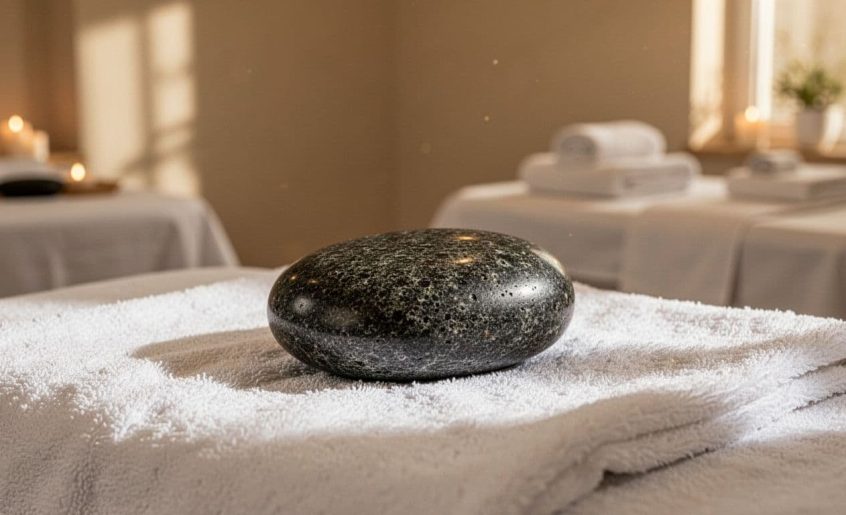
Hot stone massage combines hands-on bodywork with smooth, heated stones. A trained therapist usually uses basalt, a dark volcanic stone that holds warmth well, alongside oil and traditional massage strokes. The treatment is designed to create comfort, ease muscle tension, and help your body settle into a slower, calmer rhythm.
The warmth is controlled throughout the appointment. Stones should feel pleasantly hot and soothing, never sharp, stinging, or painfully hot. Your therapist checks the temperature before placing each stone and watches your response as the massage continues. For a broader overview of possible relaxation and tension-related benefits, see this explanation of hot stone massage benefits.
### Why Heat Can Help Tight, Tired Muscles
Warmth can make tight muscles feel less guarded. When tissue around the shoulders, back, or legs feels tense, a gentle increase in temperature may help the area soften. That change can make the massage feel more comfortable, especially when the therapist uses slow, flowing strokes instead of sudden or forceful pressure.
The stones don’t replace the therapist’s hands. They add steady warmth while the therapist works with the muscles around them. A stone may rest on the back for a short period, while the therapist massages another area. In other moments, the therapist may hold a warm stone and glide it over the skin with controlled pressure.
This combination can feel useful after hours at a desk, when the neck and upper back have stayed in one position for too long. It may also appeal after a long flight, road trip, workout, or busy day spent carrying ordinary stress in the body. Warmth often encourages slower breathing, while the quiet pace of the massage gives your attention a place to rest.
Some people describe the sensation as similar to a warm compress, but more continuous and coordinated. The heat reaches the surface of the body, then the therapist adjusts the pressure according to what feels comfortable. Areas that need less pressure can receive light strokes, while broader muscle groups may tolerate a firmer touch.
However, hot stone massage provides relaxation and temporary relief. It doesn’t cure an illness, repair an injury, or permanently remove pain. If you have ongoing pain, numbness, swelling, or a recent injury, speak with a qualified health professional before booking a heat-based massage. Your therapist also needs to know about sensitive skin, reduced sensation, circulation concerns, and any condition that could affect your response to heat.
The treatment should feel collaborative. If the stone feels too hot, the pressure feels too strong, or a particular area becomes uncomfortable, tell the therapist immediately. A trained professional can remove the stone, change its position, lower the pressure, or continue with hands-only massage.
Warmth should help your muscles release, not force them to tolerate discomfort. A pleasant session depends on clear communication at every stage.
Research on hot stone massage remains limited, and claims about major medical effects often go beyond what the evidence can support. One small study, available through the National Library of Medicine, examined sleep quality after basalt hot stone massage, but results from a single study shouldn’t be treated as proof that the treatment works for everyone. The most reliable expectation is a calming spa experience with possible short-term comfort.
What a Typical Session Feels Like From Start to Finish
A hot stone massage usually begins with a short intake conversation. The therapist may ask why you booked, where you hold tension, whether you have injuries, and what pressure you prefer. You should mention recent exercise, surgery, skin irritation, pregnancy, allergies, or any health concern that could affect the appointment.
Next, the therapist explains the treatment and leaves the room while you change. You normally remove clothing only as needed for the massage, then lie on the table under a clean sheet. Proper draping keeps you covered except for the area being treated. Your therapist should never place a stone on exposed areas that aren’t part of the agreed treatment.
Before using the stones, the therapist tests their warmth. They may touch a stone to their own hand or place it briefly against a less sensitive part of your body. This check matters because temperature perception varies between people. A room that feels comfortable to one client may feel too warm to another.
The session often begins with hands-on massage. This gives the therapist a chance to assess muscle tension and helps your body adjust to the pressure. Afterward, the therapist may place warm stones along the back, beside the spine, across the legs, or in the palms. Some protocols use stones near the feet, shoulders, or arms, but placement should always suit your comfort and the therapist’s training.
Stones may remain still for a short period, or the therapist may use one as a smooth massage tool. The movement is usually slow and deliberate, with broad strokes over larger muscles. Smaller stones can be useful around the hands or feet, while larger stones may provide steady warmth across the back or thighs.
During the appointment, speak up if anything feels wrong. You can ask for lighter or firmer pressure, a cooler stone, more support under your knees, or a different room temperature. Tell the therapist if you feel dizzy, overly warm, numb, itchy, or uneasy. You don’t need to wait for a scheduled pause.
Sessions commonly last about 60 to 90 minutes, although the exact length depends on the provider and the areas being treated. A shorter appointment may focus on the back, neck, and shoulders. A longer session may include both sides of the body, the arms, legs, feet, and hands.
As the massage ends, the therapist removes the stones and gives you time to rest under the sheet. Move slowly when you sit up, especially if you feel relaxed or sleepy. Drink water if you feel thirsty, and allow a few quiet minutes before returning to a busy schedule.
Aftercare is simple. Avoid rushing straight into intense exercise, pay attention to how your body feels, and mention any unusual reaction to the spa. Most importantly, choose a provider that explains the process, uses clean equipment, maintains safe stone temperatures, and respects your boundaries throughout the session.
Hot Stone Massage Benefits, Limits, and Possible Side Effects
Hot stone massage can turn an ordinary massage into a slower, warmer experience. Smooth basalt stones add steady heat while the therapist uses hands-on techniques to work through areas of tension. Many people enjoy the treatment because it encourages relaxation, eases temporary muscle tightness, and gives them time away from screens, traffic, and daily demands.
The benefits are mainly about comfort and relaxation. Massage and heat may help you feel less stressed and more at ease for a while, but hot stone massage isn’t a cure for chronic pain, injuries, circulation disorders, or other medical conditions. Research on hot stone massage itself is also limited, so realistic expectations matter.
### Who May Enjoy This Warm, Slow-Paced Treatment
Hot stone massage may suit you if you prefer a calm treatment with gentle warmth and measured movement. Spa beginners often find the heat less intimidating than firm, deep pressure. The stones create a soothing sensation while the therapist controls the pace, pressure, and placement.
People with everyday muscle tightness may also appreciate the experience. Long hours at a desk can leave the neck, shoulders, and lower back feeling rigid. Travel, exercise, household tasks, and poor sleep can create similar discomfort. Warm stones may help those muscles feel less guarded during the session, while broad massage strokes provide temporary relief.
Busy professionals often choose hot stone massage because it gives the body and mind a clear pause. You may spend an hour without checking messages, answering questions, or making decisions. That break can reduce the feeling of being wound up, even when the treatment doesn’t address the source of your stress.
Travelers can benefit from the slower rhythm after a long flight, extended drive, or full day of walking. Heat and gentle massage may make tired legs, shoulders, or feet feel more comfortable. However, anyone with unexplained swelling, severe pain, or a recent injury should seek medical advice before booking.
The treatment also appeals to people who want a quiet self-care ritual. Warmth, dim lighting, and steady breathing can help you notice how your body feels instead of pushing through discomfort. Some clients even prefer an evening appointment because the relaxed mood can become part of a soothing bedtime routine.
Your therapist can adjust the session to suit you. Ask for lighter pressure, fewer stones, shorter stone placement, or hands-only massage in sensitive areas. You can also request that the therapist avoid the abdomen, feet, neck, or any area that feels uncomfortable. A good session should feel personal rather than rigid.
When to Avoid Hot Stone Massage or Ask a Doctor First
Hot stone massage isn’t appropriate for every client. Speak with a qualified health professional before booking if you are pregnant, especially if the pregnancy is high-risk or you need specialized prenatal care. Pregnancy guidance varies, so medical clearance and a therapist trained in prenatal massage are important.
You should also ask a doctor first if you have diabetes with reduced sensation, neuropathy, heart disease, circulation problems, uncontrolled high blood pressure, a history of blood clots, or a condition affected by heat. Blood-thinning medication and other medicines can also change your risk, so share your current medications privately with the therapist.
Reduced temperature sensation deserves special attention. If you can’t reliably tell whether something feels hot, you may not notice a burn until the skin has already been injured. Diabetes-related neuropathy and some neurological conditions can reduce the body’s warning signals.
Postpone the appointment if you have a fever, active infection, open wound, sunburn, fresh rash, contagious skin condition, or irritated skin. Recent surgery, a fracture, a serious injury, or unexplained swelling also requires medical guidance before massage. Heat and pressure may aggravate an area that is still healing.
A spa therapist can adjust a massage, but they can’t diagnose symptoms or replace medical care. Tell the therapist about chronic conditions, recent procedures, allergies, pain, numbness, and any concern that could affect your response to heat. You don’t need to explain private details in front of other clients. Ask for a confidential intake conversation.
The safest decision may be to skip hot stones and choose a cooler, hands-only treatment. A qualified health professional can help you decide whether massage is suitable and what restrictions apply.
If a health condition affects your sensation, circulation, blood pressure, or response to heat, medical clearance matters more than a spa’s standard treatment menu.
For practical therapist precautions, the professional hot stone safety protocol also emphasizes temperature checks, careful placement, and regular client communication.
How to Prevent Burns and Other Uncomfortable Reactions
Professional hot stone massage requires more than smooth rocks and warm water. The therapist should heat stones in a proper professional warmer with controlled temperature settings. Kitchen-heated rocks, microwaved stones, and improvised equipment can become dangerously hot in uneven ways.
Before a stone touches you, the therapist should test it. They may check it against their own skin first, then confirm that the temperature feels comfortable on you. Your skin may react differently from the therapist’s, so your feedback remains the most important safety check.
Stones should rest on appropriate surfaces. A towel or similar barrier may protect the skin when a stone sits in one place, especially on areas with less padding or greater sensitivity. The therapist should monitor the stones throughout the treatment and move or remove them if your skin becomes too warm.
Never try to copy professional stone placement at home with rocks heated in a pan, oven, or microwave. Heat can spread unevenly, and a stone that feels manageable at first may burn the skin within moments. Home experiments also lack the screening, draping, sanitation, and monitoring used in a professional setting.
During the session, report discomfort immediately. Speak up if you notice:
- Stinging, sharp heat, or a burning sensation.
- Numbness, tingling, or a loss of normal skin feeling.
- Pain caused by pressure or stone placement.
- Dizziness, nausea, weakness, or feeling unusually faint.
- Skin that becomes intensely red, blistered, or painful.
The therapist should remove the stone, cool the area, change the pressure, or stop the treatment. Don’t wait because you worry about interrupting the appointment. Early communication can prevent a mild problem from becoming a burn or a more serious reaction.
Some mild effects can occur after massage. You may feel thirsty, tired, tender, or slightly lightheaded, and temporary skin redness can follow the warmth. Rest, drink water if you want it, and stand up slowly. However, seek medical advice for blistering, persistent or worsening pain, severe dizziness, fainting, breathing trouble, chest discomfort, unusual swelling, or symptoms that don’t settle.
A safe hot stone massage should leave you comfortable, not alarmed. Choose a provider who explains the process, checks in often, respects your boundaries, and stops when your body tells you something is wrong.
How to Choose a Safe Hot Stone Massage in Nairobi
Choosing a hot stone massage in Nairobi takes more than comparing prices on a service menu. The right provider should explain the treatment, screen for health concerns, use suitable heating equipment, and give you control over temperature, pressure, and privacy.
Before paying a deposit, confirm that hot stone massage is a named service, not a vague add-on to a standard body massage. Ask how long the treatment lasts, whether the stated time includes consultation and changing, and what the price covers. Public Nairobi listings commonly place hot stone or hot rock sessions around KES 5,000 to KES 10,000, although some hotel and luxury spas charge more. Prices can change by venue, duration, therapist, and package, so confirm the current rate directly before booking.
Look for recent reviews that mention cleanliness, therapist communication, respectful conduct, accurate timing, and treatment quality. A beautiful room cannot compensate for poor temperature control or careless draping. Also check the practical details, including the exact location, parking, building access, transport options, opening hours, and cancellation rules.
### Questions to Ask Before You Book
A short phone call or message can reveal how a provider treats safety before you enter the room. Professional answers should be clear, respectful, and complete. If someone rushes you, avoids basic questions, or insists that every client receives the same routine, choose another provider.
Use this checklist before you confirm your Nairobi appointment:
- Ask how much experience the therapist has with hot stone massage and whether they have specific training in heated stone techniques. A general massage background is useful, but the therapist should also understand stone placement, heat monitoring, skin protection, and contraindications.
- Ask how the stones are heated. A professional service should use a purpose-built stone heater with controlled temperatures, rather than a kitchen pan, microwave, or improvised container. The American Massage Therapy Association’s hot stone guidance explains why a barrier and careful monitoring matter when stones rest on the skin.
- Ask whether the therapist checks every stone before placing it on you. The stone should feel comfortably warm, never burning, stinging, or painfully hot. You should also be invited to request a cooler stone at any point.
- Confirm the treatment duration. Ask whether the advertised 60 or 90 minutes covers hands-on massage time, or whether it includes consultation, changing, and post-treatment rest.
- Discuss pressure before the session. Hot stone massage often uses light to medium pressure, but the therapist may combine it with firmer techniques. Tell them what you prefer and ask whether they can reduce pressure or switch to hands-only work.
- Ask about health restrictions. Mention pregnancy, diabetes, neuropathy, circulation problems, heart conditions, blood pressure concerns, recent surgery, skin irritation, medication, or reduced heat sensation. If you have a medical condition, ask whether you should obtain medical advice first.
- Confirm how privacy works. Ask whether the room is private, how draping is handled, and whether you remain covered except for the area being treated. You should have time to change without pressure, and you can stop the massage whenever you choose.
- Ask what to bring and wear. Most spas provide towels, sheets, and disposable underwear, but policies vary. Comfortable clothing, minimal jewelry, and a way to secure your valuables can make the visit easier.
- Confirm payment methods, deposits, and cancellation terms. Ask whether the provider accepts cash, card, mobile money, or bank transfer. A clear cancellation policy should state how much notice is required and whether a deposit is refundable.
- Check whether the service is available on your requested date and time. A provider should confirm the therapist, treatment length, location, and final price before taking payment.
Cleanliness also deserves a direct question. Ask whether therapists wash their hands, whether sheets and towels change between clients, and how the stones are cleaned after each treatment. The equipment should look organized, and the room should smell clean rather than heavily masked with fragrance.
A safe provider welcomes questions before booking because the same screening protects both your comfort and your skin.
Hot Stone Massage Compared With Swedish and Deep Tissue Massage
These three treatments can overlap, but they create different experiences. Your choice should match the kind of comfort or pressure you want, rather than a claim that one method is best for everyone.
| Massage type | Common approach | Often suits people who want |
| Swedish massage | Flowing strokes with light to medium pressure | General relaxation and a gentle full-body treatment |
| Deep tissue massage | Firmer pressure aimed at deeper areas of muscle tension | Focused work on persistent tightness, when stronger pressure feels appropriate |
| Hot stone massage | Warm stones combined with massage strokes, often light to medium pressure | Heat, slower movement, and relief from ordinary muscle stiffness |
Swedish massage usually feels smooth and rhythmic. The therapist may use long gliding strokes, kneading, and gentle pressure across the body. It is often a comfortable starting point if you are new to massage or prefer a lighter touch.
Deep tissue massage is more focused. The therapist may use slower strokes and firmer pressure around areas such as the upper back, hips, or legs. More pressure does not automatically mean better results, and intense discomfort is not a requirement for an effective session. Recent injuries, unexplained pain, or medical concerns require professional advice before booking.
Hot stone massage adds warmth to the treatment. The therapist may place heated basalt stones on selected areas or glide them across the skin while using their hands. Heat can help some people relax tense muscles, although the session should remain comfortable and controlled.
Some Nairobi providers combine styles. A menu may describe a hot stone treatment that includes Swedish strokes, or a massage that adds a few stones to a deep tissue session. Ask what is included, which areas receive stones, how much hands-on time you get, and whether the therapist can adapt the pressure.
What to Do Before and After Your Appointment
Prepare for the appointment without making it complicated. Drink water normally during the day, but don’t force large amounts immediately before the massage. Arriving dehydrated can make you feel uncomfortable, while arriving overly full may make lying on your stomach unpleasant.
Eat a light meal if you need one, and avoid booking immediately after a heavy lunch or dinner. Alcohol before treatment is also a poor choice because it can affect alertness, hydration, and your ability to judge temperature or pressure accurately. Wear comfortable clothing and allow enough time to arrive, check in, use the restroom, and change without rushing.
Tell the therapist if you exercised hard, traveled for several hours, slept poorly, or feel unwell. This information helps them adjust the treatment. You can also ask for extra support under your knees, a different room temperature, or less time with stones on one area.
Afterward, sit up slowly and pause before standing. Warmth and relaxation can leave you sleepy or slightly lightheaded, especially after a long session. Drink water according to thirst, rest if your body asks for it, and avoid jumping straight into strenuous exercise if you feel tired or tender.
Mild soreness, fatigue, or temporary skin redness can happen after massage. Pay attention to the trend instead of ignoring your symptoms. Strong pain, blistering, worsening redness, fainting, severe dizziness, breathing trouble, or symptoms that last should receive medical attention. A blister or burning pain may indicate a heat injury, not a normal massage reaction.
Finally, contact the provider if you notice an unusual response. A reputable spa should listen, document what happened, and tell you when to seek medical care. Your booking is a good decision when the treatment, price, safety steps, and aftercare expectations are all clear before the stones touch your skin.
Where to Book Hot Stone Massage in Kilimani
Kilimani has several massage and wellness providers, but online listings don’t always show the full treatment menu or current prices. If you want a hot stone massage, contact the spa before traveling and confirm the details directly. A five-minute call can prevent a wasted trip, an unexpected charge, or a session that doesn’t match what you requested.
### What to Confirm With Kilimani Love Massage Spa
Kilimani Love Massage Spa is listed at Jade Residency, Kindaruma Road, Kilimani, Nairobi. Available business information lists weekday hours from 8 a.m. to 6 p.m. and Saturday hours from 12 a.m. to 5 p.m. The Saturday listing may be a formatting error, so confirm the exact opening and closing time before you visit.
The location is useful if you already live, work, or stay around Kindaruma Road. Still, don’t assume that a spa’s general massage listing confirms a hot stone appointment. Services change, therapists have different schedules, and online pages may not show every current treatment or price.
Before you book, ask these questions in a clear message or phone call:
- Is hot stone massage currently available?
- Is the treatment offered on your preferred date and time?
- How long is the session, and how much time is hands-on massage?
- What is the current total price?
- Which therapist will perform the treatment?
- Does the therapist have training or regular experience with heated stones?
- Can the therapist adjust the pressure from light to medium or firmer?
- How does the spa heat, test, clean, and store the stones?
- Are there health restrictions that could make the treatment unsuitable?
- Do you need to book in advance, or can you walk in?
Ask whether the quoted duration includes consultation, changing, and time to rest afterward. A listed 60-minute appointment may not provide 60 minutes of massage, so this detail affects the value you receive. You should also ask whether the treatment covers the full body or focuses on areas such as the back, shoulders, legs, or feet.
Your health information matters before hot stones touch your skin. Mention pregnancy, diabetes, reduced sensation, neuropathy, circulation problems, heart conditions, blood pressure concerns, recent surgery, skin irritation, medication, or an injury. If you cannot reliably feel heat, you may not notice a burn quickly enough. A doctor or qualified health professional can tell you whether this type of massage is appropriate.
The therapist should also ask about your pressure preference and any areas you want avoided. You can request lighter pressure, fewer stones, shorter placement, or hands-only massage on sensitive areas. If a stone feels too hot, remove it immediately and say so. Your comfort should guide the session, not a fixed routine.
Direct confirmation matters because a general massage listing may not show the spa’s current hot stone availability, therapist schedule, treatment length, or price.
How to Compare Nearby Kilimani and Lavington Options
Kilimani and nearby Lavington give you several choices, but price alone is a poor way to choose a hot stone massage. A low quote may cover a shorter session, fewer treatment areas, or a different service altogether. Compare the details that affect safety, comfort, and the quality of your visit.
Start with location. A provider near your home or hotel may be easier to reach, especially during Nairobi traffic. Check the building name, road, floor, parking instructions, and whether the entrance is easy to identify. Vague location details create unnecessary stress and can become a privacy concern when you arrive.
Next, verify the service itself. Happiness Spa is listed near Kindaruma Road and mentions hot stone therapy. Aroma Spa & Massage shares the Jade Residency, Kindaruma Road address, but its available listing doesn’t show a hot stone price. These details make both providers worth contacting, but neither listing should replace direct confirmation.
Le Royale Space in nearby Lavington lists a 90-minute hot stone massage. Published snippets show inconsistent prices of KES 5,500 and KES 6,000, so ask for the current rate before paying. Its hot stone massage listing provides a useful comparison point for treatment duration and location, but online information can change.
As you compare providers, pay attention to:
- Verified service details: Confirm the exact treatment name, duration, pressure range, areas covered, and current total.
- Cleanliness: Look for fresh sheets, clean towels, organized equipment, and stones that appear properly washed between clients.
- Therapist skill: Ask about experience with temperature checks, stone placement, draping, contraindications, and pressure adjustments.
- Privacy and communication: The provider should explain the session, protect your coverage, and let you stop or change the treatment at any time.
- Equipment: A professional stone warmer with controlled temperature settings is safer than improvised heating equipment.
- Reviews: Focus on recent comments about punctuality, hygiene, respectful conduct, accurate descriptions, and therapist communication.
- Rescheduling: Ask how much notice you need to change the appointment and whether a deposit carries over or is lost.
Unusually low prices deserve a closer look. Ask whether the quote covers a full session, whether hot stones are used throughout, and whether taxes or extra charges apply. Likewise, pressure to book immediately, vague service descriptions, or unclear location information should prompt more questions.
Before confirming, request the final amount in writing. Make sure it includes the treatment, duration, therapist, location, and any booking fee. If the provider changes the price after you arrive, you can decide whether to continue. A clear quote gives you control before the appointment begins.
The best Kilimani booking choice is the provider that answers practical questions without rushing you. Once the schedule, price, treatment details, safety precautions, and cancellation terms are clear, you can book with fewer surprises and enjoy the warmth for what it should be: a comfortable, carefully managed massage experience.
How to Get the Most From Your Hot Stone Massage
The best hot stone massage feels personal, calm, and easy to adjust. Before booking, decide what you want from the session, whether that means quiet relaxation, temporary relief from tight shoulders, or a gentler alternative to deep tissue work.
Your comfort should guide every part of the appointment. The stones, pressure, room temperature, music, and amount of conversation can all change to suit you. A good therapist treats your feedback as useful information, not an interruption.
### A Simple First-Time Booking Plan
If you’re booking in Kilimani for the first time, a few practical steps can prevent confusion and help you feel prepared.
- Choose a convenient, reputable provider. Look for a spa with a clear location, recent reviews, professional contact details, and a named hot stone service. A provider near your home, hotel, or workplace can make the visit easier, especially when Nairobi traffic is heavy. Ask whether the therapist has specific experience with heated stones, not just general massage experience.
- Confirm the treatment and total price. Message or call before you travel. Ask whether hot stone massage is currently available, how long it lasts, which areas receive the stones, and whether the advertised time includes consultation and changing. Confirm the final price in Kenyan shillings, along with any deposit, cancellation fee, or extra charge. Online menus can change, so a written confirmation is useful.
- Share relevant health information privately. Tell the provider about pregnancy, diabetes, reduced heat sensation, neuropathy, circulation problems, heart conditions, blood pressure concerns, recent surgery, medication, skin irritation, or an injury. If you have a condition that affects your ability to feel heat, ask a qualified health professional whether hot stones are suitable. A therapist cannot replace medical advice or diagnose unexplained pain.
- Arrive a few minutes early. Give yourself time to find the building, use the restroom, put away valuables, and complete the consultation without rushing. Arriving breathless from traffic can make it harder to settle into the treatment. Wear comfortable clothing and avoid a heavy meal immediately before lying on the massage table.
- Agree on pressure and temperature. Before the massage begins, describe the pressure you want in plain language. You might prefer light pressure, medium pressure, or firmer work on larger muscle groups. Also explain whether you want warm stones throughout the session or only on selected areas. The stones should feel pleasantly hot, never sharp, stinging, or burning.
- Speak up during treatment. Tell the therapist if a stone feels too hot, the pressure becomes painful, the room feels uncomfortable, or you want more support under your knees. You can ask for fewer stones, shorter placement, a different position, or hands-only massage. If you feel dizzy, nauseated, numb, or unusually warm, ask the therapist to stop immediately.
- Follow gentle aftercare. Sit up slowly when the massage ends, especially if you feel sleepy or lightheaded. Drink water according to thirst, rest if your body feels tired, and avoid strenuous exercise for the rest of the day. Because your skin may feel more temperature-sensitive, skip very hot baths, saunas, and extreme cold exposure for at least 24 hours. This first-session hot stone guide also recommends rising slowly and paying attention to how you feel after treatment.
A first appointment doesn’t need to feel formal or intimidating. You can ask how the stones are heated, how they are cleaned, and whether the therapist uses a towel or sheet barrier. If the answers are vague, choose another provider.
Signs You Found the Right Therapist
Your first impression often begins before the massage table. A professional therapist answers questions without rushing you and explains what will happen before asking you to change. The consultation should cover your health history, treatment goals, areas to avoid, preferred pressure, and comfort with heat.
The room and equipment should look clean and organized. Fresh sheets and towels should be ready, the massage table should be wiped down, and the stones should appear clean rather than oily or dusty. A professional hot stone setup uses a purpose-built water heater, not a microwave, oven, kitchen pan, or improvised container.
Clear consent matters throughout the appointment. Your therapist should explain where the stones may be placed, how draping works, and what clothing you need to remove. You remain covered except for the area being treated. You can refuse any position, placement, or technique without giving a long explanation.
Temperature checks are another strong sign of quality. The therapist should test the stone before placing it on your skin, then check your response after placement. During the massage, they should monitor the skin and remove or reposition a stone if the area becomes too warm. A stone should never sit on bare skin simply because the routine requires it.
Respectful communication also includes silence. Some clients enjoy conversation, while others want a quiet hour after a demanding day. Tell your therapist what you prefer at the start. You don’t need to keep chatting to appear friendly, and you don’t need to remain silent if you have a concern.
The right therapist makes speaking up feel ordinary. Temperature and pressure should change when you ask, without an argument or an annoyed reaction.
A skilled professional adapts the treatment rather than forcing every client through the same routine. They may use fewer stones, reduce the heat, switch to hands-only massage, avoid a tender area, or change your position. This flexibility matters for first-time clients who may feel nervous about undressing, professional draping, or being touched in unfamiliar ways.
If you feel anxious, say so before the session starts. You can ask the therapist to explain each step, leave the room while you change, keep the treatment focused on your back and shoulders, or avoid areas such as the abdomen, feet, or neck. You can also request a towel adjustment at any time.
Warning signs deserve the same attention as positive ones. Leave or stop the session if the therapist ignores your boundaries, pressures you to undress further, dismisses your temperature concerns, or continues after you say stop. Excessive heat, poor hygiene, unclear pricing, and careless draping are also serious concerns.
Be cautious when a provider promises to cure chronic illness, remove a medical condition, or permanently fix severe pain through hot stone massage. The treatment may support relaxation and temporary comfort, but those claims go beyond a normal spa service. General preparation advice from WebMD’s hot stone massage guidance also emphasizes comfortable clothing and sensible preparation rather than exaggerated medical promises.
Set a simple intention before you lie down. You might decide to release your shoulders, rest without checking your phone, or notice your breathing for the next hour. Let the breath move slowly through your nose when possible, and allow your jaw, hands, and shoulders to soften. You don’t need to force relaxation; your body can settle at its own pace.
Avoid comparing your experience with a friend’s session. One person may enjoy firm pressure and very warm stones, while another may prefer light touch and shorter placement. Your comfort is the standard. You can pause, change the treatment, or end the appointment at any time, and relaxation remains the main goal.
Conclusion
Hot stone massage offers a calming pause when everyday tension settles into the shoulders, back, or legs. Guided warmth and measured massage can help you relax and ease temporary muscle tightness, but the treatment remains a spa service, not a substitute for medical care. Research is limited, so realistic expectations matter.
Before booking in Nairobi, review the health precautions carefully, especially if you have reduced heat sensation, circulation concerns, diabetes, pregnancy, heart disease, recent surgery, or a skin condition. Confirm the provider’s current service, session length, price, therapist availability, and safety procedures. Kilimani Love Massage Spa currently lists half-day and full-day hot stone options, with prices displayed in U.S. dollars, so ask for the exact cost and treatment details before making plans.
During the appointment, communicate clearly. A stone should feel warm and soothing, never painful or burning, and you can request less heat, lighter pressure, fewer stones, or hands-only massage at any time. When you’re ready to enjoy a slower, warmer form of relaxation, contact a trusted Kilimani provider, including Kilimani Love Massage Spa, after confirming the details that matter most.