A back massager can help you loosen tight muscles after a long workday, a workout, or hours behind the wheel. The right model may make relaxation easier, but it shouldn’t replace medical care for serious back problems.
The best choice depends on where you feel tension, how much pressure you enjoy, and whether you want portable relief or a hands-free session. Before you search for a massage near me, compare the main device types and learn how to use them without irritating your back.
Key Takeaways
- Handheld percussion devices offer targeted pressure, while cushions and massage chairs provide hands-free comfort.
- Shiatsu rollers feel closer to kneading, but they can be too intense for sensitive areas.
- Heat, intensity settings, fit, noise, warranty, and cleaning are important buying factors.
- Avoid direct pressure on the spine, bones, open skin, and painful areas with numbness or swelling.
- Persistent, severe, or radiating pain needs assessment from a qualified healthcare professional.
Which Back Massager Fits Your Routine?
Different designs suit different habits. A person who travels between Nairobi and Mombasa may prefer a compact handheld model. Someone who spends long hours at a desk may find a massage cushion easier to use every evening.
Handheld percussion devices
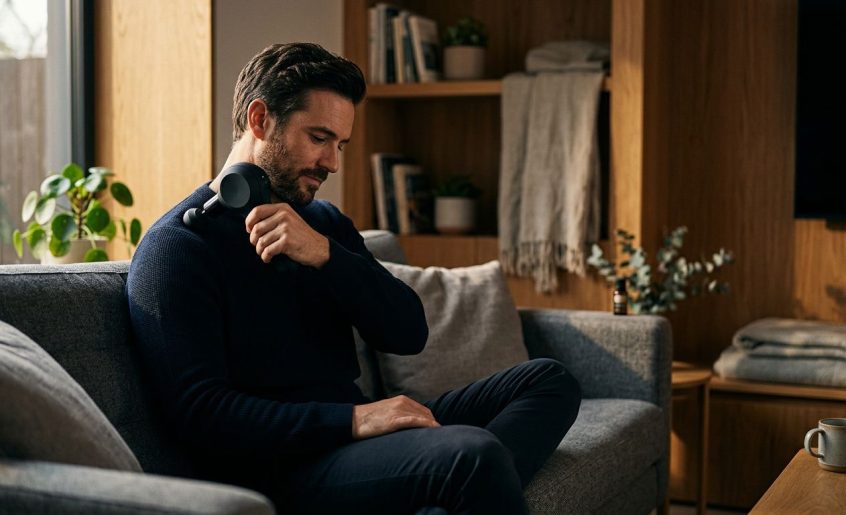
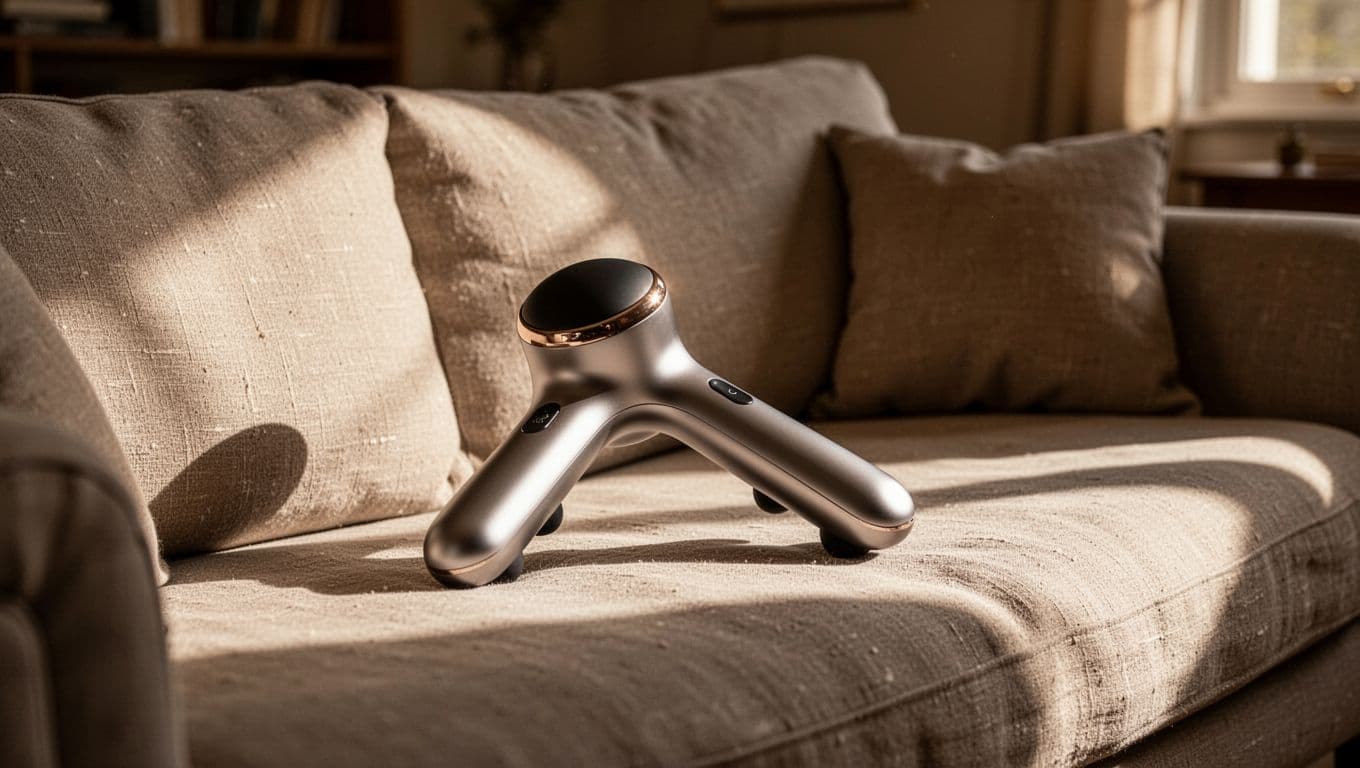
A handheld percussion massager uses rapid pulses to work over large muscle groups. Many models include several speed levels and interchangeable heads. A soft, rounded head is usually more comfortable for general relaxation, while a firmer head can feel stronger on thick muscles.
The main advantage is control. You can reach the upper back, shoulders, glutes, and thighs without treating the whole body. However, reaching the middle and lower back alone can be awkward. You may also press too hard because the device feels powerful.
A massage gun is a type of handheld percussion device. It should move slowly over the muscles instead of staying in one spot. Keep it away from the spine, ribs, kidneys, joints, and areas with reduced sensation. For lower-back guidance, Hinge Health’s massage gun advice also stresses careful positioning and controlled use.
Massage cushions and chair pads
A cushion or chair pad sits on a sofa, office chair, or vehicle seat. Internal rollers may travel up and down the back, while vibration adds a gentler sensation. Some models include a heat function and a timer.
This option works well when you want hands-free use. It can also encourage better posture during a short break because the cushion supports your back against the chair. Check the dimensions before buying, since a small pad may place its rollers too high or too low for your body.
Shiatsu cushions and massage chairs
Shiatsu-style devices use rotating nodes that knead in circular motions. The pressure often feels more focused than simple vibration. A full massage chair can add reclining, shoulder, hip, and foot programs, but it costs more and takes up much more space.
A massage chair may suit a household that plans to use it often. For a smaller room, a removable shiatsu pad offers a similar style of movement without the same cost or footprint. The rollers can feel intense, so start with a short session and low pressure.
How to Choose a Back Massager
A useful device should feel comfortable, fit your body, and match the way you actually live. A long list of settings matters less if the controls are confusing or the product stays in a cupboard.
Start with the type of pressure. Vibration feels light and broad. Percussion feels faster and more targeted. Shiatsu rollers create a kneading sensation. If you prefer gentle relaxation, choose adjustable vibration or soft rollers. If you enjoy firm pressure, look for several intensity levels rather than one aggressive setting.
Next, check the following features:
- Heat control: Heat can make a session feel more relaxing, but it shouldn’t become uncomfortably hot. An independent heat switch is useful.
- Timer: Automatic shutoff helps prevent extended use, especially when you’re tired.
- Shape and reach: A handheld device needs a comfortable grip. A cushion should place its rollers across the muscles rather than directly on the spine.
- Power source: Rechargeable models are convenient for travel. Plug-in cushions often provide longer sessions at home.
- Noise: A loud motor can make a relaxing session unpleasant in an office or shared room.
- Cleaning: Removable covers and wipeable surfaces are practical when several people use the device.
- Warranty: A clear return policy matters because pressure and fit are personal.
For a broader comparison of features and product styles, see Healthline’s guide to back massager options. Product lists can help you compare designs, but your comfort and safe positioning should guide the final decision.
| Type | Best for | Main limitation |
|---|---|---|
| Handheld percussion | Targeted muscle work and portability | Hard to reach your own lower back |
| Massage cushion | Hands-free use at home or work | Fit may not suit every body |
| Shiatsu pad | Kneading pressure across the back | Rollers can feel intense |
| Massage chair | Regular full-body relaxation | High cost and large footprint |
| Massage gun | Short, focused sessions on muscle groups | Requires careful placement |
A product doesn’t need every feature. Choose the settings you’ll use, then spend attention on build quality, comfortable contact surfaces, and reliable controls.
How to Use a Back Massager Without Irritating Your Back
Begin with a relaxed position. Sit upright for a cushion or lie comfortably for a handheld session. Keep clothing thin enough for the pressure to feel clear, but avoid using a device over bare skin if the material causes friction.
Use the lowest setting for the first few minutes. Move a handheld device continuously across the surrounding muscles, rather than holding it on one tender point. With a cushion or chair pad, adjust your position if the rollers press on the spine, shoulder blades, or tailbone.
Limit the session. Healthline reports that many people can use a back massager safely for relaxation and mild muscle tension for up to 20 minutes daily. That isn’t a target you must reach. Five to ten minutes may be enough, especially when you’re testing a new device.
Heat requires extra care. People with reduced temperature sensation may not notice overheating quickly. Check your skin during the session and stop if you notice burning, unusual redness, bruising, tingling, or increased pain.
A massage device should create comfortable pressure in muscle tissue. Sharp, electric, spreading, or numb sensations are reasons to stop.
Avoid using a massager over open wounds, rashes, infections, fresh bruises, recent surgical sites, fractures, or swollen areas. Don’t use strong percussion over the front or side of the neck. A massage gun also shouldn’t strike bones, joints, the kidneys, or the spine.
Ask a healthcare professional before using one if you have osteoporosis, a bleeding or clotting disorder, take blood-thinning medication, have recently had surgery, or are pregnant. If back pain lasts, becomes severe, follows an injury, or travels down an arm or leg, arrange an assessment with a qualified clinician.
When Professional Massage Is the Better Option
A device can provide convenient self-care, but it can’t assess your movement or adjust pressure with the same precision as a trained massage therapist. Professional care may be more suitable when tension affects your sleep, work, or ability to move comfortably.
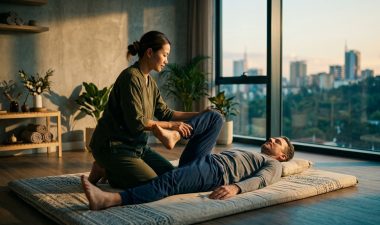
Your choice of treatment also matters. Swedish massage usually uses lighter, flowing strokes for general relaxation. Deep tissue massage applies firmer pressure to selected muscle areas. Thai massage includes assisted stretches and positions, so it may not suit someone with limited mobility or a recent injury.
Other services have different purposes. A foot massage can relieve tired feet after standing or walking, while lymphatic drainage massage uses very light techniques and should be provided by someone trained in that method. A full body massage may be useful when tension extends beyond the back, but a focused session can be more practical when one area causes discomfort.
If you’re searching for “massage therapy near me,” “massage spa near me,” or “massage places near me” in Kenya, check the therapist’s training, hygiene standards, privacy practices, and clear service descriptions. In Nairobi, searches such as “Nairobi massage therapist,” “Nairobi massage spa,” or “massage spa Nairobi” can produce many options, so read recent reviews and confirm the exact location before booking.
Ask about pressure before the session begins. A reputable therapist should welcome feedback during the treatment. Be cautious with listings that use vague wording, unclear prices, or promises to cure medical conditions. You can also ask whether the service is Swedish massage, deep tissue, Thai massage, couples massage, or another named treatment.
Some people search for a massage video before trying a technique at home. Videos can show general movement, but they can’t tell whether your pain comes from muscle tension or another condition. Use them for basic relaxation ideas, not as a diagnosis or substitute for professional assessment.
Making the Device Part of a Sensible Routine
A back massager works best as one small part of daily comfort. Pair short sessions with movement breaks, a supportive chair, gentle stretching, and enough rest. If sitting causes stiffness, stand and walk for a few minutes instead of relying on pressure alone.
Keep a simple record of how your back feels before and after use. If the device leaves you more sore each time, reduce the intensity or stop using it. Relief that lasts only while the device runs may also suggest that you need a broader plan.
For people who enjoy spa services in Kenya, a home device and occasional professional massage can serve different needs. The device offers quick relaxation between appointments. A qualified therapist can address areas you cannot reach and adjust the session as your body responds.
Choose Comfort Over Maximum Power
The right back massager is the one you can position safely and use consistently. Handheld percussion suits targeted relief, cushions offer convenience, shiatsu provides kneading pressure, and massage chairs add comfort at a higher cost.
Start gently, keep sessions short, and avoid painful areas. If your back pain is persistent, severe, or radiates into a limb, seek medical guidance instead of increasing the device’s intensity. A little controlled pressure can support relaxation, but more force isn’t always better.