Massage and Rates in Nairobi: What to Expect in Kilimani
After a long day in Nairobi, the traffic thins, the city cools, and your shoulders may still feel tight from hours of work, errands, or commuting. Finding a clear massage and rates guide can be harder than booking the treatment itself, since prices vary widely between providers and locations.
In Kilimani, many one-hour sessions cost around KSh 3,000 to KSh 8,000. Premium treatments, mobile visits, hotel appointments, and packages usually cost more, while the final rate can also depend on the massage style, session length, therapist’s experience, time of booking, location, and add-ons.
This guide focuses on Kilimani and nearby Nairobi neighborhoods, with practical price ranges, treatment comparisons, booking advice, and questions to ask before paying. Use the figures as market benchmarks, then confirm the current price, duration, inclusions, and cancellation terms with the provider before booking.
Massage and Rates in Nairobi: What You Can Expect to Pay
Massage prices in Nairobi depend on the treatment style, location, therapist, and length of the appointment. In Kilimani, a one-hour massage commonly falls between KSh 3,000 and KSh 8,000, although basic listings may cost less and premium or mobile services may charge much more.
Broad Nairobi listings often show one-hour rates from about KSh 1,500 to KSh 7,500. Kilimani prices usually sit toward the middle or upper end because of the neighborhood’s central location, established spas, hotel facilities, and demand for private treatments. Before comparing two prices, check that both appointments cover the same treatment time and inclusions.
 ### Typical one-hour rates by massage style
The massage style affects the price because each treatment requires different products, pressure techniques, equipment, and preparation. A basic Swedish session may cost less than a hot stone treatment, even when both last 60 minutes.
| Massage style | Common Nairobi benchmark for 60 minutes | Kilimani examples and practical context |
|---|---|---|
| Swedish massage | KSh 4,500 to KSh 8,500 | Some local listings start near KSh 3,000 to KSh 4,000, while premium spas may charge KSh 6,500 or more |
| Deep tissue massage | KSh 5,500 to KSh 12,500 | Many Kilimani and Nairobi listings fall near KSh 4,000 to KSh 6,000 |
| Aromatherapy massage | KSh 5,000 to KSh 9,000 | The final rate often depends on the oils, spa setting, and whether the treatment includes a longer consultation |
| Hot stone massage | Often above standard Swedish rates | A one-hour treatment may reach about KSh 7,000 because of stones, heating, setup, and cleanup |
| Sports massage | Usually around deep tissue or premium therapeutic rates | Prices rise when the therapist provides focused work for several muscle groups |
| Reflexology | Often around KSh 4,000 to KSh 6,000 | Some providers price it close to a standard massage, while foot-focused spa packages may cost more |
These figures are market benchmarks, not fixed rules. For example, one Kilimani listing advertises a one-hour Swedish massage for about KSh 5,000 and deep tissue for around KSh 6,000. Other Nairobi providers list Swedish massage near KSh 3,000 to KSh 4,000, with deep tissue around KSh 4,000 to KSh 4,500.
A premium Kilimani spa can price Swedish massage at KSh 6,500 for 60 minutes, especially when the appointment takes place in a polished private facility. By contrast, a smaller spa may list a one-hour Swedish massage at about KSh 4,000 and charge roughly KSh 6,000 for deep tissue.
Hot stone treatments often cost more because the therapist must heat, sanitize, position, and remove the stones. Aromatherapy also includes selected essential oils, while sports massage may involve more assessment and targeted muscle work. Those extra steps take time before and after your hands-on treatment.
The same principle applies to reflexology. A foot-focused session may look simpler on a menu, but the therapist still needs to assess pressure points and tailor the work to your comfort. Ask whether the quoted rate covers a full 60-minute treatment or a shorter foot session.
How session length changes the total price
Session length changes both your total bill and the amount of work a therapist can complete. A 30-minute appointment may cost less overall, but its per-minute rate can be higher than a 90-minute booking.
| Session length | Typical use | What to confirm |
|---|---|---|
| 30 minutes | Neck, shoulders, back, or feet | Whether the price covers one focused area or a short full-body treatment |
| 60 minutes | Standard full-body massage | Whether consultation, changing, and cleanup count toward the treatment time |
| 90 minutes | Full-body work or several problem areas | Whether the provider offers a reduced per-minute package rate |
| 2 hours | Extended relaxation, multiple techniques, or couples bookings | Whether the price includes breaks, add-ons, or a package discount |
A 30-minute session suits you when one area needs attention. Someone with tight shoulders after desk work may prefer a focused neck and back treatment instead of paying for a full-body appointment. Foot reflexology also fits well into a shorter booking.
For most people, 60 minutes is the standard comparison point. However, a one-hour booking may not provide enough time for a full-body massage plus careful work on the lower back, legs, and shoulders. A 90-minute session gives the therapist more room to move slowly and spend extra time where you need it.
Longer bookings usually cost more in total, even when the per-minute rate improves. For example, a provider might charge KSh 4,000 for 60 minutes, KSh 6,000 for 90 minutes, and KSh 8,000 for two hours. The 90-minute option costs more than one hour, but it may offer better value if you would otherwise book another appointment soon.
Some spas use a single hourly price, while others offer package pricing. Mobile providers may list separate 60-minute and 90-minute rates, and luxury spas may bundle massage with steam or sauna access. Always ask whether the treatment clock begins when the therapist starts the massage.
Before booking, ask one direct question: “How many minutes of hands-on massage are included in this price?”
Consultation, changing clothes, preparing the room, and post-treatment advice may take 10 to 20 minutes. Some providers include that time within the appointment, while others add it outside the treatment clock. Confirming this detail prevents an advertised 60-minute massage from feeling shorter than expected.
What is usually included, and what may cost extra
A standard massage rate usually includes the therapist, massage table, towels, basic draping, and the oils or lotion required for that treatment. Still, every spa sets its own menu, so the advertised price may not cover every facility or add-on.
For example, a one-hour Swedish massage may cost about KSh 4,000, while access to a steam room adds approximately KSh 1,000 at some Nairobi venues. Sauna use may follow a similar pricing structure. Other facilities include steam or sauna access automatically, especially in hotel spas and larger wellness centers.
Common extras include:
- Hot stones, which may add to the price when they aren’t part of the selected treatment.
- Body scrubs, since they require separate products, preparation, and shower access.
- Essential oils, especially when the spa offers a choice of premium or specialty blends.
- Private rooms, if the basic rate applies to a shared or open treatment area.
- Couples treatments, which charge for two therapists and two treatment setups.
- Transport, particularly for hotel pickups or appointments outside Kilimani.
- Out-call service, where the therapist travels to your home, office, or hotel.
Couples hot stone packages can reach KSh 8,000 to KSh 12,000 or more, depending on the venue, duration, and facilities included. A mobile appointment may also cost more than an in-spa visit because the provider covers travel, setup, equipment transport, and additional time.
Taxes and service fees may or may not appear in the menu price. Tips are also usually separate unless the provider states otherwise. Towels, robes, lockers, refreshments, and post-treatment showers can vary between venues.
Before you pay a deposit, request the full booking price in writing. Confirm the massage style, number of minutes, location, transport charge, taxes, service fees, add-ons, and cancellation policy. Rates can change with promotions, weekends, holidays, and therapist availability, so check the current menu rather than relying on an old social media post or directory listing.
Why Massage Rates Differ Across Kilimani and Nairobi
Two one-hour massages can have very different prices, even when they appear to offer the same treatment. The difference often comes from the venue, therapist’s skill, privacy, supplies, travel time, and booking conditions. A higher rate doesn’t guarantee a better experience, but an unusually low rate may mean fewer amenities, a shorter hands-on session, or unclear service details.
Location, privacy, and the kind of venue you choose
The address affects what you pay. Kilimani sits close to busy roads, shopping areas, apartment buildings, offices, and popular residential streets. Rent, security, reception space, parking, and the convenience of reaching the venue can all push rates above those in less central Nairobi neighborhoods.
A hotel spa usually carries the highest overhead. You may be paying for a polished reception area, changing facilities, private treatment rooms, towels, lockers, showers, and access to other amenities. The hotel setting can also offer convenience for travelers, although its massage rate may include costs that a small studio doesn’t carry.
An established day spa often falls below hotel pricing while still offering a professional setting. You may find a dedicated reception desk, consistent opening hours, clean linens, staff on site, and clear service menus. Some facilities also invest in heated massage beds, laundry, music systems, oils, and regular room maintenance.
Neighborhood studios and apartment-based providers usually have fewer shared facilities. That can make them more affordable, especially when the therapist works from a small private room instead of a large commercial spa. The setting may be simple, yet a modest room can still provide a good treatment when it is clean, secure, private, and well managed.
Home visits change the cost calculation. Instead of traveling to a Kilimani venue, the therapist brings a table, sheets, oils, and other supplies to your home, hotel, or office. You pay for that convenience, along with travel time, transport, setup, and the extra planning required for a mobile appointment.
 A quiet treatment room also has practical value. Street noise, crowded waiting areas, poor ventilation, or interruptions can make it harder to relax. Secure entry matters too, especially when you book an apartment-based provider or an out-call session.
Don’t judge a provider by expensive furniture alone. Before booking, review recent customer feedback, treatment-room photos, opening hours, location details, contact information, and written policies. Look for a business that answers direct questions clearly and provides the exact service details before requesting payment.
A lower rate can be reasonable when the provider has lower overhead. It becomes a concern when the treatment length, location, or service description remains unclear.
Therapist experience and the massage technique
The therapist’s training and experience can affect the price because a skilled session involves more than applying pressure. A trained therapist should ask about your goals, identify areas of tension, discuss pressure, and adjust the technique as your body responds.
Experience also matters when your needs are more specific. Someone with recurring neck pain may need a different approach from a client seeking general relaxation after a stressful week. A therapist who takes time to assess your condition can avoid working too aggressively on a sensitive area.
Specialized treatments often cost more than a basic relaxation massage. Deep tissue massage requires controlled pressure and careful work on deeper muscle layers. Sports massage may involve focused treatment for overworked muscles, limited movement, or recovery after training. Prenatal massage requires appropriate positioning and modifications for pregnancy.
Hot stone massage involves more preparation than a standard oil massage. The therapist must heat, check, position, and sanitize the stones, then manage the treatment safely. Aromatherapy may also cost more when the provider uses selected oils and discusses sensitivities before applying them.
The price difference doesn’t always mean that one massage is better. It may reflect the time needed to prepare the room, the therapist’s additional training, or the equipment and products involved. Strong pressure alone is not proof of skill. A painful session can leave you sore without addressing the cause of your discomfort.
Before the appointment, tell the therapist about:
- Recent injuries, surgery, or persistent pain.
- Health conditions and medications that may affect massage.
- Allergies or skin sensitivities, especially to oils and fragrances.
- Pregnancy status, including how far along you are.
- Your preferred pressure and any areas you want avoided.
Clear communication helps the therapist choose a safer approach. It also gives you a better basis for comparing massage rates in Kilimani, since you can ask whether the quoted price includes an assessment or a specialized technique.
In-call versus out-call massage prices
In-call means you visit the provider’s location for the massage. Out-call means the therapist travels to your home, hotel, office, or another agreed location.
Current Kilimani listings show how wide the gap can be. One listing quotes in-call massage at about KES 3,000 per hour and out-call service at KES 12,000 for up to two hours. Other listings show in-call pricing around KES 6,000 per hour and out-call rates near KES 15,000 for up to two hours.
These examples are market references, not universal prices. A provider may charge differently based on the massage style, distance, appointment length, number of clients, or time of day. Some mobile rates also include a two-hour minimum, while others quote transport separately.
When a therapist visits you, the fee may cover more than hands-on treatment. Travel can take time in Nairobi traffic, and the provider may need to carry a portable table, linens, oils, towels, and sanitation supplies. Long distances, late-night bookings, difficult access, and hotel security procedures can raise the total.
Out-call service also gives you more privacy and removes the need to travel after your massage. However, your room must offer enough space for the therapist to work safely. Ask whether the provider supplies the table and linens or expects you to provide them.
Before confirming, ask for the full terms in writing:
- Is the rate for in-call or out-call service?
- How many hands-on minutes are included?
- Which Kilimani streets or nearby areas does the provider cover?
- Does the price include transport, equipment, and setup?
- What payment method and cancellation terms apply?
How opening hours and demand can affect availability
Several Kilimani providers advertise daily, late-night, or 24-hour service. Those hours show when a business accepts bookings, but they don’t always mean a therapist is waiting for an immediate appointment.
Fridays and weekends often fill faster because people book after work, during date nights, or before returning to a busy week. Midweek evenings can also become popular, especially for clients who want a massage after work. Late-morning weekday appointments are often easier to find.
Demand usually affects availability more than the posted rate. A provider may keep the same menu price while offering fewer open slots during busy periods. Another provider may charge an after-hours or travel fee, but you should confirm that policy rather than assume every business changes prices by day or time.
Booking about an hour ahead can help when your schedule is flexible. For a weekend, hotel appointment, couples treatment, or out-call visit, arrange the session earlier. Ask about cancellation rules before paying a deposit, especially if traffic, travel plans, or changing work hours could affect your appointment.
A clear booking message should confirm the therapist, location, treatment, duration, total price, arrival time, and payment terms. That short exchange can prevent an affordable-looking massage rate from becoming an unexpected bill.
Choosing the Right Massage for Your Budget and Goal
The best massage in Kilimani depends on what you want from the appointment. A peaceful Swedish session may suit a stressful week, while deep tissue or sports massage makes more sense when tight muscles limit your movement. Price matters, but the cheapest option is not always the best fit for your body or your reason for booking.
Before choosing, decide whether your priority is relaxation, muscle recovery, mobility, scent, heat, a shorter visit, or time with someone special. Then compare the treatment length, technique, venue, amenities, and hands-on time. These details give the massage rates in Nairobi more meaning than a price tag alone.
Swedish massage for calm and general relaxation
Swedish massage is a common starting point because the technique feels familiar and easy to adjust. The therapist uses flowing strokes, kneading, and light to medium pressure across the body. The pace is usually steady and relaxing, with enough movement to ease ordinary tension without making the session feel intense.
This style works well when you want a peaceful full-body treatment after work, travel, or a demanding week. It can also suit first-time clients who aren’t sure how much pressure they prefer. You can ask the therapist to use lighter strokes, increase the pressure gradually, or spend more time on areas such as the shoulders and lower back.
Swedish massage often sits in the moderate price range because it doesn’t require specialized equipment or lengthy preparation. A listed Kilimani venue gives a benchmark of about KSh 4,000 for one hour, although other providers may charge more or less. The final rate depends on the therapist, setting, treatment duration, privacy, oils, and amenities included.
A smaller studio may offer a lower rate with a simple treatment room. A hotel spa or polished day spa may charge more because the price includes higher operating costs, reception services, towels, showers, lockers, or access to other facilities. Compare what you receive, not just the number on the menu.
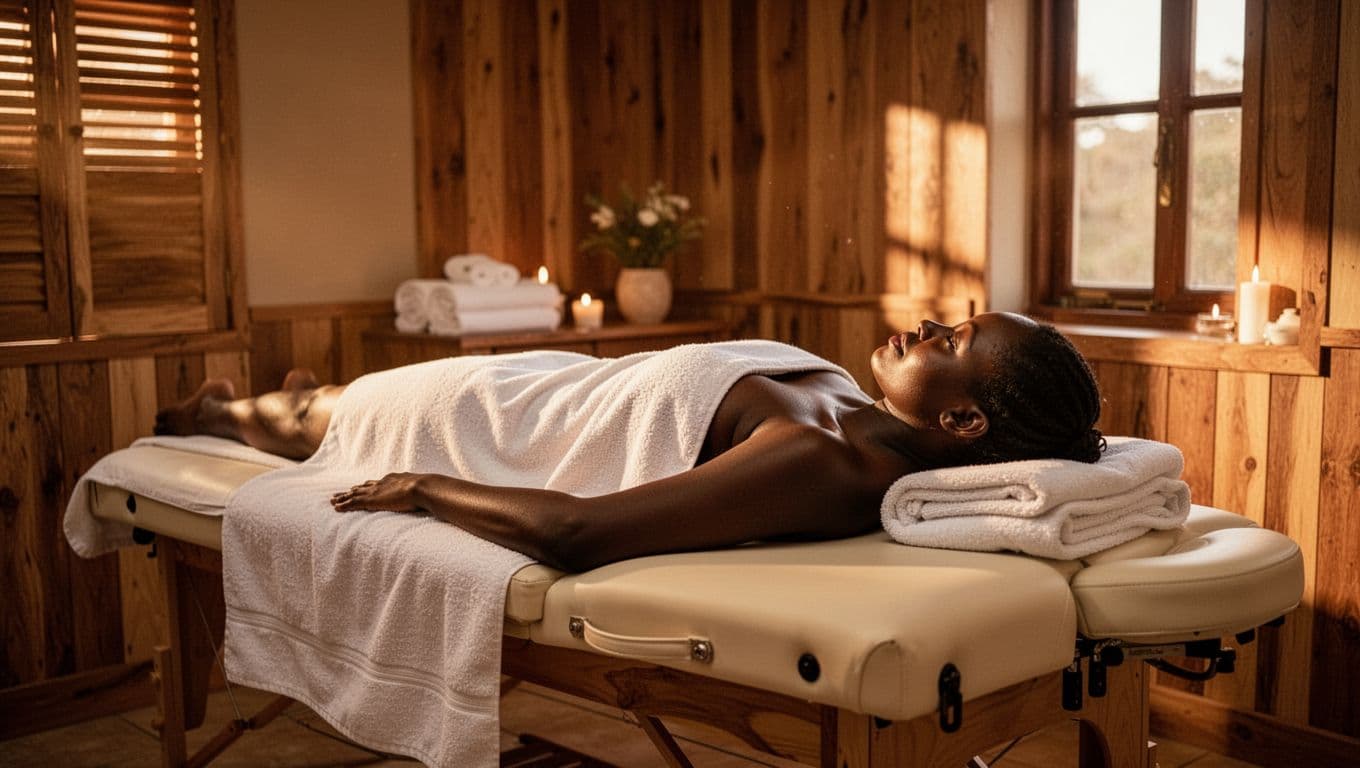 Swedish massage is usually the sensible choice when you want:
- General relaxation without strong pressure.
- A full-body session for everyday muscle tension.
- A gentle introduction to professional massage.
- A calm experience where comfort matters more than targeted recovery.
If your main goal is stress relief, a 60-minute Swedish massage gives you enough time to settle into the room and allow the therapist to work across several areas. For a limited budget, a shorter shoulder, back, or foot-focused appointment may offer better value than rushing through a full-body session.
Deep tissue and sports massage for tight muscles
Deep tissue massage uses slower, focused pressure to address stubborn tension. The therapist may work along specific muscles, tendons, or areas that feel dense and restricted. The session can feel more intense than Swedish massage, especially when the therapist spends time on the back, hips, calves, or shoulders.
Sports massage follows a similar need for focused work, but the treatment is shaped around activity, recovery, or movement. A runner may need attention on the calves and legs, while someone who lifts weights may ask for work around the shoulders, back, or hips. You don’t have to be a professional athlete to book sports massage. Regular exercise, long walks, gym sessions, and physically demanding work can all create recovery needs.
A one-hour deep tissue session in Kilimani has an approximate benchmark of KSh 6,000. Broader Nairobi pricing commonly falls between about KSh 5,500 and KSh 12,500 for comparable one-hour services. These figures are context, not a fixed menu. The provider, therapist’s experience, venue, technique, and treatment scope can move the price significantly.
Deep tissue or sports massage may suit you when:
- Tight muscles affect your posture or daily movement.
- You want focused work instead of general relaxation.
- You exercise often and need support during recovery.
- A therapist has identified specific areas that need more attention.
Strong pressure should still remain controlled. Discomfort can occur during intense work, but sharp, burning, electric, or sudden pain is a reason to speak up immediately. Some soreness may appear after a demanding session, particularly when the therapist works on areas with long-standing tension. Drink water, rest, and contact a health professional if severe pain, swelling, weakness, or unusual symptoms develop.
Massage is not a substitute for medical care. If you have serious pain, a recent injury or surgery, a fever, possible blood-clot risks, unexplained swelling, or another health concern, seek medical advice before booking. A therapist should also know about medications, chronic conditions, pregnancy, and any area that needs to be avoided.
Aromatherapy, hot stone, and comfort-focused treatments
Aromatherapy massage combines massage techniques with scented oils. The fragrance can shape the mood of the room, while the massage itself may use gentle or moderate pressure. Some clients enjoy lavender, citrus, eucalyptus, or other scents, but the oil choice should always be discussed before application.
Hot stone massage adds warmed stones to the treatment. The heat can feel soothing around tense muscles, but the therapist needs extra preparation to heat, check, place, remove, and sanitize the stones safely. That additional setup is one reason hot stone sessions often cost more than a standard Swedish massage.
A listed Kilimani venue gives an aromatherapy range of about KSh 7,500 to KSh 10,500 for 60 or 90 minutes. Duration has a direct effect on the total, and the venue can make an equally important difference. A basic spa, premium facility, hotel setting, and mobile provider may all quote different rates for similar names on a menu.
Tell the therapist about allergies, asthma, scent sensitivity, skin reactions, and your tolerance for heat. You can request unscented oil, a milder fragrance, cooler stones, or no stones at all. Comfort should guide the treatment, not the pressure to accept every feature in a package.
Couples treatments can suit birthdays, anniversaries, or a shared break from busy schedules. They usually cost more than a single-person massage because the venue must provide two treatment spaces, two therapists, and additional supplies. Ask whether the quoted couples price covers both people, the full duration, private-room access, refreshments, and any extras.
Reflexology and focused sessions when you want a shorter visit
Reflexology uses focused pressure on the feet or hands. It can be a practical choice when you have limited time, a smaller budget, or a clear preference for foot and hand work. Some clients choose it after standing all day, traveling, or spending long hours on their feet.
A shorter focused session may cost less overall than a 60-minute full-body massage. However, the lower price doesn’t automatically make it better value. A foot-focused appointment addresses a narrower goal, while a full-body session gives the therapist time to work on several areas and create a more complete relaxation experience.
Reflexology should not be presented as a cure for disease. If you have persistent symptoms or a diagnosed condition, speak with a qualified medical professional. Massage and reflexology can support comfort, but they don’t replace examination, diagnosis, or treatment.
Before booking, ask exactly what the service includes:
- Is it a full-body massage or a focused treatment?
- How many hands-on minutes are provided?
- Does the session cover both feet, both hands, or one selected area?
- Is reflexology part of a larger spa package?
- Are oils, steam access, or other amenities included?
Choose the session that matches your purpose. If you need calm after a stressful day, Swedish massage may justify the extra time. If one area feels tight, a shorter back, shoulder, or foot treatment may be enough. When comparing Massage and Rates in Nairobi, compare the outcome you want with the time and technique included, not price alone.
Kilimani Love Massage Spa: Services, Rates, and Booking Questions
Kilimani Love Massage Spa is one option to consider when comparing massage services in Kilimani. A current listing places the spa on Rose Avenue, Kilimani, and shows aromatherapy massage at about KES 7,500 to KES 10,500 for 60- or 90-minute sessions. The same listing describes the business as available 24/7.
That price range needs context. It may cover different session lengths, treatment packages, therapist availability, or added facilities. An online menu is a useful starting point, but it is not a substitute for confirming the details before you travel.
 ### What to confirm before booking at a Kilimani spa
Before booking at Kilimani Love Massage Spa or another local provider, confirm the appointment in one direct conversation. Call the spa or use its official booking channel, since online menus, opening hours, promotions, and therapist schedules can change.
Keep this quick checklist on your phone:
- Treatment: What is the exact massage name, and what technique does it include?
- Duration: Is the booking 60 or 90 minutes? How many minutes are hands-on?
- Total cost: Is the quoted price the final amount, or do taxes, service fees, or transport apply?
- Add-ons: Are steam, sauna, aromatherapy oils, hot stones, scrubs, or refreshments included?
- Location: Is the appointment at Rose Avenue, Kilimani, or another branch or address?
- Access: Is parking available, and are there building security or visitor instructions?
- Therapist: Is a therapist available at your preferred date and time?
- Privacy: Will you receive a private treatment room and proper draping?
- Hygiene: Are fresh linens, clean towels, sanitized equipment, and suitable ventilation provided?
- Cancellation: Is a deposit required, and what happens if you cancel or arrive late?
For the listed aromatherapy rate of KES 7,500 to KES 10,500, ask which price applies to your chosen session. A 60-minute appointment may sit at the lower end, while a 90-minute booking or a package may explain the higher figure. Also confirm whether the treatment clock begins when the massage starts or when you enter the room.
If you want steam access, ask whether it is part of the package or charged separately. The same applies to private-room upgrades, body scrubs, premium oils, and out-call appointments. Clear answers help you compare the real cost rather than relying on a headline rate.
Your health and comfort deserve the same attention as the price. Tell the spa about allergies, asthma, sensitive skin, pregnancy, recent surgery, injuries, persistent pain, or medication that may affect massage. Ask whether the therapist can adjust the pressure, avoid a painful area, use unscented oil, or reduce the heat during a hot stone treatment.
A 24/7 listing shows advertised availability, not a guarantee that a therapist is free at every hour. Confirm the exact appointment time before making travel plans.
How to compare Kilimani providers without chasing the lowest rate
A fair comparison begins with matching the basics. Compare a 60-minute Swedish massage with another 60-minute Swedish massage, or compare two 90-minute aromatherapy sessions. Mixing different treatments makes the price difference look larger or smaller than it really is.
For example, a KSh 3,000 one-hour session and a KSh 7,500 60-minute aromatherapy session may offer very different experiences. The lower rate may come from a smaller studio with fewer amenities. The higher rate may include selected oils, a more private setting, additional preparation, or a premium location. Neither price proves that one therapist will deliver a better result.
Use the same questions for every provider:
- What is the exact hands-on time?
- Which products and facilities are included?
- Does the therapist have experience with your preferred technique?
- Is the room clean, private, secure, and comfortable?
- How easy is the location to reach from your home, office, or hotel?
- What do recent clients say about communication and punctuality?
- Are the payment, deposit, and cancellation terms clear?
Kilimani has lower-cost, mid-range, and premium choices. Neighborhood listings often show hourly rates near KSh 3,000 to KSh 7,000, while some smaller studios advertise basic relaxation sessions closer to KSh 2,000 to KSh 3,500. Mid-range providers may charge around KSh 4,000 to KSh 6,000 for standard or therapeutic treatments. Kilimani Love Massage Spa’s listed aromatherapy range sits above many basic hourly options, so compare the treatment type and inclusions before judging the difference.
Convenience can also affect value. A nearby spa may save you time and transport costs, while a late appointment may suit your work schedule. An out-call session may cost more because the therapist travels with equipment and supplies. A hotel spa may charge more for its facilities, reception, changing areas, and treatment environment.
Client feedback can help, but read it carefully. Look for comments about whether the provider honored the quoted price, confirmed appointments, maintained clean rooms, and responded clearly to questions. A glowing comment about atmosphere does not tell you whether the massage lasted the advertised time.
The strongest sign is transparent communication. A provider should explain the treatment, price, location, therapist availability, payment method, and cancellation policy before you commit. If the answers remain vague, keep comparing. A slightly higher rate with clear terms may be easier to budget for than a cheaper booking that adds unexpected costs.
How to Get Good Value Without Sacrificing Safety or Comfort
A lower massage rate in Kilimani can be useful, but only when the booking still gives you enough time, privacy, cleanliness, and professional care. The best value is not always the cheapest price. It is a clear final cost for a treatment that matches your goal and leaves you feeling comfortable throughout the appointment.
Before booking, compare the full service rather than the headline figure. A KSh 3,000 session may look attractive, but the total can change if the provider charges separately for transport, oils, steam access, towels, or a longer treatment. A slightly higher in-spa rate may offer better value when it includes the facilities and treatment time you actually need.
Smart ways to lower the total massage cost
Start with a standard 60-minute massage unless you have a clear reason to choose a premium package. A one-hour Swedish massage is often enough for general relaxation and everyday muscle tension. Premium options can be enjoyable, but you may pay more for hot stones, specialty oils, steam, sauna access, refreshments, or a branded setting that you don’t plan to use.
A focused treatment can also reduce the bill. If your main problem is tight shoulders after desk work, ask for a neck, shoulder, and back session instead of paying for a full-body appointment. A foot-focused treatment may suit you after a long day on your feet. The key is to confirm whether the provider prices focused work by the area, by the time, or at the same rate as a full massage.
Weekday bookings may offer better availability and, at some spas, lower rates. Ask directly whether the provider has weekday prices, off-peak appointments, or repeat-visit packages. A package can reduce the cost per session, but only choose it if you expect to use all the appointments before they expire.
Promotions should be easy to understand. Ask about:
- The exact treatment included in the offer.
- The days and times when you can use it.
- Whether a specific therapist or location applies.
- The expiration date and any blackout dates.
- Whether you must pay in advance.
- The cancellation and rescheduling rules.
A discount with a short expiration date may not save money if you cannot use it. The same applies to packages that require a large deposit or exclude the times you normally need.
Compare the final price, not only the advertised starting price. Add transport, taxes, service fees, optional facilities, and any minimum booking requirement before deciding. For an out-call massage, ask whether the quoted amount includes travel, setup, equipment, and the full treatment duration. Nairobi traffic can also make a mobile appointment more expensive than an in-spa visit.
Tipping is optional. If you choose to tip, base the amount on local custom, the quality of service, and your budget. You don’t need to tip beyond your means, and you shouldn’t feel pressured to pay extra for a basic service. Ask whether a gratuity or service charge is already included before adding anything to the bill.
A promotion is useful only when you can use it, understand its restrictions, and know the final amount before the appointment.
Questions that prevent surprise charges
A short phone call or message can clarify most pricing concerns. Keep your questions friendly and direct. You can ask:
- “Is this the total price for the treatment?”
- “How many minutes are hands-on massage?”
- “Are oils and towels included?”
- “Does the price include steam or sauna access?”
- “Is transport included for an out-call appointment?”
- “Is there a separate out-call fee for my area?”
- “Do you accept mobile money or cards?”
- “Is a deposit required?”
- “What happens if I need to cancel or reschedule?”
- “Will I pay extra if the appointment runs beyond the booked time?”
Also ask whether consultation, changing, and cleanup count within the advertised session. A “60-minute massage” should have a clear meaning. If the therapist begins hands-on work after preparation, confirm when the treatment clock starts.
For mobile visits, provide the location only after confirming the provider, arrival time, total cost, and payment terms. Ask whether the therapist brings a portable table, fresh linens, towels, and oils. You should also know whether travel charges change for late-night appointments, apartment access, hotel security delays, or locations outside Kilimani.
Written confirmation helps because spoken details can become unclear later. Save a message that states the treatment, duration, address, therapist, total price, included extras, deposit, and cancellation policy. This is especially useful for repeat-visit packages, couples bookings, hotel appointments, and out-call services.
If the provider changes the price after you arrive, refer to the confirmed terms and ask for an explanation before treatment begins. You can decline an added service. Never hand over more money simply because someone introduces an unexpected charge at the last moment.
Basic safety and professionalism checks
A reputable massage provider should discuss your treatment before starting. The therapist should ask about health concerns, injuries, allergies, pregnancy, medications, and your preferred pressure. You should also receive a clear explanation of the technique, heat level, oils, and areas that will be treated.
Privacy and consent are part of professional care. The provider should offer suitable draping, protect your personal space, and explain when you need to change or turn over. You can request that an area remain covered, refuse a technique, change the pressure, or stop the session at any time.
Clean linens, fresh towels, sanitized equipment, and a tidy treatment room are basic expectations. The room should feel secure and private, with enough space for the therapist to work without unnecessary contact or interruptions. For an out-call appointment, choose a safe location and tell someone you trust where you are if you feel uncertain.
 Speak up if the pressure feels wrong. Mild intensity can be expected during some therapeutic work, but sharp, burning, electric, or sudden pain is not something you must tolerate. Leave if the provider pressures you into an unwanted service, refuses to explain charges, ignores your pain, violates your boundaries, or creates an unsafe setting.
Certain health concerns need extra care. Speak with a qualified clinician before booking if you have a recent injury, recent surgery, a skin infection, unexplained swelling, uncontrolled blood pressure, or a condition that affects sensation or circulation. Pregnancy concerns also call for medical guidance and a therapist trained in appropriate prenatal positioning.
Ask a clinician about medication-related risks when you take blood thinners, medicines that affect blood pressure, or other drugs that may change bruising, bleeding, sensation, or heat tolerance. When you’re unsure, postpone the appointment until you receive proper advice. A professional therapist should respect that decision without pressure.
Conclusion
Massage prices in Kilimani commonly range from about KSh 3,000 to KSh 8,000 for many one-hour sessions. Basic options may cost less, while premium treatments, mobile visits, couples bookings, and add-on services can raise the final bill. Kilimani Love Massage Spa is one option to compare, but confirm its listed aromatherapy rates, session length, inclusions, and availability before booking.
The best value comes from matching the technique to your goal, checking the actual hands-on time, and choosing a provider with clear pricing and safe, respectful care. Before you book, choose your goal, set a budget, compare equal session lengths, ask for the full price, and select a provider that makes you feel comfortable.