A body massage video can show hand placement, pace, and pressure more clearly than written instructions. Still, watching a routine isn’t the same as having a trained massage therapist assess your body, so use video as a gentle learning aid.
If you’re searching for massage near me or planning a session at home, focus on consent, clean equipment, comfortable draping, and pain-free pressure. The right routine should leave you calmer, not bruised or sore.
For a visual starting point, this relaxation massage tutorial demonstrates basic professional techniques:
How to Follow a Body Massage Video Safely
A body massage video should teach movement, not replace good judgment. Watch the full routine once before practicing. Check whether the instructor explains pressure, client positioning, hygiene, and situations that require medical advice.
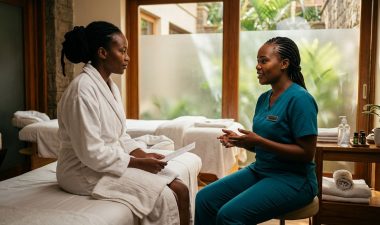
Consent comes first, even when the massage is between partners or relatives. Ask where the person wants massage, which areas should remain covered, and whether they prefer light, medium, or firm pressure. Keep communication open throughout the session.
A professional setup also includes proper draping. Cover areas that aren’t being worked on, expose only the treatment area, and protect personal privacy. Never massage someone who feels pressured, uncomfortable, intoxicated, or unable to give clear consent.
A safe routine follows a few simple rules:
- Begin with light contact so the body can adjust.
- Keep pressure away from bones, the front of the neck, open wounds, rashes, and swollen joints.
- Ask for feedback before changing pressure or moving to another area.
- Stop immediately if the person reports sharp pain, numbness, dizziness, nausea, or unusual weakness.
Soreness isn’t proof that a massage worked. Pain, bruising, or tingling means the pressure or technique needs to stop.
A deep tissue massage video often looks impressive because it shows slow, firm movements. Those techniques need more care than a beginner routine. Start with relaxation-based strokes unless a qualified massage therapist has shown you otherwise.
Prepare a Clean, Comfortable Massage Space
A calm room helps the client relax, but hygiene matters more than decoration. Use freshly washed sheets or towels for every person. Clean the massage table, bolster, and any reusable tools between sessions.
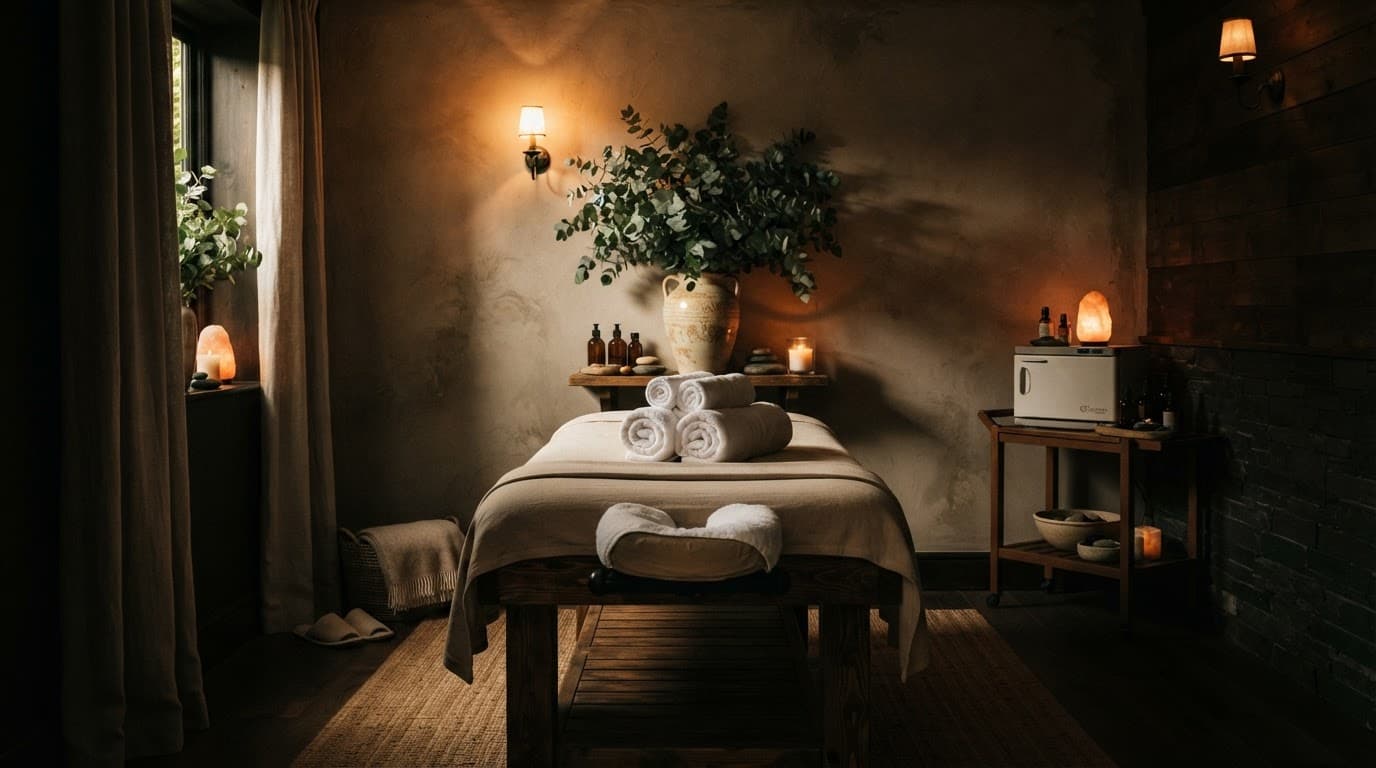
Keep the room warm without making it stuffy. Place the phone on silent, remove clutter, and provide water nearby. A stable massage table is safer than a soft bed because it supports the body and allows the therapist to work without awkward bending.
Massage oil reduces friction, but it isn’t suitable for everyone. Test a small amount on the forearm first, especially when using scented oils. Avoid oils near the eyes, broken skin, or areas with an active rash. Unscented lotion is often a better choice for sensitive skin.
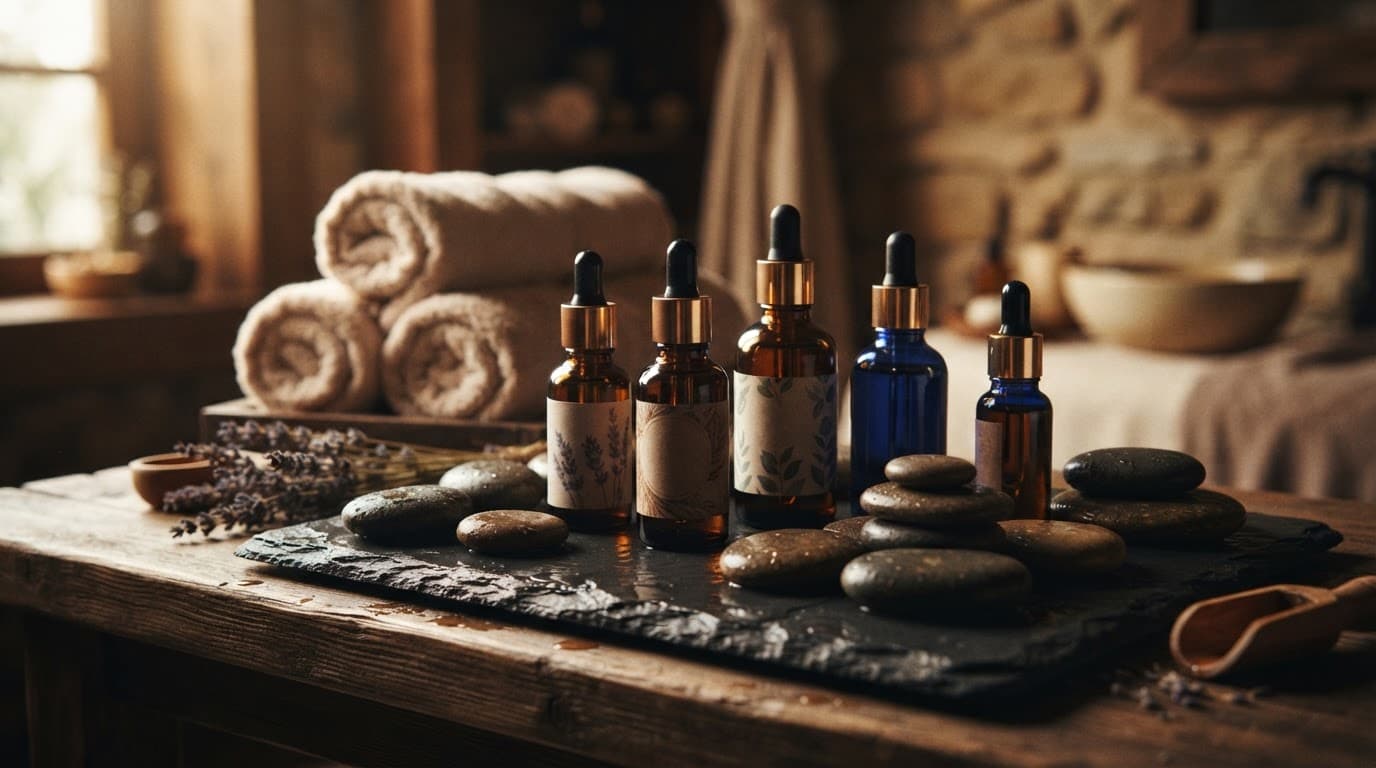
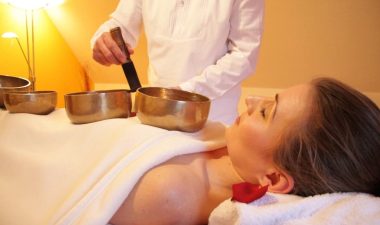
Never heat oil directly in a microwave or place hot stones on the body without professional training. Excess heat can burn skin before the person notices it.
A Gentle Full Body Massage Routine
A beginner-friendly routine should move slowly and cover one area at a time. The following sequence works best with the client lying comfortably and properly covered.
- Start with the feet. Use broad, gentle strokes over the sole and top of each foot. Avoid forcing the toes or pressing hard around painful areas. A short foot massage can help someone settle before the rest of the session.
- Move to the lower legs. Glide upward from the ankle toward the calf with light to medium pressure. Avoid areas that look swollen, feel hot, or hurt when touched.
- Work the thighs carefully. Use broad strokes rather than concentrated pressure. Keep the upper leg covered except for the area being treated, and ask the client to adjust the draping if needed.
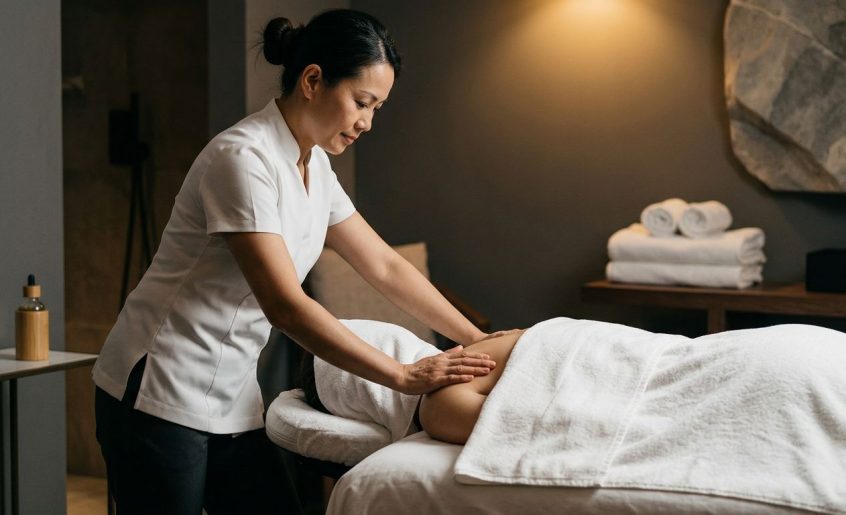
- Massage the back with open palms. Work beside the spine, not directly over it. Use long strokes over the upper and lower back, then pause around the shoulder blades. Don’t press deeply over the kidneys, ribs, or any known injury.
- Treat the shoulders and arms. Start around the shoulder muscles, then move along the upper arm, forearm, and hands. Keep the person’s arm supported instead of pulling or twisting it.
- Finish with light strokes. Slow down as the session ends. Give the client time to sit up gradually, since standing too quickly can cause light-headedness.
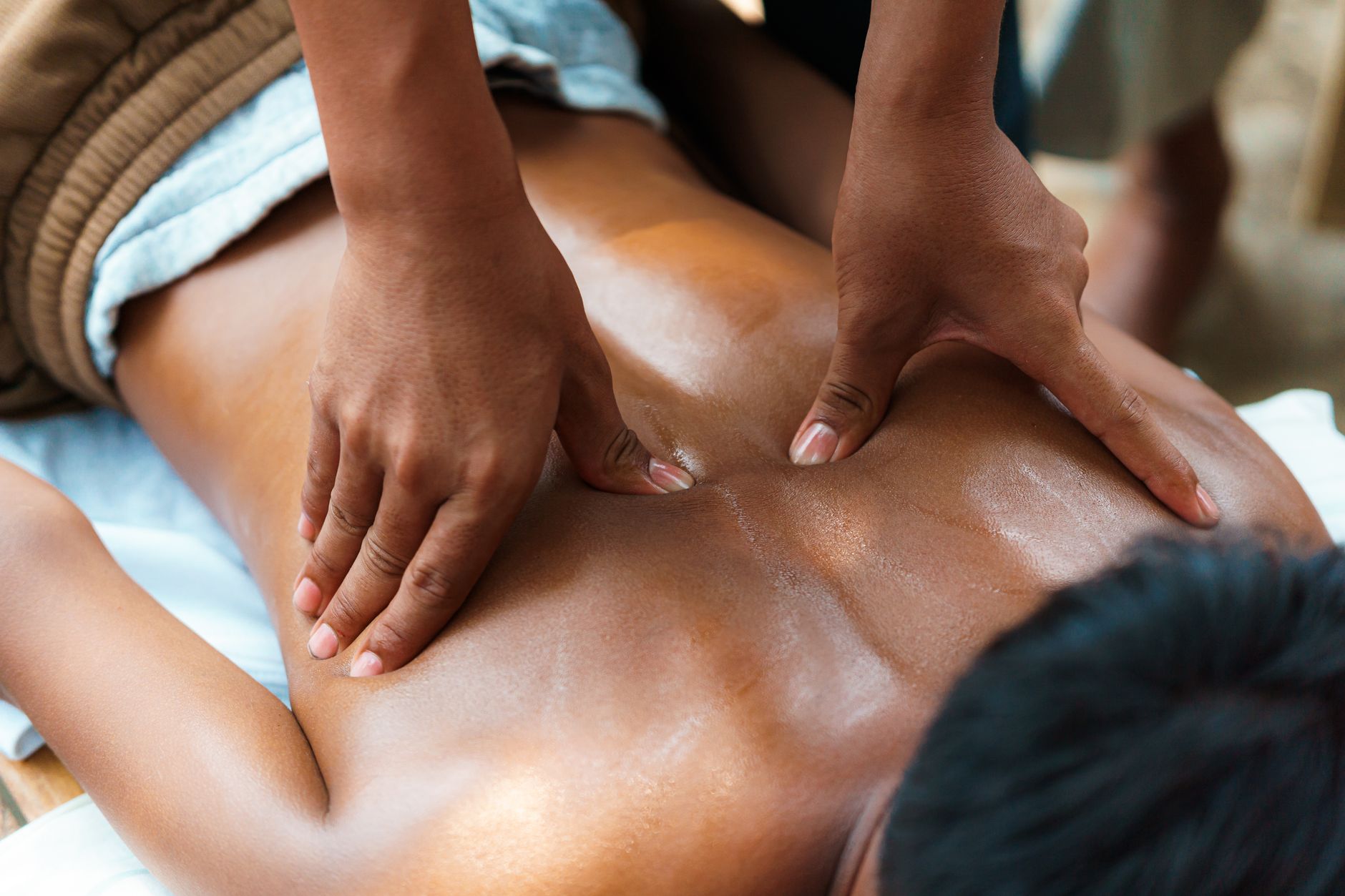
Photo by Nothing Ahead
Keep the first practice session short. A body massage video may show a long sequence, but beginners need time to notice pressure, body position, and the client’s response. Avoid copying advanced deep tissue massage techniques without proper instruction.
Choose a Massage Style That Fits Your Goal
The phrase “full body massage” describes coverage, not one single method. A full body massage type may use Swedish strokes, deep tissue work, assisted stretching, or gentle lymphatic techniques.
| Massage style | Typical focus | What to consider |
|---|---|---|
| Swedish massage | Relaxation and general muscle tension | Usually uses flowing, light to medium strokes |
| Deep tissue massage | Persistent tightness in selected muscles | Needs controlled pressure and skilled assessment |
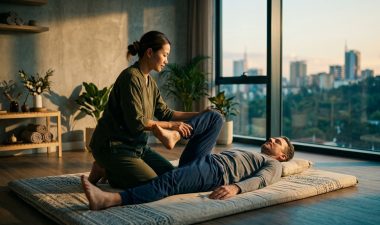
| Thai massage | Assisted stretching and joint movement | Often takes place over clothing on a floor mat |
| Lymphatic drainage massage | Very light rhythmic movements | Requires suitable training and medical awareness |
Searches for “Swedish massage vs deep tissue massage” compare two techniques, while “Swedish massage vs full body massage” compares a technique with the amount of body coverage. The same applies to “Swedish massage vs Thai massage.” Swedish massage describes a style, whereas full body describes the areas included.
People often choose Swedish massage for relaxation. Deep tissue massage may suit focused muscle tension, but firm pressure isn’t appropriate for everyone. The possible deep tissue massage benefits don’t make it a universal choice, especially after an injury or surgery.
Lymphatic massage and lymphatic drainage massage use much lighter pressure than ordinary muscle work. Anyone with swelling, a medical condition, or recent treatment should ask a healthcare professional whether that service is suitable.
Finding a Safe Massage Provider in Kenya
Online searches can help you compare local options, but the listing itself doesn’t prove quality. Search phrases such as “massage near me,” “massage spa near me,” or “massage therapy near me” can bring up very different businesses. Check the provider’s treatment menu, therapist details, hygiene information, and client policies before booking.
In Nairobi, people may search for “massage spa Nairobi,” “Nairobi massage center,” “full body massage Nairobi,” or “Nairobi massage therapist.” Location searches such as “Westlands Nairobi massage,” “Nairobi massage westlands,” and “Nairobi massage near Yaya Centre” can narrow the area, but you should still verify the exact address and business identity.
The same approach applies when looking for a full body massage Mombasa or a massage parlour in Thika. A professional provider should explain the service clearly. Terms such as “massage parlour near me” or “Nairobi massage parlors” can return mixed results, so choose a wellness-focused business with clear consent and privacy standards.
Ask about the full body massage price in Nairobi before confirming an appointment. Massage prices in Kenya vary by location, duration, setting, and technique, so request the total cost rather than relying on a vague starting price. Ask whether towels, transport, or additional time cost extra.
Home services can be convenient. If you search for mobile massage Nairobi, home massage services in Nairobi, mobile massage services near me, or full body massage at home, confirm that the therapist carries clean linens and uses a professional booking process. For a couples massage in Nairobi, both clients should receive the same privacy and consent information.
Avoid relying on unverified Nairobi massage Telegram groups or anonymous Nairobi massage ads. A legitimate provider should be willing to answer questions about training, location, treatment boundaries, and cancellation terms before taking payment.
When Massage Tools or Medical Advice Are Better Options
A massage gun, back massager, foot massager, or massage chair can provide short sessions at home, but each tool needs careful use. Start with the lowest setting and keep the device moving over large muscle areas. Don’t use a massage gun over the spine, front of the neck, joints, varicose veins, open wounds, or swollen tissue.
A foot massager may be unsuitable for someone with reduced sensation or poor circulation. Likewise, a massage chair can place pressure on areas that need protection. Read the manufacturer’s safety instructions and stop if the device causes pain, numbness, or dizziness.
Postpone massage if you have a fever, contagious skin condition, fresh injury, recent surgery, or unexplained swelling. Seek medical advice for possible blood clot symptoms, severe pain, sudden weakness, or breathing problems. Pregnant clients should ask their healthcare provider about suitable positioning and techniques.
The disadvantages of body massage can include temporary soreness, skin irritation, bruising, or a flare-up of an existing condition. A qualified massage therapist can adjust pressure and refer you to a doctor or physiotherapist when massage isn’t the right next step.
Choose Comfort Over Intensity
A useful body massage video shows more than a sequence of strokes. It should model consent, clean preparation, modest pressure, careful draping, and clear communication.
Use a gentle routine for general relaxation, then choose a qualified massage therapist for deep tissue, Thai, or lymphatic work. Whether you book a massage spa or arrange a home session, the safest treatment is the one that respects your comfort before chasing intensity.