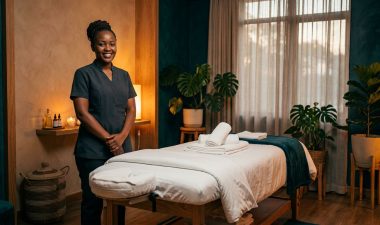
As evening settles over Kilimani, traffic eases along Ngong Road while apartment lights come on around Rose Avenue and Kindaruma Road. After hours at a desk, a demanding workout, crowded commutes, or another night of poor sleep, your shoulders and lower back can carry more tension than you realize. Quality Massage in Kilimani can give your body focused care and create space to slow down.
Kilimani has massage and spa options around Kindaruma Road, Rose Avenue, Kilimani Ring Road, Ndemi Lane, and Menelik Road, with more choices near the Ngong Road and Valley Arcade areas. However, locations, opening hours, services, and prices can change, so confirm the current details before visiting or making a booking.
The right choice depends on what your body needs and how you prefer to relax. This guide will help you compare massage styles, understand typical prices and booking choices, assess whether a spa is safe and professional, and prepare for a more comfortable session. First, consider the main massage treatments available in Kilimani and how each one may suit your needs.
Why Massage in Kilimani Fits Busy Nairobi Life
Kilimani’s mixed-use setting makes a massage appointment easier to fit around real Nairobi routines. Residents can book close to home, office workers can stop in after work, and visitors can choose a spa near their apartment, hotel, or meeting place. The neighborhood also gives people from Kileleshwa, Hurlingham, Upper Hill, Lavington, and Westlands a practical option when they want care without crossing the city.
Traffic still affects every trip, especially around Ngong Road, Valley Road, and Argwings Kodhek Road. Choosing a nearby spa after work or exercise can reduce travel time and make regular appointments more realistic. A short trip also leaves you with more time to settle into the session instead of arriving tense from a long commute.
Massage may support relaxation, reduce the feeling of muscle tightness, improve body awareness, and create a calm break in a crowded day. It isn’t a cure for a medical condition, however. The best experience starts with a provider that explains its services clearly and treats your comfort as part of the service.
What a Good Kilimani Massage Experience Should Feel Like
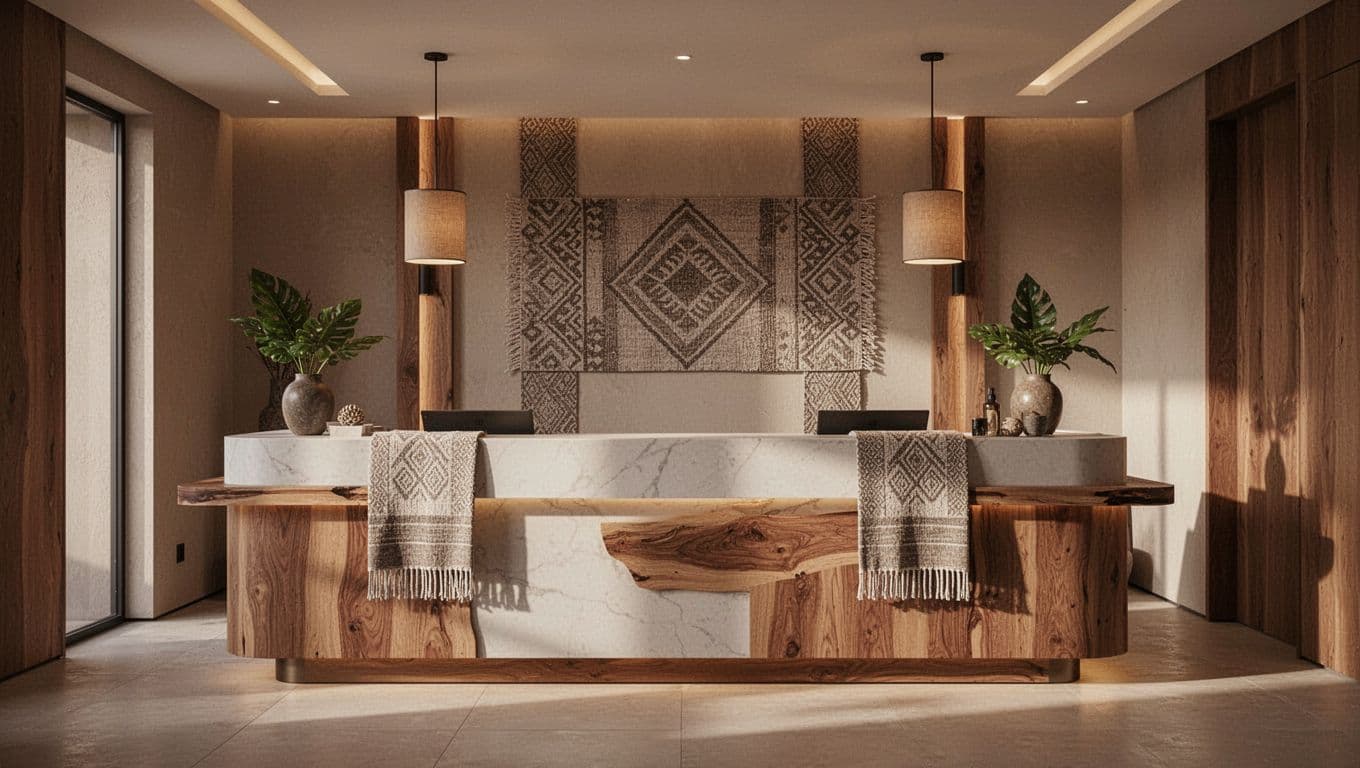
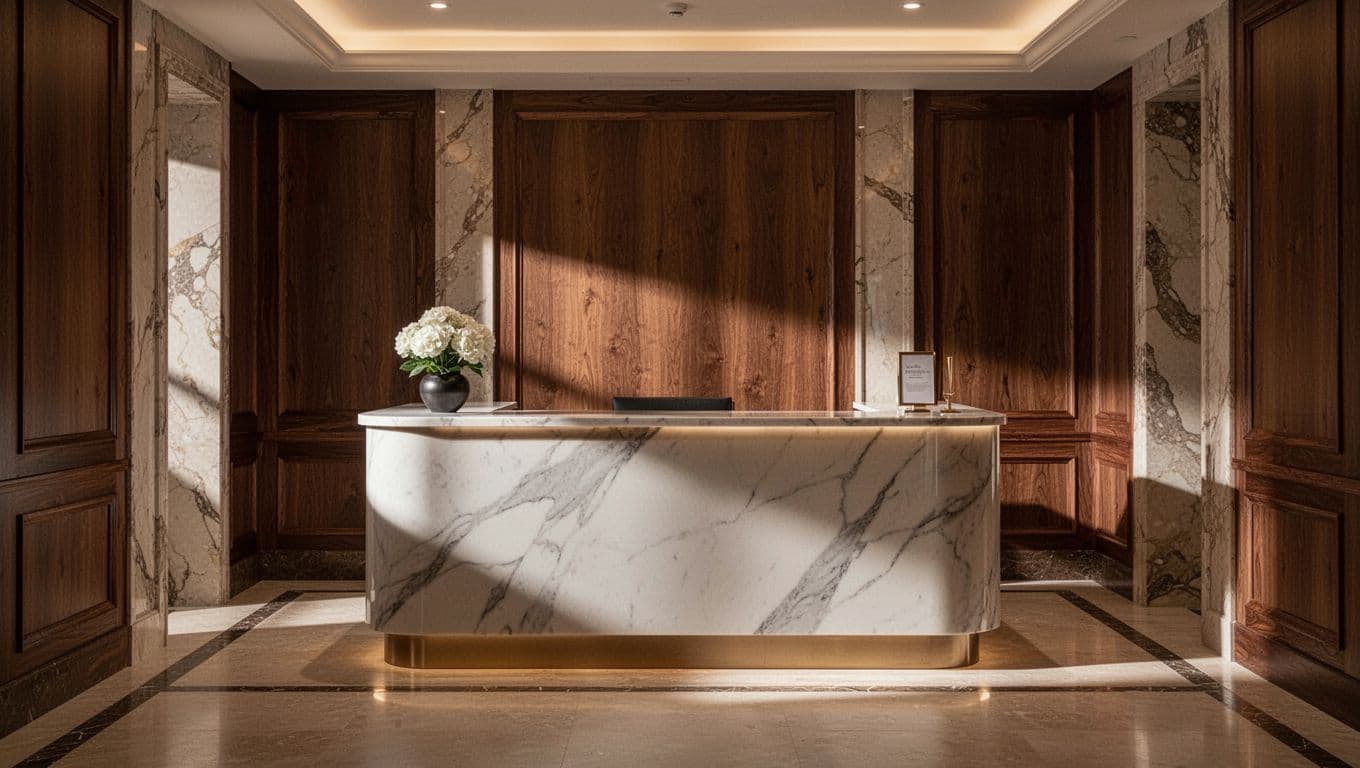
A professional appointment begins before the massage itself. When you arrive, the reception area should feel orderly and private, with a clear booking record and someone ready to confirm your treatment. You shouldn’t have to guess where to wait, what happens next, or whether the person meeting you is the therapist you booked.
A short consultation gives the therapist useful context. Tell them about pain, allergies, recent exercise, pregnancy, medication use, or any health concern that could affect the session. You can also explain whether you want gentle relaxation work or firmer pressure around areas that feel tired. This conversation doesn’t need to be long, but it should feel attentive rather than rushed.
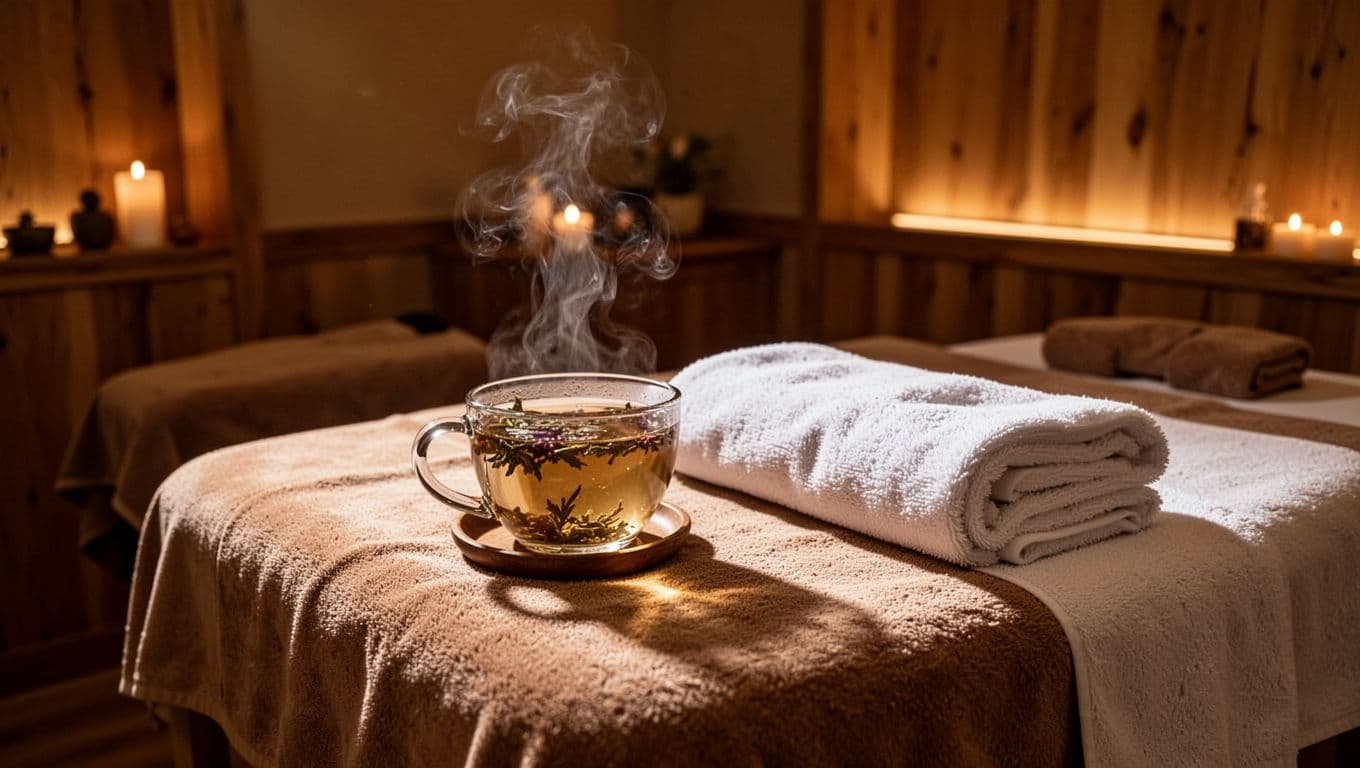
The treatment room should be calm, clean, and warm enough for you to relax. Fresh linens, a clean massage table, neatly arranged supplies, and a comfortable level of lighting all matter. Privacy should continue when you change, and professional draping should keep the parts of your body that aren’t being treated covered.
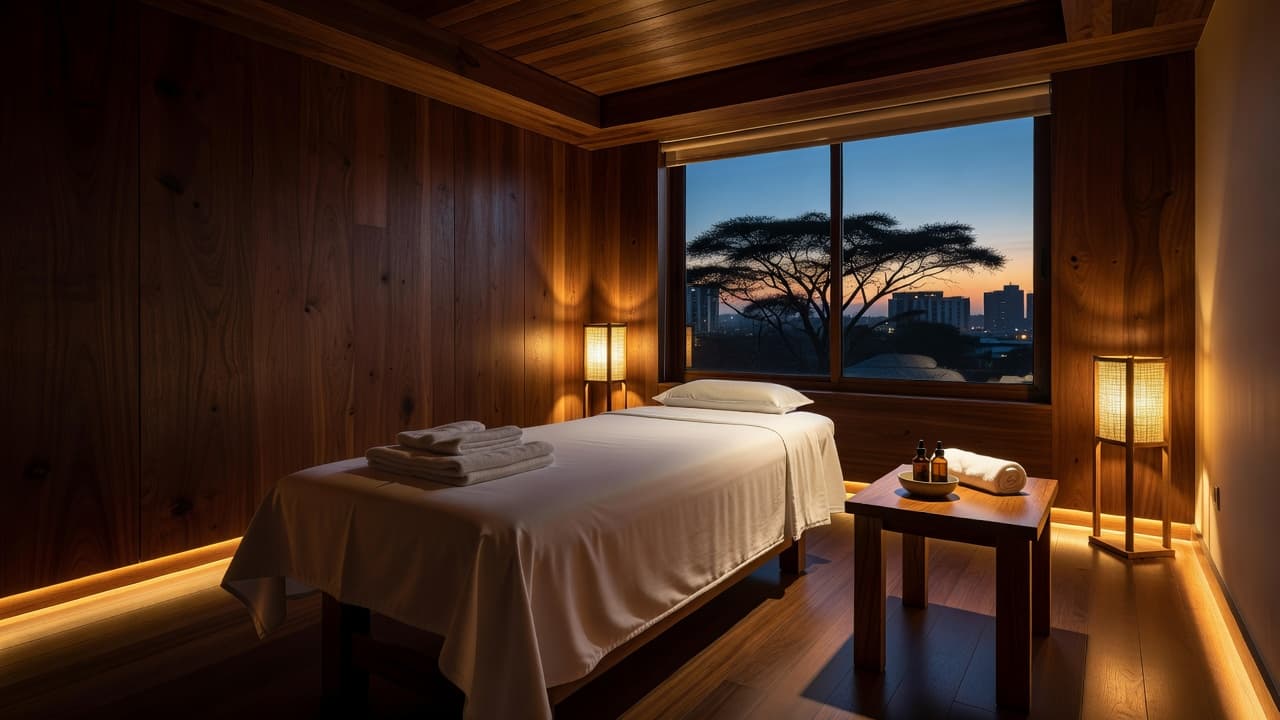 Your therapist should explain the position you need to take and ask before working near sensitive areas. Clear boundaries apply throughout the session. You can request more or less pressure, a different position, quieter surroundings, or a pause at any time. A good therapist checks in without interrupting the peaceful atmosphere.
Afterward, the therapist should give simple aftercare guidance, such as standing slowly and drinking water if that feels comfortable. They shouldn’t promise a cure or pressure you into buying another service. The aim is a respectful, well-organized experience that leaves you feeling cared for, with no confusion about what took place.
Who May Benefit From a Local Massage Appointment
A local massage appointment can suit different routines and personal goals. Someone who spends the day at a desk may want time away from screens and the sensation of tight shoulders. After walking around Nairobi, running errands, or training at a nearby gym, another client may prefer focused attention on tired legs.
People also book massage for simple self-care. A quiet session can create a pause between work and home, particularly when the spa is close enough to visit without planning an entire afternoon. Couples may choose an appointment as part of a birthday or anniversary, while visitors may prefer a Kilimani location near where they are staying.
General relaxation and injury treatment are separate needs. Massage may help you unwind or feel more aware of areas that carry tension, but a therapist shouldn’t diagnose a serious injury. Seek medical advice before booking if you have severe pain, swelling, numbness, fever, unexplained symptoms, a recent surgery, or a serious medical condition. Massage should complement professional healthcare, not replace an examination or prescribed treatment.
You can make the session more useful by describing your day honestly. Mention a long walk, a hard workout, poor sleep, or a new discomfort during the consultation. That information helps the therapist choose a suitable approach and avoid pressure that feels inappropriate.
In-Call, Outcall, and Hotel Massage Choices in Kilimani
Visiting a spa gives you a controlled setting with a prepared table, clean linens, suitable lighting, and staff nearby. You don’t need to arrange the room, and the journey can create a clear boundary between work and rest. For many office workers and residents, a location near home or the office makes weekly or occasional appointments easier to maintain.
An outcall therapist can come to your home, apartment, or hotel. This option may suit someone who prefers not to travel after a demanding day or who has limited mobility, although people with health concerns should still seek appropriate medical guidance. You will need enough floor space, a comfortable temperature, reasonable privacy, and a plan for parking or building access.
Before confirming, ask whether the therapist’s identity, business name, and service details are clear. Confirm the treatment type, expected duration, equipment provided, and cancellation terms. You should also tell hotel or apartment security who is visiting, rather than allowing an unknown person into the building without verification.
Outcall prices may include transport fees, but they may not. Ask whether the quoted amount includes transportation, taxes, add-ons, and the full hands-on treatment time. A 90-minute booking should clearly state whether that means 90 minutes of massage or includes setup and conversation.
Online listings can help you compare current services, but check the details carefully. For example, a provider’s current Kilimani massage listing may show a treatment and contact number, while a local spa appointment post can indicate how a business is presenting its booking process. Before you travel, check recent reviews, map directions, opening hours, and the phone number. Business information can change, and a quick confirmation prevents a wasted trip.
Popular Massage Styles Available Around Kilimani
Massage names can vary between spas, even when two treatments sound similar. One provider may describe a session as “relaxing massage,” while another uses “Swedish massage” for a similar experience. Before paying, ask what the treatment includes, how much hands-on time you receive, the pressure level, and whether extras such as oils, scrubs, or stretching cost more.
The best choice depends on your preferred pace and pressure. If you’re booking your first massage in Kilimani, moderate pressure is a sensible starting point. You can always ask the therapist to work more firmly, but an overly intense session can make you uncomfortable.
Swedish Massage for Gentle Relaxation and First Visits
Swedish massage is a common choice for people who want a calm, full-body experience. The therapist usually works with flowing strokes, kneading, and light to medium pressure. The pace feels steady rather than forceful, which helps many clients settle into the session after a stressful week.
This style suits a first visit because it gives you time to understand how your body responds to massage. It may also work well if you don’t enjoy intense pressure, have spent long hours at a desk, or want a peaceful break before returning home. Many Kilimani spas list Swedish massage among their standard treatments, so it is often easy to compare when checking menus and prices.
You can request extra attention for your neck, back, legs, or feet. Still, your request should fit the therapist’s professional assessment. If your lower back feels sensitive, for example, the therapist may adjust the pressure or suggest a gentler approach instead of treating the area aggressively.
A short conversation before the session makes a difference. Tell the therapist whether you want a quiet treatment, prefer more conversation, dislike scented oils, or have areas they should avoid. For a general explanation of common massage categories, this guide to massage types offers a useful comparison.
Deep Tissue and Sports Massage for Tired, Overworked Muscles
Deep tissue massage usually uses slower, firmer work on areas that feel tight or overworked. The therapist may spend more time on the back, shoulders, hips, or legs instead of using the same light strokes across the whole body. Pressure should remain controlled and communicative.
Sports massage often focuses on movement, recovery, and the muscles you use during training. A runner may ask for attention on the calves and legs, while someone who lifts weights may need work around the shoulders, arms, or hips. The session may include movement checks or gentle stretching, although the exact format depends on the provider.
Deeper pressure isn’t automatically better. A productive session can feel intense, but sharp pain, burning, tingling, or numbness is a warning sign. Report those sensations immediately and ask the therapist to stop or change the technique. Ordinary pressure and serious discomfort are not the same thing.
If you have an injury, recent surgery, swelling, unexplained pain, or limited movement, get medical guidance before booking. Also describe your training history, including a recent race, new exercise program, heavy lifting, or a long break from training. That information helps the therapist choose appropriate pressure and avoid treating an injured area as ordinary muscle tension.
Aromatherapy, Hot Stone, and Hot Oil Treatments for a Calmer Session
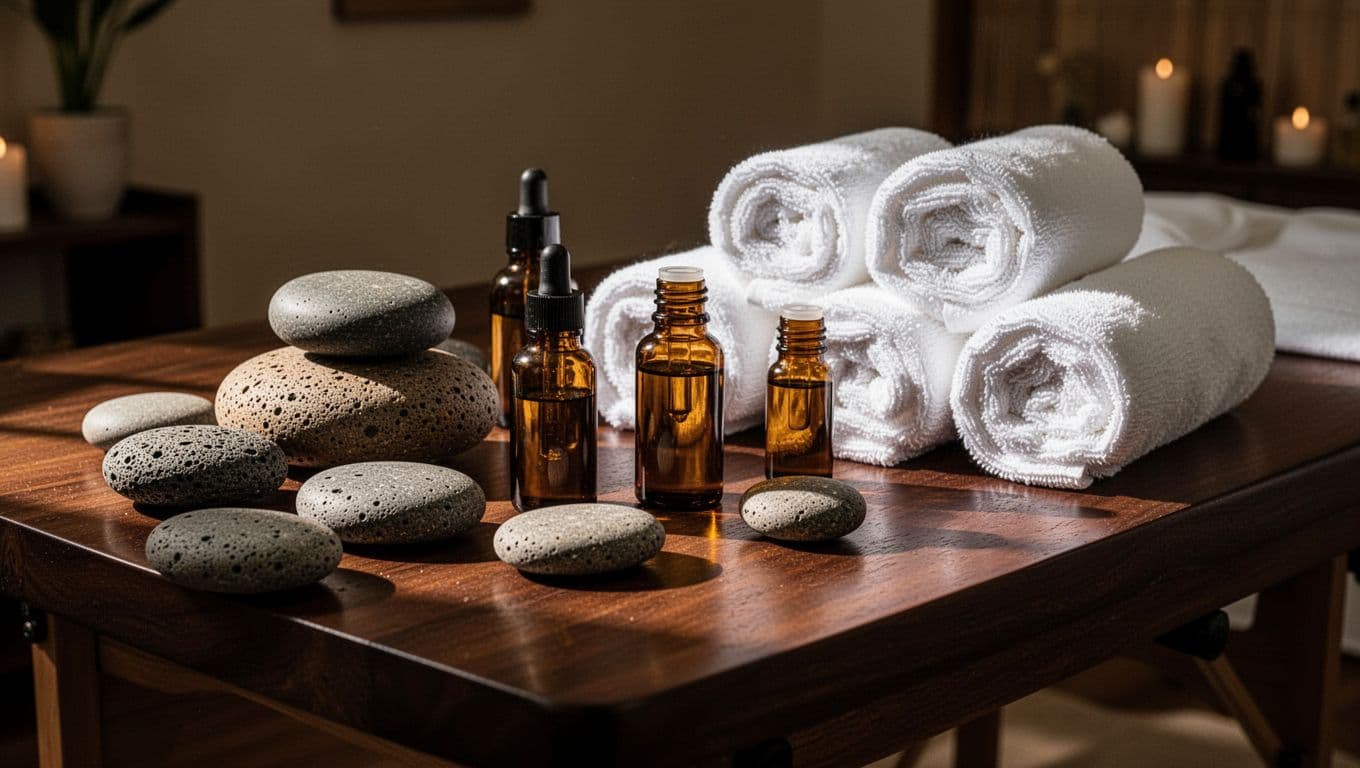
Aromatherapy massage adds diluted essential oils to a standard massage, usually through the massage oil or the air in the room. The main difference is the scent and spa atmosphere, not a promise to cure stress or a medical condition. Some people enjoy lavender, citrus, eucalyptus, or other fragrances, while others find strong scents distracting.
Hot stone massage uses warmed stones placed on selected areas or moved across the body. The heat can create a slower, more soothing session, but the stones must feel comfortably warm rather than painfully hot. Ask the therapist to check the temperature before placing a stone on your skin.
Hot oil treatments may use warmed carrier oil for a smoother, warmer experience. Before treatment, disclose sensitive skin, allergies, asthma, migraines, pregnancy, or any concern about fragrance. Tell the therapist about known reactions to particular oils or products.
The spa should handle oils carefully, avoid contact with your eyes, and test products when appropriate. Stones should also be heated and managed with care. You can decline essential oils, scented products, hot stones, or any add-on without giving a reason.
 ### Thai, Reflexology, Bamboo, and Specialty Spa Treatments
Thai massage may include pressure work, assisted stretching, and guided movement. It is often performed on a mat or firm surface, and clients may remain in loose clothing. Because stretching can feel active, ask how much movement the session involves before booking.
Reflexology focuses mainly on the feet, although some providers include the lower legs. It can suit someone who wants a shorter, targeted treatment after walking, standing, or traveling. However, pressure on the feet shouldn’t cause sharp pain or lingering discomfort.
Bamboo massage may use smooth bamboo tools to apply pressure across larger muscle areas. Herbal treatments may include warmed products, compresses, or plant-based preparations. The names can sound similar across menus, so ask what the therapist will actually use on your body.
Specialty services also include couples sessions, relaxation packages, foot treatments, body scrubs, and combinations with facials or baths where offered. A couples package may place two clients in one room, but confirm whether both receive the same treatment and whether two therapists are available.
Before booking any specialty service, ask:
- Is the treatment performed on a table, mat, or chair?
- What clothing should you wear?
- Does the session include stretching, heated tools, oils, or products?
- How much time is hands-on massage?
- Are preparation rules, time limits, or extra charges involved?
These details affect comfort, price, and expectations. Choose the treatment whose pressure and pace match your body today, then keep communicating throughout the appointment.
How Much Does a Massage in Kilimani Cost?
The cost of a massage in Kilimani depends on more than the treatment name. Session length, pressure level, therapist experience, location, time of booking, and added spa facilities can all change the final bill.
Publicly listed local examples place many standard sessions between KSh 2,000 and KSh 6,500, while longer or specialized treatments may appear around KSh 7,500 to KSh 10,500. These figures are useful planning ranges, not guaranteed rates. Menus change, promotions expire, and some providers quote different prices for in-spa and outcall appointments.
Before you send a deposit, ask for the total price and confirm exactly what the session includes. A clear quote helps you compare massage options without mistaking a short basic treatment for a full premium experience.
What Changes the Price of a Kilimani Spa Session?
Duration is usually the first price factor. A 30-minute appointment may cost around KSh 2,000 to KSh 3,500, while a 60-minute massage often falls between KSh 3,000 and KSh 6,500 in publicly listed local examples. A 90-minute treatment may reach KSh 6,500 to KSh 7,500, and a 120-minute booking can move into the KSh 7,500 to KSh 10,500 range, especially when the spa uses premium products or includes extra facilities.
The treatment style also matters. A standard relaxation or Swedish massage often costs less than deep tissue, hot stone, aromatherapy, or a therapeutic session that requires more preparation. Specialty treatments can involve heated stones, essential oils, body scrubs, stretching, or a longer consultation. For example, a spa’s published massage pricing may combine massage with a scrub or steam bath, so compare the complete package rather than the massage label alone.
In-spa appointments usually have a more predictable price because the room, table, towels, oils, and equipment are already available. Outcall sessions may include transport, setup, building access delays, and travel distance. Local listings show some outcall services priced at KSh 12,000 to KSh 15,000 for up to two hours, while an in-spa hourly rate may be far lower.
Weekends, public holidays, and late-night bookings can also cost more. A therapist may charge a premium for keeping a slot open outside normal hours. Couples sessions typically cost more because they require two therapists, a larger room, or longer preparation. However, the price isn’t always exactly double, so ask whether both clients receive the same treatment at the same time.
Extras can change the total as well. Sauna access, steam rooms, baths, body scrubs, facials, manicures, pedicures, and other beauty services may appear as separate charges. A low quote may cover a shorter massage in a simple room. A higher quote may include better products, a longer consultation, private facilities, or more hands-on time.
Compare like-for-like sessions. A 60-minute massage with no extras shouldn’t be judged against a 90-minute package that includes a scrub, steam bath, and transport.
 ### Questions to Ask Before You Pay a Deposit
A written price confirmation protects you from misunderstandings. Before booking a spa or therapist, send a short message or call and confirm:
- What is the full treatment price, including taxes, products, facilities, and any service charges?
- How many minutes are hands-on massage time?
- Does the quoted duration include changing, consultation, setup, or waiting?
- How much deposit is required, and when is the balance due?
- What happens if you cancel, reschedule, or arrive late?
- What is the exact address, floor, room, or nearby landmark?
- Is parking available, and how should you access the building?
- Which therapist is available at your requested time?
- What oils, lotions, or other products will the therapist use?
- Does an outcall booking include transport, parking, and setup fees?
- Which payment methods does the business accept?
Ask about the treatment itself as well. The service should be clearly professional, wellness-focused, and respectful of personal boundaries. You should receive an explanation of the massage, appropriate draping, and a chance to request less pressure or stop at any point. A provider that avoids basic questions about the service deserves caution.
Be careful with large deposits sent to unverified accounts. Vague social media posts, changing prices, missing addresses, and pressure to pay immediately are warning signs. Search for a consistent business name, phone number, location, and recent customer information before transferring money.
A simple written message can prevent most disputes: “Please confirm the treatment, hands-on duration, total price, deposit, cancellation policy, location, and any transport or facility fees.” Keep the reply until your appointment is complete. You can also check current services from a provider such as Aroma Spa in Kilimani, then confirm its latest rates directly before visiting.
Is a Longer Massage Always the Better Value?
A longer massage gives the therapist more time, but extra minutes aren’t automatically better for every client. If this is your first appointment, 60 minutes may be enough to learn how your body responds. It also works well when you want a general full-body session or focused attention on one area, such as the shoulders and back.
A 90-minute appointment allows a slower pace. The therapist can spend more time on tight areas without rushing the rest of the body. This duration may suit someone who wants a full-body massage with additional attention on the legs, hips, neck, or back.
Two hours can feel generous, but it may be tiring if you’re new to massage or uncomfortable with firm pressure. Choose 120 minutes when you already know the therapist, want a very unhurried treatment, or are booking a package with clearly listed extras. Your comfort, budget, and purpose matter more than the largest duration on the menu.
Confirm that the advertised time means actual hands-on treatment. Changing, consultation, payment, setup, and waiting should be separate unless the spa clearly states otherwise. When you know what you are paying for, you can choose a massage in Kilimani that fits your body and your budget.
Kilimani Love Massage Spa: What to Verify Before Booking
Searching for Kilimani Love Massage Spa may bring up a business website, social media pages, map listings, or older promotional posts. Treat each result as a lead, not final proof. Before you pay a deposit or travel across Nairobi, confirm the business identity, appointment details, service boundaries, and safety arrangements directly.
The available website information associates the name with Jade Residency on Kindaruma Road and publishes selected prices and hours. However, online details can change, and a business name can appear in copied posts or outdated listings. Use current information from the official website, a verified business profile, and a phone number that matches across more than one reliable source.
How to Confirm the Spa’s Real Location and Current Hours
A broad label such as “Kilimani” doesn’t tell you where the appointment takes place. Ask for the building name, street, floor, suite or room number, entrance, and a nearby landmark. If the provider gives Jade Residency or Kindaruma Road as the location, confirm the exact entrance and building access instructions before leaving home.
Kilimani listings may use nearby roads or a neighborhood name for visibility. A listing described as Kilimani could sit close to Hurlingham, Yaya Centre, Ngong Road, or another bordering area. That difference affects travel time, parking, security procedures, and whether the address matches what you expected.
Confirm the hours on the same day, especially when a listing claims late-night or 24-hour availability. The current website information associated with Kilimani Love Massage Spa shows weekday and Saturday hours, rather than a general promise that the location remains open all night. Do not rely on an old Instagram post, an unchanged map profile, or an automated reply.
Ask one direct question before booking: “Will I visit a fixed spa, a private residence, or an outcall location?” A professional provider should answer clearly. If the appointment is in a residence, confirm the building identity and entry process. For an outcall booking, verify the therapist’s name, arrival time, equipment, and whether transport or access fees apply.
 ### How to Check Professional Standards and Client Safety
Clear communication is the first useful test. The provider should explain the treatment menu, price, duration, payment instructions, cancellation terms, and location without making you chase basic answers. A clean environment, fresh linens, appropriate draping, and professional conduct should continue when you arrive.
Before the massage begins, the therapist should ask about injuries, allergies, pregnancy, medication, sensitive areas, and your preferred pressure. They should explain what the session includes and ask for consent before touching areas that need special care. Consent remains active throughout the appointment, so you can change your mind after the session starts.
Professional wellness massage has clear boundaries. If an advertisement uses vague adult-coded language, refuses to describe the treatment, or suggests services outside your expectations, ask for clarification before attending. You aren’t judging the provider or another client’s choice. You are confirming that the appointment matches your own expectations and comfort.
A short safety plan can make a first visit easier:
- Share the business name, address, therapist’s name, appointment time, and phone number with someone you trust.
- Choose a public, clearly identified spa for your first visit when possible.
- Keep your phone, wallet, identification, and other personal items secure.
- Tell building security or a trusted person where you are going if the appointment is at a residence or hotel.
- Arrange your own transport home if the appointment ends late.
A 2024 public discussion about massage and spa facilities in the Kilimani area also highlighted the need for professional conduct and clear codes of behavior. You can read the local spa conduct concerns before comparing providers, but your direct experience and clear booking information still matter most.
What to Do if the Advertised Service Does Not Match the Appointment
You can pause or end a massage at any time. If the therapist changes the treatment, introduces an unexpected charge, or begins unwanted touch, ask them to stop and explain the problem. You don’t need to continue because you paid a deposit or traveled a long distance.
Use simple language: “Please stop,” “I didn’t agree to that,” or “This isn’t the service I booked.” Request time to dress, collect your belongings, and leave. A respectful therapist should accept your decision without pressure, anger, guilt, or bargaining.
If the service differs from the written agreement, ask about a refund under the stated cancellation or refund policy. Keep screenshots of the advertisement, booking messages, price confirmation, payment receipt, and any changes made at the appointment. Those records help if you need to explain the dispute to a payment provider, booking platform, or business manager.
Serious safety concerns deserve prompt reporting. Leave the setting if you feel threatened, contact someone you trust, and report the provider to the relevant platform or authorities. Seek medical care if unwanted contact causes injury or distress.
Before booking massage in Kilimani, confirm these points in writing:
- The official business name, current address, entrance, and appointment location.
- The treatment, hands-on duration, total cost, deposit, and payment method.
- The current opening hours and therapist identity.
- The privacy, draping, consent, cancellation, and refund arrangements.
- The provider’s recent customer feedback from reliable, identifiable sources.
A booking agreement protects both sides. You agree to arrive for the service you selected, while the therapist agrees to provide that service with consent, privacy, and respectful conduct. If the setting feels unsafe or the boundaries change, leave rather than trying to rescue a booking that no longer feels right.
How to Choose the Best Kilimani Massage Spa for Your Needs
The best massage spa in Kilimani is the one that fits your goal, comfort level, schedule, budget, and privacy needs. A heavily advertised brand may look impressive online, but a smaller studio or independent therapist may suit you better. Start with the experience you want, then compare providers that can deliver it clearly and professionally.
Before booking, check the treatment menu, location, hours, total price, therapist availability, and recent customer feedback. You can also compare local listings with broader Nairobi wellness directories, such as Nairobi massage and spa listings, but confirm details directly because online information can change.
Match the Massage to Your Main Goal
Choose the purpose of your appointment before choosing a spa. That single decision narrows the options and helps you explain your expectations to the therapist.
- For general relaxation, Swedish or aromatherapy massage is often a comfortable starting point. Swedish massage usually uses flowing strokes with light to moderate pressure, while aromatherapy adds scented oils or a stronger spa atmosphere.
- For focused, firm work, deep tissue or sports massage may suit you better. These treatments can target areas that feel overworked after training, long desk hours, or repetitive movement. Firm pressure should still remain controlled and tolerable.
- For tired feet, consider foot massage or reflexology. This option works well after walking around Nairobi, standing at work, traveling, or spending a long day in uncomfortable shoes.
- For warmth and a slower pace, hot stone massage may be a good match. Ask how the stones are heated and request a temperature check before they touch your skin.
- For stretching and active movement, Thai-style massage may suit clients who are comfortable with assisted stretches and pressure applied through clothing or on a firm surface.
These are general preferences, not medical prescriptions. A therapist should adapt the session after asking about your health, recent exercise, injuries, allergies, pregnancy, medication, and sensitive areas. Sharp pain, numbness, burning, or tingling are reasons to ask for an immediate change or stop the treatment.
A short message before booking can prevent confusion: “I want a relaxing 60-minute massage with moderate pressure and extra attention to my shoulders.” Clear instructions give the spa a better chance to match you with the right therapist.
 ### Use Reviews, Photos, and Social Profiles With Care
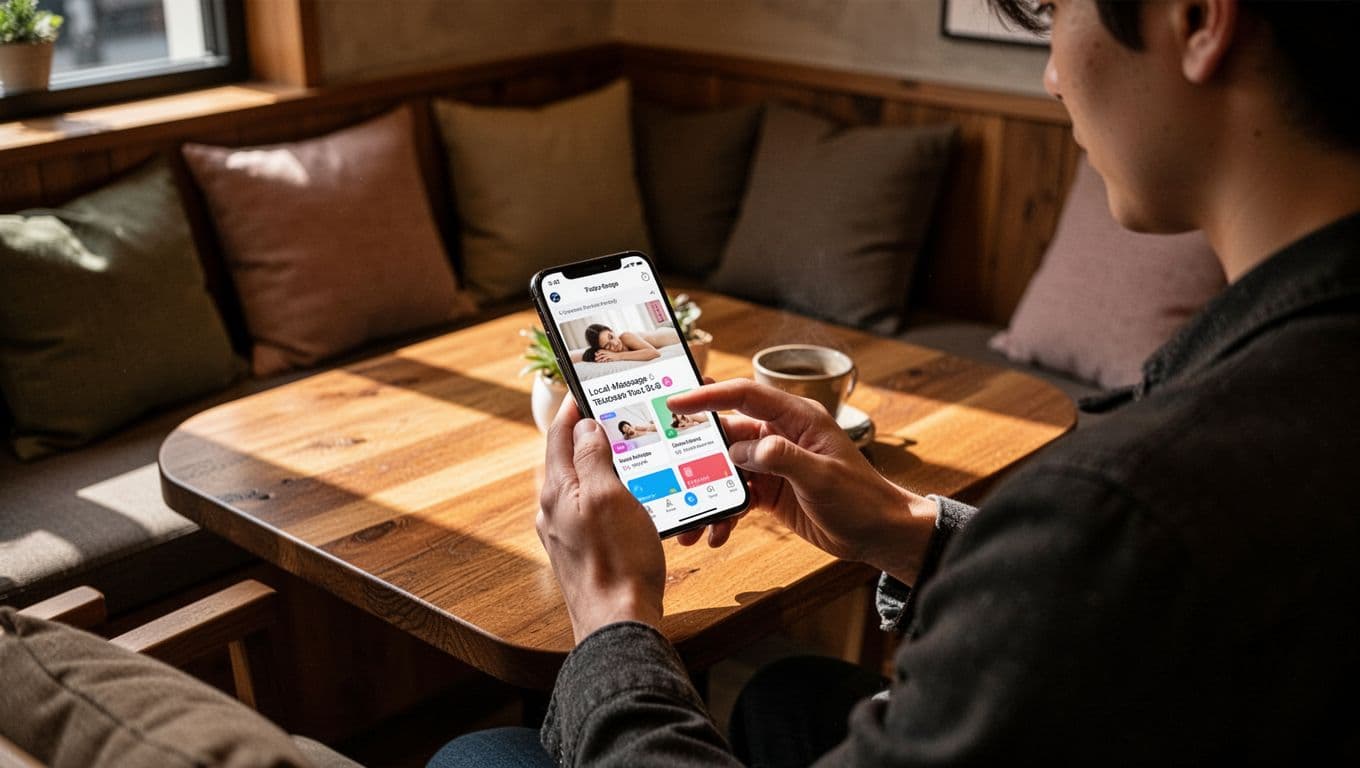
Reviews are most useful when they describe what actually happened. Look for repeated comments about punctuality, cleanliness, booking accuracy, therapist skill, pressure control, and whether the advertised treatment time was honored.
One dramatic complaint or glowing review doesn’t tell you much by itself. Instead, read recent, detailed feedback across more than one platform. If several customers mention fresh linens, clear communication, late starts, hidden charges, or therapists who adjust pressure well, those patterns deserve attention.
A spa’s photos can help you judge the setting, but polished images are still marketing. Pictures may show a carefully prepared room rather than the space you will use. Follower counts also show audience size, not treatment quality. Claims such as “best,” “luxurious,” or “24/7” need confirmation before you rely on them.
Check whether the phone number, address, and business name match across the website, social profile, map listing, and booking message. A mismatch may reflect an outdated page, a second location, or a listing that no longer belongs to the same business. Ask for the exact building, floor, entrance, and opening hours before traveling.
You can also check whether a provider explains its services in practical terms. A useful listing states the treatment, duration, price, location, and booking process. Vague language, pressure to send money quickly, and reluctance to answer basic questions deserve caution.
Choose the Right Setting for Comfort and Privacy
The setting affects the whole appointment, not just the massage table. A hotel-style spa may offer polished reception areas, changing facilities, steam rooms, and quieter private rooms. A small studio may feel more personal and cost less, although you should ask about sound levels, waiting space, and restroom access.
A salon with massage rooms can be convenient when you already need beauty services, but noise from dryers, conversations, or music may interrupt relaxation. An outcall appointment offers privacy at home or in a hotel, yet you must provide enough space, suitable room temperature, clean surroundings, and clear building access.
Before booking, ask:
- Is the treatment room private and separated from busy salon areas?
- Where can you change, store belongings, and use the restroom?
- Is parking available, and is the building accessible by elevator?
- Can a friend wait nearby or accompany you to the reception area?
- Is the room warm enough, and can the music or lighting be adjusted?
- Can you request a specific therapist or gender preference?
- Is the preferred therapist and treatment room available at your chosen time?
State your privacy needs before paying a deposit. If you want a quiet room, a particular therapist, or a standard wellness treatment, say so directly. Confirm whether the appointment takes place at a fixed spa, a hotel, a residence, or your own home.
A Simple Booking Checklist for First-Time Clients
Once you find a promising spa, confirm the practical details in writing. Save the booking message, especially if the provider advertises through social media or changes prices regularly.
- Identify the treatment and explain your preferred pressure.
- Confirm the appointment duration and the total cost.
- Ask whether the quoted time means hands-on massage.
- Share relevant health details, allergies, injuries, pregnancy, or medication.
- Verify the exact address, building entrance, floor, and phone number.
- Ask when to arrive and whether parking or security instructions apply.
- Confirm the cancellation, rescheduling, deposit, and refund rules.
- Save the booking confirmation, payment receipt, and contact details.
Pack comfortable clothing, water, and an accepted payment method. Loose clothes make it easier to change after a session, especially if you choose Thai-style work or an outcall appointment. Avoid bringing valuables unless you know where the spa stores personal items.
Arrive 10 to 15 minutes early for your first visit. That gives you time to find the building, complete any intake questions, use the restroom, and discuss your preferences. Early arrival shouldn’t reduce your paid massage time, so confirm when the hands-on session begins.
A good match matters more than a famous name. When the treatment, therapist, setting, and booking terms all fit your needs, Massage in Kilimani becomes easier to enjoy and easier to repeat.
Prepare for a Better Massage and Make the Results Last
A good massage begins before you lie on the table. Eat lightly, drink according to your normal thirst, and arrive with enough time to settle instead of rushing through Kilimani traffic. Wear comfortable clothing that is easy to change out of, and tell the spa if you need parking, building access, or extra time before the appointment.
Avoid booking a full-body session immediately after a heavy meal. A light snack can prevent hunger without leaving you uncomfortable while lying on your stomach or back. You also don’t need an extreme hydration routine. Drink water normally before the appointment, then follow your body’s thirst afterward.
 ### What to Tell Your Therapist Before the Session Starts
Your therapist needs an honest picture of your health before choosing pressure, position, and techniques. Mention any current or recent injury, chronic pain, pregnancy, recent surgery, blood-thinning medication, skin condition, allergy, high or low blood pressure, or varicose veins.
Also point out areas that should be avoided. These may include a healing scar, swollen joint, painful knee, sensitive abdomen, bruised skin, or a region affected by a medical procedure. Even a small detail can change the treatment plan.
A therapist may use lighter pressure, leave an area untouched, shorten the session, or recommend medical clearance. That recommendation isn’t a rejection of your booking. It means the therapist doesn’t want to treat a health concern without enough information. If you have severe pain, unexplained swelling, numbness, fever, or a serious medical condition, speak with a clinician before scheduling massage in Kilimani.
Tell the therapist what you want from the appointment as well. Do you prefer a quiet, full-body relaxation session, or do you want focused work on your shoulders and back? Would you like light, medium, or firm pressure? If you’re unsure, moderate pressure gives you a safe starting point.
A clear opening statement could be: “I’d like a 60-minute full-body massage with medium pressure, but please avoid my left knee and spend extra time on my shoulders.” The therapist can then adjust the plan instead of guessing.
How to Communicate During the Massage
Silence is optional. You don’t need to endure discomfort to appear relaxed, and you don’t need to wait until the appointment ends to mention a problem. A professional therapist expects useful feedback because your body is the best guide to pressure, temperature, and positioning.
Use direct phrases whenever something needs to change:
- “Please use lighter pressure.”
- “That area feels tender, so please avoid my knee.”
- “The room feels cold.”
- “Could you lower the music?”
- “The scent is too strong for me.”
- “Please spend more time on my upper back.”
- “I need a pause.”
You can also ask for a different pillow, a new position, less conversation, or more explanation. If a movement feels unstable or a stretch pulls sharply, say so immediately. A massage can feel intense without feeling dangerous, but sharp pain, burning, tingling, and numbness require a change in technique or an end to the treatment.
Discomfort isn’t proof that a massage is working. Useful pressure should remain within a level you can tolerate and communicate about.
Consent can change at any point. You can agree to a technique at the beginning and withdraw that permission later. You can ask the therapist to skip an area, stop touching you, or end the session altogether. Payment, a deposit, or a long journey to the spa never removes your right to make that choice.
Aftercare, Soreness, and When to Seek Medical Advice
When the massage ends, take a moment before standing. Move slowly from the table, especially if you’ve been lying down for a long time or received firm work. Sit first, breathe normally, and let the room stop moving before you walk.
Drink water according to normal thirst rather than forcing large amounts. A calm break at home can help you notice how your body feels. Gentle movement, such as an easy walk or relaxed stretching without forcing the range, is usually more sensible than an intense workout. If you received deep tissue or focused work, consider postponing strenuous exercise until you know how your body responds.
Mild tenderness can occur after unfamiliar or firm massage. It should gradually settle, rather than become stronger with each passing hour. A warm shower or warm compress may feel soothing if your muscles seem tight. Avoid unproven detox products and don’t expect massage to remove toxins or guarantee lasting pain relief. Massage may help you relax or feel less tense, but its effects differ between people.
Contact the provider if the soreness feels unusual, lasts longer than expected, or concerns you. A qualified therapist can ask what techniques and pressure were used and advise whether you should rest or seek further care. For sharp or unusual pain, especially when it continues beyond 48 hours, aftercare guidance recommends contacting a therapist or doctor.
Seek prompt medical advice for worsening symptoms, significant swelling, weakness, numbness, dizziness, trouble breathing, or an allergic reaction such as widespread itching, hives, or facial swelling. Serious symptoms should not be explained away as ordinary post-massage soreness.
Your booking schedule should match your response, goals, and budget. Some people enjoy a monthly appointment, while others book after strenuous activity or during especially stressful periods. Start with a frequency you can afford and reassess after each session. If you feel consistently sore, drained, or pressured to book more often, reduce the intensity or leave more time between visits. A sustainable massage routine is one that supports your well-being without creating financial or physical strain.
Conclusion
Choosing the right Massage in Kilimani starts with a clear purpose. Swedish or aromatherapy massage can support relaxation, while deep tissue and sports massage may suit tired, overworked muscles. Reflexology helps focus on the feet, and specialty treatments such as hot stone massage or body packages add a slower spa experience. Kilimani offers convenient options for each need, but the treatment should match how your body feels that day.
Before booking, compare the total price, hands-on session time, included extras, and any transport or facility charges. Verify the provider’s current location, opening hours, therapist availability, and booking terms. During the appointment, communicate your preferred pressure and health concerns clearly. Fresh linens, suitable draping, professional boundaries, active consent, and the freedom to pause or stop are basic parts of a safe massage.
Prices and services can change, so confirm the latest details directly before you travel or pay a deposit. When the treatment, setting, and therapist all feel right, massage becomes more than a convenient appointment. It becomes intentional time to slow down, breathe, and care for your body.