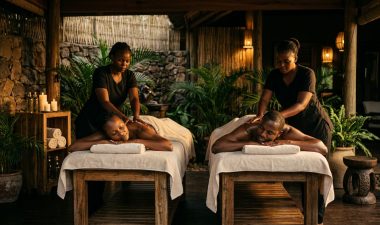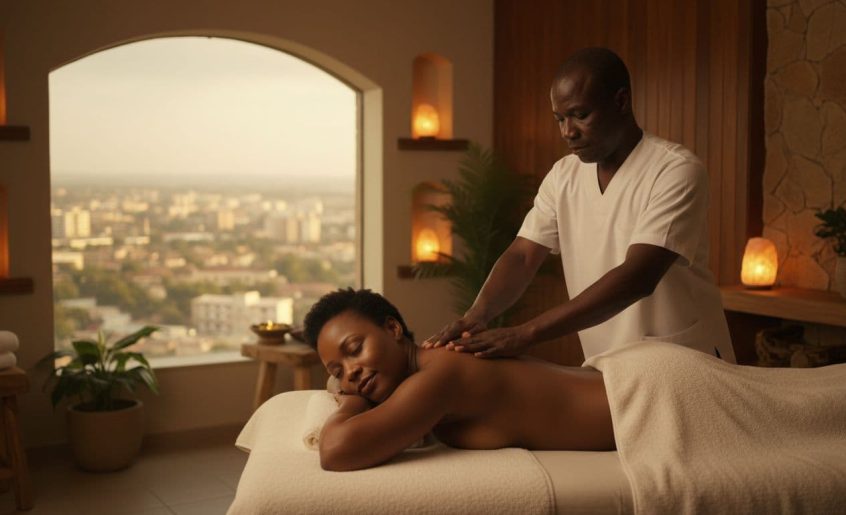
After a long commute through Nairobi, you finally step into a quiet spa, leaving the city’s traffic and noise at the door. Your shoulders are tight, your legs feel heavy, and all you want is an hour of calm, skilled care that helps you feel comfortable again.
Nairobi massage services offer more than one way to unwind. A gentle Swedish massage can ease everyday stress, while deep tissue treatment targets stubborn muscle tension after a workout or demanding day. Hot stone massage adds soothing warmth for stiff muscles, and aromatherapy or reflexology may suit you if you prefer a slower, lighter experience. Many spas also offer sports massage, Thai massage, couples treatments, body scrubs, and mobile or in-room appointments.
The right choice depends on your goals, the therapist’s training, the spa’s location, the session length, and whether the price includes extras. This guide will help you compare the main massage options, understand potential benefits and typical price factors, choose a trusted spa, know what to expect during your appointment, and book with sensible safety checks. Massage can support relaxation, sleep, and temporary comfort, but it shouldn’t replace medical care for an injury, ongoing pain, or a health condition. Let’s start with the massage styles available in Nairobi and what each one is designed to do.
Massage Styles in Nairobi for Different Wellness Goals
Nairobi massage menus often include several treatment styles, and each one suits a different reason for booking. Swedish massage fits first-time clients and everyday stress, while deep tissue work may help when tight muscles are affecting movement or comfort. Aromatherapy, hot stone, and focused treatments offer other ways to settle the body after a demanding day.
Names, prices, session lengths, and therapist experience vary between Nairobi spas. A hotel spa, neighborhood studio, mobile therapist, and wellness center may describe similar treatments differently. Before you book, confirm the technique, pressure level, duration, room setup, and any extras included in the price.
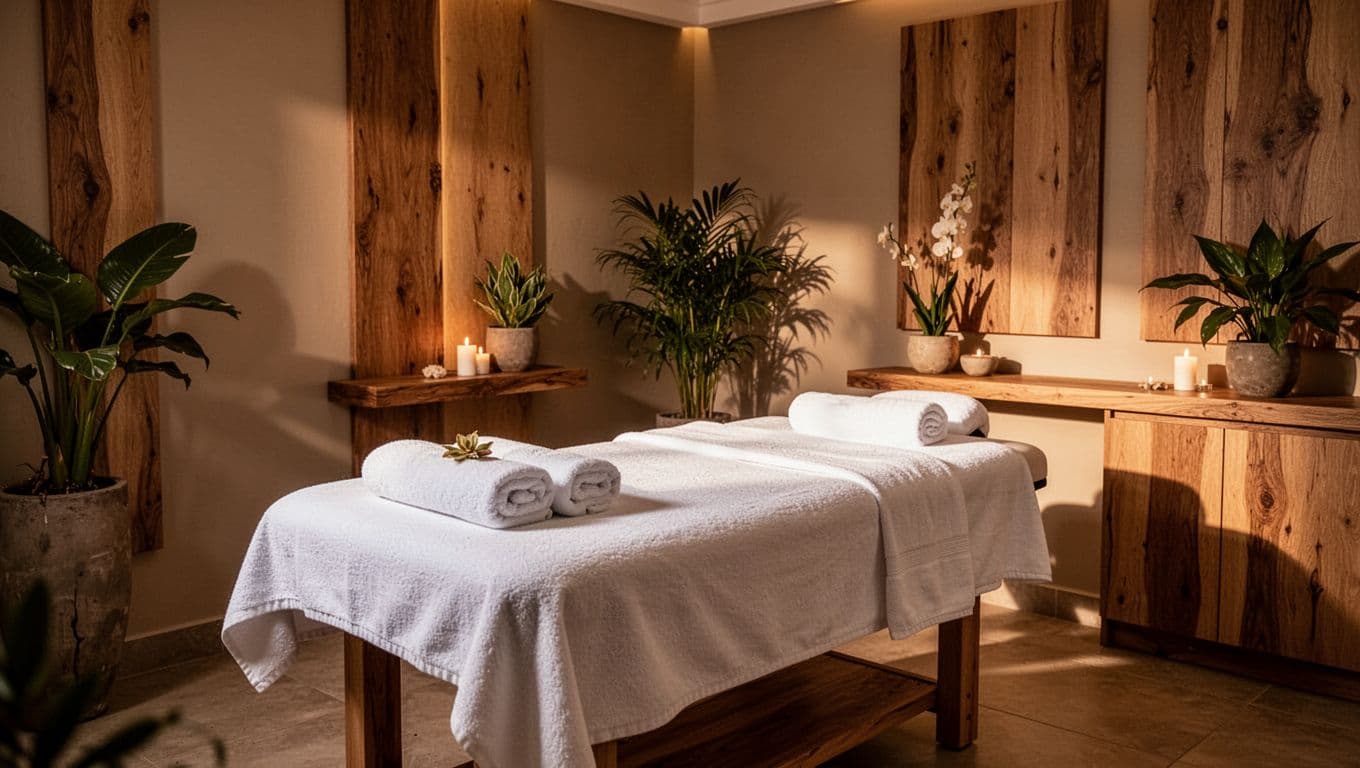 A massage can support relaxation and short-term comfort, but it doesn’t diagnose or treat the cause of serious pain. If you have an injury, numbness, swelling, unexplained pain, or a medical condition, ask a qualified healthcare professional whether massage is appropriate first. For a useful overview of common techniques, see this guide to different types of massage.
Swedish Massage for Gentle, Full-Body Relaxation
Swedish massage is often the easiest starting point for a first Nairobi massage appointment. The therapist usually combines long, gliding strokes with kneading and gentle circular movements. The pace stays calm, and the pressure usually ranges from light to medium.
This style suits people who carry stress in the shoulders, feel tired after work, or want a full-body treatment without intense pressure. It can help loosen everyday muscle tension and leave you feeling calmer after the session. Some clients also choose Swedish massage in the evening because the slower pace may make it easier to shift into a restful mood before bed.
The experience should feel steady rather than overwhelming. Your therapist may work across your back, arms, legs, neck, and shoulders, but you can ask for more attention in one area. For example, someone who spends long hours at a desk may request extra time around the upper back and shoulders.
You also have a say in the setting. Tell the therapist if you prefer:
- Lighter or firmer pressure
- Less time on a sensitive area
- Softer music or a quieter room
- A warmer or cooler room temperature
- More focus on the neck, shoulders, lower back, or legs
Good communication makes the treatment more comfortable and more useful. Pressure should feel productive, not sharp or stressful. If a stroke feels uncomfortable, speak up immediately instead of waiting for the session to end. A skilled therapist can change the pressure, position, or technique without interrupting the calm atmosphere.
Swedish massage may also suit couples, older adults, and people returning to massage after a long break. Still, the name doesn’t guarantee one identical experience at every spa. Ask what the session includes and whether the therapist can adjust the treatment to your comfort level.
Deep Tissue Massage for Tight Muscles and Stubborn Knots
Deep tissue massage uses slower movements and firmer pressure on areas that feel restricted or persistently tight. In Nairobi, clients commonly request it for the neck, shoulders, lower back, hips, thighs, and calves. It may suit you after repetitive work, heavy exercise, long periods of sitting, or a physically demanding routine.
The therapist may spend more time on a few problem areas instead of moving quickly across the whole body. That focused approach can feel intense, especially when the muscles have remained tense for a long time. However, stronger pressure isn’t always better. Excessive force can make the body tense against the treatment and leave you more uncomfortable.
Before the session begins, share useful information about your body and your pain. Mention any previous injuries, recent surgery, chronic conditions, areas of numbness, and movements that make the pain worse. Also explain your comfort limit clearly. You can ask for firm pressure without asking for the most intense pressure available.
Mild soreness can occur after deep tissue work, particularly when the therapist treats tight muscles. Drinking water, resting, and avoiding strenuous activity immediately afterward may help you feel more comfortable. Severe pain, increasing swelling, bruising, weakness, or symptoms that last should receive medical attention.
Deep tissue massage should challenge tight muscles without forcing you to endure sharp pain. A good session depends on communication, not on how much pressure you can tolerate.
People with serious or unexplained pain should seek medical advice before booking. Massage may not be suitable for some injuries, infections, blood-clot risks, or other health concerns. It can support comfort in suitable cases, but it shouldn’t replace an examination when the cause of pain remains unclear.
Aromatherapy and Hot Stone Treatments for a Calmer Body
Aromatherapy massage usually combines lighter massage techniques with diluted essential oils. The scent can add to the relaxing atmosphere, while the massage itself may use gentle gliding strokes and moderate pressure. This option suits clients who want a peaceful treatment after a stressful day and prefer a softer experience than deep tissue work.
Oil selection matters. Before the therapist applies anything, mention allergies, sensitive skin, asthma, headaches triggered by fragrance, or a previous reaction to essential oils. Pregnancy also requires extra care because some oils may not be suitable. A trained professional should explain the oil being used and offer an unscented alternative when appropriate.
Hot stone massage adds smooth, heated stones to the treatment. The therapist may place them on selected areas or use them with gentle pressure across the back and limbs. Warmth can feel soothing around stiff muscles, especially when you dislike intense manual pressure. However, the stones should feel comfortably warm, never painfully hot.
Tell the therapist if you have heat sensitivity, reduced sensation, skin irritation, diabetes, circulation concerns, or any condition that affects your ability to judge temperature. You should also mention pregnancy and ask whether the spa provides a pregnancy-safe alternative. Never accept a stone treatment from someone who can’t explain how they control the stone temperature and protect your skin.
Both treatments work best when the spa treats oil and heat as professional tools, not decorative extras. Confirm that the therapist is trained, the oils are diluted correctly, and the stones are cleaned and heated safely. Massage research has found possible short-term improvements in pain and anxiety in some settings, but results vary by person and treatment. The massage therapy research review offers broader context without promising that massage will solve every sleep or pain problem.
Couples, Sports, Prenatal, and Targeted Massage Services
Nairobi spas may offer more focused treatments alongside their main massage menu. Couples massage lets two people receive treatment in the same room, often with two therapists working at the same time. It can suit partners or friends who want to share a relaxing appointment, but book early and confirm whether the spa provides a private room, synchronized start times, and the same or different massage styles.
Sports massage is designed for active clients who train, run, cycle, dance, or spend long hours on their feet. It may focus on overworked muscle groups, mobility, and recovery rather than quiet full-body relaxation. Tell the therapist about your training schedule and any recent strain.
Prenatal massage may help a pregnant client manage ordinary muscle tension and fatigue, but it requires careful positioning and appropriate training. Choose a therapist trained to work with pregnant clients, and ask your healthcare provider for approval when your pregnancy, symptoms, or medical history calls for it. A prenatal session should never pressure the abdomen or place you in a position that causes discomfort.
Other menu options may include foot massage, head and shoulder massage, reflexology, Thai massage, or short targeted sessions. Foot massage can suit tired legs after walking or standing, while head and shoulder work may help desk-related tension. Focused treatments are useful when you have limited time, but ask whether the session treats the exact area you want addressed.
Before booking any specialized Nairobi massage, confirm the therapist’s training, session length, pressure style, and safety requirements. That short conversation can turn a generic spa appointment into a treatment that fits your body and your reason for visiting.
What a Nairobi Massage Session Is Really Like
A Nairobi massage session usually begins before you lie on the table. You first compare nearby spas, check the treatment menu, confirm the price, and ask practical questions about the therapist, room, session length, and payment options. A short call or message can prevent confusion later, especially if you want a specific technique or have an injury.
When booking, explain your main reason for visiting. You might want quiet relaxation after a stressful week, focused work on tight shoulders, or a gentle treatment before sleep. You can also request a combination, such as a relaxing full-body massage with extra attention to the lower back. Clear goals help the therapist shape the session around you instead of following a fixed routine.
Before confirming your Nairobi massage appointment, ask whether the quoted price includes consultation time, oils, towels, and any service fees. Check the cancellation policy as well. Some spas require advance notice for changes, while mobile therapists may charge differently for travel, parking, or in-room service.
How to Prepare Before You Arrive
Choose a session length that matches your needs and schedule. A shorter appointment may suit focused neck and shoulder work, while a longer session gives the therapist more time to treat several areas without rushing. If you are booking your first massage, a moderate-length appointment can help you learn what pressure and pace feel comfortable.
Arrive about 10 to 15 minutes early, especially if the spa uses an intake form. This gives you time to find the location, use the restroom, settle your phone, and discuss your preferences without cutting into treatment time. Rushing through the door can leave your body alert when you want it to relax.
Avoid a heavy meal right before your appointment. A large meal may make lying face down uncomfortable, particularly during a full-body treatment. Have a light snack earlier if you need one, then drink water normally. You don’t need to force large amounts of water before massage, since that can leave you uncomfortable during the session.
Wear comfortable clothing that is easy to change out of and back into. Most professional spas provide a private area for changing, towels, or disposable undergarments. You should only uncover the part of your body being treated, and your therapist should keep the rest covered with a sheet or towel.
Before the appointment, decide what you want the session to accomplish. Would you prefer:
- A slow, calming massage with light or medium pressure
- Focused muscle work for the shoulders, back, hips, or legs
- A balanced treatment that combines relaxation with firmer work
You don’t need to use technical massage terms. Describing how your body feels is enough. Say that your shoulders feel tight after desk work, your calves are tired from walking, or you want to settle your mind before bed.
Bring relevant health information with you. Mention recent injuries, surgery, allergies, medicines, pregnancy, skin problems, circulation concerns, and diagnosed health conditions. Also describe numbness, unexplained pain, swelling, or movements that make symptoms worse. A reputable provider may postpone treatment or request medical guidance when massage could be unsafe. This massage safety guidance explains why injury and post-surgery screening matters.
The Consultation, Massage, and Pressure Check
A professional session starts with a short, private conversation. The therapist should ask why you booked, where you feel discomfort, what you hope to gain, and whether you have received massage before. They may also ask about your health history, current medicines, allergies, and pressure preferences.
This conversation isn’t a formality. It helps the therapist decide which areas to treat, which techniques to avoid, and whether the requested massage is appropriate. If you booked deep tissue work but your pain began after a recent injury, the therapist may suggest a gentler approach or recommend medical advice first.
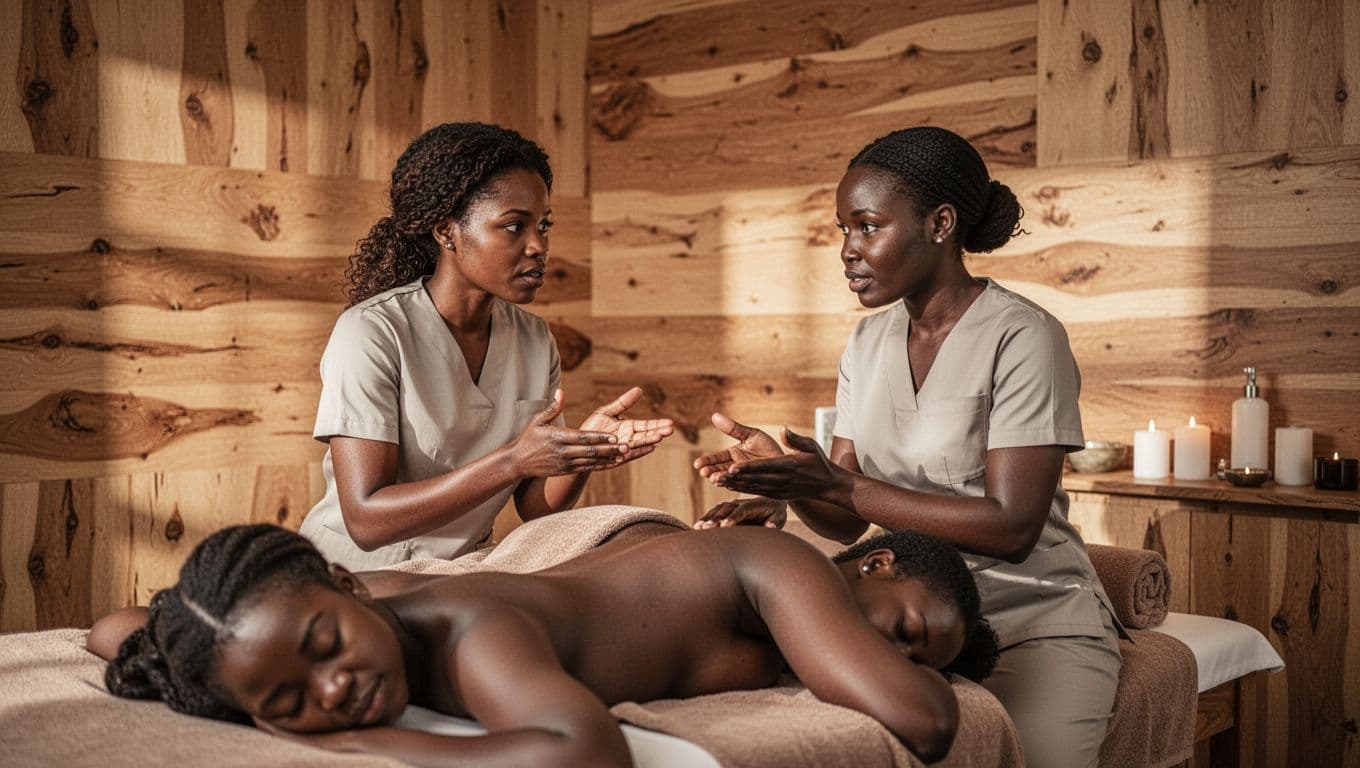 Consent should remain part of the entire appointment, not just the opening conversation. The therapist should explain the treatment, tell you how to position yourself, and give you privacy while you undress only as much as needed. Proper draping keeps your body covered, with the sheet moved only over the area currently receiving attention.
You can ask questions before the massage starts. For example, ask whether the therapist will use oil, whether fragrance-free products are available, and whether you can keep your underwear on. You can also discuss music, room temperature, and areas you don’t want touched.
Once treatment begins, the therapist should check the pressure early. A simple scale, such as light, medium, or firm, makes the conversation easier. Pressure should feel useful and tolerable, not sharp, burning, electric, or frightening. Muscles often tighten when the force becomes too much, which can make the session less comfortable.
Speak up at any point. You can ask the therapist to:
- Stop or pause
- Slow down
- Reduce or increase pressure
- Avoid an injured or sensitive area
- Change your position
- Use less oil or a different product
You don’t need to apologize for changing your mind. Your comfort and consent guide the treatment. A well-trained therapist should respond calmly and adjust the session without making you feel embarrassed.
Payment usually happens before or after treatment, depending on the spa. Confirm accepted payment methods, tipping expectations, and whether additional services cost extra. Before leaving, tell the therapist how your body feels and ask what level of activity makes sense for the rest of the day.
What to Expect After the Treatment
People respond differently after a Nairobi massage. You may feel calm and refreshed, or you may feel sleepy and ready for a quiet evening. After firmer muscle work, mild tenderness can occur in treated areas. That feeling should remain manageable and improve rather than intensify.
Get up slowly from the table, especially if you feel relaxed or lightheaded. Walk gently, drink water according to your normal needs, and choose a light meal if you are hungry. Gentle movement can help you notice how your body feels, while heavy lifting or intense exercise may be uncomfortable when muscles feel sore.
Give yourself room to recover. If possible, avoid scheduling a demanding workout immediately after deep tissue work. A quiet evening, comfortable clothing, and an ordinary bedtime routine may suit you better than rushing into another stressful activity.
Contact the spa if you have questions about expected tenderness or the treatment you received. However, seek medical attention for severe or worsening pain, major swelling, breathing trouble, a widespread allergic reaction, new numbness, weakness, or symptoms that don’t improve. Massage should not delay care for a serious or unexplained problem.
A good follow-up also helps with your next booking. Note which pressure felt comfortable, which areas needed less attention, whether fragrance caused irritation, and how you felt later that day. Those details allow your therapist to make your next session more personal without repeating what didn’t work.
How to Choose the Best Massage Spa in Nairobi
Choosing a Nairobi massage provider takes more than finding the closest listing or the lowest advertised price. Compare the location, therapist training, treatment room, service menu, communication, privacy standards, reviews, and final cost before you book.
A polished website can look reassuring, but the real test comes through clear answers and consistent details. Hours, prices, therapist availability, and transport charges can change, so confirm everything directly with the spa before your appointment.
 ### Check the Location, Hours, and Travel Plan
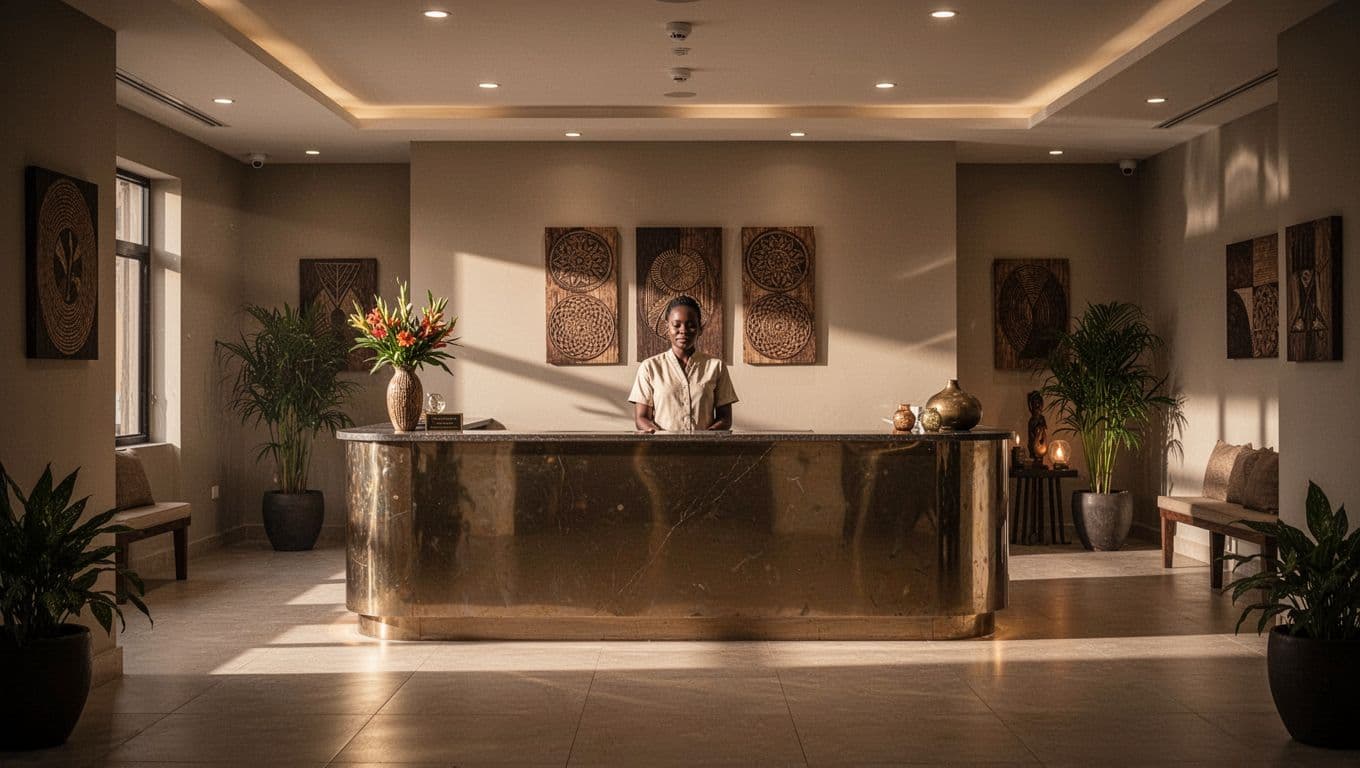
Location matters in Nairobi because traffic can change a short trip into a tiring commute. A spa in Kilimani may be convenient from one neighborhood but difficult to reach during rush hour. The same applies to Westlands, Karen, Lavington, Hurlingham, and the central business district, where congestion, one-way streets, construction, and limited parking can affect your arrival.
Start by checking the full address, not just the neighborhood name. Ask for the building name, floor, nearest landmark, entrance instructions, and parking arrangements. Some providers operate from office buildings or mixed-use complexes, where you may need to show identification at the gate or use a specific entrance.
Confirm the opening hours on the day you plan to visit. Online listings can remain unchanged after a spa adjusts its schedule, relocates, or changes its booking policy. Also ask how late the last appointment begins. A spa that closes at 9 p.m. may not accept a new client at 8:30 p.m.
Plan your travel with enough time to arrive without rushing. Reaching the spa ten to fifteen minutes early gives you space to park, pass through security, use the restroom, and discuss your preferences. A relaxing session can feel less useful if you must leave immediately and fight heavy traffic while your body is still trying to settle.
If you prefer an in-call or out-call massage, confirm the service area, arrival window, therapist identification, parking arrangements, and extra travel fee. For a nearby option, you can compare the spa’s stated location with the Nairobi spa and wellness listings on TripAdvisor, then verify the details directly before paying a deposit.
Look for Trained Therapists and Clean Treatment Rooms
A professional spa explains its services in plain language. The menu should tell you whether a treatment is Swedish, deep tissue, aromatherapy, hot stone, sports, prenatal, or a focused neck and shoulder session. It should also state the session length and whether the treatment includes extras such as a scrub, steam, or facial.
Ask who will provide the treatment and what training they have. You don’t need a long biography, but the spa should answer without hesitation. A trained therapist should understand pressure control, client positioning, draping, contraindications, basic hygiene, and how to adapt a session when a client reports pain or sensitivity.
The treatment room should feel clean before the massage begins. Look for fresh linens, a sanitized table and equipment, clean floors, covered waste bins, and products stored properly. Towels and sheets should not appear reused, damp, stained, or creased from a previous appointment.
Privacy matters just as much as appearance. You should have a private space to change, and the therapist should explain how draping works. Only the area receiving treatment should be uncovered. A professional massage remains wellness-focused, with clear boundaries and no pressure to accept services you didn’t request.
Before an aromatherapy session, ask which oil the therapist plans to use and whether an unscented option is available. Mention allergies, asthma, sensitive skin, pregnancy, or previous reactions. For hot stone massage, ask how the therapist checks and controls the stone temperature.
A polished website alone doesn’t prove quality. Ask how the spa handles complaints, accidental product reactions, missed appointments, or concerns about therapist conduct. A clear answer shows that the provider has a process, rather than relying only on attractive photographs and broad promises.
For comparison, review the treatment descriptions and locations offered by established providers such as Serenity Spa Nairobi, but still ask the specific questions that matter to your appointment.
Compare Services, Session Lengths, and Massage Prices
Price comparisons only make sense when the sessions are genuinely similar. A 60-minute Swedish massage in a simple studio isn’t directly comparable with a 90-minute hot stone treatment at a hotel spa. Therapist experience, neighborhood, room quality, massage style, couples arrangements, and add-ons can all change the final amount.
Ask whether the advertised time covers hands-on massage or includes changing and consultation time. Also confirm whether the price is per person, especially when booking a couples massage. In-call and out-call services may use different pricing, and mobile appointments can add transport, parking, or late-hour fees.
Reported Nairobi listings provide useful examples, but they are not fixed market rules. Some listings show Swedish massage at around 5,000 KES for one hour, deep tissue at about 6,000 KES, and hot stone at roughly 7,000 KES. Aromatherapy examples range from about 7,500 to 10,500 KES for 60 or 90 minutes, while couples massage listings may show approximately 12,000 to 15,000 KES.
Use those figures as comparison points, not promises. Confirm the current price, applicable taxes, payment method, deposit requirement, transport fee, and cancellation charge before booking. A low headline price may exclude oils, room fees, travel, or a service charge.
A simple comparison can help you avoid choosing on price alone:
- A 60-minute session suits one main concern, such as tight shoulders or tired legs.
- A 90-minute session allows more time for several areas or a slower full-body treatment.
- A couples session may cost more because it requires two therapists and a suitable private room.
- Add-ons such as scrubs, steam treatments, facials, and special oils increase the total.
The best value is the session that matches your goal, comfort level, schedule, and budget. A cheaper appointment loses value if the therapist rushes, the room lacks privacy, or the advertised service differs from what you receive.
Use Reviews and Direct Questions Before Booking
Reviews are most useful when they describe what actually happened. Look for comments about therapist skill, cleanliness, punctuality, booking accuracy, privacy, and whether the treatment matched its description. Recent reviews matter more than praise posted several years ago, particularly for hours, prices, staff, and location.
Read both positive and negative comments. One unhappy review doesn’t prove that a spa is poor, but repeated complaints about dirty linens, surprise charges, late arrivals, or unwanted pressure deserve attention. Be cautious with anonymous praise that makes dramatic promises without describing the service.
Before you confirm a Nairobi massage appointment, send a short message with these questions:
- Which therapist is available, and what training do they have?
- What exactly does the chosen treatment include?
- Is the quoted price per person?
- Do you need to pay a deposit?
- What is the cancellation or rescheduling policy?
- Are out-call, parking, or transport fees separate?
- Will the session remain strictly professional and wellness-focused?
- What are the building entrance, parking, and security instructions?
Pay attention to the reply as well as the information. A trustworthy provider answers clearly, respects your boundaries, and doesn’t avoid questions about cost or privacy. If the details keep changing between messages, pause before sending money.
You can also check broader Nairobi spa reviews and visitor feedback for ideas, then treat every recommendation as a starting point rather than a guarantee. Your final decision should rest on verified details from the spa, a suitable therapist, a clean private room, and a price you understand before treatment begins.
Kilimani Love Massage Spa: What to Know Before You Book
Kilimani Love Massage Spa is listed at Jade Residency, Kindaruma Road, Kilimani, Nairobi. That address may suit you if you work or live near Kilimani, Hurlingham, Lavington, Kileleshwa, or the Nairobi CBD. Still, a convenient neighborhood does not always mean a quick journey, especially during weekday traffic.
Before you choose a treatment, review the available details for Kilimani Love Massage Spa and confirm the appointment directly. Business listings can change, and nearby buildings may contain several operators. A short call or message can confirm that you have the right entrance, current hours, and correct booking contact.
Where the Spa Is Located in Kilimani
The listed location is Jade Residency, Kindaruma Road, Kilimani, Nairobi. Since Jade Residency is a building rather than a standalone storefront, ask for clear arrival instructions before setting out. Confirm the entrance, floor or unit, nearest landmark, and whether security staff need your name or appointment details.
Kindaruma Road can be easy to reach from nearby parts of Kilimani, but traffic conditions still matter. A journey that feels short on a map may take much longer during morning and evening rush hours. If you are traveling after work, leave extra time rather than scheduling your massage immediately after your expected arrival.
Ride-hailing services can simplify the trip, especially if you do not know the building. However, the driver may stop at the main road instead of the correct entrance. Share the building name and ask the spa for a pin or a recognizable landmark. If you plan to use public transportation, confirm the closest drop-off point and walking route in advance.
Parking is another detail to settle before booking. Ask whether Jade Residency has visitor parking, whether spaces are limited, and whether you need to check in with security. If parking costs extra, include that amount in your appointment budget. You may also need time to enter the compound, find a space, and walk to the treatment room.
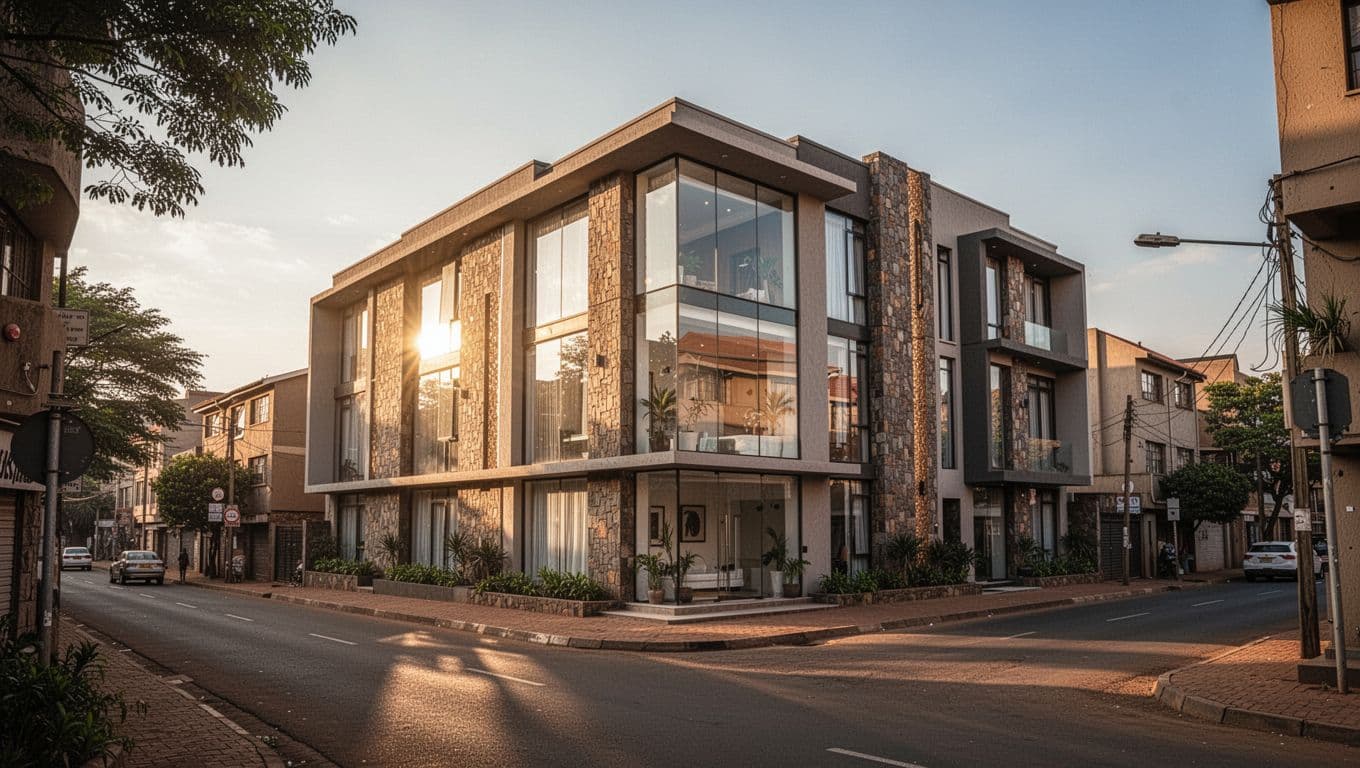 The listed hours are 8 a.m. to 6 p.m. on weekdays and 12 p.m. to 5 p.m. on Saturday. Those hours may work well for a midday appointment, an early evening visit, or a Saturday afternoon session. A weekday booking could fit between meetings if you work nearby, while a Saturday slot may suit you if you want to avoid the pressure of the workweek.
Call ahead if you need an appointment close to closing time. The last available slot may begin earlier than the posted closing hour, especially if the treatment lasts 60 or 90 minutes. Also confirm whether the spa is open on Sunday, since the listed information provided does not establish Sunday availability.
A building address is only the starting point. Confirm the entrance, parking, appointment time, and contact person before you travel.
Services and Booking Details to Confirm Directly
Do not assume that an online listing shows the complete or current service menu. Ask which massage styles are available when you contact the spa. You might be looking for a calming full-body massage, focused work for tight shoulders, or a treatment that supports relaxation before bed. The name of a service does not always describe the pressure, technique, or areas covered.
Session length also affects the experience. Ask whether the spa offers 60-minute or 90-minute appointments, and confirm whether the stated time covers hands-on massage only. Some providers include consultation, changing, or preparation within the appointment window. Knowing the timing helps you choose a session that does not feel rushed.
Use a direct message to confirm the details that matter most:
- Which massage styles are currently available?
- Are 60-minute and 90-minute sessions offered?
- How far ahead should you book?
- What payment methods does the spa accept?
- Is a deposit required to hold the appointment?
- Does the spa charge for cancellations or rescheduling?
- Are oils, add-ons, parking, or other fees included?
Ask whether the therapist available for your appointment has training that matches your needs. If you want prenatal, sports, deep tissue, or another specialized service, confirm the therapist’s experience before paying a deposit. You should also mention allergies, pregnancy, recent injuries, skin sensitivity, or any health condition that could affect the treatment.
Direct confirmation matters because online information can remain visible after a business changes its hours, prices, staff, services, or booking process. A listing may also show general information without explaining whether a particular therapist is available on your chosen day. Treat the online page as a starting point, then rely on a clear exchange with the spa before you visit.
Keep the booking message simple. State your preferred date, approximate time, treatment goal, and any health or comfort concern that affects the appointment. Save the reply so you can check the agreed time, price, location, and cancellation terms later.
How to Decide If It Fits Your Massage Goals
Kilimani Love Massage Spa may fit your plans if its location, hours, current services, and booking terms match what you need. The right choice depends less on the spa’s name and more on whether the available treatment suits your body and your reason for booking.
If stress is your main concern, ask about a calming massage with light or medium pressure. A slower treatment may suit you after a demanding workday or before an evening focused on rest. Tell the therapist that relaxation is your priority, and mention whether you prefer a quiet room, gentle music, fragrance-free oil, or minimal conversation.
For everyday muscle tension, request focused bodywork rather than automatically choosing the strongest pressure. Explain where you feel tightness, when it started, and which movements make it worse. Desk work may leave your shoulders and upper back tense, while long walks or exercise may affect your calves, hips, or lower back.
Strong pressure is not a measure of quality. If your muscles brace against the treatment, the session may become less comfortable and less useful. Ask the therapist to begin at a tolerable level and adjust gradually. Sharp, burning, electric, or alarming pain is a reason to speak up or stop.
Specialized services require extra questions. Before booking prenatal, sports, hot stone, or injury-related bodywork, confirm the therapist’s training and the safety requirements. Explain your medical history honestly, and ask a healthcare professional for guidance when you have an unexplained injury, recent surgery, numbness, swelling, or a diagnosed condition.
A simple description often works better than a technical request. You could say, “My shoulders feel tight after computer work, and I want medium pressure,” or, “I need a gentle session because my goal is relaxation.” Clear information gives the therapist a better starting point than asking for the strongest massage available.
Confirm the details, describe your needs, and choose a session that matches your comfort level. That approach lets you judge whether this Kilimani massage option suits your schedule and wellness goals without treating any business as a guaranteed best choice.
Book a Nairobi Massage With Confidence and Good Safety Habits
A good Nairobi massage booking should feel clear before you arrive. Confirm the service, price, location, therapist, and safety arrangements in advance, whether you are visiting a spa or arranging a legitimate mobile appointment. Clear communication gives you a calmer start and makes it easier to leave if the provider changes the agreement.
A Simple Booking Checklist for First-Time Clients
Use this checklist before confirming your appointment:
- Choose your massage goal. Decide whether you want gentle relaxation, help with everyday muscle tension, focused work on your shoulders or legs, or a quiet session before sleep. Describe your goal in ordinary language rather than asking for the strongest pressure.
- Select a session length. A shorter appointment may suit one problem area, while 60 or 90 minutes gives the therapist more time for a full-body treatment. Confirm whether the stated time means hands-on massage or includes changing and consultation.
- Verify the exact address. Ask for the building name, floor, unit, entrance, nearby landmark, and parking or drop-off instructions. In Nairobi, a neighborhood name alone may not guide you to the correct door. For a mobile service, confirm the service area, arrival window, travel fee, and how the therapist will identify themselves.
- Confirm the therapist and price. Ask who is available, what training matches your chosen treatment, and whether the quoted price is per person. Confirm the total cost, including oils, add-ons, parking, transport, taxes, or mobile-service fees.
- Ask about deposits and cancellation. Find out how much you must pay to hold the slot and whether the deposit is refundable. Request the cancellation and rescheduling rules in writing before sending money.
- Share relevant health information. Mention allergies, pregnancy, recent surgery, injuries, skin problems, medications, blood pressure concerns, numbness, swelling, or unexplained pain. A professional therapist can modify the treatment or advise you to seek medical guidance.
- Save the booking contact. Keep the provider’s name, phone number, appointment time, address, price, and confirmation message. Share the basic plan with someone you trust, especially for a first visit or a mobile appointment.
 When visiting an unfamiliar location, book during daylight when possible. If an evening appointment fits your schedule, use a trusted transport plan, keep your phone charged, and avoid carrying unnecessary valuables. For a hotel or private appointment, meet in a public reception area first when practical. Leave if the provider pressures you to pay more, changes the location without a clear reason, or becomes difficult to verify.
Health Conditions That Need Extra Care
Massage is not suitable for every body at every time. Speak with a healthcare professional before booking if you have had recent surgery, a serious injury, uncontrolled blood pressure, blood clots, severe osteoporosis, or another major medical condition. You should also postpone treatment if you have a fever, contagious illness, contagious skin problem, open wound, burn, severe inflammation, or unexplained swelling.
Unexplained pain deserves attention before bodywork. A painful area that is hot, swollen, numb, weak, or changing may need medical assessment rather than firm pressure. The same applies to new lumps, severe bruising, or symptoms that appeared after an accident. General safety guidance also identifies fever, blood clots, and some serious infections as reasons to avoid or modify massage treatment, as described in this massage contraindications guide.
Pregnancy calls for extra care. Ask your healthcare provider whether massage is appropriate for you, particularly if the pregnancy is high risk or you have bleeding, pain, high blood pressure, or other concerns. Choose a therapist trained in prenatal massage, and confirm the positioning, pressure, products, and areas that will be avoided.
Share health information honestly, even if it seems unrelated to your booking. Tell the therapist about allergies, medications, circulation problems, previous blood clots, diabetes, skin sensitivity, and recent medical procedures. Privacy does not mean hiding information that affects safe treatment.
A therapist should never pressure you to continue through sharp pain, burning, electric sensations, severe discomfort, dizziness, or fear. Ask for less pressure, a position change, a pause, or an immediate stop. If the therapist dismisses your request, end the session and leave.
Professional Boundaries, Privacy, and Personal Safety
Professional massage begins with informed consent. The therapist should explain the treatment, answer reasonable questions, confirm the areas you want addressed, and check your pressure preference. Consent continues throughout the appointment, so you can change your mind at any moment.
Proper draping is another basic expectation. You should receive privacy while changing, and only the area being treated should be uncovered. Sensitive areas require clear permission and professional handling. You can keep some clothing on, decline an area, request an unscented product, or stop the treatment without giving an explanation.
The room should be clean, calm, and prepared for one client at a time. Look for fresh linens, a clean table, clean hands or sanitizer, and products stored in a hygienic way. A legitimate wellness service should describe its treatments clearly, protect your personal information, and explain its prices without confusing extras.
Pay attention to conduct as well as appearance. Leave if a provider makes unwanted advances, ignores your consent, refuses reasonable questions, changes the price without warning, or tries to move the appointment into an arrangement you did not agree to. You don’t need to negotiate with someone who makes you feel unsafe.
For more formal spa etiquette, the Kempinski spa etiquette guidance offers a useful example of expectations around arrival, privacy, and respectful treatment. Your Nairobi massage provider should offer the same basic standard, whether the appointment takes place in a spa, hotel, or suitable mobile setting.
Common Booking Mistakes That Can Spoil the Experience
Choosing only by the lowest price can lead to surprise fees, rushed service, or poor privacy. Compare what the price includes, then choose the session that matches your goals and budget.
Failing to confirm the location creates avoidable stress. Ask for the full address, building instructions, landmark, parking details, and a map pin before you leave.
Similarly named businesses can cause mix-ups, especially in busy Nairobi neighborhoods. Check the exact business name, phone number, online profile, and appointment contact rather than relying on a familiar-sounding listing.
Booking without checking the treatment type may leave you with pressure or techniques you didn’t want. Ask what the massage includes, how firm it is, which areas it covers, and whether the therapist can adjust it.
Ignoring travel time can turn relaxation into a race through traffic. Allow extra time for congestion, security gates, parking, or finding a residential building, and arrive about 10 minutes early.
Hiding health conditions puts the session at unnecessary risk. Share recent surgery, injuries, pregnancy, allergies, medications, swelling, and serious medical concerns before treatment begins.
Arriving late may shorten your massage while leaving the full charge unchanged. Confirm the appointment time, plan your route, and contact the provider as soon as a delay becomes unavoidable.
Finally, don’t expect massage to cure a medical problem. It may support relaxation and temporary comfort, but persistent pain, weakness, swelling, fever, or unexplained symptoms need appropriate medical care.
Conclusion
The right Nairobi massage depends on what your body and schedule need today. Swedish massage may suit gentle relaxation, while deep tissue, sports, hot stone, aromatherapy, or foot massage may fit a more specific goal. Your preferred pressure, session length, budget, location, and reason for booking should guide the choice rather than the spa name or lowest advertised price.
Take time to compare trained therapists, clean treatment rooms, clear service descriptions, and complete prices. A reputable provider should explain the treatment, protect your privacy, respect your boundaries, and adjust the session when you mention an injury, allergy, pregnancy, or health concern. Areas such as Kilimani offer convenient options for many Nairobi residents, but traffic, parking, building access, and opening hours can affect the experience. If you are considering Kilimani Love Massage Spa, confirm its current services, prices, hours, therapist availability, address, and booking terms before visiting.
A thoughtful Nairobi massage can give you a calm hour after a crowded commute, help release daily muscle tension, or create space for better rest. Choose a treatment that matches your comfort level and health needs, then allow yourself time to slow down and listen to how your body responds. That balance of relaxation, good communication, and responsible care is what makes a massage appointment truly worthwhile.